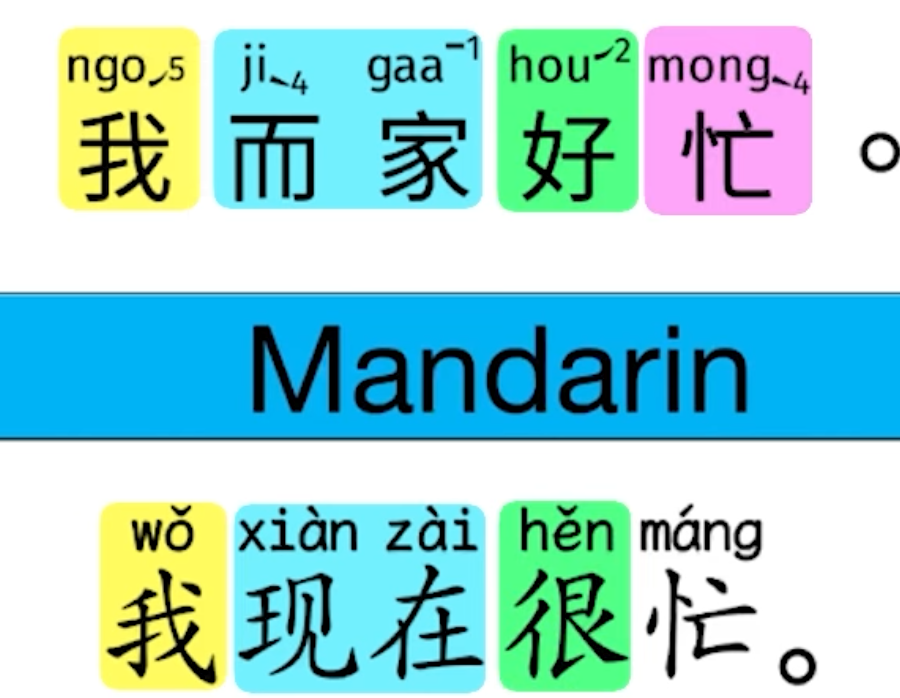
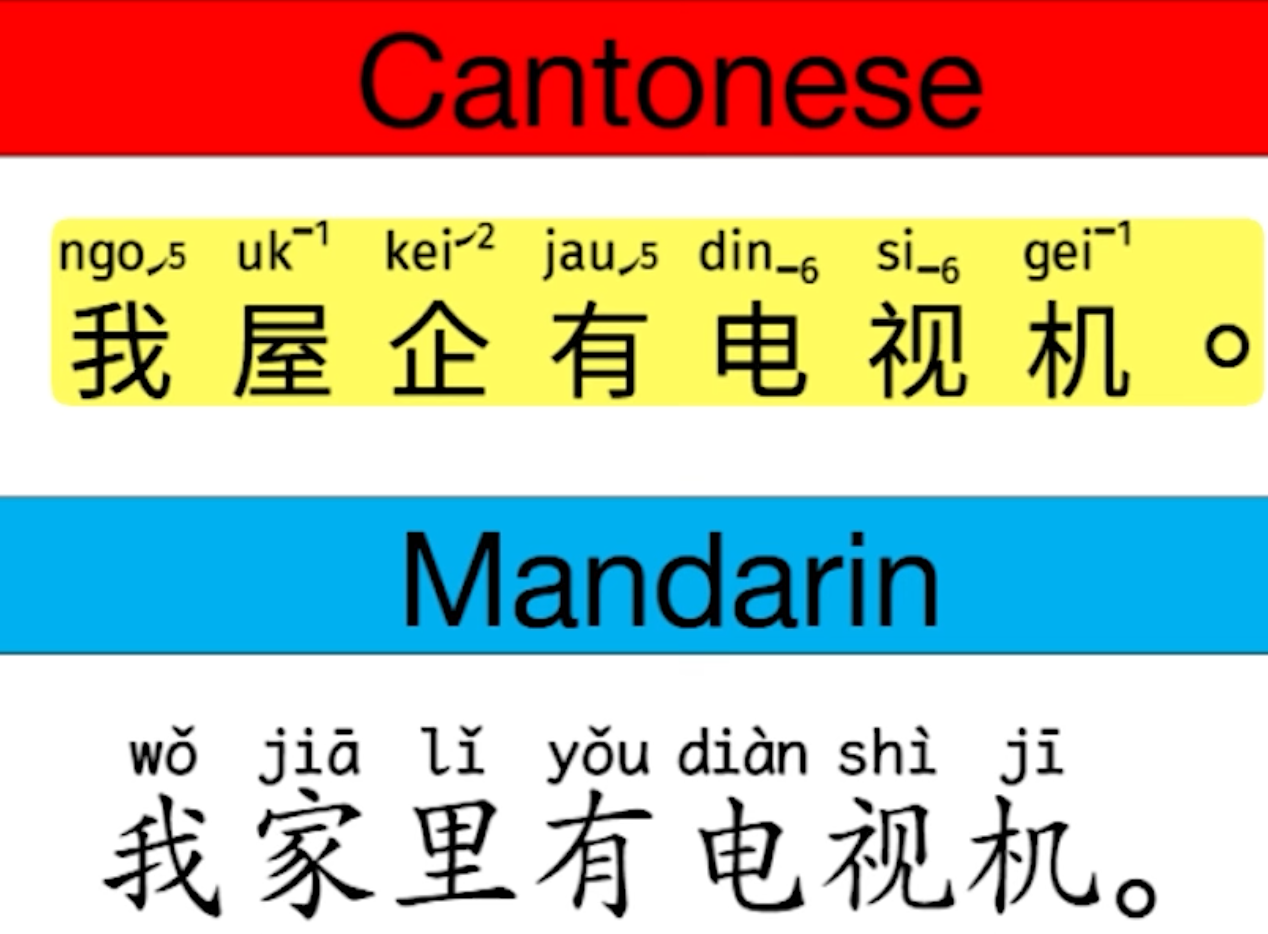
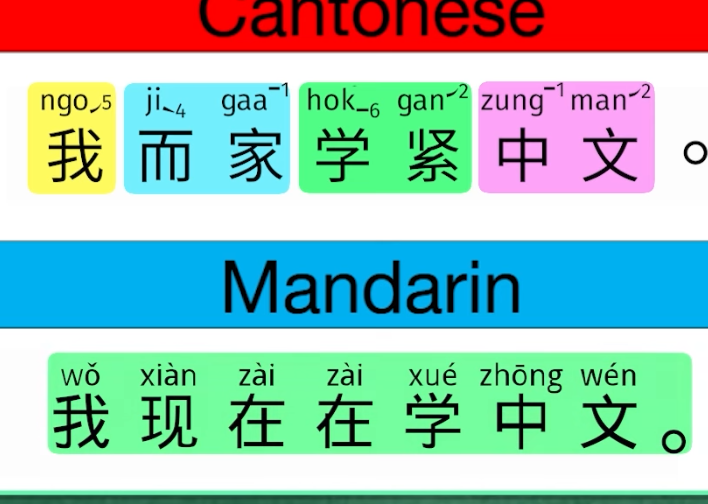
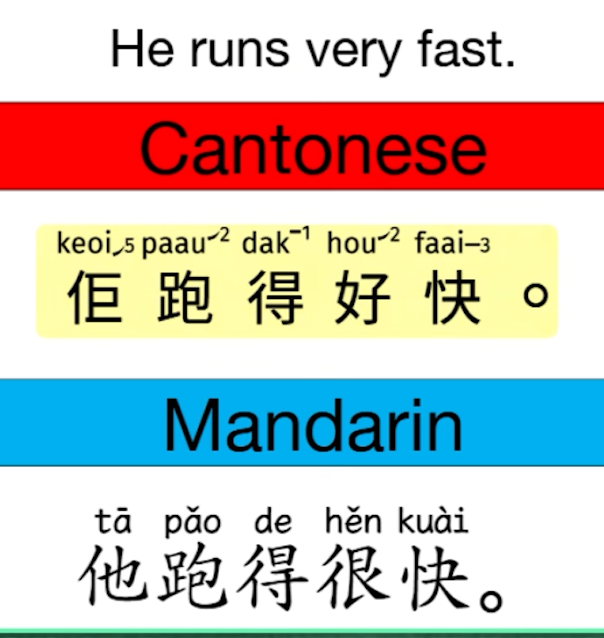
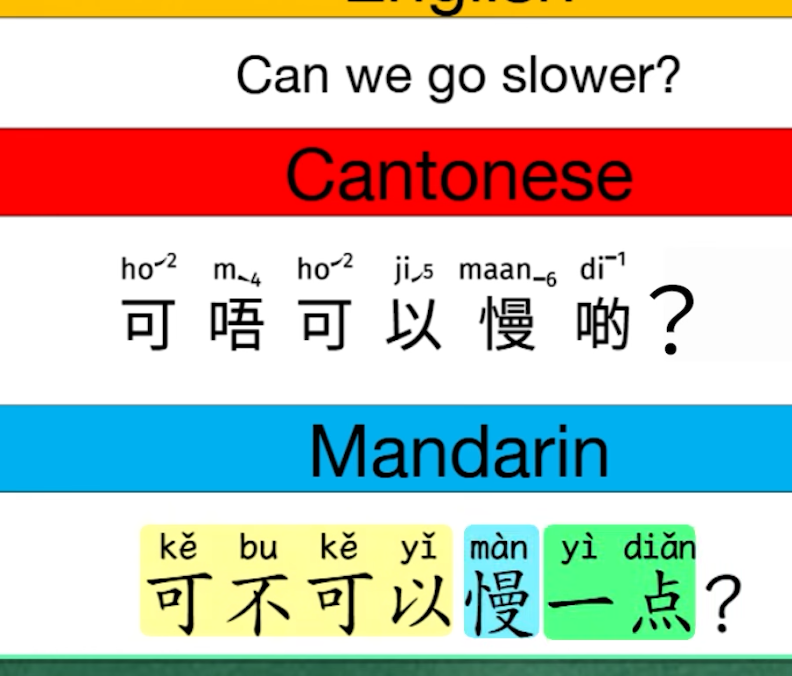
Cantonese
jau1sik1 = 休息 mei6 = 了吗 问 = man vocab i want to know:
- 回 - faan1
- 想(i know 要) - soeng2
- 就是 (gam di ne?)
waak6ze2 = 或者
gwaa3zyu6 = 想念 go di? (they always say that)
things i don’t understand? m sai? bu yong? is yong = sai in canto?
fan gao = sleep jam = drink?
gam is a filler word, like 然后
waan4 = 还 gui6 = 累 ho2ji5 = 可以 jan1wai6 = 因为 wun6geoi6 = 玩具 gan = 选择 gok = 觉 dak sik = 特色 yi ga = 现在 (now) gei di = 这些 wo gei = 我们 wu kei = 家 dim = 怎么 dim gaai = 为什么
- me ye (is what i say but less accurate)
Tones:
Conversation
General intro
As a mandarin speaker
- https://www.youtube.com/watch?v=j2CPrf9p-wU by Canto mando
si
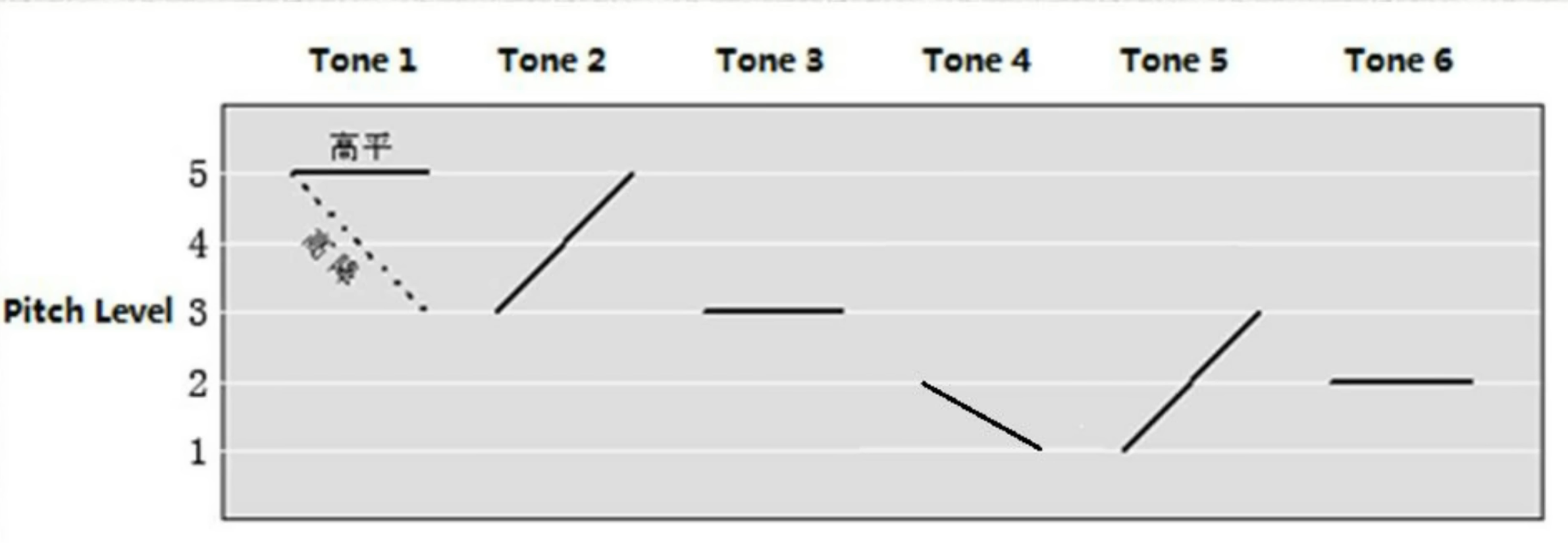
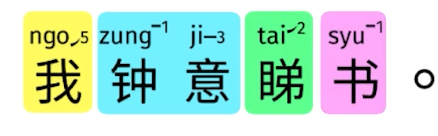
Tone 1 = mandarin tone 1 Tone 2 = mandarin tone 2 Tone 3 = is like mandarin tone 3, but keep it flat Tone 4 = start with low tone and drop, kinda like tone 4 of chinese? Tone 5 = similar to tone 2, but deeper pitch Tone 6 = flat, similar to tone 3 but deeper
mappings
- Tone 1 maps to tone 1 from mando to canto.
- tone 2 in mando (rising) maps to Tone 4 in canto (rising to descending)
- tone 3 in mando maps to tone 2 and tone 5 (rising tones) in canto
- tone 4 in mando (descending) maps to Tone 3 and tone 6 (flat) in canto
General guidelines of tone mapping: Mandarin zh/ch/sh often ↔ Cantonese z/c/s (e.g., “shi” type sounds often become “si” type sounds)
- Mandarin r- often ↔ Cantonese j- (or sometimes l-)
- Mandarin -ang/-eng/-ong often ↔ Cantonese -aang/-ing/-ung (varies a lot)
- Mandarin -ian/-uan often ↔ Cantonese -in/-yun/-un (again varies)
Tone mapping is especially unreliable
Even for the same character, Cantonese has 6+ tones (depending on analysis), and historical tone splits depend on the consonant type. So “Mandarin tone 4 → Cantonese tone X” is not a dependable rule
你们 = nei dei
佢要出去
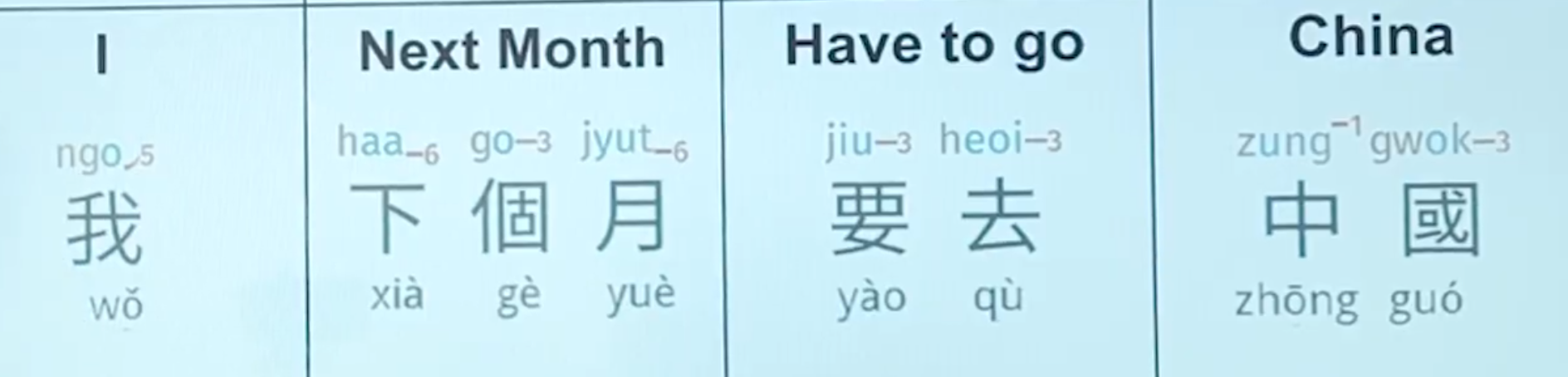
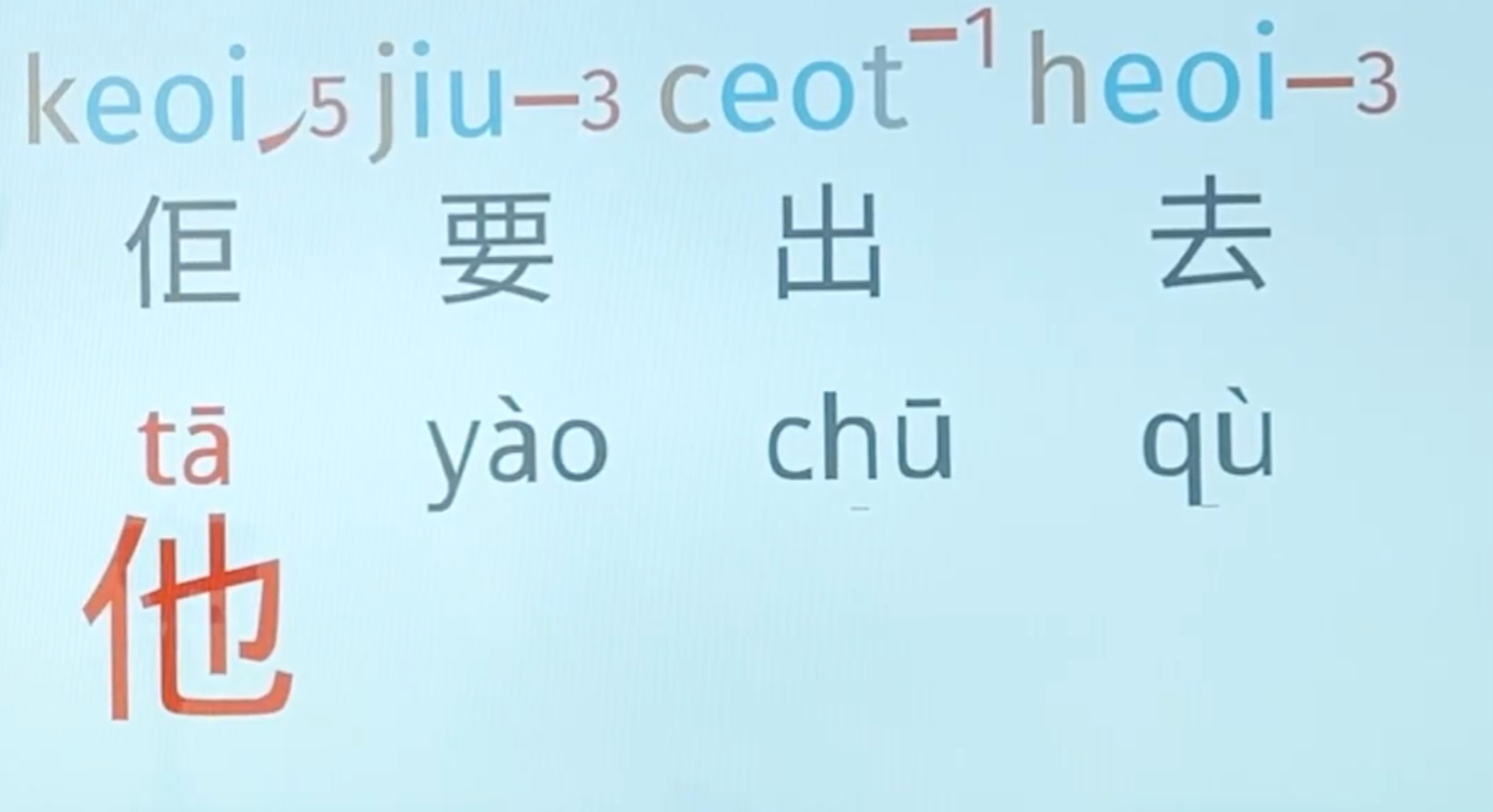

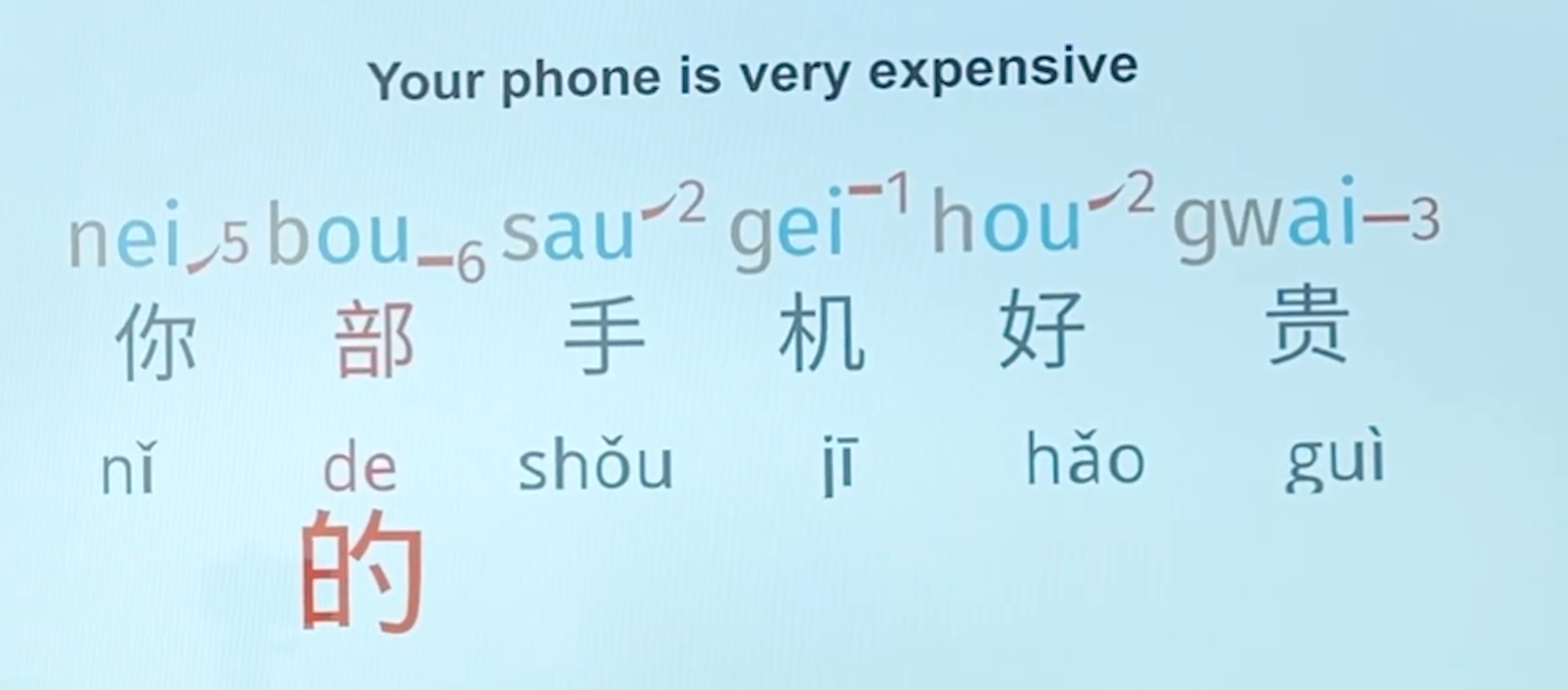
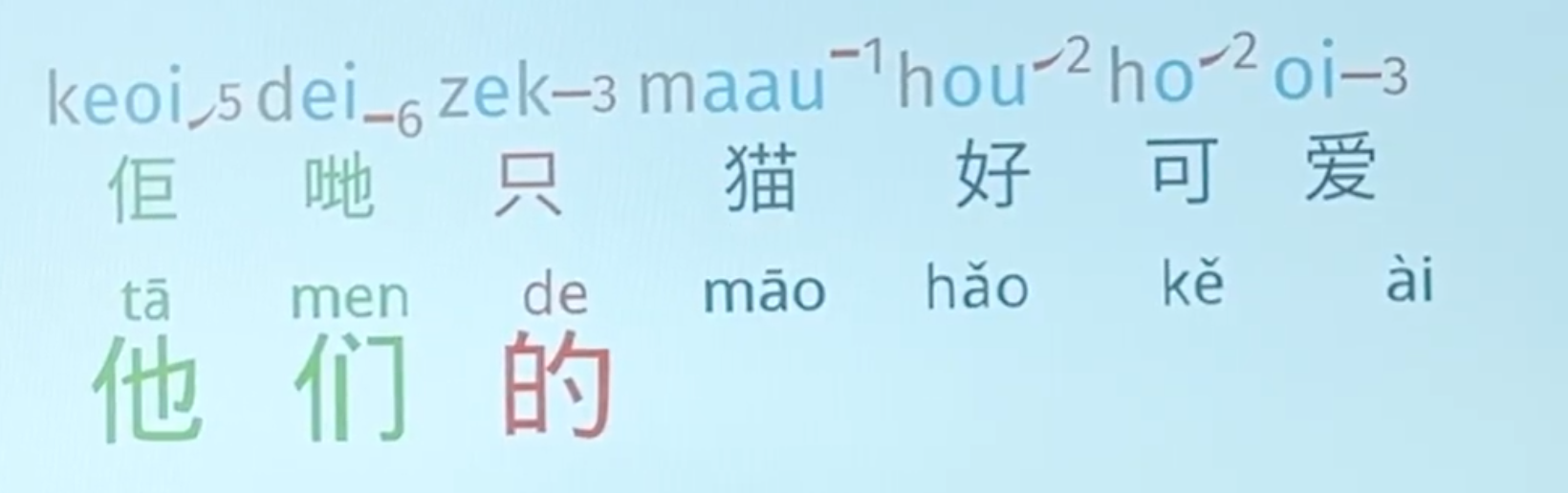
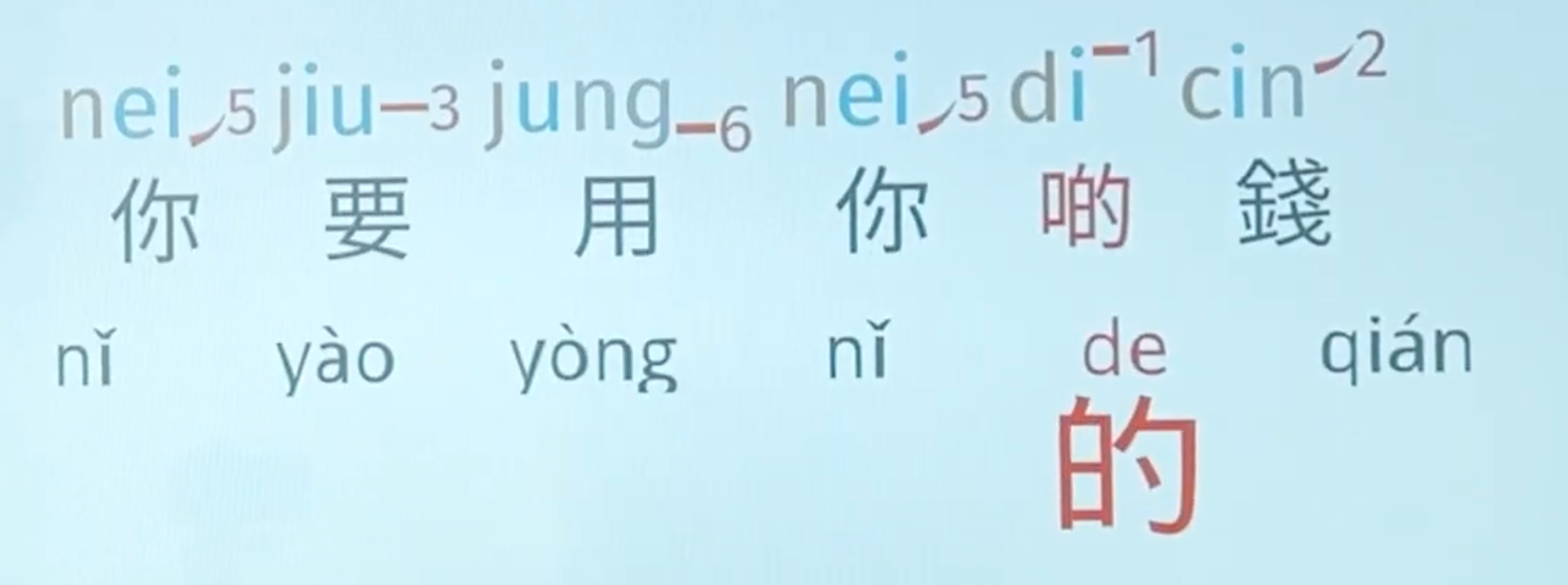
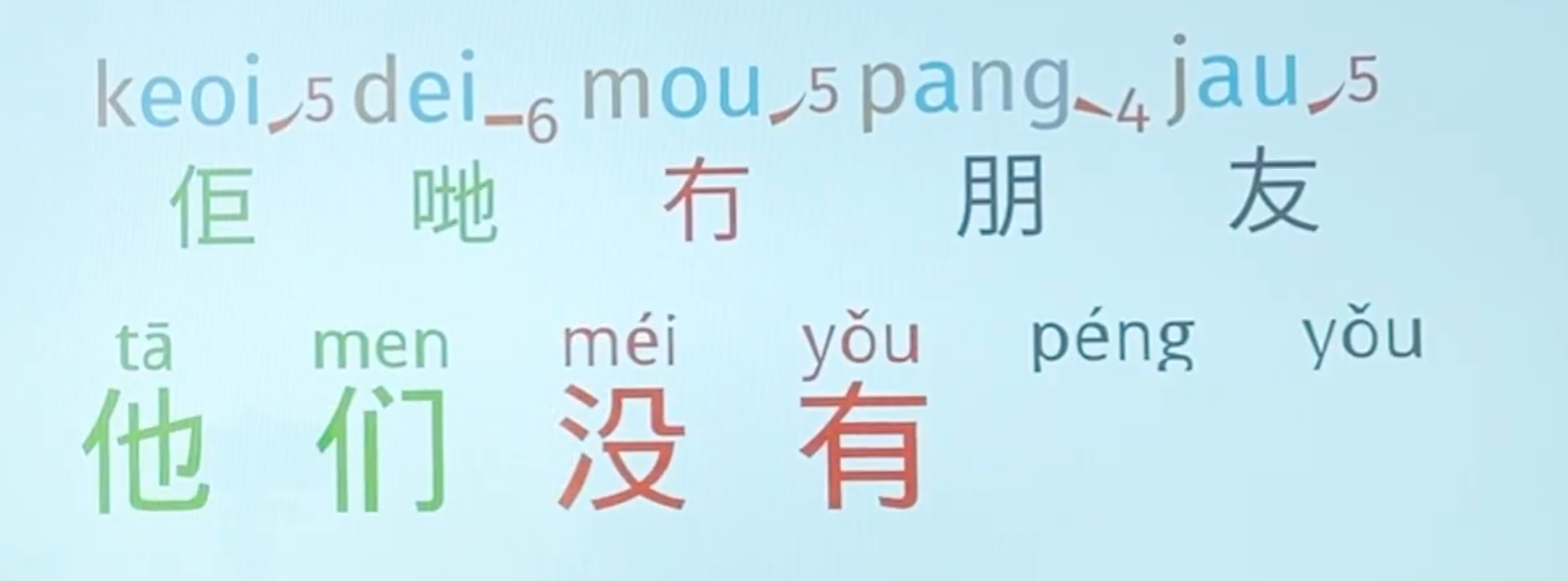
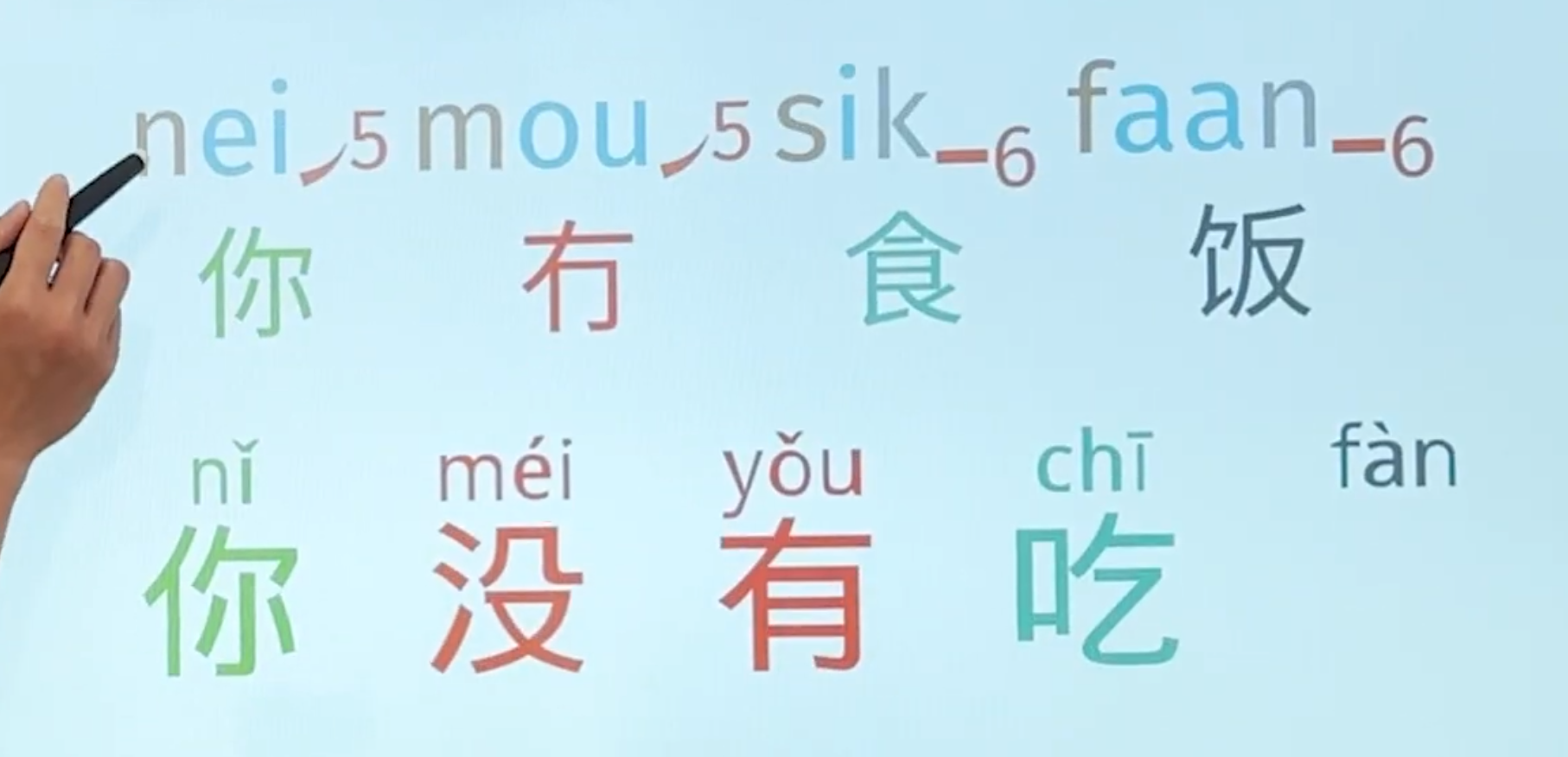
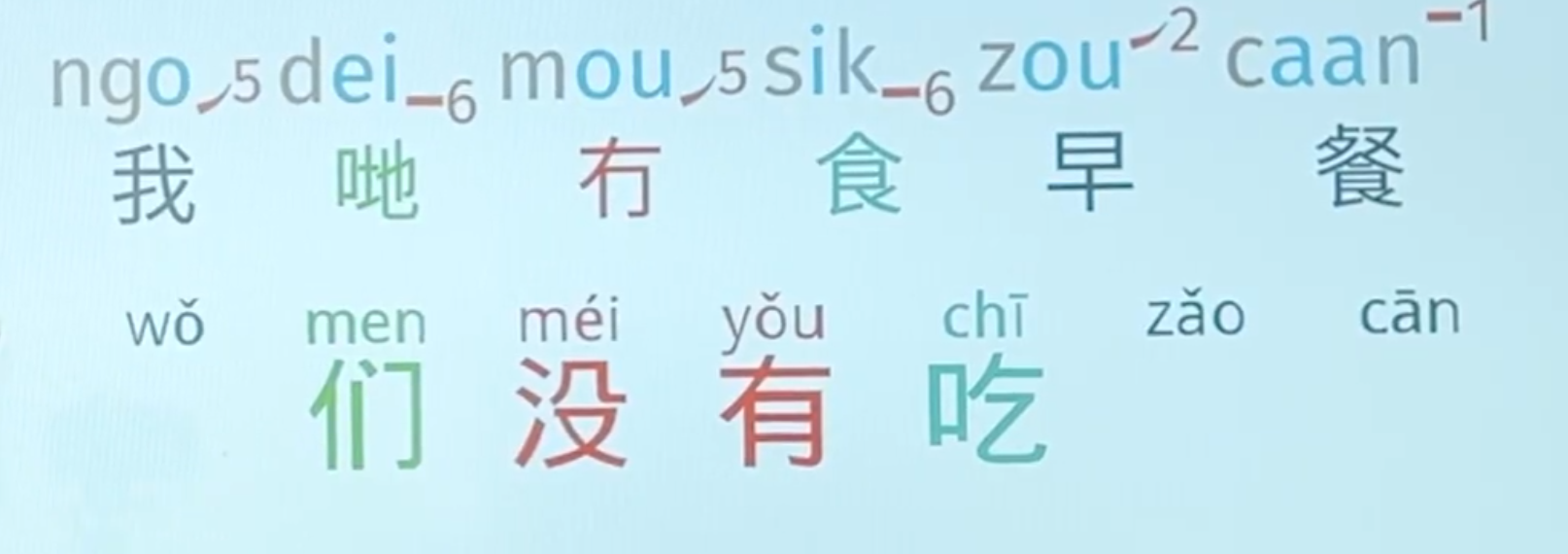
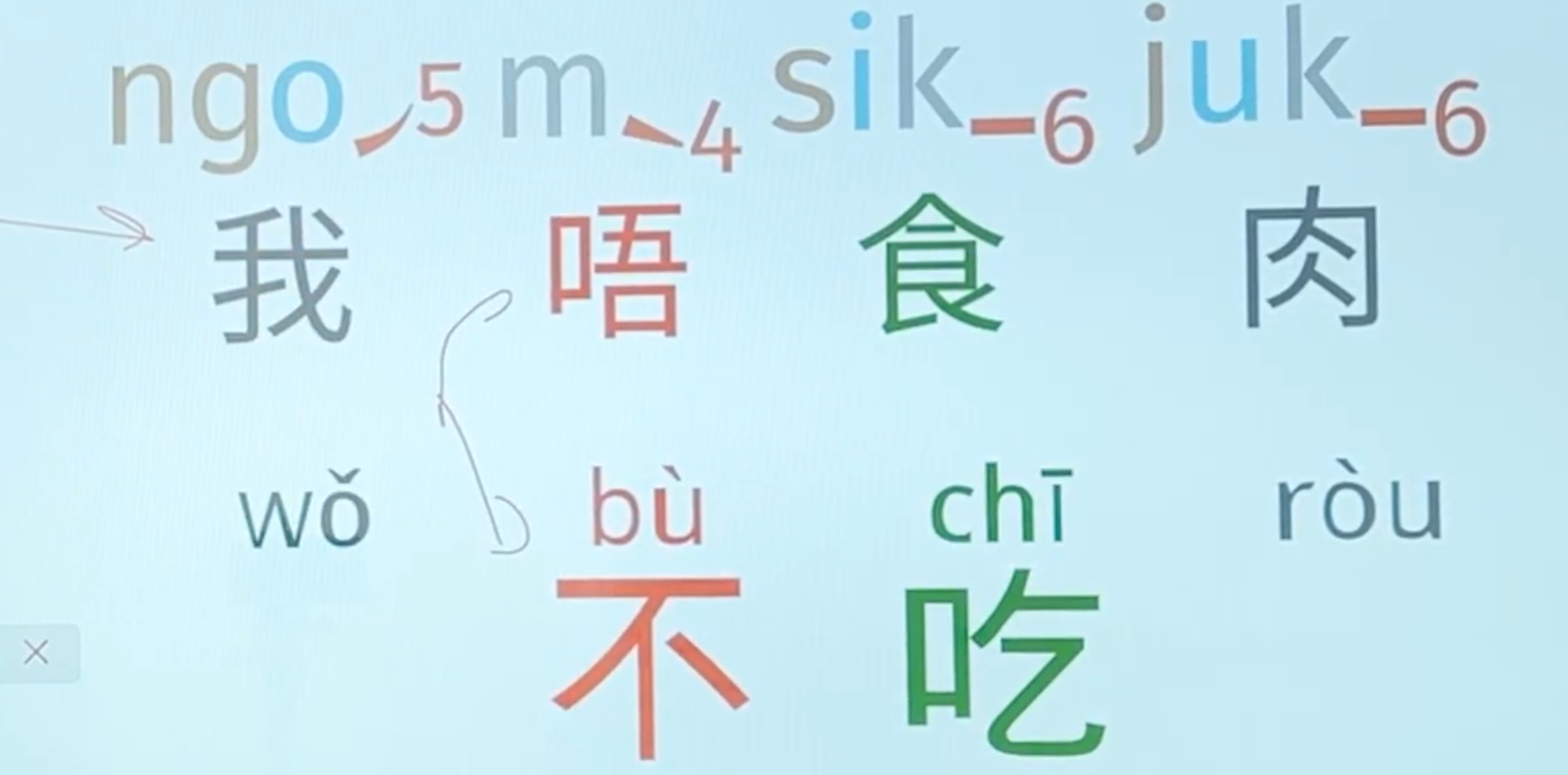
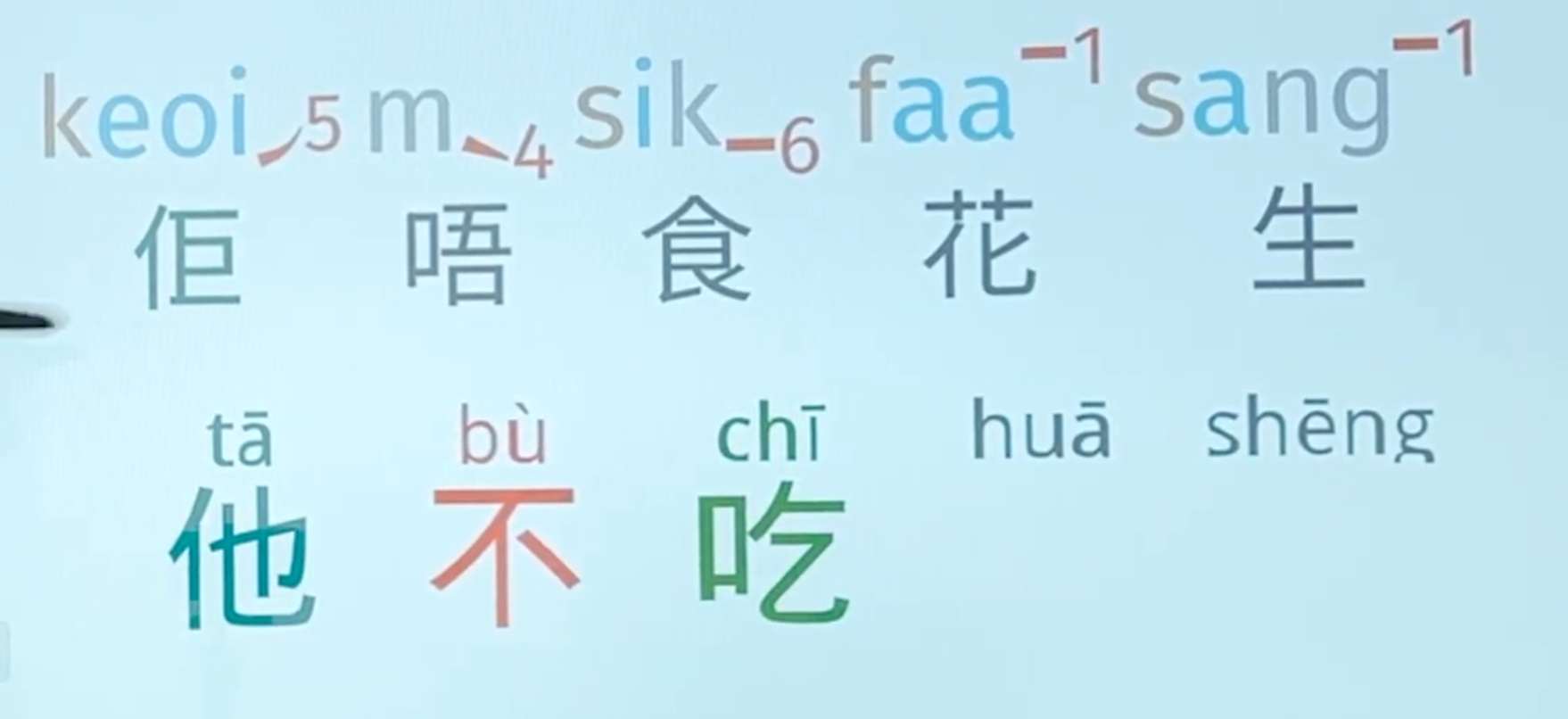
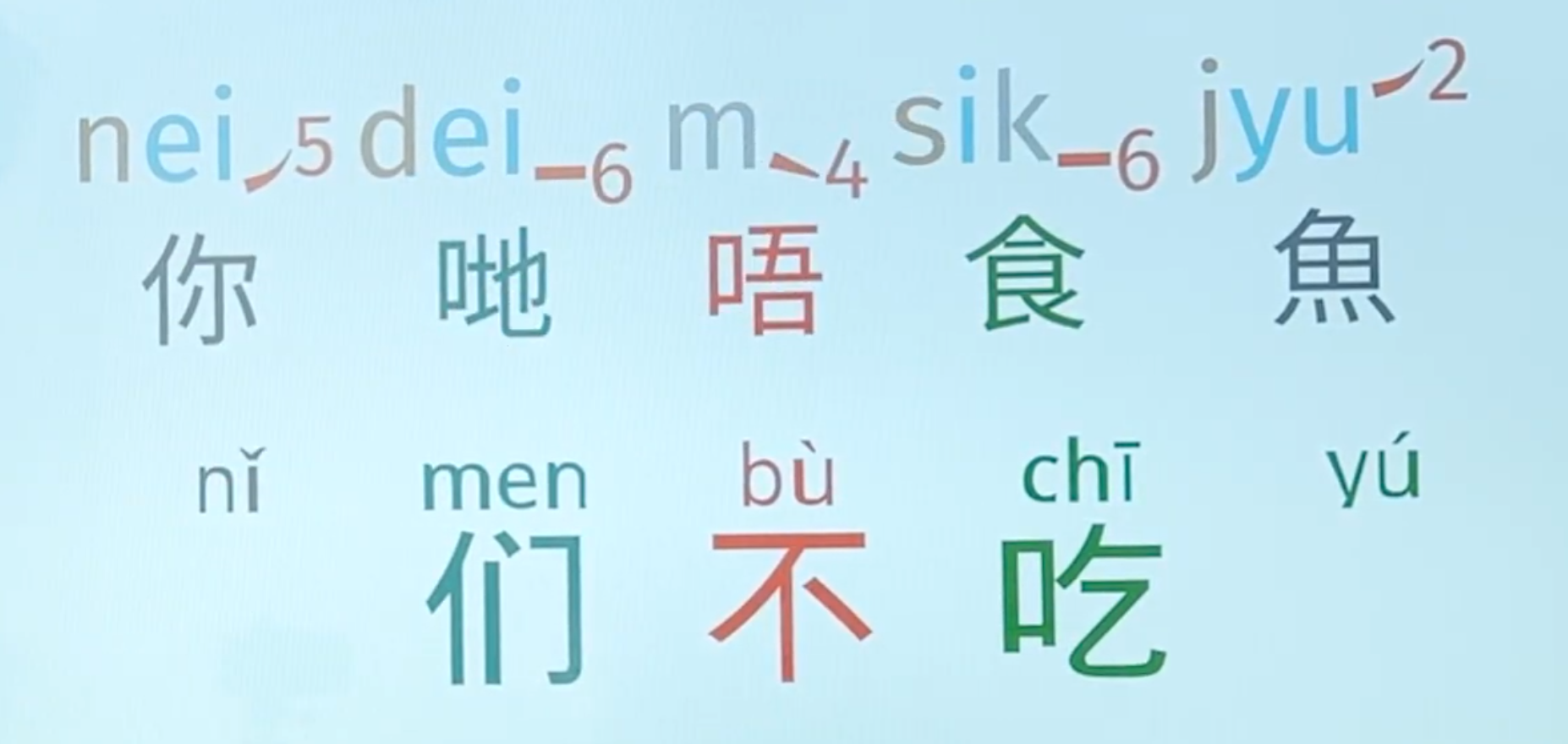
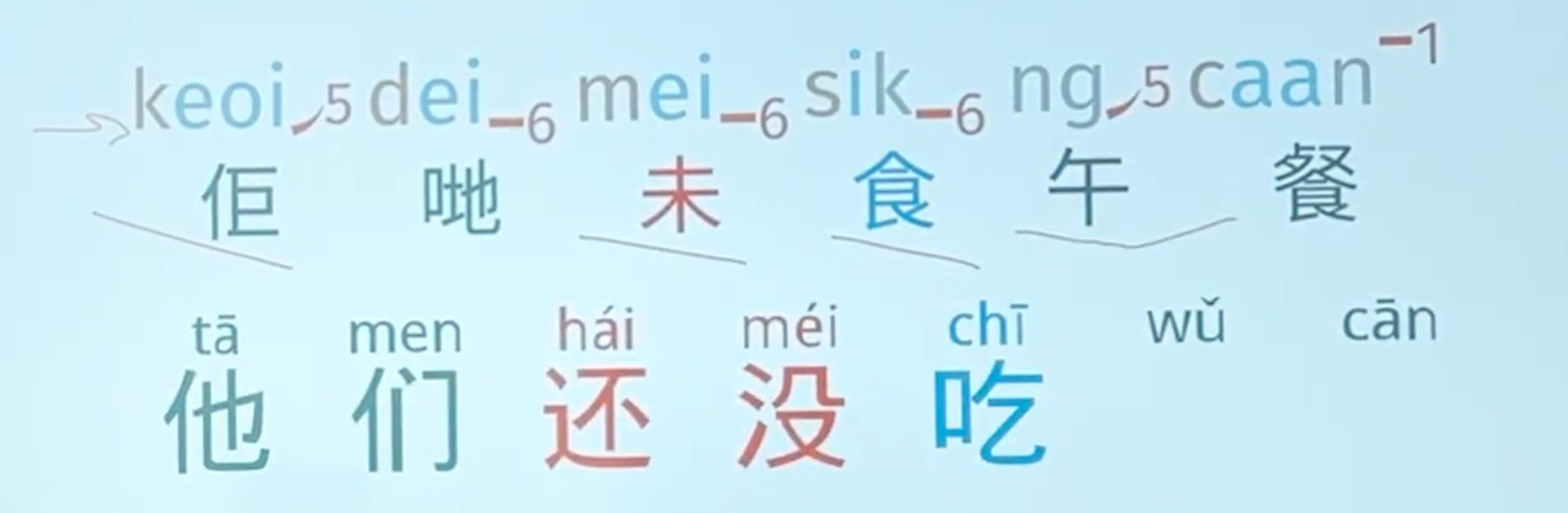
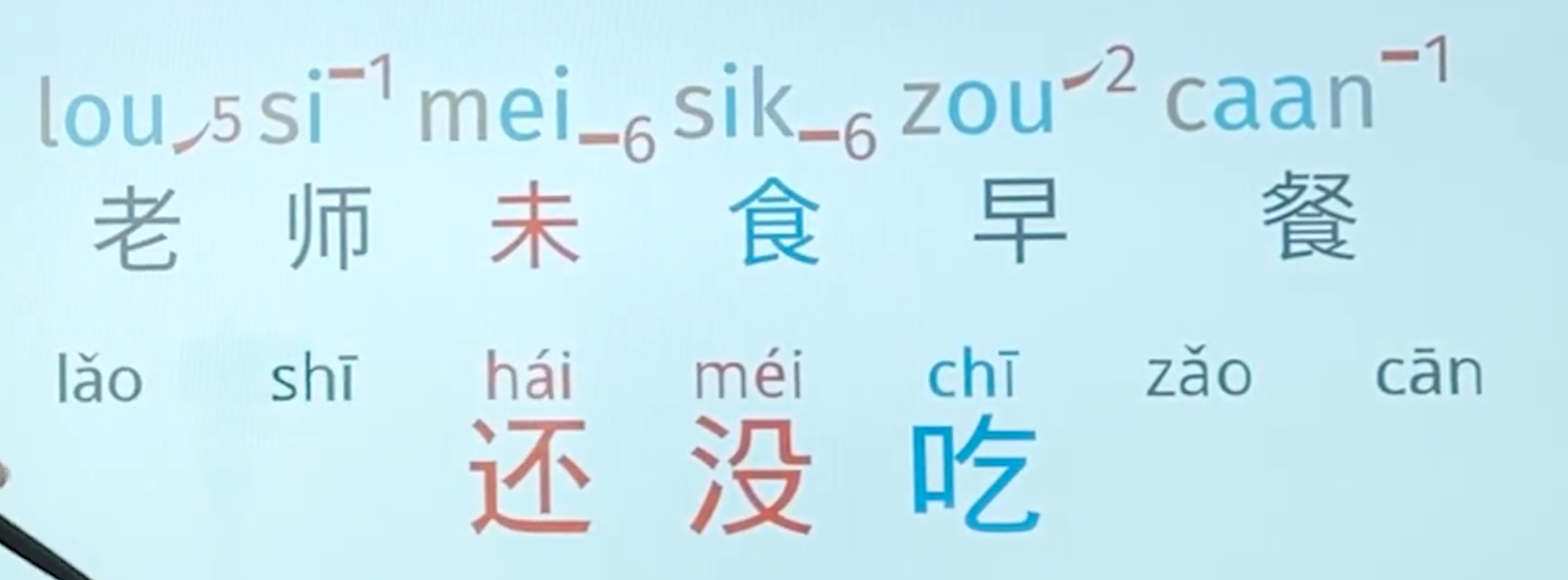
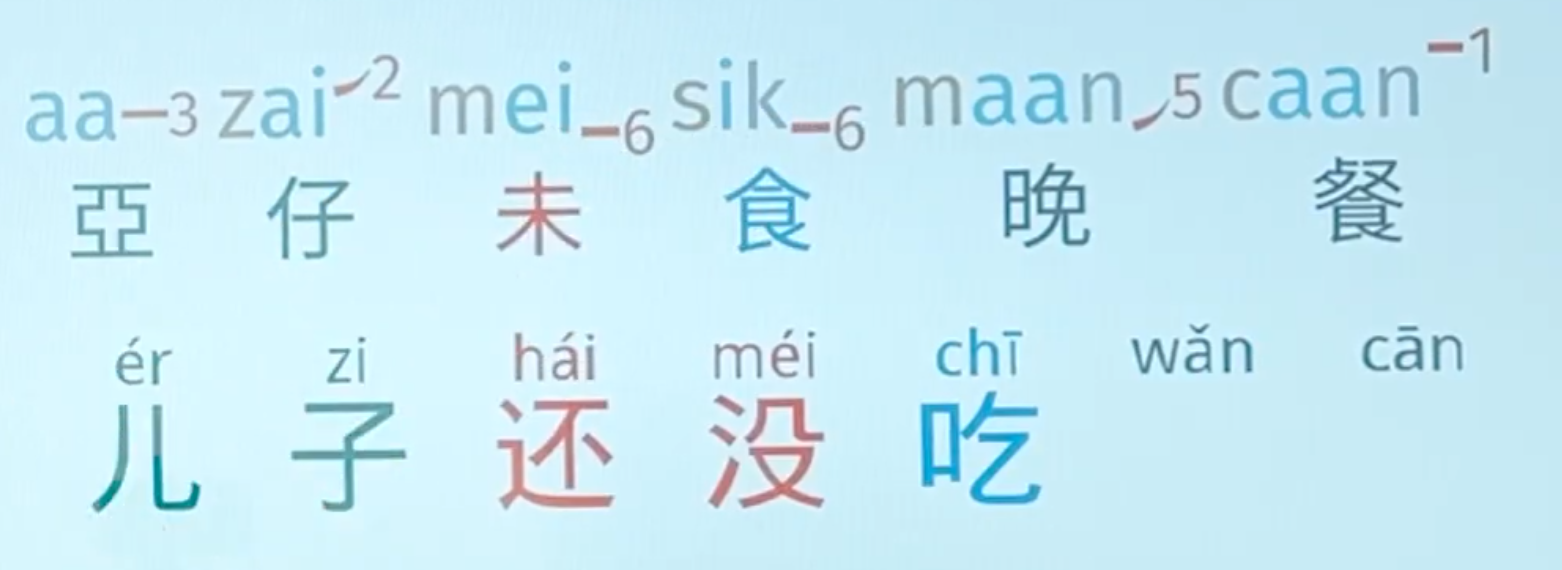
Tone mappings
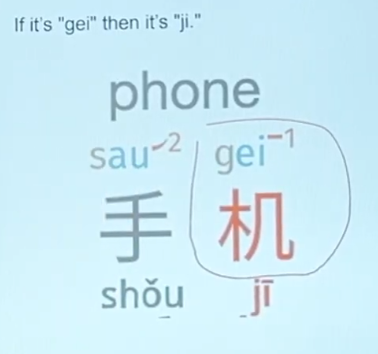
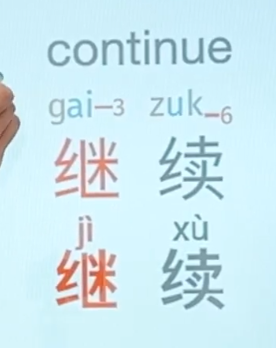
- Over 90% of the time, theres this mapping
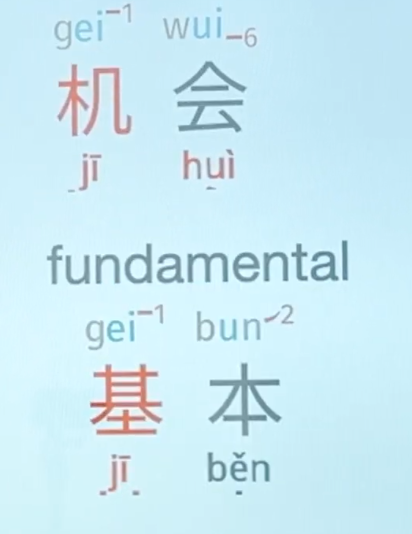
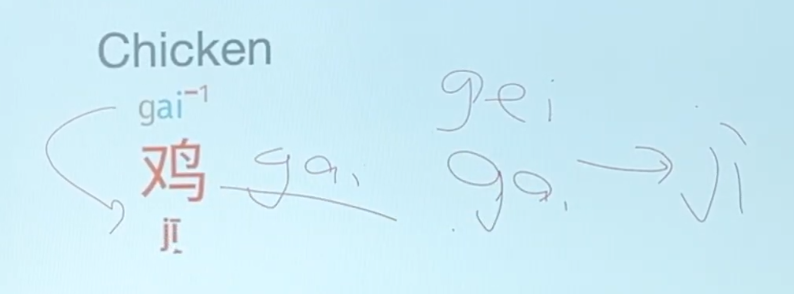
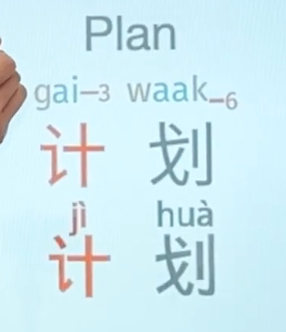
 !
!
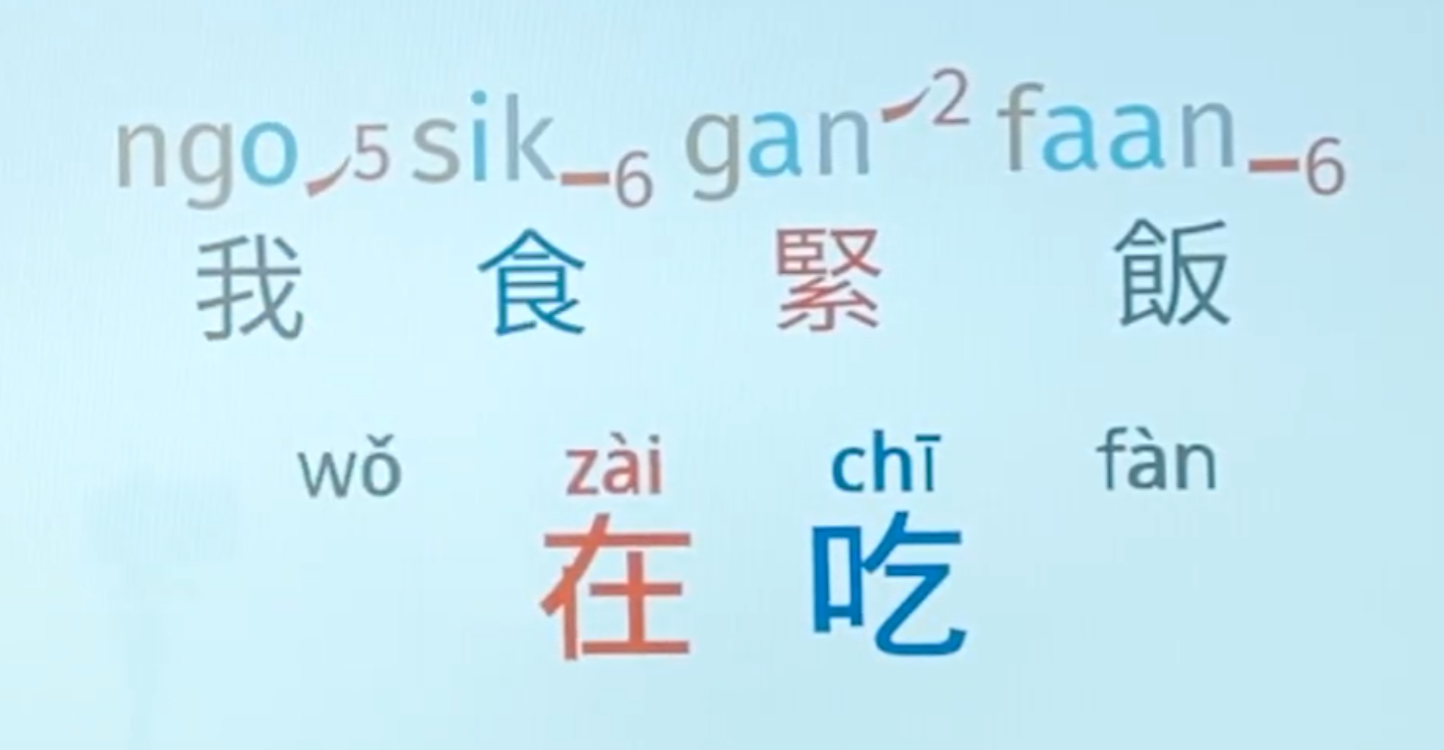
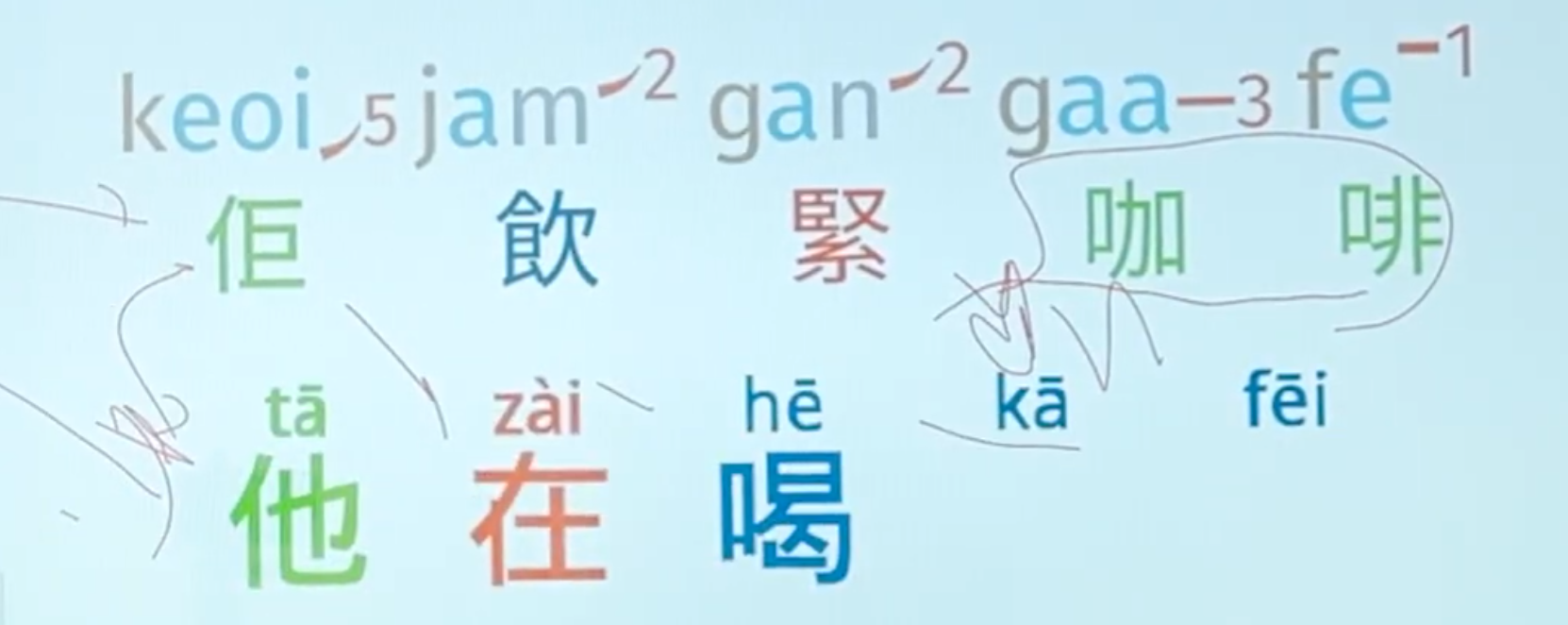
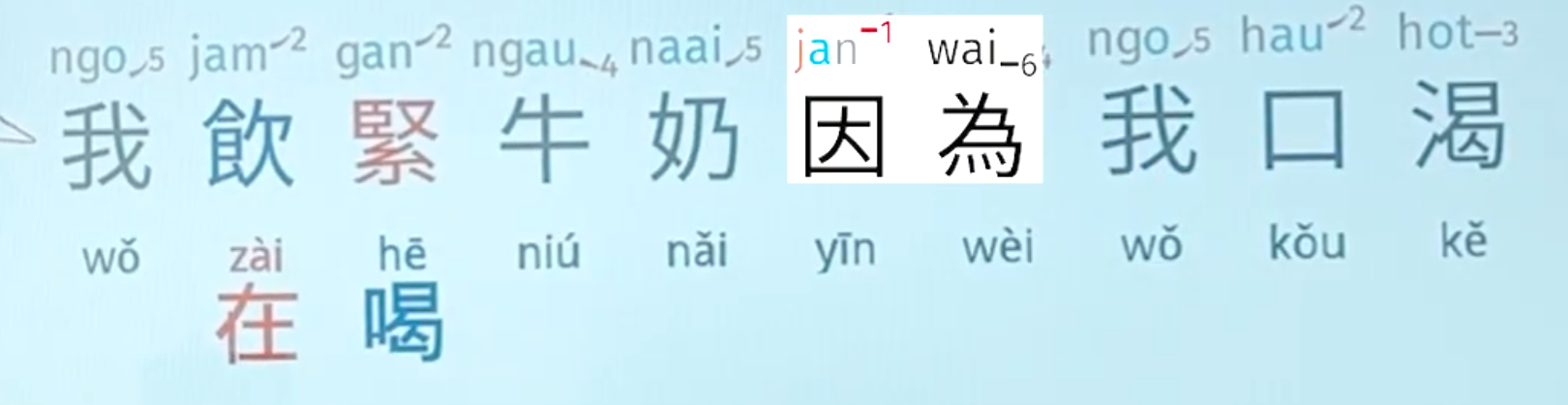
All these mappings do the same:
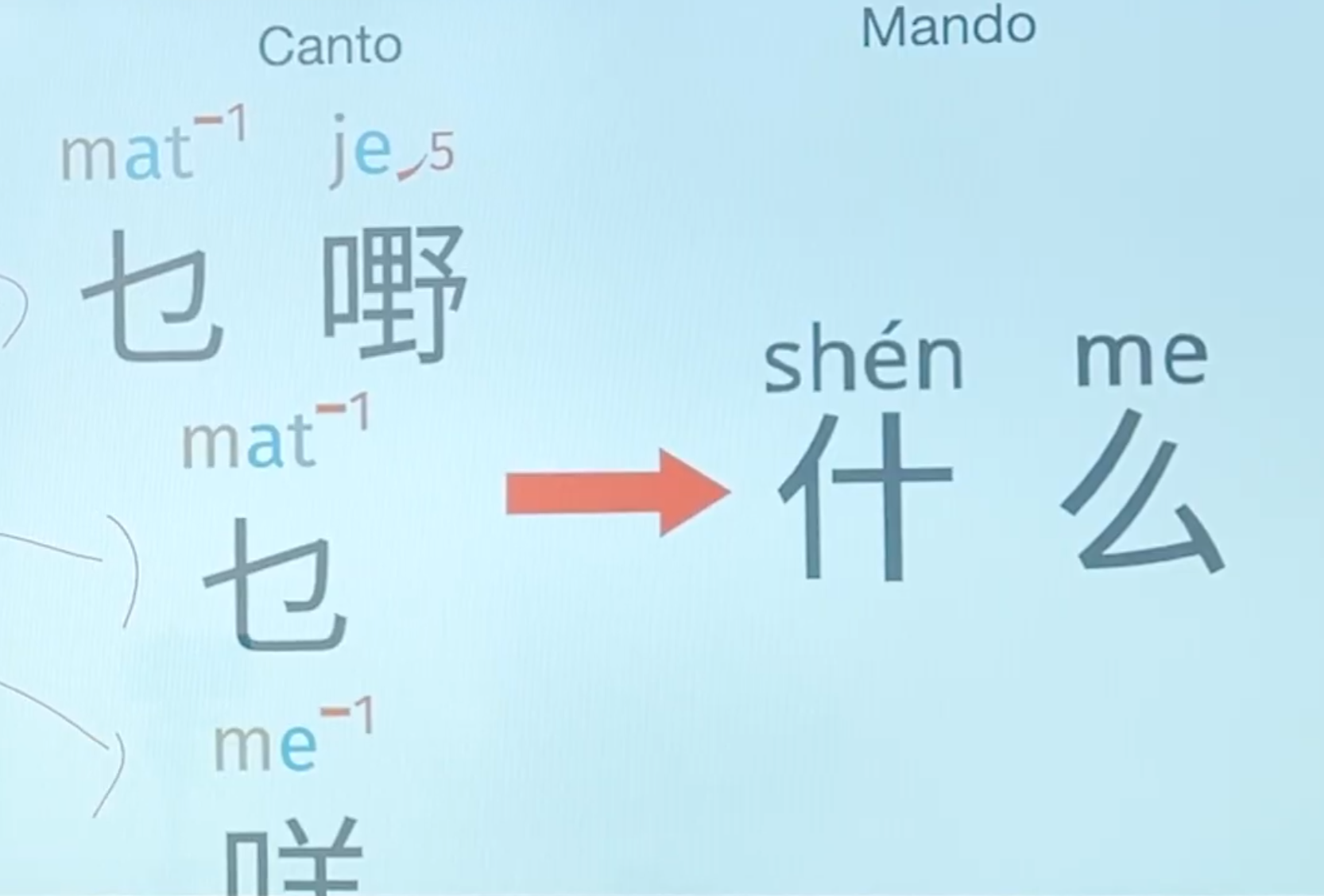
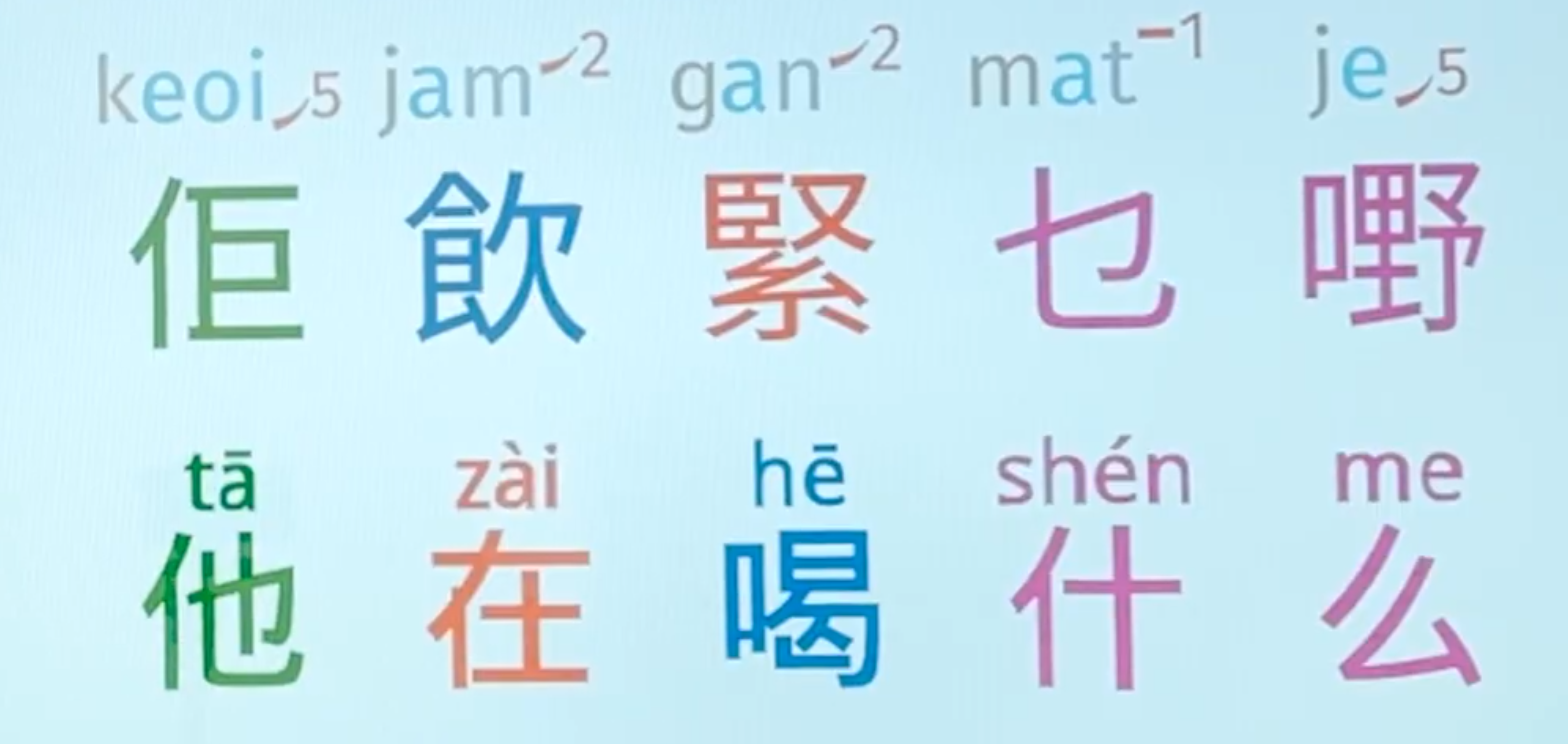
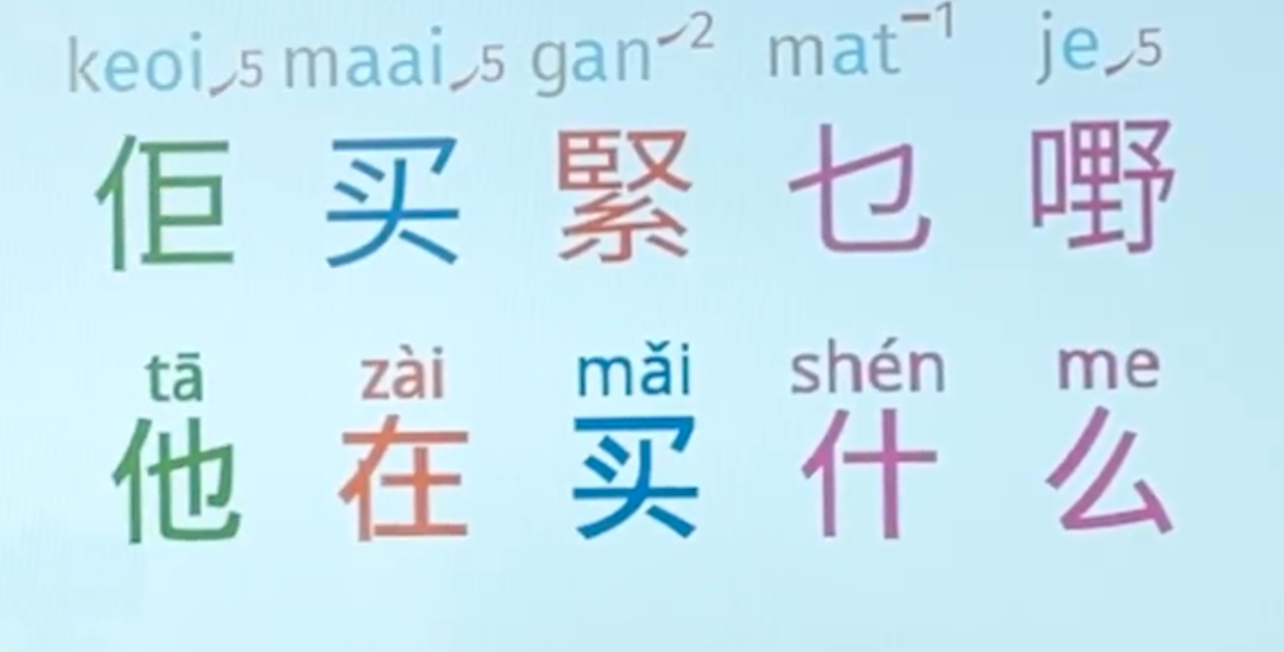
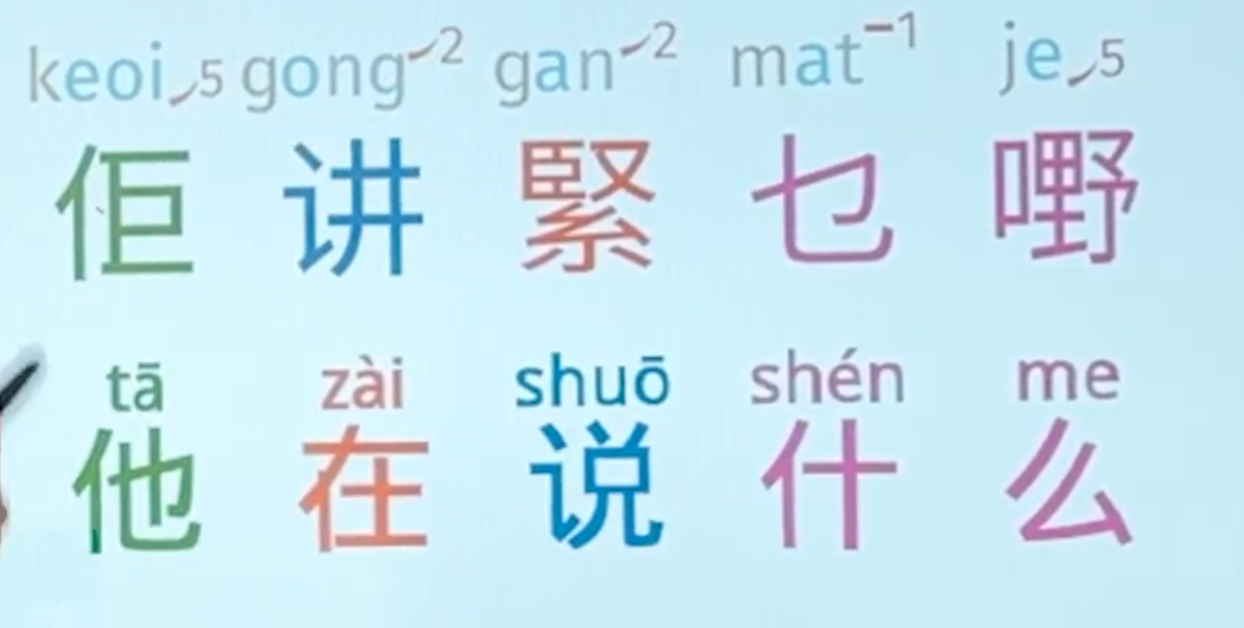
- Notice it’s mat, not me? actually me ye also works
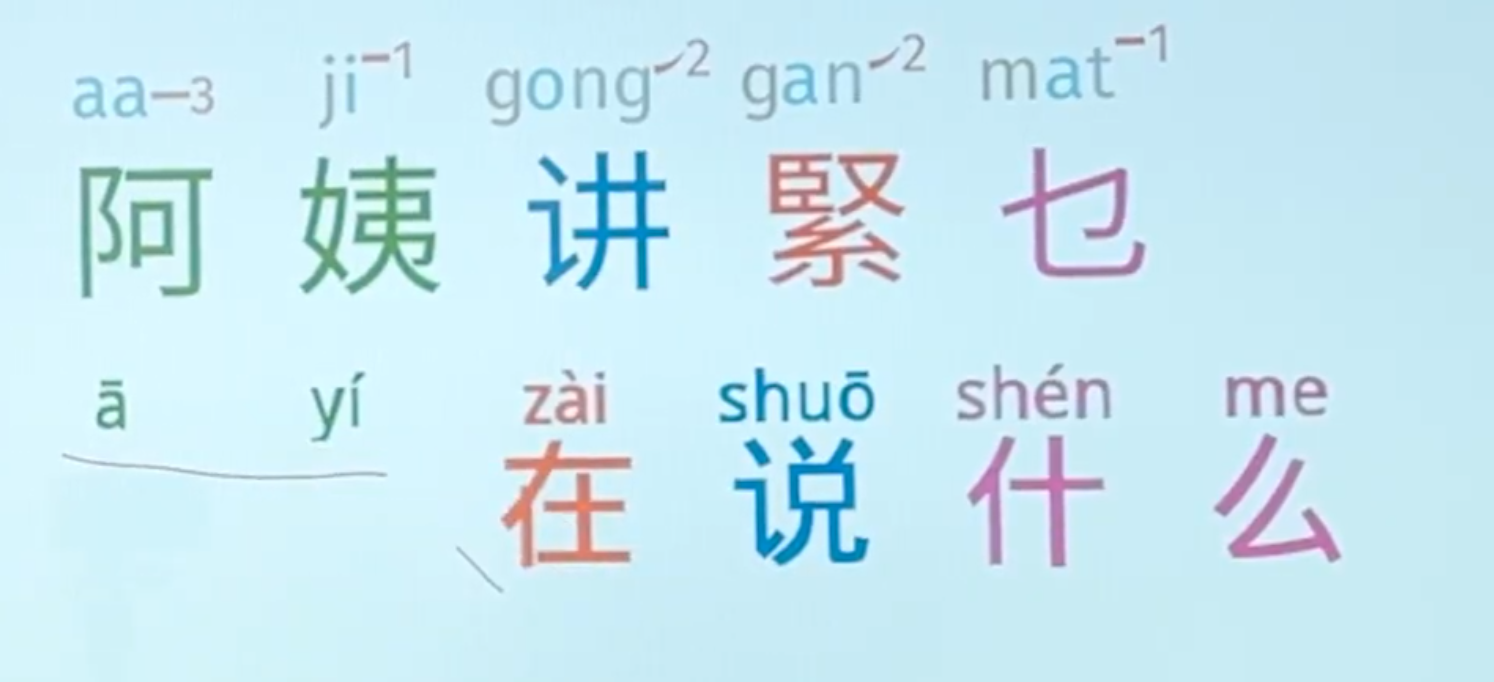
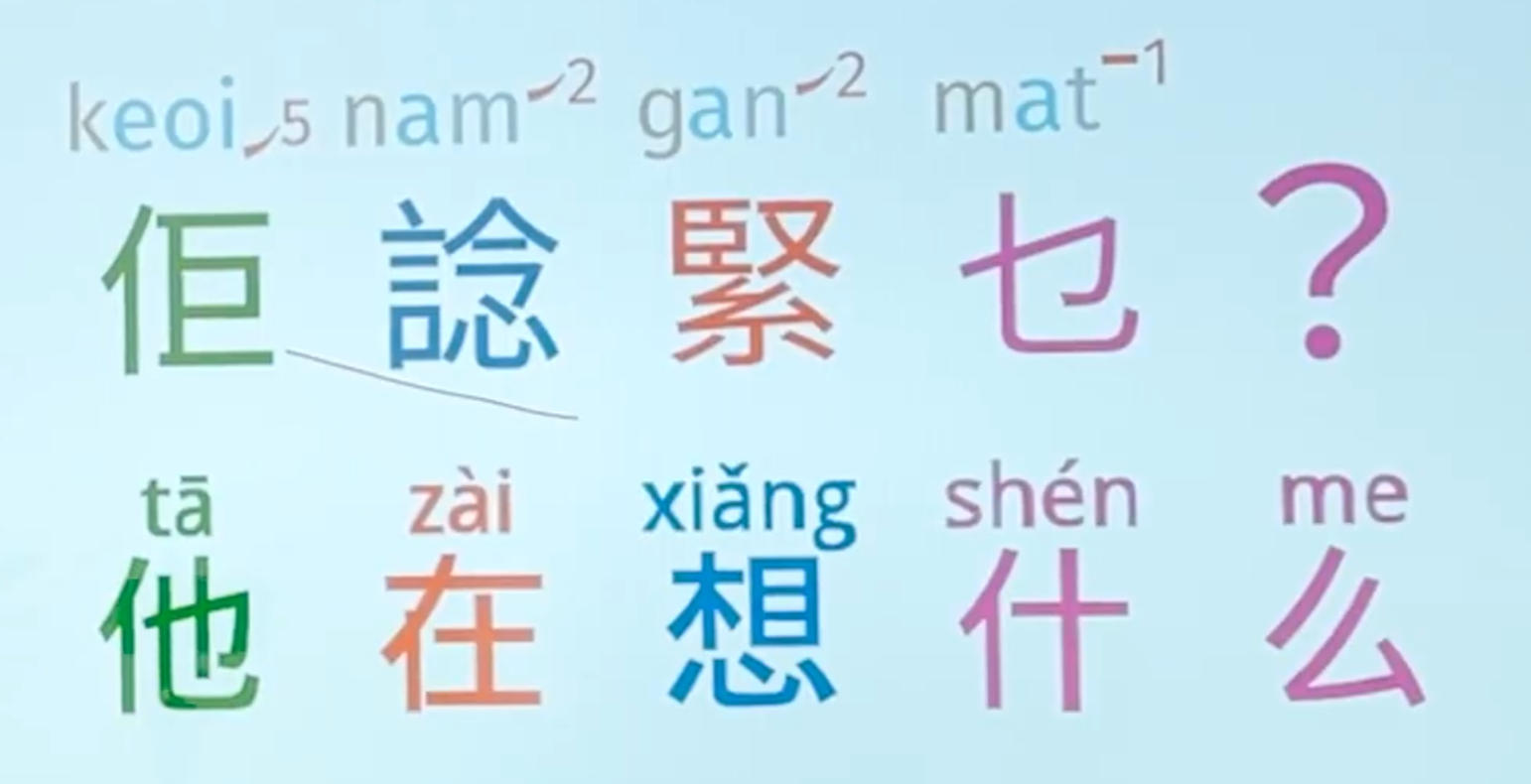
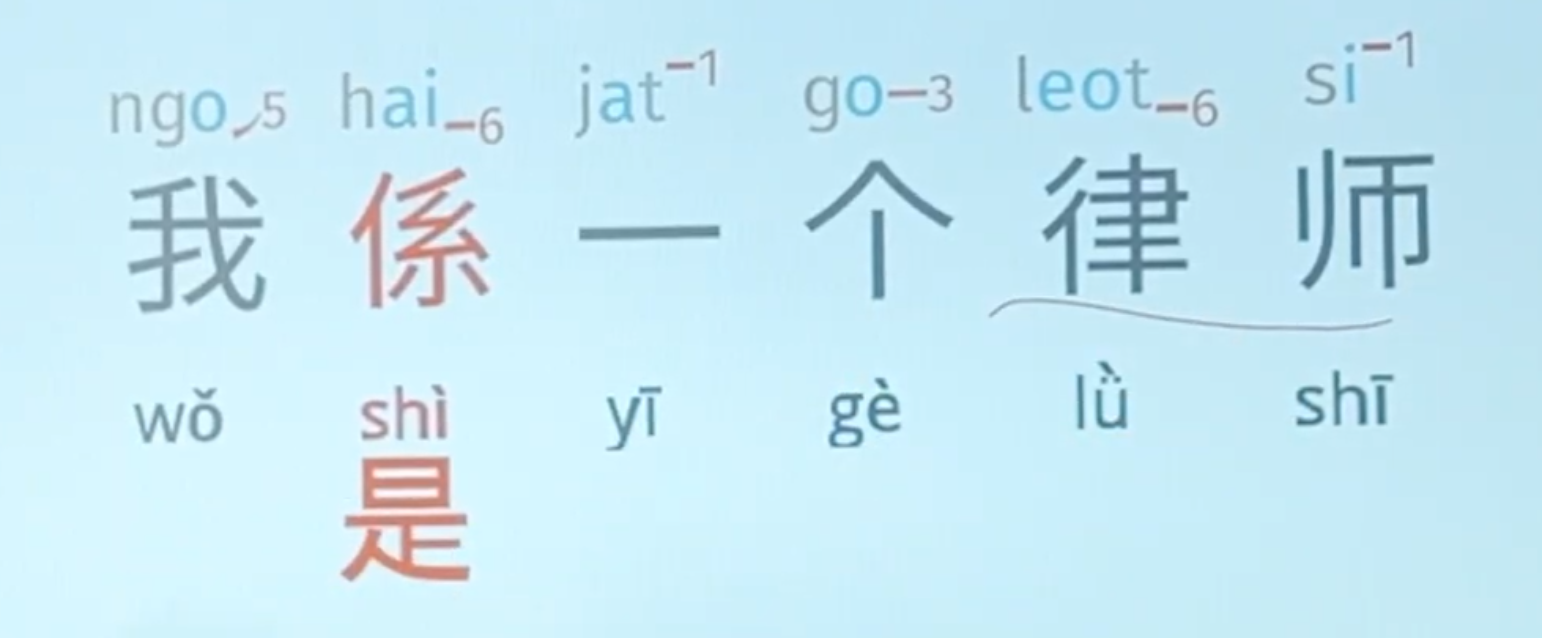
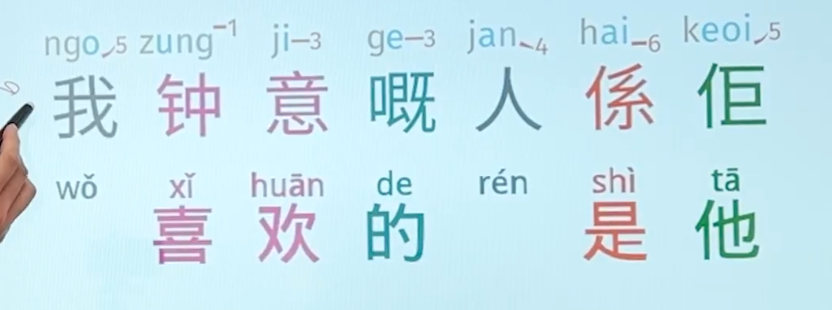
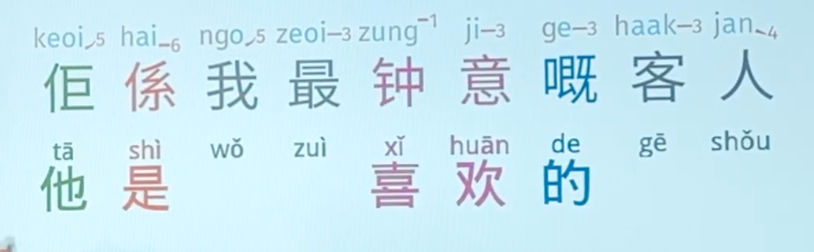
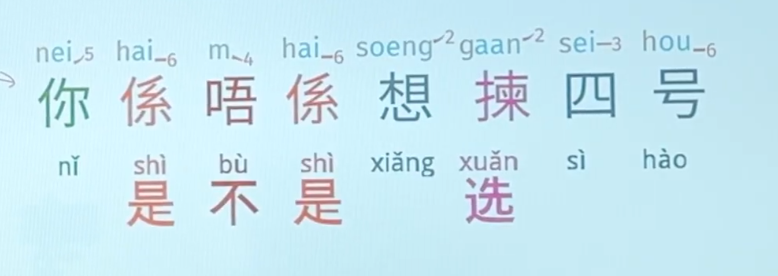
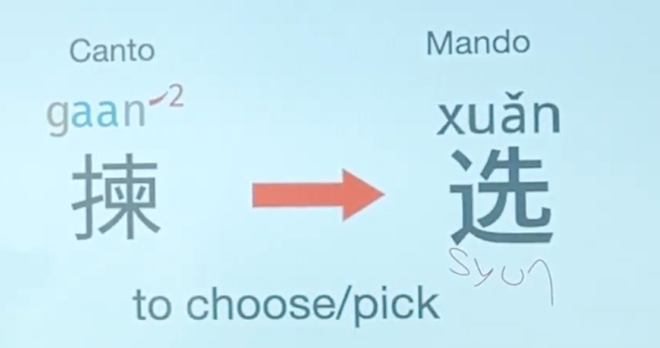
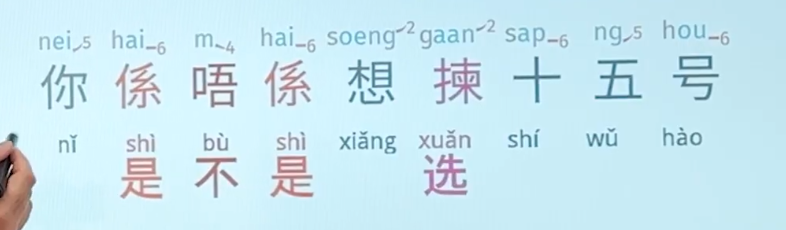
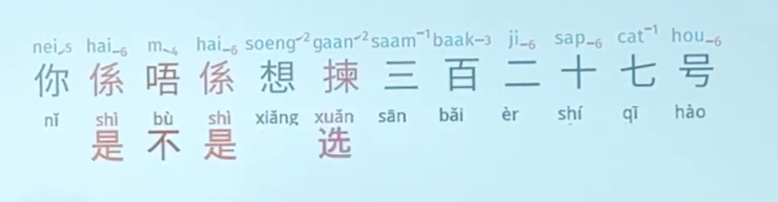
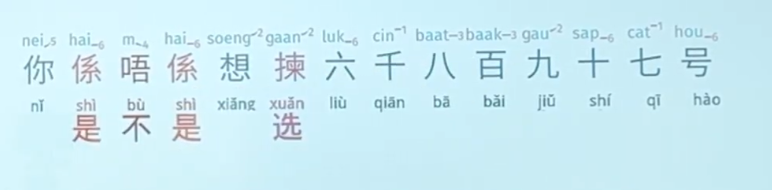
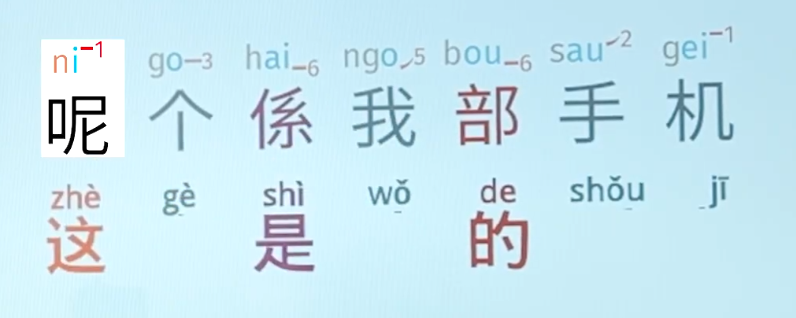
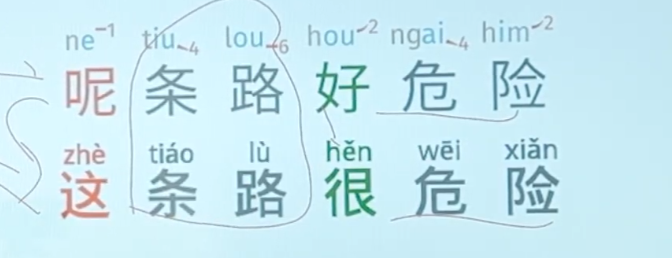
- ni
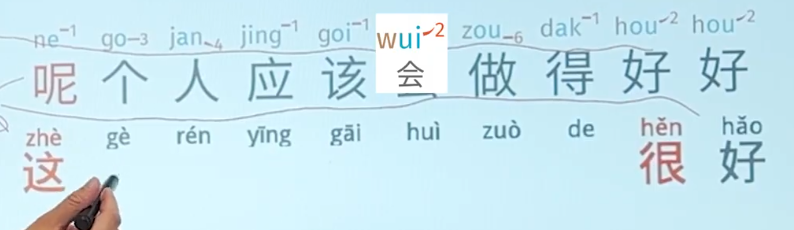
- ni
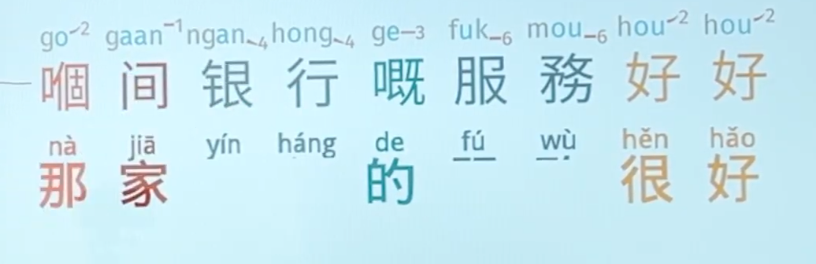
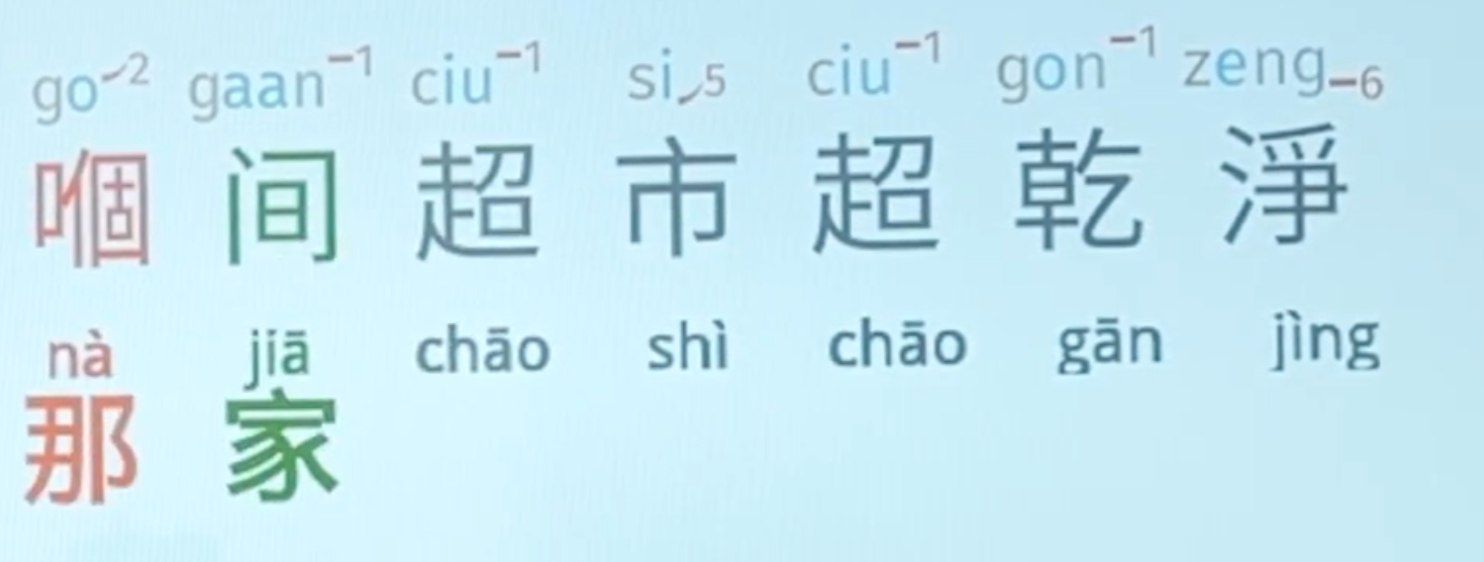
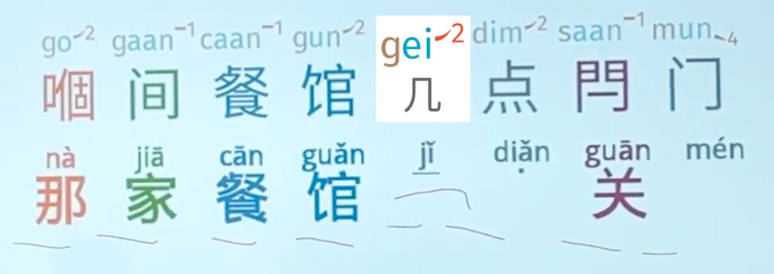
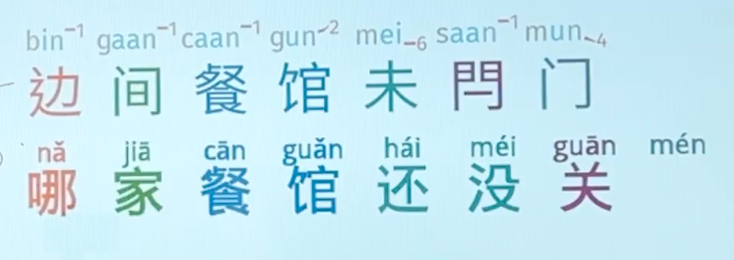
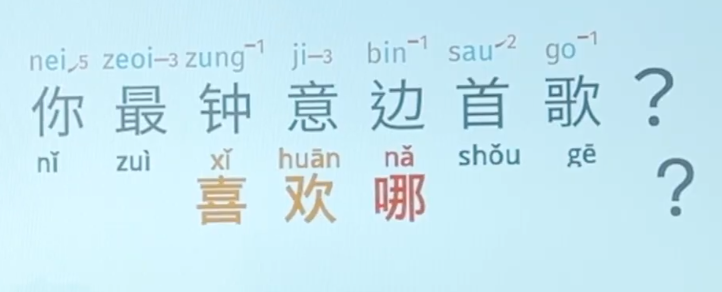
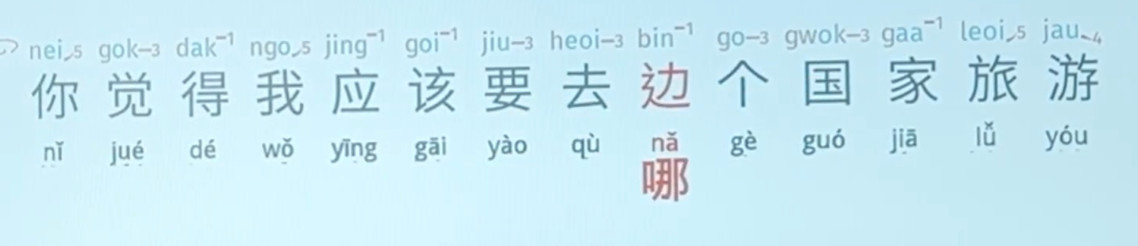
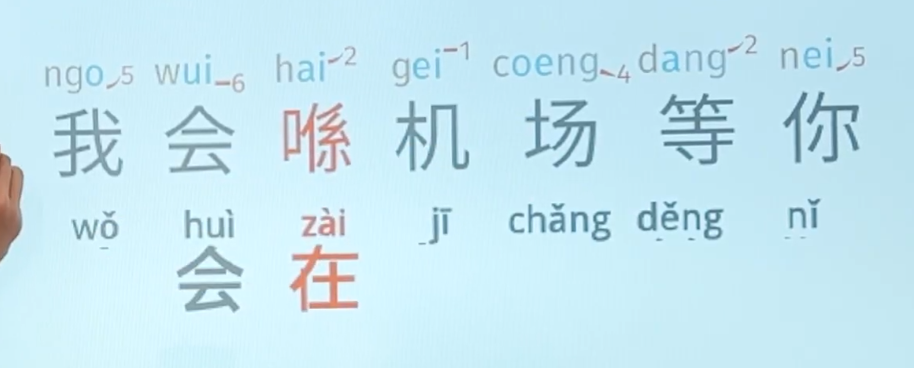
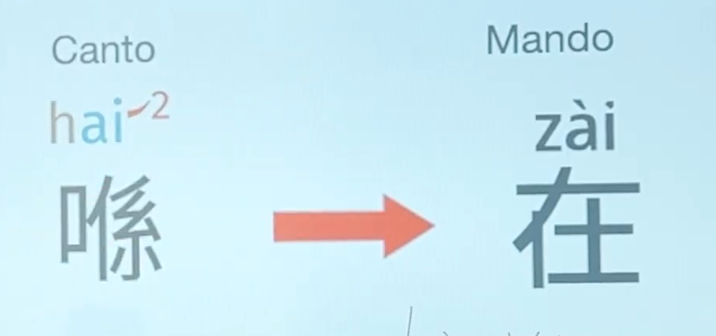
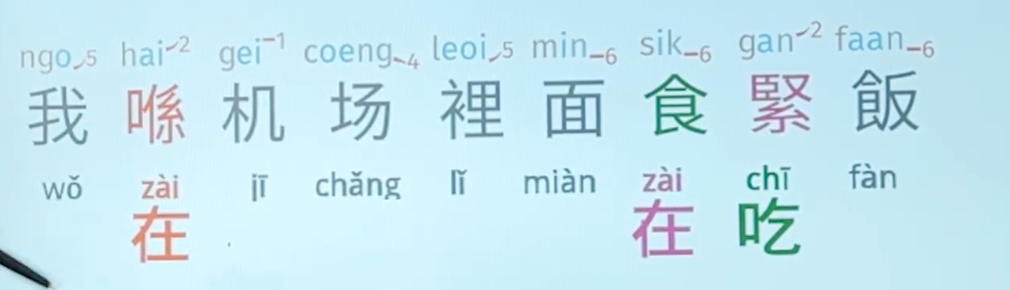
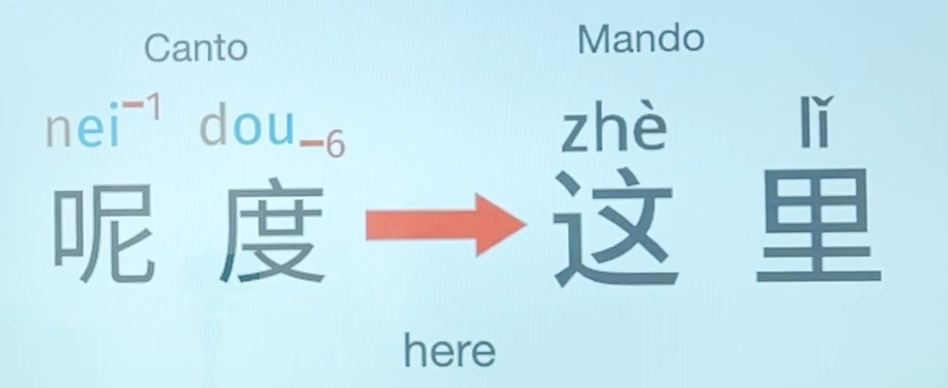
- ni dou
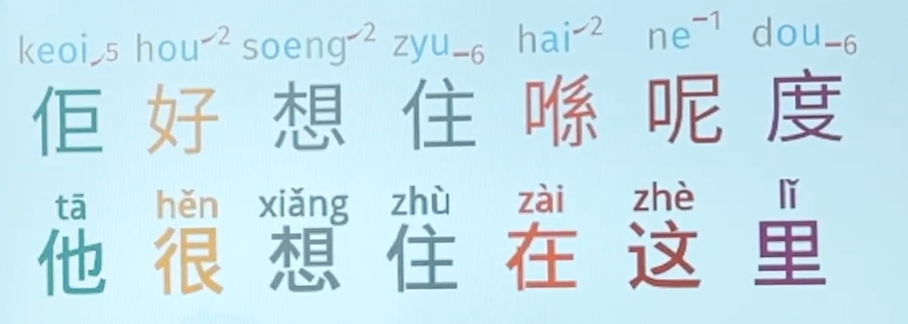
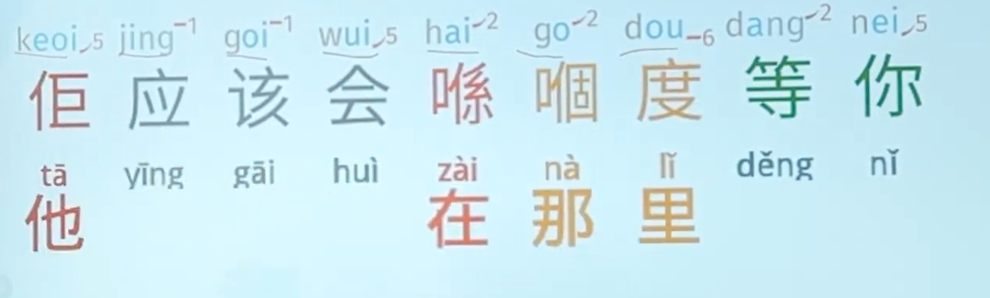
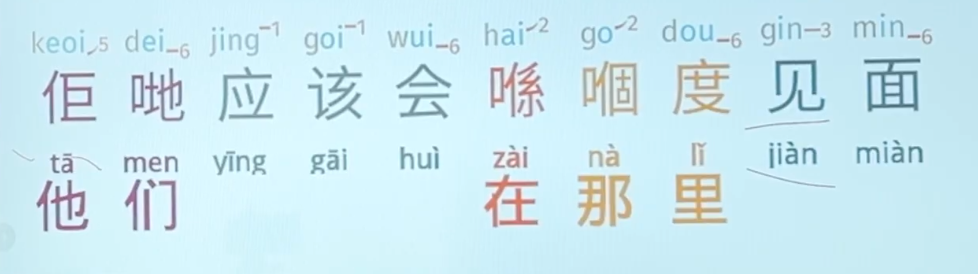
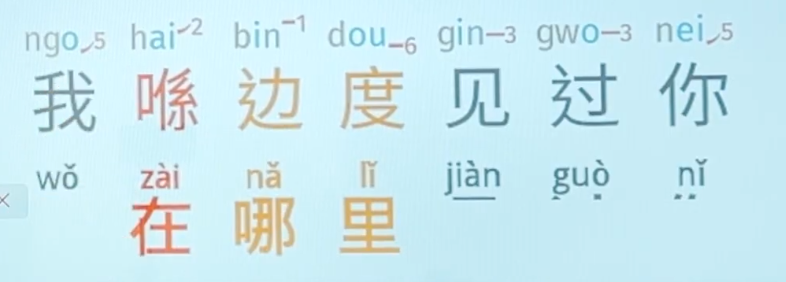
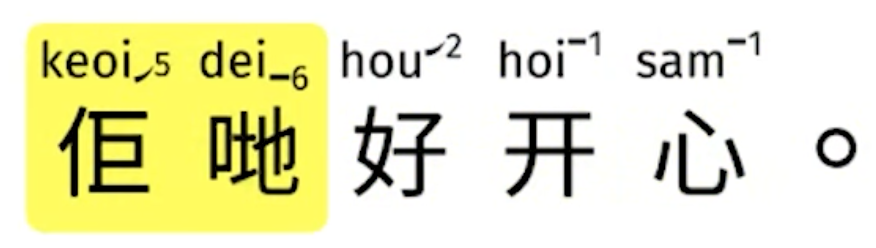
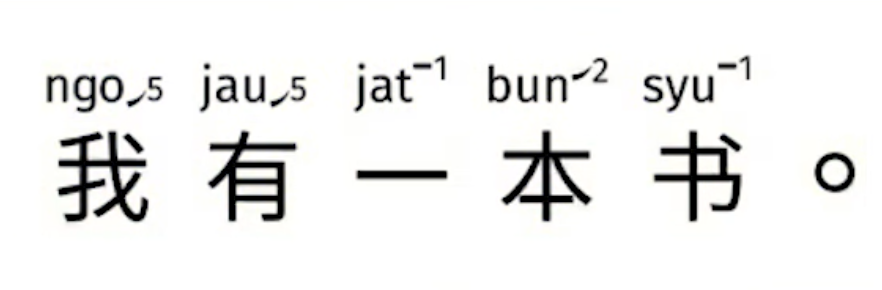
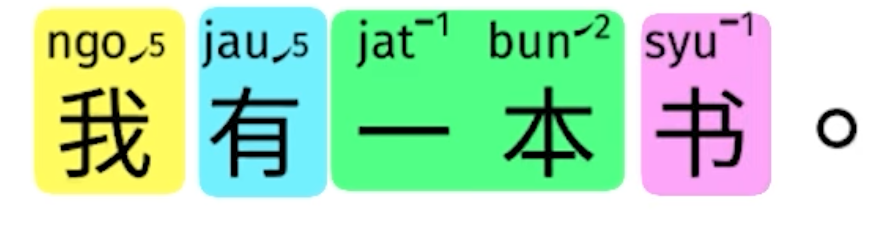
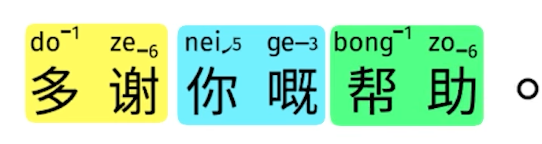
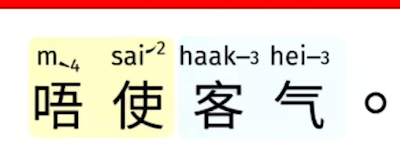
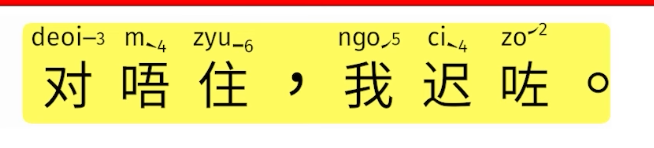
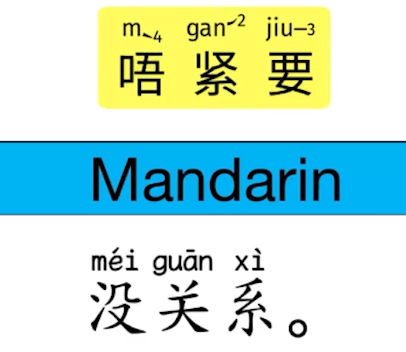
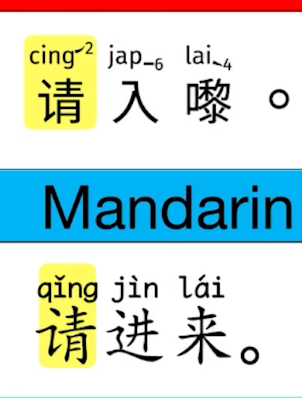
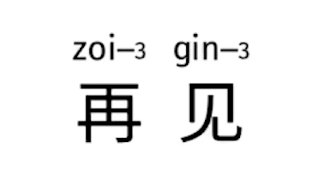
 !
!