Japanese
Personal notes consolidated from JapanesePod101 Introduction Level 1, Absolute Beginner Level 2 Vol 1, Basic Bootcamp / Newbie Season 1 Vol 1, Newbie Season 2 Vol 1, Newbie Season 3 Vol 1, and Newbie Season 4 / Beginner Season 2 Vol 1, plus extra vocab. Grouped by concept instead of lesson order.
Resources:
JapanesePod101 audiobook PDFs (source material):
- Basic Bootcamp / Newbie Season 1 Vol 1 (lessons 1-5 + All About): https://products.innovativelanguage.com/books/findaway_PDFs/Japanese/japanese_1_1_audiobook.pdf
- Newbie Season 2 Vol 1 (lessons 1-25): https://products.innovativelanguage.com/books/findaway_PDFs/Japanese/japanese_2_1_audiobook.pdf
- Newbie Season 3 Vol 1 (lessons 26-50): https://products.innovativelanguage.com/books/findaway_PDFs/Japanese/japanese_3_1_audiobook.pdf
- Newbie Season 4 / Beginner Season 2 Vol 1 (lessons 1-56): https://products.innovativelanguage.com/books/findaway_PDFs/Japanese/japanese_4_1_audiobook.pdf
Alphabets:
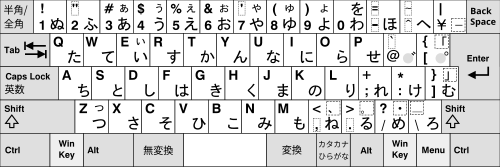
Writing System
Japanese uses four writing systems simultaneously:
| System | What it is | When it’s used | Example |
|---|---|---|---|
| ひらがな Hiragana | Phonetic, 46 characters | Native Japanese words, grammar particles, verb endings | たべます (tabemasu) |
| カタカナ Katakana | Phonetic, 46 characters | Foreign/borrowed words, emphasis, onomatopoeia | アメリカ (Amerika) |
| 漢字 Kanji | Chinese characters | Content words - nouns, verb/adjective stems | 食べます (tabemasu) |
| Romaji | Latin alphabet | Transliteration for learners, signs | tabemasu |
Hiragana and Katakana each represent the same set of sounds - they’re two alphabets for the same phonetics. Kanji characters carry meaning and can have multiple readings. In practice, a typical Japanese sentence mixes all three scripts (hiragana, katakana, kanji).
Pronunciation
The 46 Basic Hiragana Sounds
5 vowels form the foundation. Every Japanese syllable ends in a vowel (except ん/n).
| a | i | u | e | o | |
|---|---|---|---|---|---|
| vowel | あ a | い i | う u | え e | お o |
| k | か ka | き ki | く ku | け ke | こ ko |
| s | さ sa | し shi | す su | せ se | そ so |
| t | た ta | ち chi | つ tsu | て te | と to |
| n | な na | に ni | ぬ nu | ね ne | の no |
| h | は ha | ひ hi | ふ fu | へ he | ほ ho |
| m | ま ma | み mi | む mu | め me | も mo |
| y | や ya | ゆ yu | よ yo | ||
| r | ら ra | り ri | る ru | れ re | ろ ro |
| w | わ wa | を wo | |||
| ん n |
Pronunciation Tips
- The Japanese r sounds like a light “d” - a single tap of the tongue on the roof of the mouth
- ふ (fu) is between English “f” and “h” - blow air through both lips, not teeth on lip
- Vowels う (u) and い (i) are sometimes devoiced (whispered/silent) between voiceless consonants. E.g. すき (suki) sounds closer to “ski”, です (desu) sounds closer to “des”
- し is “shi” not “si”, ち is “chi” not “ti”, つ is “tsu” not “tu”
Particle Pronunciation Exceptions
Important!
When は is used as a particle (topic marker), it is pronounced wa, not “ha.” When へ is used as a particle (direction marker), it is pronounced e, not “he.”
- 私は日本人です。→ Watashi wa nihonjin desu. (NOT “ha”)
- 東京へ行きます。→ Tōkyō e ikimasu. (NOT “he”)
Voiced Sounds (Dakuten 濁点)
Adding ゛(tenten/dakuten) or ゜(maru/handakuten) to base characters creates 23 additional sounds:
| Base → | Voiced (゛) | Base → | Voiced (゜) | |
|---|---|---|---|---|
| か ka → | が ga | は ha → | ば ba | |
| き ki → | ぎ gi | ひ hi → | び bi | |
| く ku → | ぐ gu | ふ fu → | ぶ bu | |
| け ke → | げ ge | へ he → | べ be | |
| こ ko → | ご go | ほ ho → | ぼ bo | |
| さ sa → | ざ za | は ha → | ぱ pa (゜) | |
| し shi → | じ ji | ひ hi → | ぴ pi (゜) | |
| す su → | ず zu | ふ fu → | ぷ pu (゜) | |
| せ se → | ぜ ze | へ he → | ぺ pe (゜) | |
| そ so → | ぞ zo | ほ ho → | ぽ po (゜) | |
| た ta → | だ da | |||
| ち chi → | ぢ ji | |||
| つ tsu → | づ zu | |||
| て te → | で de | |||
| と to → | ど do |
Combination Sounds (Yōon 拗音)
Add a small や (ya), ゆ (yu), or よ (yo) after characters in the i-column to create 33 combination sounds:
| ya | yu | yo | |
|---|---|---|---|
| k | きゃ kya | きゅ kyu | きょ kyo |
| s | しゃ sha | しゅ shu | しょ sho |
| t | ちゃ cha | ちゅ chu | ちょ cho |
| n | にゃ nya | にゅ nyu | にょ nyo |
| h | ひゃ hya | ひゅ hyu | ひょ hyo |
| m | みゃ mya | みゅ myu | みょ myo |
| r | りゃ rya | りゅ ryu | りょ ryo |
| g | ぎゃ gya | ぎゅ gyu | ぎょ gyo |
| j | じゃ ja | じゅ ju | じょ jo |
| b | びゃ bya | びゅ byu | びょ byo |
| p | ぴゃ pya | ぴゅ pyu | ぴょ pyo |
New Katakana-Only Sounds
These only exist in katakana, used for foreign words:
| Kana | Romaji | Example |
|---|---|---|
| ファ フィ フェ フォ | fa fi fe fo | ファッション (fashion) |
| ヴァ ヴィ ヴ ヴェ ヴォ | va vi vu ve vo | ヴァイオリン (violin) |
| ティ トゥ | ti tu | パーティー (party) |
| ディ ドゥ | di du | ディスコ (disco) |
Double Consonants (Sokuon 促音)
A small っ (tsu) before a consonant doubles it, creating a brief pause. This changes meaning!
| Word | Romaji | Meaning |
|---|---|---|
| きて | kite | come |
| きって | kitte | stamp |
| かこ | kako | past |
| かっこ | kakko | parentheses |
| いた | ita | was |
| いった | itta | went/said |
| もと | moto | origin |
| もっと | motto | more |
| おと | oto | sound |
| おっと | otto | husband |
Long Vowels vs Short Vowels
Vowel length changes meaning. Long vowels are held for roughly twice the duration.
| Short | Meaning | Long | Meaning |
|---|---|---|---|
| おばさん obasan | aunt | おばあさん obaasan | grandmother |
| おじさん ojisan | uncle | おじいさん ojiisan | grandfather |
| ここ koko | here | こうこう kookoo | high school |
| え e | picture | ええ ee | yes |
| ゆき yuki | snow | ゆうき yuuki | courage |
In hiragana, long vowels are written by adding the vowel:
- aa → あ+あ, ii → い+い, uu → う+う, ee → え+い (usually), oo → お+う (usually)
In katakana, long vowels use ー (a dash): ラーメン (rāmen), コーヒー (kōhī)
Sentence Structure
Japanese Word Order: SOV
Japanese follows Subject-Object-Verb order, unlike English (SVO). The verb always comes at the end of the sentence.
- English: I eat sushi. (SVO)
- Japanese: 私は 寿司を 食べます。/ Watashi wa sushi o tabemasu. (SOV)
The Copula です (desu)
です (desu) is equivalent to English “am/is/are.” It comes at the end of the sentence.
Basic pattern: [Topic] は (wa) [complement] です (desu)。
| Pattern | Japanese | Romaji | English |
|---|---|---|---|
| Affirmative | 私はスティーブンです。 | Watashi wa Sutiibun desu. | I am Steven. |
| Negative | 私は先生じゃないです。 | Watashi wa sensei ja nai desu. | I am not a teacher. |
| Question | 東さんですか。 | Higashi-san desu ka? | Are you Mr. Higashi? |
Negation of です has three polite forms, ranked by formality:
| Form | Romaji | Formality |
|---|---|---|
| ではありません | de wa arimasen | Most formal (written/business) |
| じゃありません | ja arimasen | Mid (polite-casual) |
| じゃないです / じゃない | ja nai desu / ja nai | Most casual (still polite) |
All three are polite and acceptable, but use ではありません with elders, in business writing, and in formal speech. Past-tense negation follows the same hierarchy: でしたではありませんでした / じゃありませんでした / じゃなかったです.
でございます — most polite copula
Shop staff and very formal speech use でございます instead of です:
- 33,000円でございます。/ Sanman sanzen en de gozaimasu. / “That’ll be 33,000 yen.” (more formal than 33,000円です) Customers don’t use でございます for themselves — it’s a marker of service-oriented humility/formality.
Topic Omission
When the subject/topic is already clear from context, it can be dropped. This is very common in Japanese. Instead of 私は映画をみます (Watashi wa eiga o mimasu), you can just say 映画をみます (Eiga o mimasu) - “I’ll watch a movie.”
Two Tenses
Japanese only has two tenses: Past and Non-Past (present/future).
- Non-past: です (desu), -ます (-masu)
- Past: でした (deshita), -ました (-mashita)
んです / のです — Explanatory Mood
Adds an “explanation” or “context” wrapper around a statement or question. Used when offering or seeking a reason, background, or context — softens questions (“so what’s going on?”) and statements (“here’s the situation…”). んです is the spoken contraction of のです. Source: Beginner S2 #37, #38, #43.
Formation: attach to the plain form of the predicate.
| Predicate type | Form before んです | Example |
|---|---|---|
| Verb | plain form | 食べるんです / 食べたんです |
| い-adjective | plain form | おもしろいんです |
| な-adjective | stem + な | きれいなんです |
| Noun | noun + な | 学生なんです |
| Japanese | Romaji | English |
|---|---|---|
| どうしたんですか。 | Dōshita n desu ka? | What’s wrong? / What’s going on? (asking for the reason) |
| 面白そうだから、砂漠に行ってみたいんです。 | Omoshirosō da kara, sabaku ni itte mitai n desu. | It’s because it seems interesting that I want to go to the desert. |
| 昔は使っていたのですが、今はほとんど使われていないんです。 | Mukashi wa tsukatte ita no desu ga, ima wa hotondo tsukawarete inai n desu. | We used to use it, but now it’s hardly used (letting you know). |
| 韓国では漢字は使わないのですか。 | Kankoku de wa kanji wa tsukawanai no desu ka? | (So) you don’t use kanji in Korea? (seeking explanation) |
When (not) to add ん
- Without ん = a plain factual statement: “It’s raining.”
- With ん = “and here’s the reason/context behind it”: “It’s raining (which is why I’m late / so let’s stay in / …).”
Overusing it sounds nosy or pushy; omitting it where listeners expect context sounds blunt. Plain casual contraction: のだ → んだ.
Particles
Particles are small words placed after nouns/phrases that indicate their grammatical role. They are the backbone of Japanese grammar.
Particles come AFTER the word
Unlike English prepositions (“from 6:30”), Japanese particles attach to the end of the word they mark:
- ○ 6時半からです。/ Roku-ji han kara desu. / It’s from 6:30.
- × から6時半 (wrong) Same for に, で, へ, を, etc.
は (wa) - Topic Marker
Marks the topic of the sentence - “As for [topic]…”
Written with the hiragana は (ha) but pronounced “wa” when used as a particle.
| Japanese | Romaji | English |
|---|---|---|
| 私は学生です。 | Watashi wa gakusei desu. | I am a student. |
| 今日は土曜日です。 | Kyō wa doyōbi desu. | Today is Saturday. |
| パーティーは明日です。 | Pātī wa ashita desu. | The party is tomorrow. |
Elliptical 〜は? (formal short questions)
In polite/formal speech you can drop the rest of a sentence and end on 〜は? to ask “(what about) ___?“:
- ご注文は? / Go-chūmon wa? / Your order? (= ご注文は何ですか / what is your order?)
- お名前は? / O-namae wa? / Your name?
- おタバコは? / O-tabako wa? / Smoking? (asked when seating customers)
か (ka) - Question Marker
Added to the end of a sentence to make it a question. No need to change word order (unlike English).
| Statement | Question |
|---|---|
| 学生です。(Gakusei desu.) - Is a student. | 学生ですか。(Gakusei desu ka?) - Is (he/she) a student? |
| 今日は土曜日です。(Kyō wa doyōbi desu.) | 今日は土曜日ですか。(Kyō wa doyōbi desu ka?) |
| 暇です。(Hima desu.) - Am free. | 暇ですか。(Hima desu ka?) - Are you free? |
Answers:
- Yes → はい (hai)
- No → いいえ (iie)
の (no) - Possession / Attribution / Origin
Connects two nouns. Works like English “‘s” or “of.”
| Usage | Japanese | Romaji | English |
|---|---|---|---|
| Possession | 私のかさ | Watashi no kasa | My umbrella |
| Attribution | 日本の車 | Nihon no kuruma | Japanese car / car of Japan |
| Origin | どこの? | Doko no? | Where is it from? |
| Affiliation | スタイルユーの東です | Sutairuyū no Higashi desu | I’m Higashi from Style You |
の as nominalizer — "the ___ one" / "the act of V-ing"
の can also turn an adjective, verb, or clause into a noun-equivalent. Works like English “one” (“the red one”) or “-ing” (“the eating of…”). Source: Beginner S2 #24.
Formation: i-adj + の, na-adj + な + の, verb-plain + の.
Japanese Romaji English 赤いのにします。 Akai no ni shimasu. “I’ll have the red one.” 好きなのをとろう。 Suki na no o torō. “Let’s take the one(s) we like.” 大きいのばっかりとったな! Ōkii no bakkari totta na! “You took all the big ones!” 昨日君が買ったのを見せてよ。 Kinō kimi ga katta no o misete yo. “Show me the one you bought yesterday.” Compare with こと (also a nominalizer): の is more concrete/perceptual (“the act/thing”); こと is more abstract (“the fact/matter”).
のに (no ni) - For the purpose of / To do X
Marks the purpose or aim — “for the purpose of V-ing” / “in order to V.” Almost always co-occurs with verbs like 使う (use), 便利だ (convenient), 必要だ (necessary), or time/cost expressions like かかる (takes time/money). Distinct from the contrastive のに (“although”). Source: Beginner S2 #44.
Formation: Verb plain non-past + のに + main clause. (For nouns of action, often just [noun] + に is enough.)
| Japanese | Romaji | English |
|---|---|---|
| 部品を取り寄せるのに四日かかります。 | Buhin o tori yoseru no ni yokka kakarimasu. | It takes 4 days to order the part. |
| 両親に結婚を許してもらうのに1年かかったよ。 | Ryōshin ni kekkon o yurushite morau no ni ichi-nen kakatta yo. | It took a year to get my parents’ approval for the marriage. |
| これはワインのコルクを開けるのに便利だね。 | Kore wa wain no koruku o akeru no ni benri da ne. | This is handy for pulling out wine corks. |
| 修理にどれぐらいかかりますか? | Shūri ni dore gurai kakarimasu ka? | How long does it take for repairs? (action-noun + に) |
のに has two unrelated meanings
- Purpose のに (this section): attaches to a verb describing an aim — pairs with 使う / 便利 / 必要 / かかる.
- Concessive のに (“although, despite”): attaches to a complete predicate and the sentence has a contrastive turn — e.g., 勉強したのに、テストはだめだった (“I studied, but the test still went badly”). Context disambiguates: if かかる/便利/必要 is in the clause, it’s purpose.
も (mo) - Also / Too
Replaces は (wa) to mean “also” or “too.”
| Japanese | Romaji | English |
|---|---|---|
| 私も学生です。 | Watashi mo gakusei desu. | I am also a student. |
| これもおいしいです。 | Kore mo oishii desu. | This is delicious too. |
| 冬果さんも来ますか。 | Fuyuka-san mo kimasu ka? | Is Fuyuka coming too? |
と (to) - And / With
Has two uses:
1. “And” (listing nouns):
| Japanese | Romaji | English |
|---|---|---|
| 寿司と天ぷら | Sushi to tenpura | Sushi and tempura |
| コーヒーとケーキ | Kōhī to kēki | Coffee and cake |
2. “With/together” (doing something with someone):
| Japanese | Romaji | English |
|---|---|---|
| 東さんと映画をみます。 | Higashi-san to eiga o mimasu. | I’ll watch a movie with Mr. Higashi. |
| ファブリツィオとサルサをします。 | Faburitsio to sarusa o shimasu. | I’ll do salsa with Fabrizio. |
3. Quotation marker: と marks quoted/reported speech, often with verbs like 言う (to say) and 思う (to think).
| Japanese | Romaji | English |
|---|---|---|
| 田中と申します。 | Tanaka to mōshimasu. | My name is Tanaka. (lit. “I am called Tanaka”) |
| 「ありがとう」と言いました。 | “Arigatō” to iimashita. | (He) said “thank you.” |
| いいと思います。 | Ii to omoimasu. | I think it’s good. |
Colloquial 〜って (tte) — casual quotation
In casual speech, って replaces と as the quotation marker, and often the trailing verb (言う/思う) is dropped entirely, leaving 〜って at the end of a sentence to mean “they say…” / “(I/he/she) said…“. Source: Beginner S2 #39.
Japanese Romaji English この本は売り切れだって。 Kono hon wa urikire da tte. They say this book is sold out. こうじは今日来るって。 Kōji wa kyō kuru tte. Kōji said he’s coming today. 今日は雪が降るって。 Kyō wa yuki ga furu tte. They say it’s going to snow today. 先生は風邪でお休みだって。 Sensei wa kaze de o-yasumi da tte. They say the teacher is out with a cold. When the topic is a person, 〜って is ambiguous — “they said” or “X said” (context disambiguates).
を (o) - Object Marker
Marks the direct object of a verb (the thing being acted upon). Used with transitive verbs.
When を (o) is used as a particle, it is always written with を in hiragana (not お).
| Japanese | Romaji | English |
|---|---|---|
| 音楽をききます。 | Ongaku o kikimasu. | I listen to music. |
| 映画をみます。 | Eiga o mimasu. | I watch a movie. |
| コーヒーをのみます。 | Kōhī o nomimasu. | I drink coffee. |
| 会社を休みます。 | Kaisha o yasumimasu. | I take a day off from work. |
に (ni) - Time / Direction
Two main uses:
1. Specific time (“at/on/in”): Placed after specific time expressions (3時/san-ji, 金曜日/kinyōbi, 1月15日/ichigatsu jūgo-nichi). But NOT used with relative time (今日/kyō, 明日/ashita, いつ/itsu).
| Japanese | Romaji | English |
|---|---|---|
| 3時に | san-ji ni | at 3:00 |
| 金曜日に | kinyōbi ni | on Friday |
| 1月15日に | ichigatsu jūgo-nichi ni | on January 15th |
Do NOT use に with:
- 今日 (kyō) - today
- 明日 (ashita) - tomorrow
- いつ (itsu) - when
2. Direction (interchangeable with へ):
| Japanese | Romaji | English |
|---|---|---|
| うちに帰ります。 | Uchi ni kaerimasu. | I’m going home. |
へ (e) - Direction
Marks the direction or destination of movement. Pronounced “e”, not “he.”
Interchangeable with に (ni) for direction.
| Japanese | Romaji | English |
|---|---|---|
| うちへ帰ります。 | Uchi e kaerimasu. | I’m going home. |
| 新宿へ行きますか。 | Shinjuku e ikimasu ka? | Does this go to Shinjuku? |
| 東京へ来ます。 | Tōkyō e kimasu. | (Someone) is coming to Tokyo. |
で (de) - Location of Action / Means
Two main uses:
1. Location where an action takes place (“at/in”):
| Japanese | Romaji | English |
|---|---|---|
| 銀座で映画をみます。 | Ginza de eiga o mimasu. | I’ll watch a movie in Ginza. |
| うちでビリーズブートキャンプをします。 | Uchi de Birīzu Būto Kyanpu o shimasu. | I’ll do Billy’s Boot Camp at home. |
2. Means / transportation (“by/with”):
| Japanese | Romaji | English |
|---|---|---|
| タクシーで帰ります。 | Takushī de kaerimasu. | I’ll go home by taxi. |
| 地下鉄で行きます。 | Chikatetsu de ikimasu. | I’ll go by subway. |
| 電車で来ますか。 | Densha de kimasu ka? | Are you coming by train? |
に vs で — When the place takes which particle
Both can translate to English “at/in,” but they mark different roles with the same place. Pick by what the verb does:
- に = the place is the destination of movement OR where someone/something exists. Use with: 行く, 来る, 帰る, 入る, ある, いる, 住む.
- で = the place is where an action is performed. Use with: 食べる, 飲む, 見る, する, 遊ぶ, 勉強する, 働く.
| Japanese | Romaji | English | Why |
|---|---|---|---|
| 公園に行く | kōen ni iku | Go to the park | movement toward |
| 公園で遊ぶ | kōen de asobu | Play at the park | action happens there |
| 学校に行きます | gakkō ni ikimasu | I go to school | destination |
| 学校で勉強します | gakkō de benkyō shimasu | I study at school | action takes place there |
| うちにいます | uchi ni imasu | I’m (located) at home | existence |
| うちで食べます | uchi de tabemasu | I eat at home | action takes place there |
| 東京に住んでいます | Tōkyō ni sunde imasu | I live in Tokyo | “live” = exist there |
| 東京で働きます | Tōkyō de hatarakimasu | I work in Tokyo | action takes place there |
Quick test
Ask yourself: does the verb describe going somewhere or being somewhere? → に. Does it describe doing something at that place? → で.
ね (ne) - Tag Question
Sentence-final particle, like “isn’t it?” or “right?” Seeks agreement or confirmation.
| Japanese | Romaji | English |
|---|---|---|
| サルサはとても楽しいですね。 | Sarusa wa totemo tanoshii desu ne. | Salsa is really fun, isn’t it? |
| いいですね。 | Ii desu ne. | That’s nice, right? |
Slangy じゃん (jan) — casual tag question
じゃん is a contraction of じゃないか / じゃないの (“isn’t it?”). Used like ね to seek agreement, but slangy — don’t use in formal settings, textbooks, or with elders. Source: Beginner S2 #40.
Japanese Romaji English いいじゃん。 Ii jan. That’s good, isn’t it? / That’s fine. 去年の夏、海に行ったじゃん↑。 Kyonen no natsu, umi ni itta jan↑. We went to the beach last summer, didn’t we? Intonation matters: rising ↑ = “isn’t it?” / flat = mild emphasis / falling ↓ can imply complaint or criticism.
Regional べ (be) — soft "let's" (Kanto/Tohoku, casual male)
べ is a sentence-final particle from Kanto and Tohoku dialects. Soft volitional (“let’s ~”) — gentler than 〜よう / 〜ましょう. Used by young male speakers in casual contexts; non-standard. Source: Beginner S2 #40.
Pattern: verb (plain non-past) + べ
Japanese Romaji English そろそろ寝るべ。 Sorosoro neru be. It’s about time to sleep. さぁ、飲むべ。 Sā, nomu be. C’mon, let’s drink. 食べるべ。 Taberu be. Let’s eat.
よ (yo) - Emphasis / Assertion
Sentence-final particle that emphasizes the speaker’s assertion. “I’m telling you…” / “You know…”
| Japanese | Romaji | English |
|---|---|---|
| パーティーは明日ですよ。 | Pātī wa ashita desu yo. | The party is tomorrow, I’m certain. |
| おいしいですよ。 | Oishii desu yo. | It’s delicious, you know! |
から (kara) - From
Marks a starting point in time or place.
| Japanese | Romaji | English |
|---|---|---|
| 9時からです。 | Ku-ji kara desu. | It’s from 9 o’clock. |
| ここから駅まで何分ですか。 | Koko kara eki made nan-pun desu ka? | How many minutes from here to the station? |
| 今から? | Ima kara? | From now? |
まで (made) - To / Until
Marks an ending point in time or place.
| Japanese | Romaji | English |
|---|---|---|
| 5時までです。 | Go-ji made desu. | It’s until 5 o’clock. |
| 東京まで | Tōkyō made | To Tokyo |
から (kara) and まで (made) are often used together:
- 9時から5時までです。/ Ku-ji kara go-ji made desu. / It’s from 9 to 5.
だけ (dake) - Only
| Japanese | Romaji | English |
|---|---|---|
| ちょっとだけ | Chotto dake | Just a little / only a bit |
が (ga) - Subject Marker
Marks the subject of a sentence. While は (wa) marks the topic (known/background info), が (ga) marks the subject (new/focused info).
At beginner level, が (ga) is most important with these specific verbs and adjectives:
1. With 好き (suki) / 嫌い (kirai) — likes and dislikes:
| Japanese | Romaji | English |
|---|---|---|
| 私は音楽が好きです。 | Watashi wa ongaku ga suki desu. | I like music. |
| 私はサッカーが大好きです。 | Watashi wa sakkā ga daisuki desu. | I love soccer. |
| 私は納豆が嫌いです。 | Watashi wa nattō ga kirai desu. | I dislike natto. |
| 私は虫が大嫌いです。 | Watashi wa mushi ga daikirai desu. | I hate bugs. |
The full like/dislike scale:
| Japanese | Romaji | Meaning |
|---|---|---|
| 大好き | daisuki | love / really like |
| 好き | suki | like |
| 嫌い | kirai | dislike |
| 大嫌い | daikirai | hate / really dislike |
Sentence Pattern
[Topic] は [thing] が 好き/嫌い です。 The thing you like/dislike is marked with が, not を.
一番 (ichiban) — superlative "the most"
一番 literally “number one” acts as the superlative marker — “the most ___” / “-est.” Just stick it in front of the adjective. No “than X” needed — it’s an absolute superlative. For two-way comparisons use のほうが…より instead. Source: Beginner S2 #18.
- 野球が一番好きです。/ Yakyū ga ichiban suki desu. / “I like baseball the most.”
- 一番きらいな食べ物は何ですか。/ Ichiban kirai na tabemono wa nan desu ka? / “What food do you hate the most?” (keep な before noun for na-adj)
- 私は彼が一番好きです。/ Watashi wa kare ga ichiban suki desu. / “I like him the best.”
2. With わかります (wakarimasu) — understanding:
| Japanese | Romaji | English |
|---|---|---|
| 日本語がわかります。 | Nihongo ga wakarimasu. | I understand Japanese. |
| 英語がわかりますか。 | Eigo ga wakarimasu ka? | Do you understand English? |
3. With あります (arimasu) / います (imasu) — existence:
| Japanese | Romaji | English |
|---|---|---|
| パスポートがありません。 | Pasupōto ga arimasen. | I don’t have my passport. |
4. Preference questions with どちら (dochira):
| Japanese | Romaji | English |
|---|---|---|
| コーヒーと紅茶とどちらがいいですか。 | Kōhī to kōcha to dochira ga ii desu ka? | Which do you prefer, coffee or tea? |
| コーヒーがいいです。 | Kōhī ga ii desu. | Coffee, please. / I prefer coffee. |
Sentence-ending 〜が… (soft trailing)
Ending a sentence with 〜が… softens directness or trails off when context is understood. Common in shop/service speech:
- ホットとアイスがありますが…/ Hotto to aisu ga arimasu ga… / “We have hot or iced (…which would you like?)”
- すみませんが…/ Sumimasen ga… / “Excuse me, but…”
- 予約がありますが…/ Yoyaku ga arimasu ga… / “I have a reservation, (so…)”
This が is not the subject marker — it’s a discourse softener acting like English “but…” trailing off.
し (shi) - Listing reasons / “what’s more”
Sentence-final / sentence-medial conjunction. Two main flavors: listing parallel reasons (“not only A but also B”), and trailing off with an implied reason (“…because, so…”). Common in casual speech. Source: Beginner S2 #54, #56.
Formation: verb/i-adj/na-adj/noun + plain form + し.
- 食べるし / 食べたし (verb)
- 高いし / 高かったし (i-adj)
- 熱心だし / 熱心だったし (na-adj)
- 子どもだし / 子どもだったし (noun)
Use 1: stacking parallel reasons (“A and what’s more B”)
| Japanese | Romaji | English |
|---|---|---|
| 料理はおいしいし、温泉はあるし、サービスもいいし、最高じゃない。 | Ryōri wa oishii shi, onsen wa aru shi, sābisu mo ii shi, saikō ja nai. | The food is delicious, and there’s an onsen, and the service is great — it’s the best, isn’t it? |
| 彼は熱心に練習するし、才能があるし、運もいい。 | Kare wa nesshin ni renshū suru shi, sainō ga aru shi, un mo ii. | He practices hard, and has talent, plus he’s lucky. |
Use 2: trailing off — implies “so / because”
| Japanese | Romaji | English |
|---|---|---|
| 俺は仕事忙しいし…。 | Ore wa shigoto isogashii shi… | I’m busy with work, so… (the unsaid: “I can’t go.“) |
| ちょっと風邪を引いてるし…。 | Chotto kaze o hiite iru shi… | I’ve got a bit of a cold, so… |
| 毎日暑くていやだわ。じめじめするし。 | Mainichi atsukute iya da wa. Jimejime suru shi. | It’s hot every day, ugh. And humid too. |
し vs から
Both can give reasons, but し implies multiple reasons (one stated, others implied) — softer and less direct. から states a single reason directly.
Demonstratives
Pronouns: これ / それ / あれ / どれ (kore / sore / are / dore)
Used to point at things. The choice depends on distance from speaker and listener.
| Japanese | Romaji | Meaning | Distance |
|---|---|---|---|
| これ | kore | this (one) | Near the speaker |
| それ | sore | that (one) | Near the listener |
| あれ | are | that (one) over there | Far from both |
| どれ | dore | which (one)? | Question form (3+ choices) |
- これはペンです。/ Kore wa pen desu. / This is a pen.
- それは何ですか。/ Sore wa nan desu ka? / What is that?
- あれは東京タワーです。/ Are wa Tōkyō Tawā desu. / That over there is Tokyo Tower.
- どれがあなたのですか。/ Dore ga anata no desu ka? / Which one is yours?
どれ vs どちら
Use どれ (dore) when choosing among 3 or more items. Use どちら (dochira) when choosing between 2 items.
Adjective Form: この / その / あの / どの (kono / sono / ano / dono)
These go directly before a noun (unlike kore/sore/are which stand alone).
| Japanese | Romaji | Meaning |
|---|---|---|
| このかさ | kono kasa | this umbrella |
| そのかさ | sono kasa | that umbrella (near you) |
| あのかさ | ano kasa | that umbrella (over there) |
| どのかさ | dono kasa | which umbrella? |
Comparing the two forms
- これはいくらですか。/ Kore wa ikura desu ka? / How much is this? (pointing, standalone)
- この財布はいくらですか。/ Kono saifu wa ikura desu ka? / How much is this wallet? (before noun)
Place: ここ / そこ / あそこ / どこ (koko / soko / asoko / doko)
Used to point at locations.
| Japanese | Romaji | Meaning |
|---|---|---|
| ここ | koko | here (near speaker) |
| そこ | soko | there (near listener) |
| あそこ | asoko | over there (far from both) — note: irregular, NOT |
| どこ | doko | where? |
- トイレはどこですか。/ Toire wa doko desu ka? / Where is the bathroom?
- ここから駅まで何分ですか。/ Koko kara eki made nan-pun desu ka? / How many minutes from here to the station?
- あそこです。/ Asoko desu. / It’s over there.
Direction / Polite: こちら / そちら / あちら / どちら (kochira / sochira / achira / dochira)
Means “this way / that way” or, more politely, “this one / that one.” Often used in formal/business contexts as polite versions of これ/それ/あれ/どれ.
| Japanese | Romaji | Meaning |
|---|---|---|
| こちら | kochira | this way / this one (polite) |
| そちら | sochira | that way / that one (polite) |
| あちら | achira | that way over there (polite) |
| どちら | dochira | which way? / which one? (between 2) |
- こちらへどうぞ。/ Kochira e dōzo. / This way, please.
- コーヒーと紅茶とどちらがいいですか。/ Kōhī to kōcha to dochira ga ii desu ka? / Which do you prefer, coffee or tea?
- あちらは東さんです。/ Achira wa Higashi-san desu. / That (person) over there is Mr. Higashi.
Manner / Way: こう / そう / ああ / どう (kō / sō / ā / dō)
Means “in this way / like this.” These are adverbs, not pronouns.
| Japanese | Romaji | Meaning |
|---|---|---|
| こう | kō | (in) this way / like this |
| そう | sō | (in) that way / like that / right |
| ああ | ā | (in) that way over there / like that |
| どう | dō | how? / in what way? |
- どうしますか。/ Dō shimasu ka? / What will you do? / How will you do it?
- そうです。/ Sō desu. / That’s right.
- こう書きます。/ Kō kakimasu. / You write it like this.
- どうですか。/ Dō desu ka? / How is it? / What do you think?
Kind / Type: こんな / そんな / あんな / どんな (konna / sonna / anna / donna)
Means “this kind of / that kind of.” Goes before a noun.
| Japanese | Romaji | Meaning |
|---|---|---|
| こんな | konna | this kind of (near speaker) |
| そんな | sonna | that kind of (near listener) |
| あんな | anna | that kind of (far from both) |
| どんな | donna | what kind of? |
- どんな音楽をききますか。/ Donna ongaku o kikimasu ka? / What kind of music do you listen to?
- どんな人ですか。/ Donna hito desu ka? / What kind of person is he/she?
- こんな財布がほしいです。/ Konna saifu ga hoshii desu. / I want this kind of wallet.
- そんなことないです。/ Sonna koto nai desu. / It’s not like that. / Not at all. (common reply to compliments)
Ko-So-A-Do Summary Table
The complete demonstrative system. Pattern: ko- (near speaker), so- (near listener), a- (far from both), do- (question).
| Thing | + Noun | Place | Direction (polite) | Manner | Kind | |
|---|---|---|---|---|---|---|
| ko- (this) | これ kore | この kono | ここ koko | こちら kochira | こう kō | こんな konna |
| so- (that, near you) | それ sore | その sono | そこ soko | そちら sochira | そう sō | そんな sonna |
| a- (that, over there) | あれ are | あの ano | あそこ asoko | あちら achira | ああ ā | あんな anna |
| do- (which/where/how) | どれ dore | どの dono | どこ doko | どちら dochira | どう dō | どんな donna |
Negation with Demonstratives
To say something is NOT something:
- Casual: じゃない (ja nai)
- Formal: ではありません (de wa arimasen)
| Japanese | Romaji | English |
|---|---|---|
| これはペンじゃないです。 | Kore wa pen ja nai desu. | This is not a pen. |
| それは私のではありません。 | Sore wa watashi no de wa arimasen. | That is not mine. (formal) |
Numbers & Counting
Basic Numbers (0-10)
| Number | Kanji | Hiragana | Romaji |
|---|---|---|---|
| 0 | 零 | ゼロ / れい | zero / rei |
| 1 | 一 | いち | ichi |
| 2 | 二 | に | ni |
| 3 | 三 | さん | san |
| 4 | 四 | よん / し | yon / shi |
| 5 | 五 | ご | go |
| 6 | 六 | ろく | roku |
| 7 | 七 | なな / しち | nana / shichi |
| 8 | 八 | はち | hachi |
| 9 | 九 | きゅう / く | kyū / ku |
| 10 | 十 | じゅう | jū |
Note
4 and 7 have two readings each. よん (yon) and なな (nana) are generally preferred in counting because し (shi) sounds like 死 (shi, “death”) and しち (shichi) can be confused with いち (ichi).
Tens
| Number | Kanji | Hiragana | Romaji |
|---|---|---|---|
| 10 | 十 | じゅう | jū |
| 20 | 二十 | にじゅう | nijū |
| 30 | 三十 | さんじゅう | sanjū |
| 40 | 四十 | よんじゅう | yonjū |
| 50 | 五十 | ごじゅう | gojū |
| 60 | 六十 | ろくじゅう | rokujū |
| 70 | 七十 | ななじゅう | nanajū |
| 80 | 八十 | はちじゅう | hachijū |
| 90 | 九十 | きゅうじゅう | kyūjū |
Combine: 25 = にじゅうご (nijū go), 63 = ろくじゅうさん (rokujū san)
Hundreds
| Number | Kanji | Romaji | Notes |
|---|---|---|---|
| 100 | 百 | hyaku | |
| 200 | 二百 | ni-hyaku | |
| 300 | 三百 | san-byaku | Irregular! |
| 400 | 四百 | yon-hyaku | |
| 500 | 五百 | go-hyaku | |
| 600 | 六百 | roppyaku | Irregular! |
| 700 | 七百 | nana-hyaku | |
| 800 | 八百 | happyaku | Irregular! |
| 900 | 九百 | kyū-hyaku |
Thousands and Beyond
| Number | Kanji | Romaji |
|---|---|---|
| 1,000 | 千 | sen |
| 3,000 | 三千 | san-zen (irregular) |
| 8,000 | 八千 | hassen (irregular) |
| 10,000 | 一万 | ichi-man |
| 100,000 | 十万 | jū-man |
Phone Numbers
Phone numbers are read digit by digit with の (no) between groups: 03-1234-5678 → ゼロさん の いちにさんよん の ごろくななはち (zero san no ichi ni san yon no go roku nana hachi)
Money / Prices
The currency is 円 (えん / en / yen).
- 500円 → ごひゃくえん (go-hyaku en) → 500 yen
- いくらですか。/ Ikura desu ka? / How much is it?
- 税込み (ぜいこみ / zeikomi) → tax included
Decimals: 点 (ten)
The kanji 点 (てん / ten, “dot”) is read between the integer and decimal portion.
| Number | Reading | Romaji |
|---|---|---|
| 39.5度 | さんじゅうきゅうてんご ど | sanjū-kyū ten go do (39.5°) |
| 16.84 | じゅうろくてんはちよん | jūroku ten hachi yon |
| 0.5 | れいてんご / ゼロてんご | rei ten go / zero ten go |
The digits after 点 are read individually, NOT as a combined number (e.g., 16.84 is “ten-eight-four,” NOT “ten-eighty-four”).
Counters
Japanese uses counters (助数詞 josūshi) — special suffixes that change shape depending on what you’re counting. The counter goes after the number. Many counters have irregular sound changes for 1, 6, 8, and 10. Source: Beginner S2 #4, #31.
| Counter | Reading | What it counts | Special readings |
|---|---|---|---|
| 個 | -こ (-ko) | Small objects (general/universal) | 1個 ikko, 6個 rokko, 8個 hakko |
| 本 | -ほん (-hon) | Long thin objects (bottles, pens, tubes) | 1本 ippon, 3本 sanbon, 6本 roppon, 8本 happon |
| 枚 | -まい (-mai) | Thin flat objects (paper, plates, tickets) | regular: 1枚 ichi-mai, 3枚 san-mai |
| 杯 | -はい (-hai) | Cups, glasses, bowls (drinks) | 1杯 ippai, 3杯 sanbai, 6杯 roppai |
| 袋 | -ふくろ (-fukuro) | Bags of something | 1袋 hitofukuro, 3袋 sanfukuro, 6袋 roppukuro |
| つ | -つ (-tsu) | Native counter for general objects (1-10) | 1つ hitotsu, 2つ futatsu, 3つ mittsu, 4つ yottsu, 5つ itsutsu, 6つ muttsu, 7つ nanatsu, 8つ yattsu, 9つ kokonotsu, 10 とお tō |
| 人 | -にん (-nin) | People | 1人 hitori, 2人 futari, then regular -nin |
| 名 | -めい (-mei) | People (formal/restaurant use) | regular |
| 冊 | -さつ (-satsu) | Books, paper currency | 1冊 issatsu, 6冊 rokusatsu, 8冊 hassatsu |
| 匹 | -ひき (-hiki) | Small animals, insects | 1匹 ippiki, 3匹 sanbiki, 6匹 roppiki, 8匹 happiki |
| 頭 | -とう (-tō) | Large animals | 1頭 ittō, 6頭 rokutō, 8頭 hattō |
| 羽 | -わ (-wa) | Birds and rabbits | 1羽 ichiwa, 3羽 sanwa, 6羽 rokuwa |
| 台 | -だい (-dai) | Cars, machines, large vehicles | regular: 1台 ichidai |
| 階 | -かい (-kai) | Floors of a building | 1階 ikkai, 3階 sankai, 6階 rokkai, 8階 hakkai |
| 回 | -かい (-kai) | Times (occurrences) | 1回 ikkai, 6回 rokkai, 8回 hakkai |
| 度 | -ど (-do) | Degrees (temperature, frequency) | regular |
| 箱 | -はこ (-hako) | Boxes | regular |
一つ vs 一個 — both mean "one"
The native つ counter (1-10) and the universal 個 (-ko) overlap but feel different: つ is older, more conversational; 個 is more “modern,” used widely in shopping. Both work for general small objects.
In a sentence
- リンゴを3つください。/ Ringo o mittsu kudasai. / “Three apples, please.”
- 鳥を2羽見ました。/ Tori o niwa mimashita. / “I saw two birds.”
- 犬が3匹います。/ Inu ga sanbiki imasu. / “There are three dogs.”
- 本を5冊買いました。/ Hon o gosatsu kaimashita. / “I bought five books.”
- 3階の部屋です。/ Sankai no heya desu. / “It’s a room on the 3rd floor.”
Time & Dates
Telling Time (Hours)
何時ですか。/ Nan-ji desu ka? / What time is it?
| Hour | Kanji | Hiragana | Romaji | Notes |
|---|---|---|---|---|
| 1:00 | 一時 | いちじ | ichi-ji | |
| 2:00 | 二時 | にじ | ni-ji | |
| 3:00 | 三時 | さんじ | san-ji | |
| 4:00 | 四時 | よじ | yo-ji | NOT shi-ji! |
| 5:00 | 五時 | ごじ | go-ji | |
| 6:00 | 六時 | ろくじ | roku-ji | |
| 7:00 | 七時 | しちじ | shichi-ji | |
| 8:00 | 八時 | はちじ | hachi-ji | |
| 9:00 | 九時 | くじ | ku-ji | NOT kyū-ji! |
| 10:00 | 十時 | じゅうじ | jū-ji | |
| 11:00 | 十一時 | じゅういちじ | jūichi-ji | |
| 12:00 | 十二時 | じゅうにじ | jūni-ji |
Half past: Add 半 (はん / han)
- 3:30 → 三時半 / san-ji han
AM/PM: 午前 (ごぜん / gozen) = AM, 午後 (ごご / gogo) = PM
Word Order
In Japanese, AM/PM comes before the time (opposite of English):
- ○ 午後1時です。/ Gogo ichi-ji desu. / It’s 1:00 PM.
- × 1時午後です。(Wrong!)
Minutes
| Minute | Hiragana | Romaji | Notes |
|---|---|---|---|
| 1分 | いっぷん | ippun | Irregular |
| 2分 | にふん | ni-fun | |
| 3分 | さんぷん | sanpun | Irregular |
| 4分 | よんぷん | yonpun | Irregular |
| 5分 | ごふん | go-fun | |
| 6分 | ろっぷん | roppun | Irregular |
| 7分 | ななふん | nana-fun | |
| 8分 | はっぷん | happun | Irregular |
| 9分 | きゅうふん | kyū-fun | |
| 10分 | じゅっぷん | juppun | Irregular |
ぐらい (gurai) = approximately
- 10分ぐらいです。/ Juppun gurai desu. / It’s about 10 minutes.
Minutes BEFORE the hour with 前 (mae)
State the upcoming hour, then how many minutes before it. Pattern:
[hour]時 + [minutes]分 + 前. 前 here means “before/until,” not “in front of.” Source: Beginner S2 #1.
- 午後6時15分前 / Gogo roku-ji jūgo-fun mae / “15 minutes before 6 p.m.” (= 5:45 p.m.)
- 午前8時10分前 / Gozen hachi-ji juppun mae / “10 minutes before 8 a.m.” (= 7:50 a.m.)
- 5時2分前 / Go-ji ni-fun mae / “2 minutes before 5” (= 4:58)
Duration (Hours)
| Duration | Hiragana | Romaji |
|---|---|---|
| 1時間 | いちじかん | ichi-jikan |
| 2時間 | にじかん | ni-jikan |
| 3時間 | さんじかん | san-jikan |
| 4時間 | よじかん | yo-jikan |
| 5時間 | ごじかん | go-jikan |
何分 (なんぷん / nan-pun) = how many minutes? 何時間 (なんじかん / nan-jikan) = how many hours?
Pattern: ここから…まで何分ですか。/ Koko kara … made nan-pun desu ka? / How many minutes from here to …?
Days of the Week
何曜日ですか。/ Nan-yōbi desu ka? / What day of the week is it?
| Kanji | Hiragana | Romaji | English | Example |
|---|---|---|---|---|
| 月曜日 | げつようび | getsuyōbi | Monday | 月曜日に仕事をします (getsuyōbi ni shigoto o shimasu) - I work on Monday |
| 火曜日 | かようび | kayōbi | Tuesday | 火曜日にテニスをします (kayōbi ni tenisu o shimasu) - I play tennis on Tuesday |
| 水曜日 | すいようび | suiyōbi | Wednesday | 水曜日は暇です (suiyōbi wa hima desu) - I’m free on Wednesday |
| 木曜日 | もくようび | mokuyōbi | Thursday | 木曜日に映画をみます (mokuyōbi ni eiga o mimasu) - I watch a movie on Thursday |
| 金曜日 | きんようび | kinyōbi | Friday | 金曜日にパーティーをします (kinyōbi ni pātī o shimasu) - We have a party on Friday |
| 土曜日 | どようび | doyōbi | Saturday | 土曜日にショッピングをします (doyōbi ni shoppingu o shimasu) - I go shopping on Saturday |
| 日曜日 | にちようび | nichiyōbi | Sunday | 日曜日はやすみます (nichiyōbi wa yasumimasu) - I rest on Sunday |
Months
何月ですか。/ Nan-gatsu desu ka? / What month is it?
| Month | Kanji | Hiragana | Romaji |
|---|---|---|---|
| 1 | 一月 | いちがつ | ichi-gatsu |
| 2 | 二月 | にがつ | ni-gatsu |
| 3 | 三月 | さんがつ | san-gatsu |
| 4 | 四月 | しがつ | shi-gatsu |
| 5 | 五月 | ごがつ | go-gatsu |
| 6 | 六月 | ろくがつ | roku-gatsu |
| 7 | 七月 | しちがつ | shichi-gatsu |
| 8 | 八月 | はちがつ | hachi-gatsu |
| 9 | 九月 | くがつ | ku-gatsu |
| 10 | 十月 | じゅうがつ | jū-gatsu |
| 11 | 十一月 | じゅういちがつ | jūichi-gatsu |
| 12 | 十二月 | じゅうにがつ | jūni-gatsu |
Days of the Month
何日ですか。/ Nan-nichi desu ka? / What’s the date?
The first 10 days and the 20th have special readings (not just number + nichi):
| Day | Kanji | Hiragana | Romaji |
|---|---|---|---|
| 1 | 一日 | ついたち | tsuitachi |
| 2 | 二日 | ふつか | futsuka |
| 3 | 三日 | みっか | mikka |
| 4 | 四日 | よっか | yokka |
| 5 | 五日 | いつか | itsuka |
| 6 | 六日 | むいか | muika |
| 7 | 七日 | なのか | nanoka |
| 8 | 八日 | ようか | yōka |
| 9 | 九日 | ここのか | kokonoka |
| 10 | 十日 | とおか | tōka |
| 14 | 十四日 | じゅうよっか | jūyokka |
| 20 | 二十日 | はつか | hatsuka |
| 24 | 二十四日 | にじゅうよっか | nijūyokka |
Days 11-13, 15-19, 21-23, 25-31 follow the regular pattern: number + にち (nichi). E.g. 11日 (jūichi-nichi), 25日 (nijūgo-nichi), 31日 (sanjūichi-nichi)
Relative Time Words
| Kanji | Hiragana | Romaji | English | Example |
|---|---|---|---|---|
| 昨日 | きのう | kinō | yesterday | 昨日は楽しかったです (kinō wa tanoshikatta desu) - Yesterday was fun |
| 今日 | きょう | kyō | today | 今日は暑いですね (kyō wa atsui desu ne) - It’s hot today |
| 明日 | あした | ashita | tomorrow | 明日は暇ですか (ashita wa hima desu ka) - Are you free tomorrow? |
| 今 | いま | ima | now | 今、何時ですか (ima, nan-ji desu ka) - What time is it now? |
Kanji Readings
明日 has 3 readings: あした (ashita), あす (asu), みょうにち (myōnichi). あした is most common in daily conversation. 今日 has 2 readings: きょう (kyō) and こんにち (konnichi). きょう is used in conversation. These are 熟字訓 (jukujikun) - special idiomatic kanji readings.
Time of day:
| Japanese | Romaji | English | Example |
|---|---|---|---|
| 朝 / あさ | asa | morning | 朝コーヒーをのみます (asa kōhī o nomimasu) - I drink coffee in the morning |
| 昼 / ひる | hiru | noon | 昼ごはんをたべます (hiru gohan o tabemasu) - I eat lunch |
| 午後 / ごご | gogo | afternoon | 午後は忙しいです (gogo wa isogashii desu) - I’m busy in the afternoon |
| 晩 / ばん | ban | evening | 晩ごはんをつくります (ban gohan o tsukurimasu) - I make dinner |
| 夜 / よる | yoru | night | 夜、本をよみます (yoru, hon o yomimasu) - At night, I read a book |
Compound time expressions:
- This morning → 今日の朝 / きょうのあさ / kyō no asa, or 今朝 / けさ / kesa
- This afternoon → 今日の昼 / きょうのひる / kyō no hiru
- This evening → 今日の晩 / きょうのばん / kyō no ban, or 今晩 / こんばん / konban
- Tonight → 今日の夜 / きょうのよる / kyō no yoru, or 今夜 / こんや / konya
Years
Counter: 年 (ねん / nen)
Relative years:
| Japanese | Romaji | English |
|---|---|---|
| 去年 | きょねん / kyonen | last year |
| 今年 | ことし / kotoshi | this year |
| 来年 | らいねん / rainen | next year |
Duration in years:
| Duration | Hiragana | Romaji | Notes |
|---|---|---|---|
| 1年 | いちねん | ichi-nen | |
| 2年 | にねん | ni-nen | |
| 3年 | さんねん | san-nen | |
| 4年 | よねん | yo-nen | NOT shi-nen! |
| 5年 | ごねん | go-nen | |
| 6年 | ろくねん | roku-nen | |
| 7年 | ななねん | nana-nen | |
| 8年 | はちねん | hachi-nen | |
| 9年 | きゅうねん | kyū-nen | |
| 10年 | じゅうねん | jū-nen |
何年 (なんねん / nan-nen) = how many years?
- 日本に3年住んでいます。/ Nihon ni san-nen sunde imasu. / I’ve lived in Japan for 3 years.
Other time words:
| Japanese | Romaji | English |
|---|---|---|
| 毎日 | まいにち / mainichi | every day |
| 毎週 | まいしゅう / maishū | every week |
| 毎月 | まいつき / maitsuki | every month |
| 毎年 | まいとし / maitoshi | every year |
Adjectives
Japanese has two types of adjectives that conjugate differently. Understanding the difference is essential.
い-Adjectives (I-Adjectives)
Always end in い (i). They conjugate directly - no helper words needed.
| Kanji | Kana | Romaji | English | Memory Tip | Example |
|---|---|---|---|---|---|
| 高い | たかい | takai | expensive, tall | A taco that costs $1000 — that’s one expensive taco | この財布は高いです (kono saifu wa takai desu) - This wallet is expensive |
| 安い | やすい | yasui | cheap, inexpensive | Picture a yak suit — a suit made of yak fur from a thrift store, super cheap | このラーメンは安いです (kono rāmen wa yasui desu) - This ramen is cheap |
| 暑い | あつい | atsui | hot (weather) | ”Achoo!” — you sneeze because the sun is burning so hot your nose melts | 今日は暑いですね (kyō wa atsui desu ne) - It’s hot today, isn’t it |
| 暖かい | あたたかい | atatakai | warm | A tatami mat by a fireplace — warm and cozy on the tatami | 今日は暖かいです (kyō wa atatakai desu) - It’s warm today |
| 寒い | さむい | samui | cold (weather) | A samurai standing in a blizzard, armor covered in ice | 今日は寒いです (kyō wa samui desu) - It’s cold today |
| 涼しい | すずしい | suzushii | cool (weather) | A Suzuki motorcycle zooming past — the wind feels cool on your face | 今日は涼しいですね (kyō wa suzushii desu ne) - It’s cool today, right |
| 大きい | おおきい | ōkii | big | An oak tree — massive, towering oak tree in a field | 大きい犬ですね (ōkii inu desu ne) - That’s a big dog |
| 小さい | ちいさい | chiisai | small | A tiny chisel carving something microscopic — chisel = small | 小さい車です (chiisai kuruma desu) - It’s a small car |
| 新しい | あたらしい | atarashii | new | A tarot sheet — you pull a brand new tarot card fresh from the pack | 新しい電話です (atarashii denwa desu) - It’s a new phone |
| 古い | ふるい | furui | old (things) | A furry antique — so old it’s grown fur and cobwebs | 古い本です (furui hon desu) - It’s an old book |
| いい / 良い | いい / よい | ii / yoi | good | ”Eeee!” — squealing with delight because it’s so good | いい天気ですね (ii tenki desu ne) - Nice weather, isn’t it |
| 悪い | わるい | warui | bad | A warlock casting evil spells — warlocks are bad | 天気が悪いです (tenki ga warui desu) - The weather is bad |
| おいしい | おいしい | oishii | delicious | ”Oi, she” cooked the most delicious meal — everyone points at the chef | この寿司はおいしいです (kono sushi wa oishii desu) - This sushi is delicious |
| まずい | まずい | mazui | bad tasting | A maze made of rotten food — navigating through disgusting tastes | このコーヒーはまずいです (kono kōhī wa mazui desu) - This coffee tastes bad |
| 楽しい | たのしい | tanoshii | fun, enjoyable | Ton of sheep — a ton of sheep bouncing around at a fun party | パーティーは楽しいです (pātī wa tanoshii desu) - The party is fun |
| おもしろい | おもしろい | omoshiroi | interesting, funny | ”Oh Moe, she roy-ally cracked me up!” — Moe tells the funniest joke | この映画はおもしろいです (kono eiga wa omoshiroi desu) - This movie is interesting |
| つまらない | つまらない | tsumaranai | boring | Tsunami? Nah. Even a tsunami would be boring to this guy — he yawns | この映画はつまらないです (kono eiga wa tsumaranai desu) - This movie is boring |
| 忙しい | いそがしい | isogashii | busy | ”He so gosh-darn busy!” — a man juggling 10 phones, papers flying everywhere | 今日は忙しいです (kyō wa isogashii desu) - I’m busy today |
| 難しい | むずかしい | muzukashii | difficult | A moose doing calculus on a chalkboard — extremely difficult | 日本語は難しいです (nihongo wa muzukashii desu) - Japanese is difficult |
| 易しい | やさしい | yasashii | easy, gentle | Picture a gentle yak in a sash — the softest, easiest yak to pet | この本は易しいです (kono hon wa yasashii desu) - This book is easy |
| 長い | ながい | nagai | long | A naga (mythical serpent) — incredibly long snake body stretching for miles | 長い映画です (nagai eiga desu) - It’s a long movie |
| 短い | みじかい | mijikai | short | Midget guy — a really short little dude | 短い休みです (mijikai yasumi desu) - It’s a short break |
| 近い | ちかい | chikai | near, close | A cheeky neighbor peeking over your fence — they live so close | 駅は近いです (eki wa chikai desu) - The station is close |
| 遠い | とおい | tōi | far | You tow a car — you tow it so far across the country | 学校は遠いです (gakkō wa tōi desu) - The school is far |
| 広い | ひろい | hiroi | wide, spacious | Hero standing in a vast open plain — heroes need wide spaces for battle | 広い部屋です (hiroi heya desu) - It’s a spacious room |
| 狭い | せまい | semai | narrow, cramped | Stuck in a tiny cement box — cramped cement room | 狭い部屋です (semai heya desu) - It’s a cramped room |
| 多い | おおい | ōi | many, much | ”Oi! Oi! Oi!” — a crowd chanting at a concert, so many people | 人が多いです (hito ga ōi desu) - There are many people |
| 少ない | すくない | sukunai | few, little | A scuba diver finds only a few fish — the ocean is nearly empty | 時間が少ないです (jikan ga sukunai desu) - There’s little time |
| 早い | はやい | hayai | early, fast | A hyena sprinting — hyenas are insanely fast | 電車は早いです (densha wa hayai desu) - The train is fast |
| 遅い | おそい | osoi | late, slow | ”Oh, so slow” — a snail saying “oh so” as it crawls | バスは遅いです (basu wa osoi desu) - The bus is slow |
| 若い | わかい | wakai | young | Wacky teenagers doing crazy TikTok dances — young and wacky | 若い人です (wakai hito desu) - A young person |
| 明るい | あかるい | akarui | bright | A car with headlights blinding you — so bright you can’t see | 明るい部屋です (akarui heya desu) - It’s a bright room |
| 暗い | くらい | kurai | dark | Picture the villain Cruella de Vil lurking in a dark alley | 暗い部屋です (kurai heya desu) - It’s a dark room |
| 重い | おもい | omoi | heavy | ”Oh my!” — lifting a boulder, straining, “oh my it’s heavy!” | このかばんは重いです (kono kaban wa omoi desu) - This bag is heavy |
| 軽い | かるい | karui | light (weight) | A car we can lift with one hand — it’s that light | このかばんは軽いです (kono kaban wa karui desu) - This bag is light |
| 強い | つよい | tsuyoi | strong | Tsuyoshi the sumo wrestler — the strongest man alive | 風が強いです (kaze ga tsuyoi desu) - The wind is strong |
| 弱い | よわい | yowai | weak | ”Yo, why” are you so weak? — a sad noodle-armed person | 風が弱いです (kaze ga yowai desu) - The wind is weak |
| かわいい | かわいい | kawaii | cute | A koala going “wee!” on a swing — adorably cute | かわいい猫ですね (kawaii neko desu ne) - What a cute cat |
| かっこいい | かっこいい | kakko ii | cool, stylish | A cockatoo wearing sunglasses and a leather jacket — effortlessly cool | かっこいい車です (kakko ii kuruma desu) - That’s a cool car |
| うれしい | うれしい | ureshii | happy, glad | ”Hooray, she” won the lottery! — jumping with happiness | とてもうれしいです (totemo ureshii desu) - I’m very happy |
| 眠い | ねむい | nemui | sleepy | ”Neh-moo-ee” — like saying “Nemo, eee!” — Nemo the fish is so sleepy | 朝、眠いです (asa, nemui desu) - I’m sleepy in the morning |
| うらやましい | うらやましい | urayamashii | envious, enviable | ”Oo-rah-yamashii” — “ooh, ya massa!” — envying someone’s mansion | 友達がうらやましいです (tomodachi ga urayamashii desu) - I envy my friend |
| すばらしい | すばらしい | subarashii | wonderful, splendid | ”Sue-bara-shee” — “sue Barash, she’s” amazing | すばらしい景色です (subarashii keshiki desu) - It’s a wonderful view |
| だるい | だるい | darui | sluggish, listless | ”Dah-roo-ee” — “dah-rule-ee” — too sluggish to follow rules | 体がだるいです (karada ga darui desu) - I feel sluggish |
| ほしい | ほしい | hoshii | wanted, desired (i-adj of wanting) | ”Ho-shi-ee” — “ho-she-ee, gimme!” — desire on display | 新しい車がほしいです (atarashii kuruma ga hoshii desu) - I want a new car |
| 細い | ほそい | hosoi | thin (in width / build) | ”Ho-so-ee” — “ho! so easy” to fit through, you’re thin | 彼は細いです (kare wa hosoi desu) - He’s thin |
| 太い | ふとい | futoi | fat, thick | ”Foo-toh-ee” — “foo, too eee-asy” to spot, he’s wide | 太い指です (futoi yubi desu) - Thick fingers |
Negation: Drop the final い and add くない (-kunai)
| Affirmative | Negative | English |
|---|---|---|
| 高い (takai) | 高くない (takakunai) | not expensive |
| 暑い (atsui) | 暑くない (atsukunai) | not hot |
| おいしい (oishii) | おいしくない (oishikunai) | not delicious |
| 寒い (samui) | 寒くない (samukunai) | not cold |
Exception: いい (ii)
いい (good) does NOT follow the regular pattern. いい → よくない (yokunai) - not good NOT
いくないThis is because いい comes from the older form よい (yoi).
Before nouns: い-adjective goes directly before the noun (no connector needed):
- 高い財布 / takai saifu / expensive wallet
- 寒い日 / samui hi / cold day
- おいしいラーメン / oishii rāmen / delicious ramen
- かっこいい人 / kakko ii hito / cool/stylish person
Past tense: Drop the final い and add かった (katta desu) for affirmative, くなかった (kunakatta desu) for negative:
| Affirmative | Negative | |
|---|---|---|
| Non-past | 高い (takai) - expensive | 高くない (takakunai) - not expensive |
| Past | 高かった (takakatta) - was expensive | 高くなかった (takakunakatta) - was not expensive |
Add です (desu) after each form for polite speech: 高かったです (takakatta desu).
Exception: いい (ii) past tense
いい → よかった (yokatta) - was good いい → よくなかった (yokunakatta) - was not good NOT
いかったよかった! (Yokatta!) is a super common expression meaning “Thank goodness!” or “I’m glad!”
More examples:
- 楽しかったです (tanoshikatta desu) - It was fun
- おいしくなかったです (oishikunakatta desu) - It wasn’t delicious
- 暑くなかったです (atsukunakatta desu) - It wasn’t hot
Connecting i-adjectives (te-form): Drop い and add くて (-kute) to chain multiple adjectives:
| Japanese | Romaji | English |
|---|---|---|
| 安くておいしいです。 | Yasukute oishii desu. | It’s cheap and delicious. |
| 大きくてきれいです。 | Ōkikute kirei desu. | It’s big and beautiful. |
| このレストランは安くておいしいです。 | Kono resutoran wa yasukute oishii desu. | This restaurant is cheap and delicious. |
Note
いい → よくて (yokute), NOT
いくて
な-Adjectives (Na-Adjectives)
Do NOT typically end in い. They need な (na) to connect to nouns. They negate differently from い-adjectives.
| Kanji | Kana | Romaji | English | Memory Tip | Example |
|---|---|---|---|---|---|
| 静か | しずか | shizuka | quiet | ”Shh! Zoo. Ka.” — librarian shushing you at a silent zoo | 静かな部屋です (shizuka na heya desu) - It’s a quiet room |
| きれい | きれい | kirei | beautiful, clean | A king’s ray of light shining on a beautiful woman | きれいな人ですね (kirei na hito desu ne) - What a beautiful person |
| 特別 | とくべつ | tokubetsu | special | You talk to a bear on his birthday — a very special occasion | 特別な日です (tokubetsu na hi desu) - It’s a special day |
| まっすぐ | まっすぐ | massugu | straight | A mast with sugar stacked straight up like a pole | まっすぐ行ってください (massugu itte kudasai) - Please go straight |
| 素敵 | すてき | suteki | lovely, wonderful | A perfectly cooked steak — what a lovely, wonderful steak | 素敵な財布ですね (suteki na saifu desu ne) - What a lovely wallet |
| 有名 | ゆうめい | yūmei | famous | ”You, may I have your autograph?” — asking a famous person | 有名なレストランです (yūmei na resutoran desu) - It’s a famous restaurant |
| 好き | すき | suki | liked, favorite | You love skiing down the mountain — suki = ski = like! | 音楽が好きです (ongaku ga suki desu) - I like music |
| 嫌い | きらい | kirai | disliked, hated | A killer eye glaring at you — pure hatred in that stare | 納豆が嫌いです (nattō ga kirai desu) - I dislike natto |
| 元気 | げんき | genki | energetic, healthy | A Genghis Khan warrior bursting with energy, ready for battle | お元気ですか (o-genki desu ka) - How are you? (polite) |
| 大変 | たいへん | taihen | terrible, tough | Tying a hen that keeps pecking you — what a tough, terrible job | 仕事は大変です (shigoto wa taihen desu) - Work is tough |
| 便利 | べんり | benri | convenient | A bench right where you need to rest — how convenient | 電車は便利です (densha wa benri desu) - Trains are convenient |
| 不便 | ふべん | fuben | inconvenient | 不 (fu/not) + 便利 (benri) — literally NOT convenient | ちょっと不便です (chotto fuben desu) - It’s a bit inconvenient |
| 簡単 | かんたん | kantan | easy, simple | Canteen food — so simple to make they serve it in a canteen | この料理は簡単です (kono ryōri wa kantan desu) - This dish is easy |
| 複雑 | ふくざつ | fukuzatsu | complicated | Fugu cuts — cutting fugu (pufferfish) is dangerously complicated | 日本語は複雑です (nihongo wa fukuzatsu desu) - Japanese is complicated |
| 大切 | たいせつ | taisetsu | important | You tie a SET of important documents together with string | 大切な人です (taisetsu na hito desu) - An important person |
| 暇 | ひま | hima | free (not busy) | A HIPPO lounging on a mat — nothing to do, totally free | 明日は暇ですか (ashita wa hima desu ka) - Are you free tomorrow? |
| だめ | だめ | dame | no good, useless | ”Damn!” — that’s no good! (sounds just like it) | だめですよ (dame desu yo) - That’s no good! / タバコはだめです (tabako wa dame desu) - Smoking is forbidden / アルコールはだめです! - No alcohol! |
| 大好き | だいすき | daisuki | really liked, love | A giant dice skiing — 大 (dai/big) + ski = BIG like = love | チョコレートが大好きです (chokorēto ga daisuki desu) - I love chocolate |
| 大嫌い | だいきらい | daikirai | really disliked, hate | A giant die with a killer eye — big + hate | 虫が大嫌いです (mushi ga daikirai desu) - I hate bugs |
| にぎやか | にぎやか | nigiyaka | lively, bustling | A Nigerian yakuza street party — noisy, lively, bustling crowd | にぎやかな町です (nigiyaka na machi desu) - It’s a lively town |
| 色々 | いろいろ | iroiro | various | Iro means color — imagine a painter splashing various colors everywhere | 色々な料理があります (iroiro na ryōri ga arimasu) - There are various dishes |
| ハンサム | ハンサム | hansamu | handsome | It literally IS ”handsome” — borrowed from English! | ハンサムな人ですね (hansamu na hito desu ne) - What a handsome person |
Tricky ones
きれい (kirei) and 嫌い (kirai) end in い but are na-adjectives, not i-adjectives! Don’t be fooled.
Negation: Add じゃない (ja nai) - same as noun negation
| Affirmative | Negative | English |
|---|---|---|
| 静か (shizuka) | 静かじゃない (shizuka ja nai) | not quiet |
| 暇 (hima) | 暇じゃない (hima ja nai) | not free |
| きれい (kirei) | きれいじゃない (kirei ja nai) | not beautiful |
Before nouns: な-adjective + な + noun:
- 素敵な財布 / suteki na saifu / lovely wallet
- 静かな部屋 / shizuka na heya / quiet room
- きれいな人 / kirei na hito / beautiful person
Past tense: です → でした (deshita) for affirmative, じゃなかったです (ja nakatta desu) for negative:
| Affirmative | Negative | |
|---|---|---|
| Non-past | 静かです (shizuka desu) - quiet | 静かじゃないです (shizuka ja nai desu) - not quiet |
| Past | 静かでした (shizuka deshita) - was quiet | 静かじゃなかったです (shizuka ja nakatta desu) - was not quiet |
More examples:
- 元気でした (genki deshita) - Was healthy/energetic
- 暇じゃなかったです (hima ja nakatta desu) - Was not free
Noun past tense works the same way
学生です → 学生でした (gakusei deshita) - was a student 学生じゃないです → 学生じゃなかったです (gakusei ja nakatta desu) - was not a student
Connecting na-adjectives (te-form): Add で (de) after the adjective to chain:
| Japanese | Romaji | English |
|---|---|---|
| 静かで広いです。 | Shizuka de hiroi desu. | It’s quiet and spacious. |
| きれいで便利です。 | Kirei de benri desu. | It’s beautiful and convenient. |
| この町は静かできれいです。 | Kono machi wa shizuka de kirei desu. | This town is quiet and beautiful. |
Mixed-type chains (noun/na-adj + i-adj)
Nouns and na-adjectives use で (de); i-adjectives use くて (kute). Mix freely:
- 中国人で、細くてかっこいい人。/ Chūgokujin de, hosokute kakkoii hito. / “A Chinese, thin, good-looking person.” (noun-de + i-adj-kute)
- 静かで便利で安全な町。/ Shizuka de benri de anzen na machi. / “A town that’s quiet, convenient, and safe.” (3 na-adj chained)
- 安くておいしくて簡単な料理。/ Yasukute oishikute kantan na ryōri. / “A meal that’s cheap, delicious, and easy.” (2 i-adj-kute + na-adj before noun)
Order matters slightly: the final adjective stays in its base form before the noun (or before です). Earlier adjectives use the te-form.
Comparing い-Adjectives vs な-Adjectives (Full Conjugation)
い-adjective (高い takai) な-adjective (静か shizuka) Before noun 高い財布 (takai saifu) 静かな部屋 (shizuka na heya) Non-past (+) 高いです (takai desu) 静かです (shizuka desu) Non-past (-) 高くないです (takakunai desu) 静かじゃないです (shizuka ja nai desu) Past (+) 高かったです (takakatta desu) 静かでした (shizuka deshita) Past (-) 高くなかったです (takakunakatta desu) 静かじゃなかったです (shizuka ja nakatta desu) Te-form (connect) 高くて (takakute) 静かで (shizuka de) Key pattern: い-adjectives conjugate by modifying the い ending. な-adjectives behave like nouns (でした/じゃなかった).
Adverbial Conversion (Adjective → Adverb)
You can turn most adjectives into adverbs that modify a verb. The conversion differs by adjective type. Source: Beginner S2 #5.
| Type | Rule | Example |
|---|---|---|
| い-adjective | Drop final い → add く | 遅い (osoi, slow) → 遅く (osoku) → 遅く走る (osoku hashiru) “run slowly” |
| な-adjective | Add に to stem | 静か (shizuka, quiet) → 静かに (shizuka ni) → 静かに話す (shizuka ni hanasu) “speak quietly” |
More examples:
| Adjective | Adverb form | Used with verb |
|---|---|---|
| 早い hayai (early/fast) | 早く hayaku | 早く起きる (hayaku okiru) — wake up early |
| うるさい urusai (loud) | うるさく urusaku | うるさく話す (urusaku hanasu) — speak loudly |
| 新しい atarashii (new) | 新しく atarashiku | 新しく買う (atarashiku kau) — buy newly |
| きれい kirei (clean/pretty) | きれいに kirei ni | きれいに掃除する (kirei ni sōji suru) — clean tidily |
| 真剣 shinken (serious) | 真剣に shinken ni | 真剣に勉強する (shinken ni benkyō suru) — study seriously |
| 安全 anzen (safe) | 安全に anzen ni | 安全に運転する (anzen ni unten suru) — drive safely |
Exception: いい (good) → よく
いい comes from the older form よい, so its adverb form is よく, not
いく. よく聞いてください (yoku kiite kudasai) — “please listen carefully.”
Adverbs of Degree
These modify adjectives to express intensity:
| Kanji | Kana | Romaji | Meaning | Tier | Example |
|---|---|---|---|---|---|
| 本当に | ほんとうに | hontō ni | really, truly | High | 本当においしいです (hontō ni oishii desu) - It’s really delicious |
| すごく | すごく | sugoku | very / really / super | High | この寿司はすごくおいしいです (kono sushi wa sugoku oishii desu) - This sushi is super delicious |
| とても | とても | totemo | very | High | 今日はとても暑いです (kyō wa totemo atsui desu) - It’s very hot today |
| まあまあ | まあまあ | māmā | so-so, decent | Mid | まあまあおいしいです (māmā oishii desu) - It’s decent / so-so |
| ちょうど | ちょうど | chōdo | just right | Mid | ちょうどいいです (chōdo ii desu) - It’s just right |
| 少し | すこし | sukoshi | a little | Low | 少し寒いです (sukoshi samui desu) - It’s a little cold |
| ちょっと | ちょっと | chotto | a bit (casual) | Low | ちょっと高いです (chotto takai desu) - It’s a bit expensive |
| あまり | あまり | amari | not very | Negative only | あまり高くないです (amari takakunai desu) - It’s not very expensive |
| 全然 | ぜんぜん | zenzen | not at all | Negative only | 全然寒くないです (zenzen samukunai desu) - It’s not cold at all |
Warning
あまり (amari) and 全然 (zenzen) are always used with negative forms!
- ○ あまり高くない (amari takakunai) - not very expensive
- × あまり高い (amari takai) - WRONG
Frequency Adverbs
| Japanese | Romaji | Meaning | Polarity | Example |
|---|---|---|---|---|
| いつも | itsumo | always | positive | いつも7時に起きます (itsumo shichi-ji ni okimasu) - I always wake up at 7 |
| よく | yoku | often | positive | よくテレビを見ます (yoku terebi o mimasu) - I often watch TV |
| 時々 | tokidoki | sometimes | positive | 時々日本料理を食べます (tokidoki nihon ryōri o tabemasu) - I sometimes eat Japanese food |
| あまり | amari | not very / not often | negative only | あまり運動しません (amari undō shimasen) - I don’t exercise much |
| 全然 | zenzen | not at all / never | negative only | 全然わかりません (zenzen wakarimasen) - I don’t understand at all |
Warning
あまり (amari) and 全然 (zenzen) are always used with negative verb/adjective forms!
- ○ あまり高くない (amari takakunai) - not very expensive
- × あまり高い (amari takai) - WRONG
よく (yoku) has two meanings
- Often (frequency adverb): よくテレビを見ます (yoku terebi o mimasu) - I often watch TV
- Well / properly (adverb of いい/よい): よくわかりました (yoku wakarimashita) - I understood well
Other “well” examples: よくできました (yoku dekimashita) - Well done! / よく食べました (yoku tabemashita) - Ate a lot!
Other useful modifiers:
- もちろん (mochiron) - of course
- それから (sorekara) - and then
- でも (demo) - but
〜そうだ — “Looks like / appears” (evidential)
Appearance-based guess made from what the speaker sees in front of them — “it looks like / seems ___.” Different from the hearsay そうだ (which attaches to plain forms — see note). Source: Beginner S2 #36.
Formation:
| Word type | Rule | Example |
|---|---|---|
| い-adjective | drop い + そう | 面白い → 面白そう (looks interesting) |
| な-adjective | stem + そう | 元気 → 元気そう (looks well) |
| Verb | ます-stem + そう | 降る (ます-stem: 降り) → 降りそう (looks like it’ll rain) |
Irregulars:
- いい → よさそう (“looks good”) — not
いさそう - ない → なさそう (“doesn’t look like there is / doesn’t seem to”)
| Japanese | Romaji | English |
|---|---|---|
| 面白そうだから、砂漠に行ってみたいんです。 | Omoshirosō da kara, sabaku ni itte mitai n desu. | It looks interesting, so I want to go see the desert. |
| 雨が降りそうだ。 | Ame ga furisō da. | It looks like it’s going to rain. |
| これはクロスプレーになりそうだ。 | Kore wa kurosu purē ni narisō da. | This looks like it’ll be a close play. |
| 元気そうですね。 | Genki sō desu ne. | You look healthy/energetic. |
Negative of verbs: use そうにない / そうもない — 降りそうにない (“doesn’t look like it’ll rain”).
Don't confuse with hearsay そうだ
The two そうだ patterns mean completely different things:
- Appearance (this section): attaches to adj-stem or verb-stem. 降りそうだ = “It looks like it’ll rain.” (I see clouds)
- Hearsay: attaches to plain form. 降るそうだ = “I hear it’ll rain.” (someone told me)
Comparison: AのほうがBより[adj]
Comparative form — “A is more ___ than B.” Either ordering works; the のほうが phrase highlights A as the winning side. Source: Beginner S2 #45.
Pattern: A のほうが B より [adj/verb] (or reversed: B より A のほうが …)
Question form: どちら(どっち)のほうが…?
| Japanese | Romaji | English |
|---|---|---|
| 妹のほうが私よりかわいい。 | Imōto no hō ga watashi yori kawaii. | My little sister is cuter than me. |
| こっちのビキニのほうがワンピースの水着より似合うと思うな。 | Kocchi no bikini no hō ga wanpīsu no mizugi yori niau to omou na. | I think this bikini suits you better than the one-piece. |
| 鉄矢くんと大地くんは、どっちのほうが背が高い? | Tetsuya-kun to Daichi-kun wa, docchi no hō ga se ga takai? | Between Tetsuya and Daichi, which is taller? |
| どっちの水着がいいかなあ。 | Docchi no mizugi ga ii ka nā. | I wonder which swimsuit is better. |
のほうが…より vs. AはBより…
- A のほうが B より [adj] — explicit comparison context (answering “which one?”). The のほうが highlights A as the winner.
- A は B より [adj] — simply describing A as surpassing B, no comparison context required.
どちら / どっち is the standard “which (of two)” question word — どっち is the casual contraction.
Verbs
Verbs in this section are listed in dictionary form (citation form, e.g. 食べる, 飲む). The -ます (-masu) ending makes a verb polite — the form used in formal conversation — and is one of several conjugations covered below. Japanese has only two tenses: Past and Non-Past (present/future); -ます covers non-past (habitual or future action).
Comprehensive Verb List
Verb Groups (Group 1 / Group 2 / Group 3)
Japanese verbs are classified into three groups based on their dictionary form (the form before -ます). At the -ます level all three conjugate the same way, but the distinction matters once you learn dictionary form, te-form, plain past, etc. (Not taught in the audiobook PDFs — included here for reference since the lists below are organized by group.)
Group Also called How to recognize Examples (dict. → -ます) Group 1 Godan / 五段 / U-verbs Dictionary form ends in any -u sound (except -iru/-eru ru-endings) のむ → のみます (nomu→nomimasu) / かう → かいます / はなす → はなします Group 2 Ichidan / 一段 / Ru-verbs Dictionary form ends in -iru or -eru たべる → たべます (taberu→tabemasu) / みる → みます / ねる → ねます Group 3 Irregular Only two verbs する → します (suru→shimasu) / くる → きます (kuru→kimasu) How -ます is formed:
- Group 1: change the final -u sound to -i, then add ます (nomu → nomimasu, kau → kaimasu, hanasu → hanashimasu)
- Group 2: drop the final -る, then add ます (taberu → tabemasu, miru → mimasu)
- Group 3: memorize — する → します, くる → きます
Tricky exceptions — these LOOK like Group 2 (end in -iru/-eru) but are actually Group 1: 入る (はいる hairu, to enter), 帰る (かえる kaeru, to return), 走る (はしる hashiru, to run), 切る (きる kiru, to cut), 知る (しる shiru, to know).
Now in dictionary form
Tables below show each verb in dictionary form (the citation form, e.g. 食べる, 飲む) rather than masu form. The masu form and 4 other polite-conversation forms (te, te+います, tai, mashou) are auto-derived on the back of each Anki card so you study the full conversation paradigm at once. The example sentences still use masu form since that’s the natural polite spoken register.
Group 1 verbs (godan / U-verbs):
| Kanji | Kana | Romaji | Group | English | Memory Tip | Example |
|---|---|---|---|---|---|---|
| 買う | かう | kau | 1 | to buy | You buy a kite at the store — kau = buy a kite | 本をかいます (hon o kaimasu) - I buy a book |
| 書く | かく | kaku | 1 | to write | Khaki pants with writing all over them — scribbled notes on khakis | 手紙をかきます (tegami o kakimasu) - I write a letter |
| 消す | けす | kesu | 1 | to turn off | You squish a lightbulb to turn it off — kesu = squish off | 電気をけします (denki o keshimasu) - I turn off the light |
| 聞く | きく | kiku | 1 | to listen | Kiki from Kiki’s Delivery Service listening to her radio while flying | 音楽をききます (ongaku o kikimasu) - I listen to music |
| 待つ | まつ | matsu | 1 | to wait | Waiting for a match on Tinder — staring at your phone, waiting | ここでまちます (koko de machimasu) - I wait here |
| 曲がる | まがる | magaru | 1 | to turn | Magarita — you’re so drunk on margaritas you keep turning/swerving | 右にまがります (migi ni magarimasu) - Turn right |
| 持つ | もつ | motsu | 1 | to have, to hold | Holding a big sticky mochi rice cake in both hands | かさをもちます (kasa o mochimasu) - I hold an umbrella |
| もらう | morau | 1 | to receive | A moray eel hands you a gift from the ocean — you receive it | プレゼントをもらいます (purezento o moraimasu) - I receive a present | |
| 飲む | のむ | nomu | 1 | to drink | ”Nom nom nom” — chugging a giant drink, nomming it down | コーヒーをのみます (kōhī o nomimasu) - I drink coffee |
| 乗る | のる | noru | 1 | to get on | Riding a giant nori (seaweed) sheet like a magic carpet — get on! | 電車にのります (densha ni norimasu) - I get on the train |
| 送る | おくる | okuru | 1 | to send | Sending a package via O’Courier delivery service | メールをおくります (mēru o okurimasu) - I send an email |
| 押す | おす | osu | 1 | to push | Oh, she pushed the big red button! Explosion! | ボタンをおします (botan o oshimasu) - I push the button |
| 吸う | すう | suu | 1 | to smoke, inhale | Sucking smoke through a straw — inhaling = suu | たばこをすいます (tabako o suimasu) - I smoke a cigarette |
| 撮る | とる | toru | 1 | to take (photos) | A toucan (tori = bird) holding a camera, snapping photos | 写真をとります (shashin o torimasu) - I take a photo |
| 使う | つかう | tsukau | 1 | to use | Two guys using a giant machine together — tsuka = two guys | パソコンをつかいます (pasokon o tsukaimasu) - I use a computer |
| 作る | つくる | tsukuru | 1 | to make | A tycoon in a factory making products — tsukuri = tycoon making | 料理をつくります (ryōri o tsukurimasu) - I make a meal |
| 売る | うる | uru | 1 | to sell | You reel in customers at a market stall — uru = you reel = sell | 車をうります (kuruma o urimasu) - I sell a car |
| 読む | よむ | yomu | 1 | to read | Yoda reading a book — “Read this, you must” — yomu = Yoda reads | 本をよみます (hon o yomimasu) - I read a book |
| 休む | やすむ | yasumu | 1 | to rest, take a day off | ”Yeah, sue me!” — lying in a hammock on a workday, taking a rest | 今日はやすみます (kyō wa yasumimasu) - I take today off |
| 分かる | わかる | wakaru | 1 | to understand | You walk around a problem until you finally understand it | 日本語がわかります (nihongo ga wakarimasu) - I understand Japanese |
| 会う | あう | au | 1 | to meet | You meet your eye candy — eye contact across the room, you meet | 明日、彼と会います (ashita, kare to aimasu) - I’ll meet him tomorrow |
| 焼く | やく | yaku | 1 | to bake, to cook | Yakitori on the grill — yaki always means grilled/baked | クッキーを焼きました (kukkī o yakimashita) - I baked cookies |
| 話す | はなす | hanasu | 1 | to speak, to talk | Hannah on a show — Hannah’s talk show, she speaks to guests | 日本語を話します (nihongo o hanashimasu) - I speak Japanese |
| 着く | つく | tsuku | 1 | to arrive, to reach | ”Two-coo” — you arrive and the cuckoo bird coos twice | 駅に着きました (eki ni tsukimashita) - I arrived at the station |
| 残る | のこる | nokoru | 1 | to remain, to be left | ”No-koru” — picture food “no-core” left behind on the plate | 仕事が残ります (shigoto ga nokorimasu) - Work remains |
| 戻る | もどる | modoru | 1 | to return, to go back | ”Mo-doru” — “more dough” returns to the oven; come back for more | 来年日本に戻ります (rainen Nihon ni modorimasu) - I’ll return to Japan next year |
| 過ごす | すごす | sugosu | 1 | to spend (time) | ”Sue-go-su” — Sue “goes through” time spending it | 冬休みは家族と過ごします (fuyuyasumi wa kazoku to sugoshimasu) - I spend winter break with family |
| 思い出す | おもいだす | omoidasu | 1 | to recall, to remember | 思い (omoi, thought) + 出す (dasu, bring out) — “bring out a thought” | 漢字が思い出せません (kanji ga omoidasemasen) - I can’t recall the kanji |
| 伺う | うかがう | ukagau | 1 | (humble) to visit / to ask / to hear | ”Oo-ka-gau” — humbly looking up at someone superior | お話を伺いたいです (o-hanashi o ukagaitai desu) - I’d like to hear your story |
| 引っ越す | ひっこす | hikkosu | 1 | to move (residence) | ”Hick-cosu” — a hick moves to the city for cosmopolitan life | 来月引っ越します (raigetsu hikkoshimasu) - I’m moving next month |
| 支払う | しはらう | shiharau | 1 | to pay | ”She-hara-oo” — she “harasses” you for the money | 現金で支払います (genkin de shiharaimasu) - I’ll pay in cash |
| 残す | のこす | nokosu | 1 | to leave behind/over | Transitive twin of 残る — actively leaving something behind | 食べ物を残しました (tabemono o nokoshimashita) - I left food behind |
| 思う | おもう | omou | 1 | to think, to feel | ”Oh-mow” — “oh, mow the lawn?” — pondering aloud | かわいいと思います (kawaii to omoimasu) - I think it’s cute |
| 進む | すすむ | susumu | 1 | to advance, to make progress | ”Sue-sue-moo” — Sue moos at the cow to “move on, advance!” | 仕事が進みません (shigoto ga susumimasen) - Work isn’t progressing |
| 止まる | とまる | tomaru | 1 | to stop, to halt (intransitive) | A tomato stopping in the road, traffic halts (intransitive twin of 止める) | 電車が止まります (densha ga tomarimasu) - The train stops |
| 渡る | わたる | wataru | 1 | to cross over | A walrus crossing the ice — wataru = walrus crosses | 横断歩道を渡ります (ōdanhodō o watarimasu) - I cross at the crosswalk |
| 間に合う | まにあう | maniau | 1 | to be in time for | 間 (ma, time) + 合う (au, fit) — “fit the time” | 終電に間に合いません (shūden ni ma ni aimasen) - I won’t make the last train |
| 困る | こまる | komaru | 1 | to be troubled, bothered | ”Ko-mar” — like “comma” pause, you stop and worry | お金がなくて困ります (o-kane ga nakute komarimasu) - I’m troubled because I have no money |
| 触る | さわる | sawaru | 1 | to touch | ”Saw-aru” — like a saw touching wood — careful, sharp! | 触らないでください (sawaranai de kudasai) - Please don’t touch |
| できあがる | dekiagaru | 1 | to be ready, completed | できる (can do) + あがる (rise up) — “rise up done” | 料理ができあがりました (ryōri ga dekiagarimashita) - The dish is ready | |
| 似合う | にあう | niau | 1 | to suit, to match | ”Knee-ow” — clothes suit you so well your knees go “ow!” | この帽子が似合います (kono bōshi ga niaimasu) - This hat suits you |
| 届く | とどく | todoku | 1 | to reach, to arrive (of mail/items) | ”To-do-ku” — your to-do list arrives in the mail | 荷物が届きました (nimotsu ga todokimashita) - The package arrived |
| 黙る | だまる | damaru | 1 | to be silent, to shut up | ”Dah-mar-oo” — “Damn, are you” silent? | 静かに黙ります (shizuka ni damarimasu) - I stay silent |
| やる | yaru | 1 | to do, to give (casual) | ”Yah-roo” — “Yeah, do it!” — casual cousin of する | 一緒にやろう (issho ni yarō) - Let’s do it together | |
| 呼ぶ | よぶ | yobu | 1 | to call out, to call (someone) | ”Yo, boo!” — yelling “Yo!” to call your friend over | 名前を呼びます (namae o yobimasu) - I call out the name |
| 許す | ゆるす | yurusu | 1 | to permit, to allow, to forgive | ”You-roo-sue” — “you ruse-you,” pardoning a trickster | 結婚を許してください (kekkon o yurushite kudasai) - Please permit our marriage |
| 座る | すわる | suwaru | 1 | to sit | ”Sue-wa-ru” — Sue waddles over and sits down | いすに座ります (isu ni suwarimasu) - I sit on the chair |
| 立つ | たつ | tatsu | 1 | to stand | ”Tatsu” — a tall tatsu (dragon) standing upright | 立ってください (tatte kudasai) - Please stand up |
| 歩く | あるく | aruku | 1 | to walk | ”Ah-roo-koo” — “are you cool?” walking around the block | 駅まで歩きます (eki made arukimasu) - I walk to the station |
| 走る | はしる | hashiru | 1 ⚠️ | to run | ⚠️ Tricky exception: ends in -iru but is Group 1. ”Ha-shi-ru” — happily rushing | 公園を走ります (kōen o hashirimasu) - I run in the park |
| 飛ぶ | とぶ | tobu | 1 | to fly, to jump | ”Toe-boo” — a bird flies up out of reach | 鳥が飛びます (tori ga tobimasu) - The bird flies |
| 歌う | うたう | utau | 1 | to sing | 歌 (uta, song) + う (verb ending) — “do a song” | カラオケで歌います (karaoke de utaimasu) - I sing at karaoke |
| 笑う | わらう | warau | 1 | to laugh, to smile | ”Wah-ra-oo” — “wah, ha, ha!” the laugh sound | みんなで笑います (minna de waraimasu) - We all laugh together |
| 泣く | なく | naku | 1 | to cry | ”Na-koo” — baby goes “na, na, na!” crying for milk | 赤ちゃんが泣きます (akachan ga nakimasu) - The baby cries |
| 置く | おく | oku | 1 | to place, to leave (an object) | ”Oh-ku” — “oh, OK,” and you set it down | カバンを机に置きます (kaban o tsukue ni okimasu) - I place my bag on the desk |
| 選ぶ | えらぶ | erabu | 1 | to choose, to pick | ”Eh-ra-boo” — “eh, raboo?” — pondering which to choose | プレゼントを選びます (purezento o erabimasu) - I pick a present |
Group 2 verbs (ichidan / Ru-verbs):
| Kanji | Kana | Romaji | Group | English | Memory Tip | Example |
|---|---|---|---|---|---|---|
| あげる | ageru | 2 | to give | A gem — you give someone a precious gem as a gift | プレゼントをあげます (purezento o agemasu) - I give a present | |
| 開ける | あける | akeru | 2 | to open | An acorn cracks open — ake = acorn opening | ドアをあけます (doa o akemasu) - I open the door |
| 出る | でる | deru | 2 | to leave, to exit | A demon bursting out of the door — leaves the room dramatically | 8時にうちをでます (hachi-ji ni uchi o demasu) - I leave home at 8 |
| 見る | みる | miru | 2 | to watch, see | Me, me, me! — pointing at your eyes, “let ME see!” | 映画をみます (eiga o mimasu) - I watch a movie |
| 見せる | みせる | miseru | 2 | to show | Miss America on stage — she shows off her talent to the judges | メニューをみせます (menyū o misemasu) - I show the menu |
| 降りる | おりる | oriru | 2 | to get off (transport) | An orangutan jumping off the train — ori = orangutan gets off | 電車をおります (densha o orimasu) - I get off the train |
| 教える | おしえる | oshieru | 2 | to teach | Oh, Shay is such a great teacher! Students love Shay’s class | 日本語をおしえます (nihongo o oshiemasu) - I teach Japanese |
| 閉める | しめる | shimeru | 2 | to close | Shimmy the door closed — do a little shimmy to push it shut | 窓をしめます (mado o shimemasu) - I close the window |
| 食べる | たべる | taberu | 2 | to eat | Eating off the table — tabe = table where you eat | 寿司をたべます (sushi o tabemasu) - I eat sushi |
| 止める | とめる | tomeru | 2 | to stop, park (transitive) | A giant totem pole blocking the road — everything stops | 車をとめます (kuruma o tomemasu) - I park the car |
| つける | tsukeru | 2 | to turn on; to attach | Tsuki (moon) — you turn on the moonlight, the room glows | テレビをつけます (terebi o tsukemasu) - I turn on the TV | |
| 疲れる | つかれる | tsukareru | 2 | to get tired | ”Tsu-ka-rare” — “two-cars-rare” — chasing two rare cars makes you tired | 仕事で疲れました (shigoto de tsukaremashita) - I got tired from work |
| 売り切れる | うりきれる | urikireru | 2 | to be sold out | 売り (uri, sell) + 切れる (kireru, run out) — “sold out” | チケットは売り切れました (chiketto wa urikiremashita) - Tickets are sold out |
| 隠れる | かくれる | kakureru | 2 | to hide oneself | ”Ka-koo-rare” — like a “cuckoo’s lair,” hidden away | テーブルの下に隠れます (tēburu no shita ni kakuremasu) - I hide under the table |
| 逃げる | にげる | nigeru | 2 | to escape, to run away | ”Knee-gay-roo” — your knees go wobbly as you flee | 犯人が逃げました (han’nin ga nigemashita) - The criminal escaped |
| 生える | はえる | haeru | 2 | to grow, to spring up (plants) | ”High-eh-roo” — grass grows high in the yard | 雑草が生えます (zassō ga haemasu) - Weeds grow |
| 痩せる | やせる | yaseru | 2 | to lose weight, to get thin | ”Yah-seh” — yawning so much you waste away | ダイエットでやせました (daietto de yasemashita) - I lost weight on a diet |
| 寝る | ねる | neru | 2 | to sleep, to go to bed | Nemo the fish sleeping at the bottom of the ocean | 11時にねます (jūichi-ji ni nemasu) - I sleep at 11 |
| 起きる | おきる | okiru | 2 | to wake up, to get up | ”OK, I’m up!” — alarm rings, you groan “okiru” | 7時におきます (shichi-ji ni okimasu) - I wake up at 7 |
| 借りる | かりる | kariru | 2 | to borrow | ”Kari-ru” — Kari borrows a book | 消しゴムを借りてもいいですか (keshigomu o karite mo ii desu ka) - Can I borrow your eraser? |
| 取り寄せる | とりよせる | toriyoseru | 2 | to order in, to send away for | 取り (tori, take) + 寄せる (yoseru, bring close) — “bring it in for me” | 部品を取り寄せます (buhin o toriyosemasu) - I’ll order the part |
| 考える | かんがえる | kangaeru | 2 | to think over, to consider | ”Kan-ga-eru” — pondering with a “can” of brain juice | よく考えます (yoku kangaemasu) - I think it over carefully |
| 変える | かえる | kaeru | 2 | to change (something) | ”Ka-eh-ru” — flipping a switch, things “kaeru” change | 予定を変えます (yotei o kaemasu) - I change the plan |
| 忘れる | わすれる | wasureru | 2 | to forget | ”Wah-soo-rare” — “wassup?” you forgot the rest | 名前を忘れました (namae o wasuremashita) - I forgot the name |
| 覚える | おぼえる | oboeru | 2 | to remember, to learn (by heart) | ”Oh-bow-eh-ru” — “oh, bow” — you remember to bow politely | 漢字を覚えます (kanji o oboemasu) - I memorize kanji |
| 決める | きめる | kimeru | 2 | to decide | ”Ki-meh-ru” — “key-may-roo” — turning the key, decision made | これに決めます (kore ni kimemasu) - I’ll decide on this one |
| 信じる | しんじる | shinjiru | 2 | to believe | ”Shin-ji-ru” — leaning in (shin = body) to believe | 友達を信じます (tomodachi o shinjimasu) - I trust my friend |
| 始める | はじめる | hajimeru | 2 | to start (something) | Related to はじめまして (first meeting). Transitive twin of 始まる | 勉強を始めます (benkyō o hajimemasu) - I start studying |
Group 3 verbs (irregular):
| Kanji | Kana | Romaji | Group | English | Memory Tip | Example |
|---|---|---|---|---|---|---|
| する | suru | 3 | to do | Universal “do” verb — pairs with nouns: 勉強する (study), 電話する (call) | 宿題をします (shukudai o shimasu) - I do my homework | |
| 来る | くる | kuru | 3 | to come | ”Kim! Come here!” — calling Kim to come over (reading shifts: くる/きます/きて/こよう) | 日本に来ます (Nihon ni kimasu) - I come to Japan |
Wearing & removing verbs (S2#25-27): Japanese uses different verbs depending on which body region is involved. Memorize the body region for each:
| Verb | Body region / item | Example |
|---|---|---|
| 着る (きる kiru) | Upper body — shirts, jackets, kimono | シャツを着ます (shatsu o kimasu) - I wear a shirt |
| はく (haku) | Lower body — pants, skirts, socks, shoes | ズボンをはきます (zubon o hakimasu) - I wear pants |
| かぶる (kaburu) | Head — hats, caps, helmets | 帽子をかぶります (bōshi o kaburimasu) - I wear a hat |
| かける (kakeru) | Glasses — also “to hang on the ears” | めがねをかけます (megane o kakemasu) - I wear glasses |
| つける (tsukeru) | Attached items — perfume, badges, pins | 香水をつけます (kōsui o tsukemasu) - I wear perfume |
| する (suru) | Tie / scarf — items you “do” | ネクタイをします (nekutai o shimasu) - I wear a tie |
| しめる (shimeru) | Belt — items you fasten/tighten | ベルトをしめます (beruto o shimemasu) - I wear a belt |
| ぬぐ (nugu) | Take off (general) — pants, shirt, shoes | 靴をぬぎます (kutsu o nugimasu) - I take off shoes |
| はずす (hazusu) | Remove (accessories) — tie, glasses, badges | ネクタイをはずします (nekutai o hazushimasu) - I take off my tie |
Movement verbs (used with へ (e) / に (ni) particle):
| Kanji | Kana | Romaji | Group | English | Memory Tip | Example |
|---|---|---|---|---|---|---|
| 行く | いく | iku | 1 | to go | ”Icky!” — stepping in something icky, you GO running away. ⚠️ Te-form is 行って (irregular, not 行いて) | 東京へ行きます (Tōkyō e ikimasu) - I go to Tokyo |
| 帰る | かえる | kaeru | 1 ⚠️ | to return, go back | ⚠️ Tricky: ends -eru but is Group 1. A carrier pigeon always returns home | うちへ帰ります (uchi e kaerimasu) - I go home |
(Note: 来る (くる, kuru, to come — Group 3) is the third common movement verb — listed in the Group 3 table above.)
Core Conversation Forms — Quick Reference
The 6 forms that cover most polite conversation, shown with 行く (iku - “to go”):
| Form | Purpose | Example |
|---|---|---|
| masu-form | polite default speech | 行きます (ikimasu) — “I go / will go” |
| te-form | connects grammar patterns | 行って (itte) — “go and…” |
| te + imasu | ongoing action / state | 行っています (itte imasu) — “am going / have gone” |
| tai-form | “want to” (1st person) | 行きたいです (ikitai desu) — “I want to go” |
| mashou-form | “let’s ~” | 行きましょう (ikimashō) — “let’s go” |
| potential | “can ~” (note: object takes が, not を) | 行けます (ikemasu) — “I can go” |
How to derive each form from the dictionary form (assumes you know the verb group):
| Form | Group 1 (godan, e.g. 行く iku / 飲む nomu) | Group 2 (ichidan, e.g. 食べる taberu / 見る miru) | Group 3 (irregular) |
|---|---|---|---|
| masu-form | final -u → -i + ます (飲む nomu → 飲みます nomimasu) | drop る + ます (食べる taberu → 食べます tabemasu) | する suru → します shimasu / 来る kuru → 来(き)ます kimasu |
| te-form | depends on final syllable (see chart) | drop る + て (食べる taberu → 食べて tabete) | する suru → して shite / 来る kuru → 来(き)て kite |
| te + imasu | te-form + います (飲んで nonde → 飲んでいます nonde imasu) | te-form + います (食べて tabete → 食べています tabete imasu) | して shite → しています shite imasu / 来て kite → 来(き)ています kite imasu |
| tai-form | masu-stem + たいです (飲み nomi → 飲みたいです nomitai desu) | masu-stem + たいです (食べ tabe → 食べたいです tabetai desu) | し shi → したいです shitai desu / 来(き) ki → 来たいです kitai desu |
| mashou-form | masu-stem + ましょう (飲み nomi → 飲みましょう nomimashō) | masu-stem + ましょう (食べ tabe → 食べましょう tabemashō) | し shi → しましょう shimashō / 来(き) ki → 来ましょう kimashō |
| potential | final -u → -e + る → ます (飲む nomu → 飲め nome → 飲めます nomemasu) | drop る + られる → ます (食べる taberu → 食べられます taberaremasu) | する suru → できます dekimasu / 来る kuru → 来られます koraremasu |
Group 1 te-form chart (this is the tricky one — depends on the dictionary-form ending):
| Ending | Becomes | Example |
|---|---|---|
| -う / -つ / -る | -って | 買う kau → 買って katte / 立つ tatsu → 立って tatte / 走る hashiru → 走って hashitte |
| -む / -ぶ / -ぬ | -んで | 飲む nomu → 飲んで nonde / 遊ぶ asobu → 遊んで asonde / 死ぬ shinu → 死んで shinde |
| -く | -いて | 書く kaku → 書いて kaite ⚠️ exception: 行く iku → 行って itte |
| -ぐ | -いで | 泳ぐ oyogu → 泳いで oyoide |
| -す | -して | 話す hanasu → 話して hanashite |
The masu-stem is the shortcut
Once you have the masu-form, drop -ます to get the masu-stem (行きます → 行き). The stem + たいです gives -tai, and stem + ましょう gives -mashou. So really only 2 building blocks to memorize per verb: the masu-stem and the te-form.
Full examples sentences for each:
| Form | Example sentence | English |
|---|---|---|
| masu | 学校へ行きます。Gakkō e ikimasu. | I go to school. |
| te (linking) | 朝ごはんを食べて、学校へ行きます。Asagohan o tabete, gakkō e ikimasu. | I eat breakfast and go to school. |
| te + imasu | 今、本を読んでいます。Ima, hon o yonde imasu. | I’m reading a book right now. |
| tai | コーヒーを飲みたいです。Kōhī o nomitai desu. | I want to drink coffee. |
| mashou | 一緒に行きましょう。Issho ni ikimashō. | Let’s go together. |
Details and edge cases for each form are in the subsections below.
Conjugation
| Affirmative | Negative | |
|---|---|---|
| Non-past | -ます (-masu) | -ません (-masen) |
| Past | -ました (-mashita) | -ませんでした (-masen deshita) |
Full example with ききます (kikimasu - to listen):
| Affirmative | Negative | |
|---|---|---|
| Non-past | ききます (kikimasu) - I listen | ききません (kikimasen) - I don’t listen |
| Past | ききました (kikimashita) - I listened | ききませんでした (kikimasen deshita) - I didn’t listen |
| Question | ききますか (kikimasu ka?) | ききませんか (kikimasen ka?) |
Answering questions:
- Yes → はい、ききます。/ Hai, kikimasu. (or はい、ききました / Hai, kikimashita for past)
- No → いいえ、ききません。/ Iie, kikimasen. (or いいえ、ききませんでした / Iie, kikimasen deshita for past)
Te-form (て-form) for Verbs
The te-form is the workhorse of Japanese — used for linking clauses, requests (〜てください), progressive (〜ています), and many other compound forms. Source: Beginner S2 #20.
How to form (from dictionary form):
| Group | Rule | Examples |
|---|---|---|
| Group 2 (taberu/miru type) | Drop る → add て | 食べる → 食べて / 見る → 見て / 寝る → 寝て |
| Group 1 (godan) | Replace final syllable per the table below | See chart |
| Group 3 (irregular) | Memorize | する → して / 来る → 来(き)て |
Group 1 te-form chart (rule depends on the final syllable of dictionary form):
| Ending | Becomes | Example |
|---|---|---|
| -う / -つ / -る | -って | 買う → 買って / 立つ → 立って / 走る → 走って |
| -む / -ぶ / -ぬ | -んで | 飲む → 飲んで / 遊ぶ → 遊んで / 死ぬ → 死んで |
| -く | -いて | 書く → 書いて (exception: 行く → 行って) |
| -ぐ | -いで | 泳ぐ → 泳いで |
| -す | -して | 話す → 話して |
One important irregular: 行く → 行って (NOT 行いて)
For adjectives & copula:
- i-adj: drop final い + くて (高い → 高くて); exception: いい → よくて
- na-adj / noun: + で (静か → 静かで, 学生 → 学生で)
The 5 uses of te-form linking (Source: Beginner S2 #20):
| Use | Example | English |
|---|---|---|
| 1. Sequence (“and then”) | 私は本屋に行って、立ち読みをした。 | I went to the bookstore and browsed. |
| 2. Linked qualities (“and”) | 彼は優しくてハンサムだ。 | He’s gentle and good-looking. |
| 3. Reason / cause | 長時間走り過ぎて、足が痛い。 | I ran too long, so my foot hurts. |
| 4. Means / how | 私はタクシーに乗って帰った。 | I went home by taxi. |
| 5. Contrast | 顔で笑って、心で泣いていた。 | She smiled outwardly, but cried inside. |
Common compound forms built on te-form:
| Pattern | Meaning | Example |
|---|---|---|
| 〜てください | polite request “please ~” | 待ってください (matte kudasai) — please wait |
| 〜ています | progressive / state | 食べています (tabete imasu) — am eating |
| 〜てもいい | “may I ~ / it’s OK to ~” | 入ってもいいですか (haitte mo ii desu ka) — May I enter? |
| 〜てはいけない | “must not ~” | 走ってはいけません (hashitte wa ikemasen) — You must not run |
| 〜てくる | “go do X and come back” / “start to ~” | ちょっと見てくる (chotto mite kuru) — I’ll go check (and come back) |
| 〜てしまう | “did it all the way / regrettably did” | 食べてしまった (tabete shimatta) — I ate it all / I (unfortunately) ate it |
〜てくる (auxiliary)
くる as an auxiliary tags an action with a directional/temporal sense relative to the speaker. Four main senses: (1) “go do X and come back,” (2) motion approaching the speaker, (3) something appearing/coming into existence, (4) an action continuing up to now. Written in hiragana. Source: Beginner S2 #14.
| Japanese | Romaji | English |
|---|---|---|
| ちょっと見てくる。 | Chotto mite kuru. | I’ll go check (and come back). |
| 先週末神戸へ行ってきました。 | Senshūmatsu Kōbe e itte kimashita. | I went to Kobe last weekend (and came back). |
| 雨が降ってきた。 | Ame ga futte kita. | It’s started to rain. (something appearing) |
| 受信料を取りにきた。 | Jushinryō o tori ni kita. | They came to collect viewing fees. |
The classic set phrase 行ってきます (“I’m off, will be back”) said when leaving home uses this same pattern. Contrast with 〜ていく (going away from speaker / continuation into the future).
〜てしまう / 〜ちゃう / 〜じゃう (completion / regret)
Attached to a て-form, しまう adds the nuance of (1) thorough completion (“did it all the way / finished it off”) and/or (2) regret, accident, or undesirability (“ended up V-ing”). Context decides which sense. Source: Beginner S2 #33.
Casual contractions (very common in spoken Japanese):
- 〜てしまう → 〜ちゃう (食べてしまった = 食べちゃった)
- 〜でしまう → 〜じゃう (読んでしまった = 読んじゃった)
| Japanese | Romaji | English |
|---|---|---|
| 前売り券はもう売り切れてしまいました。 | Maeuriken wa mō urikirete shimaimashita. | The advance tickets have (regrettably) already sold out. |
| 冷蔵庫にあったケーキは全部食べてしまったよ。 | Reizōko ni atta kēki wa zenbu tabete shimatta yo. | I ate all the cake in the fridge (and there’s none left). |
| もらったって言っちゃったよ。 | Moratta tte itchatta yo. | I (carelessly) went and said I got them. (casual contraction) |
| 読んじゃった。 | Yonjatta. | I finished reading it. (casual contraction of 読んでしまった) |
Repeated 〜ても〜ても (emphasis)
The te-form + も pattern means “even if.” Repeating it for emphasis means “no matter how much / no matter what.” (Source: Beginner S2 #54.)
- 食べても食べても、お腹がすいています。/ Tabete mo tabete mo, onaka ga suite imasu. / “No matter how much I eat, I’m still hungry.”
- 雨が降っても雪が降っても、配達は休みません。/ Ame ga futte mo yuki ga futte mo, haitatsu wa yasumimasen. / “Whether it rains or snows, deliveries don’t stop.”
Te-form Exceptions (Quiz)
These are the trip-up cases where the te-form doesn’t follow the rule you’d guess from the dictionary form. Each row is one Anki card — front asks for the te-form of a tricky verb, back gives the answer plus why it’s tricky. Drill these specifically.
| Kanji | Kana | Romaji | English | Memory Tip |
|---|---|---|---|---|
| 行って | いって | itte | te-form of 行く (iku, “to go”) | ⚠️ The ONLY -く verb that takes -って instead of -いて. Memorize as a one-off exception. |
| 入って | はいって | haitte | te-form of 入る (hairu, “to enter”) | ⚠️ 入る ends in -iru but is Group 1 (not Group 2!), so る → って (not 入りて). |
| 帰って | かえって | kaette | te-form of 帰る (kaeru, “to return / go home”) | ⚠️ 帰る ends in -eru but is Group 1, so る → って (not 帰りて, which would be Group 2). Don’t confuse with Group 2 変える (kaeru, “to change”) → 変えて. |
| 走って | はしって | hashitte | te-form of 走る (hashiru, “to run”) | ⚠️ 走る ends in -iru but is Group 1, so る → って (not 走りて). |
| 切って | きって | kitte | te-form of 切る (kiru, “to cut”) | ⚠️ 切る ends in -iru but is Group 1, so る → って (not 切りて). Easy to confuse with Group 2 着る (kiru, “to wear”) → 着て. |
| 知って | しって | shitte | te-form of 知る (shiru, “to know”) | ⚠️ 知る ends in -iru but is Group 1, so る → って (not 知りて). Often appears as 知っています (“I know”). |
Why these are quizzed separately
All 5 standard te-form rules (う/つ/る→って, む/ぶ/ぬ→んで, く→いて, ぐ→いで, す→して) are predictable from the dictionary form’s ending IF you know the verb’s group. These 6 cards drill the cases where the group is itself surprising (verbs that look Group 2 but are Group 1), plus 行く which is the lone genuine te-form exception.
Potential Form (Can do)
The potential form expresses ability or possibility — “can ~“. 話す (hanasu, to speak) → 話せる (hanaseru, can speak) → 話せます (hanasemasu, “I can speak”). Critical for conversation: “Can you …?” / “I can …” / “I can’t …“.
How to form (dictionary form):
| Group | Rule | Example |
|---|---|---|
| Group 1 (godan) | Change final -u sound → -e + る | 飲む nomu → 飲める nomeru (can drink) / 行く iku → 行ける ikeru (can go) / 話す hanasu → 話せる hanaseru (can speak) / 待つ matsu → 待てる materu (can wait) / 買う kau → 買える kaeru (can buy) |
| Group 2 (ichidan) | Drop る + られる | 食べる taberu → 食べられる taberareru (can eat) / 見る miru → 見られる mirareru (can see) / 起きる okiru → 起きられる okirareru (can wake up) |
| Group 3 (irregular) | Memorize | する suru → できる dekiru (can do) / 来る kuru → 来られる korareru (can come) |
All potential forms are Group 2 verbs
Once you’ve formed the potential (飲める nomeru, 食べられる taberareru, できる dekiru), it conjugates as a regular Group 2 verb. So the polite form is drop る + ます: 飲める → 飲めます nomemasu, 食べられる → 食べられます taberaremasu, できる → できます dekimasu.
Polite forms (most common in conversation):
| Dictionary | Potential (plain) | Potential (polite) | English |
|---|---|---|---|
| 話す (hanasu) | 話せる (hanaseru) | 話せます (hanasemasu) | I can speak |
| 飲む (nomu) | 飲める (nomeru) | 飲めます (nomemasu) | I can drink |
| 行く (iku) | 行ける (ikeru) | 行けます (ikemasu) | I can go |
| 食べる (taberu) | 食べられる (taberareru) | 食べられます (taberaremasu) | I can eat |
| 見る (miru) | 見られる (mirareru) | 見られます (miraremasu) | I can see |
| する (suru) | できる (dekiru) | できます (dekimasu) | I can do |
| 来る (kuru) | 来られる (korareru) | 来られます (koraremasu) | I can come |
Particle shift: を → が
The object of the action takes が (not を) in the potential form. This is the big “gotcha” — get it wrong and it sounds unnatural.
- 日本語を話します → I speak Japanese (regular)
- 日本語が話せます → I can speak Japanese (potential — note が)
- 寿司を食べます → I eat sushi
- 寿司が食べられます → I can eat sushi (potential — note が)
This happens because the potential form turns the verb into something more state-like — “Japanese is speakable (by me)” — and the subject of that state takes が. Common other “が verbs” follow the same pattern: わかる, できる, 好きだ.
Examples in context:
| Japanese | Romaji | English |
|---|---|---|
| 日本語が話せますか。 | Nihongo ga hanasemasu ka? | Can you speak Japanese? |
| はい、少し話せます。 | Hai, sukoshi hanasemasu. | Yes, I can speak a little. |
| ピーマンが食べられません。 | Pīman ga taberaremasen. | I can’t eat bell peppers. |
| 明日来られますか。 | Ashita koraremasu ka? | Can you come tomorrow? |
| ここで写真が撮れます。 | Koko de shashin ga toremasu. | You can take photos here. |
| カードで払えますか。 | Kādo de haraemasu ka? | Can I pay by card? |
| 漢字が読めません。 | Kanji ga yomemasen. | I can’t read kanji. |
Casual "ら-less" Group 2 potentials (ら抜き言葉)
In casual modern speech, Group 2 verbs often drop the ら from the potential: 食べられる → 食べれる, 見られる → 見れる. This is called ら抜き言葉 (ra-nuki kotoba — “ra-less words”). Common in conversation, but considered non-standard in formal writing/exams. For learning, stick with the full form (食べられる) and recognize the casual short form when you hear it.
Potential vs passive ambiguity (Group 2 only)
For Group 2 verbs, the potential form (食べられる) is identical to the passive form (食べられる, “to be eaten”). Context disambiguates. The ら抜き short form (食べれる) is unambiguous — it can only be potential — which is partly why it’s spreading. Group 1 has no ambiguity: 飲める (potential) vs 飲まれる (passive) are clearly different.
Plain Past (た-form)
The た-form is the plain past (informal). It’s identical to the te-form but ends in た / だ instead of て / で. Used in casual speech, before nouns (“the book I read”), and as the base for -tara conditional (see below).
| Te-form | Ta-form (plain past) |
|---|---|
| 食べて (tabete) | 食べた (tabeta) — ate |
| 行って (itte) | 行った (itta) — went |
| 飲んで (nonde) | 飲んだ (nonda) — drank |
| 書いて (kaite) | 書いた (kaita) — wrote |
| して (shite) | した (shita) — did |
| 来て (kite) | 来た (kita) — came |
Plain past for adjectives: drop い + かった (高い takai → 高かった takakatta). For な-adj/noun: + だった (静か shizuka → 静かだった shizuka datta, 学生 gakusei → 学生だった gakusei datta).
Invitations with -ませんか (-masen ka)
The negative question form -ませんか is used as a polite invitation — “Won’t you ~?” / “Would you like to ~?”
| Japanese | Romaji | English |
|---|---|---|
| 一緒に食べませんか。 | Issho ni tabemasen ka. | Won’t you eat together (with me)? |
| 映画を見ませんか。 | Eiga o mimasen ka. | Would you like to watch a movie? |
| コーヒーを飲みませんか。 | Kōhī o nomimasen ka. | Would you like to have some coffee? |
Volitional -ましょう (-mashō) / -ましょうか (-mashō ka)
-ましょう = “Let’s ~” (suggesting an action together) -ましょうか = “Shall we ~?” / “Shall I ~?” (offering/suggesting)
| Japanese | Romaji | English |
|---|---|---|
| 行きましょう! | Ikimashō! | Let’s go! |
| 帰りましょう。 | Kaerimashō. | Let’s go home. |
| 日本語を話しましょう。 | Nihongo o hanashimashō. | Let’s speak Japanese. |
| 一緒に食べましょう。 | Issho ni tabemashō. | Let’s eat together. |
| 何を食べましょうか。 | Nani o tabemashō ka. | What shall we eat? |
| また会いましょう。 | Mata aimashō. | Let’s meet again. |
-ましょう vs -ましょうか
- -ましょう = “let’s ___” (declaring/proposing an action together)
- -ましょうか = “shall we ___?” (more tentative; checking if the listener agrees)
一緒に食べましょう = “Let’s eat together (definitely).” 一緒に食べましょうか = “Shall we eat together?”
Same nuance for -ませんか (“won’t you ___?” — invitation) vs -ましょう (“let’s”). Use -ませんか when politely inviting and -ましょう/-ましょうか when agreeing/proposing with someone.
Plain Volitional (-よう / -おう)
The plain (informal) version of -ましょう. Used in casual speech and as a building block for self-questioning patterns. Source: Beginner S2 #39.
How to form:
| Group | Rule | Example |
|---|---|---|
| Group 1 | Change final -u → -ō | 行く ikku → 行こう ikō / 飲む nomu → 飲もう nomō / 話す hanasu → 話そう hanasō |
| Group 2 | Drop る → add よう | 食べる taberu → 食べよう tabeyō / 見る miru → 見よう miyō |
| Group 3 | Memorize | する → しよう shiyō / 来る → 来(こ)よう koyō |
Examples:
| Japanese | Romaji | English |
|---|---|---|
| 行こう! | Ikō! | Let’s go! (casual) |
| 食べよう。 | Tabeyō. | Let’s eat. (casual) |
| 寝よう。 | Neyō. | Let’s sleep. |
にしようかな — casual self-question
Combining the volitional with か な at the end creates a self-directed musing: “I wonder if I should…” (Source: Beginner S2 #39.)
Pattern: [noun / interrogative] + に + しよう + かな
- 焼肉にしようかな。/ Yakiniku ni shiyō ka na. / “I wonder if I should have yakiniku.”
- どっちにしようかな。/ Docchi ni shiyō ka na. / “I wonder which one I should pick.”
- 何にしようかな。/ Nani ni shiyō ka na. / “What should I have, I wonder…”
With an interrogative pronoun (どっち/何/etc.) the か な can be dropped: 何にしよう。 still reads as a self-question.
Conditional Forms (-tara, -nara)
Two ways to say “if / when” — they’re not interchangeable. Source: Beginner S2 #23.
-tara: ~ “if/when (after this happens)”
Formation: plain past form (た-form) + ら.
| Plain past | + ra | English |
|---|---|---|
| 走った hashitta | 走ったら hashittara | if/when (I/you/etc.) run |
| かわいかった kawaikatta | かわいかったら kawaikattara | if it’s cute |
| 雨だった ame datta | 雨だったら ame dattara | if it’s rainy (noun) |
| 着いた tsuita | 着いたら tsuitara | when (I) arrive |
| Japanese | Romaji | English |
|---|---|---|
| タクシーに乗ったら間に合うよ。 | Takushī ni nottara maniau yo. | If you take a taxi, you’ll make it. |
| 着いたら、改札の前で待っています。 | Tsuitara, kaisatsu no mae de matte imasu. | When I arrive, I’ll wait in front of the ticket gate. |
| 雨だったら、運動会は中止です。 | Ame dattara, undōkai wa chūshi desu. | If it rains, the sports day is cancelled. |
-nara: ~ “if it’s true that / if (we’re talking about)”
Formation: plain (non-past) form + なら. Used for hypotheticals about facts already on the table — “given that X, then Y.”
| Base | + nara | English |
|---|---|---|
| 勉強する benkyō suru | 勉強するなら | if (you’re going to) study |
| 高い takai | 高いなら | if it’s expensive |
| きれい kirei (na-adj stem) | きれいなら | if it’s beautiful |
| 子ども kodomo (noun) | 子どもなら | if it’s a child |
| Japanese | Romaji | English |
|---|---|---|
| そんなに高いなら、買わないよ。 | Sonna ni takai nara, kawanai yo. | If it’s that expensive, I won’t buy it. |
| 先生なら、きっと怒るだろう。 | Sensei nara, kitto okoru darō. | If it’s the teacher, they’ll probably get angry. |
| 京都に行くなら、清水寺がいいよ。 | Kyōto ni iku nara, Kiyomizu-dera ga ii yo. | If you’re going to Kyoto, Kiyomizu Temple is good. |
Quick test: -tara vs -nara
- -tara is temporal (“after X happens, then Y”). Always implies sequence: X happens, Y follows.
- -nara is logical (“given X is the case, then Y”). No time order — Y can happen before X.
“If you go to the bank, withdraw some money”:
- 銀行に行ったら、お金を下ろして。(after going) ✓
- 銀行に行くなら、お金を下ろして。(if you happen to be going) ✓ — both work but emphasis differs
〜ないうちに / 〜ないうちは — “Before X happens / while X hasn’t yet”
Literally “while [X] has not yet happened.” Often results in a Japanese double negative that English flips to “before…” or “not… until.” Source: Beginner S2 #50.
Formation: verb negative (〜ない) + うちに / うちは.
| Form | Nuance |
|---|---|
| 〜ないうちに | ”before X happens, do Y” — seize the window of opportunity |
| 〜ないうちは | ”as long as X hasn’t happened, Y is the case / don’t do Y” — a standing condition |
| Japanese | Romaji | English |
|---|---|---|
| 雨が降らないうちに、帰りましょう。 | Ame ga furanai uchi ni, kaerimashō. | Let’s go home before it rains. |
| 忘れないうちに、メモしておこう。 | Wasurenai uchi ni, memo shite okō. | Let me jot this down before I forget. |
| 宿題が終わらないうちは、ゲームしちゃだめ。 | Shukudai ga owaranai uchi wa, gēmu shicha dame. | Until you finish your homework, no games. |
| 子ども達が寝ないうちは、テレビをつけちゃだめよ。 | Kodomo-tachi ga nenai uchi wa, terebi o tsukecha dame yo. | Don’t turn on the TV until the kids are asleep. |
Also works with 〜ている: 酔っているうちは (“while you’re drunk…”). Compare with 〜前に (“before [event]”) — うちに carries more “seize the chance” nuance.
〜なければいけない — “Must / have to” (obligation)
Literally “if you don’t [V], it won’t do” — a double negative meaning “must / have to V.” Many interchangeable variants; formality/register differ. Source: Beginner S2 #52.
Formation: Verb negative (drop ない) + なければ + いけない / ならない
| Variant | Register |
|---|---|
| 〜なければならない / 〜なくてはならない | most formal, written |
| 〜なければいけない / 〜なくてはいけない | standard spoken |
| 〜なきゃいけない / 〜なきゃならない | casual (contraction of なければ) |
| 〜なくちゃいけない / 〜なくちゃならない | casual (contraction of なくては) |
| 〜ないといけない | casual, very common |
| Japanese | Romaji | English |
|---|---|---|
| 話さなければいけない事があるの。 | Hanasanakereba ikenai koto ga aru no. | There’s something I have to tell you. |
| 残業しなくてはならないから、映画にはいけない。 | Zangyō shinakute wa naranai kara, eiga ni wa ikenai. | I have to work overtime, so I can’t go to the movie. |
| 明日は早起きしなくちゃならない。 | Ashita wa hayaoki shinakucha naranai. | I have to get up early tomorrow. |
| 走らないといけない。 | Hashiranai to ikenai. | I have to run. |
Dropping the second half in speech
Native speakers often drop the second half entirely: 行かなきゃ / 食べなくちゃ — the listener fills in “…いけない.” Very common in casual conversation.
〜ほうがいい — “Should / had better”
Suggests a course of action. Notably, the affirmative uses the past form for emphasis (“you’d really better V”). Source: Beginner S2 #55.
Formation:
- Affirmative: Verb plain past (〜た) + ほうがいい (“should V”)
- Negative: Verb plain negative (〜ない) + ほうがいい (“shouldn’t V”)
| Japanese | Romaji | English |
|---|---|---|
| たくさん旅行に行ったほうがいいよ。 | Takusan ryokō ni itta hō ga ii yo. | You should travel a lot. |
| たくさん本を読んだほうがいいよ。 | Takusan hon o yonda hō ga ii yo. | You should read a lot of books. |
| 雨が降りそうだから、かさを持っていったほうがいい。 | Ame ga furisō da kara, kasa o motte itta hō ga ii. | Since it looks like rain, you should take an umbrella. |
| 人の悪口は言わないほうがいい。 | Hito no waruguchi wa iwanai hō ga ii. | You shouldn’t speak ill of people. |
Past form (-た) vs non-past (-る)
- 食べたほうがいい (past) = “you’d really better eat” — more emphatic, the usual form for personal advice.
- 食べるほうがいい (non-past) = “eating is the better option” — more general/abstract, used for general statements.
- Negative is always non-past + ない: 食べないほうがいい.
Compare with 〜べき (more moralistic, “ought to”) and 〜なければいけない (stronger, “must”).
Causative Form (〜せる / 〜させる) — “make/let someone do”
The causative expresses that someone causes or allows someone else to do something. Source: Beginner S2 #51, #53.
Formation (from negative stem):
| Group | Plain | Negative stem | Causative |
|---|---|---|---|
| Group 1 | 書く kaku | 書か (kaka-) | 書かせる kakaseru |
| Group 2 | 食べる taberu | 食べ (tabe-) | 食べさせる tabesaseru |
| Group 3 | 来る kuru | 来(こ) ko- | 来させる kosaseru |
| Group 3 | する suru | — | させる saseru |
Pattern (transitive verb): [Causer] は [Causee] に [object] を [causative verb]
- 先生は生徒に本を読ませた。/ Sensei wa seito ni hon o yomaseta. / “The teacher made/let the students read a book.”
Pattern (intransitive verb): [Causer] は [Causee] に / を [causative verb]. Choosing を implies coercion (“forced to”); に implies allowing.
- 先生は生徒を1時間立たせた。/ “The teacher made the students stand for 1 hour.” (forced)
- 先生は生徒に自由に過ごさせた。/ “The teacher let the students relax freely.” (permission)
Permission flavor: 〜させてください / 〜させてくれる (“please let me ~” / “let me ~”). The te-form of the causative + くれる/ください = asking permission. Source: Beginner S2 #53.
| Japanese | Romaji | English |
|---|---|---|
| 私にその歌を歌わせてください。 | Watashi ni sono uta o utawasete kudasai. | Please let me sing that song. |
| 結婚させてください。 | Kekkon sasete kudasai. | Please let (us / me) marry. |
| 父はディズニーランドに行かせてくれた。 | Chichi wa Dizunīrando ni ikasete kureta. | Dad let me go to Disneyland. |
Wants & Desires: 〜たい (1st person) vs 〜たがる / 〜がる (3rd person)
In Japanese, you can’t directly state someone else’s feelings — only your own. To talk about a third party’s desires/feelings, attach 〜がる to adjective stems and 〜たがる to the -tai form. Source: Beginner S2 #17.
Formation:
| 1st person (自分) | 3rd person (他人) |
|---|---|
| 食べたい (I want to eat) | 食べたがる (he/she wants to eat) |
| 欲しい (I want / want it) | 欲しがる (he/she wants it) |
| 嬉しい (I’m happy) | 嬉しがる (he/she is happy) |
| 嫌(いや) (I dislike it) | 嫌がる (he/she dislikes it) |
| 懐かしい (I miss / am nostalgic) | 懐かしがる (he/she is nostalgic) |
The -がる verb conjugates as a Group 1 verb. -tagaru/-garu doesn’t work in front of yourself — you’re the only one whose internal state you can claim directly.
| Japanese | Romaji | English |
|---|---|---|
| ジョンはゴキブリを嫌がっている。 | Jon wa gokiburi o iyagatte iru. | John hates cockroaches. |
| 子どもがおもちゃを欲しがる。 | Kodomo ga omocha o hoshigaru. | The child wants the toy. |
| ピーターさんはニューヨークを懐かしがっています。 | Pītā-san wa Nyū Yōku o natsukashigatte imasu. | Peter misses New York. |
You can't say 私は嬉しがる
About yourself, use the plain adjective: 私は嬉しい (watashi wa ureshii). Use 嬉しがる only for someone else.
Giving & Receiving: あげる / くれる / もらう
Japanese picks the verb based on the direction of the gift relative to the speaker. あげる goes outward/sideways; くれる comes inward toward me/my in-group; もらう is me (or in-group) receiving. Using あげる with 私 as the recipient is ungrammatical — use くれる. Source: Beginner S2 #13, #16.
| Verb | Direction | Pattern |
|---|---|---|
| あげる ageru | “give” — I/we → others, or others → others | [Giver] は [Receiver] に [object] を あげる |
| くれる kureru | “give” — others → me / my in-group | [Giver] は [私] に [object] を くれる |
| もらう morau | “receive” — I/we (or in-group) get from someone | [Receiver] は [Giver] に / から [object] を もらう |
| Japanese | Romaji | English |
|---|---|---|
| 25人にチョコをあげましたよ。 | Nijū go-nin ni choko o agemashita yo. | I gave chocolate to 25 people. |
| 私は彼女に本をあげた。 | Watashi wa kanojo ni hon o ageta. | I gave her a book. |
| 生徒たちは私に花をくれた。 | Seitotachi wa watashi ni hana o kureta. | The students gave me flowers. (NOT あげた) |
| 誕生日に恋人から写真集をもらいました。 | Tanjōbi ni koibito kara shashinshū o moraimashita. | I got a photo book from my partner for my birthday. |
| 先月いっぱいもらいましたよね。 | Sengetsu ippai moraimashita yo ne. | You received a lot last month, right? |
に vs から with もらう
Both mark the giver. に is preferred when the giver is a person; から is preferred for institutions, companies, or non-persons (会社から、学校から).
Polite/humble keigo forms
The “next layer” for formal/business contexts:
Plain Humble (when receiving from / giving to superior) あげる ageru 差し上げる sashiageru (humble: I give to a superior) くれる kureru くださる kudasaru (respectful: a superior gives to me) もらう morau いただく itadaku (humble: I receive from a superior) All three can also be auxiliaries with 〜て: 〜てくれる (“do me the favor of V-ing”), 〜てもらう (“have someone V for me”), 〜てあげる (“do V for someone else”).
〜始める / 〜終わる — Start / Finish V-ing
Compound auxiliary verbs that attach to a verb’s ます-stem. 〜始める (“start to V”) is taught in Beginner S2 #49. Drop ます from the polite form and attach. Conjugates as a regular ru-verb.
Formation: Verb ます-stem + 始める / 終わる
| Japanese | Romaji | English |
|---|---|---|
| 日本語は11歳から勉強し始めました。 | Nihongo wa jūichi-sai kara benkyō shi-hajimemashita. | I started studying Japanese when I was 11. |
| 昨日からジャパニーズポッド101を聞き始めました。 | Kinō kara Japanīzu Poddo 101 o kiki-hajimemashita. | I started listening to JapanesePod101 yesterday. |
| 雨が降り始めた。 | Ame ga furi-hajimeta. | It started raining. |
| 食べ終わる | tabe-owaru | to finish eating |
| 読み終わった。 | Yomi-owatta. | I finished reading. |
Related: なかなか〜ない
Bonus pattern from the same lesson: なかなか + negative verb = “not easily / despite trying, doesn’t happen.” E.g., 漢字はなかなか覚えられません (“I can’t easily memorize kanji”). Source: Beginner S2 #49.
More abrupt start: 〜出す (dasu)
〜出す (“suddenly burst out V-ing”) is more abrupt than 始める. E.g., 笑い出す (“burst out laughing”), 泣き出す (“burst into tears”). Same construction: ます-stem + 出す.
Purpose: 〜ように (“so that”)
Connects a goal/intention to an action. Source: Beginner S2 #30.
Formation: verb (informal non-past, often potential or negative) + ように + main clause.
| Japanese | Romaji | English |
|---|---|---|
| 母の日に間に合うように、航空便にしよう。 | Haha no hi ni maniau yō ni, kōkū-bin ni shiyō. | I’ll send it air mail so that it arrives in time for Mother’s Day. |
| みんなに聞こえるように大きな声で話してください。 | Minna ni kikoeru yō ni ōki na koe de hanashite kudasai. | Please speak loudly so that everyone can hear. |
| 遅れないように、タクシーで行った。 | Okurenai yō ni, takushī de itta. | I went by taxi so that I wouldn’t be late. |
| 雨にぬれないように、傘を持って行きます。 | Ame ni nurenai yō ni, kasa o motte ikimasu. | I’ll bring an umbrella so I won’t get wet. |
Often paired with potential or negative verbs
The verb before ように is usually a potential form (can do) or negative form (won’t do) — that’s what makes it a “purpose” rather than a direct sequence.
あります / います — Existence Verbs
“To exist / to be (somewhere) / to have.” Two verbs split by what exists:
- あります (arimasu) — for inanimate things (objects, places, abstract things)
- います (imasu) — for animate things (people, animals)
Three core uses:
1. Existence (“there is ” / ” exists”):
| Japanese | Romaji | English |
|---|---|---|
| 近くに駅があります。 | Chikaku ni eki ga arimasu. | There’s a station nearby. |
| ここに猫がいます。 | Koko ni neko ga imasu. | There’s a cat here. |
2. Asking if something exists / is available — 近くに〜ありますか:
| Japanese | Romaji | English |
|---|---|---|
| 近くに薬局はありますか。 | Chikaku ni yakkyoku wa arimasu ka? | Is there a pharmacy nearby? |
| 近くにコンビニがありますか。 | Chikaku ni konbini ga arimasu ka? | Is there a convenience store nearby? |
The thing you’re looking for can take either が or は in question/negative form.
3. Possession (“[person] has [thing]”):
| Japanese | Romaji | English |
|---|---|---|
| 予約があります。 | Yoyaku ga arimasu. | I have a reservation. |
| 熱が38度あります。 | Netsu ga sanjū-hachi-do arimasu. | I have a fever of 38°. |
| パスポートがありません。 | Pasupōto ga arimasen. | I don’t have my passport. |
| 友達がいます。 | Tomodachi ga imasu. | I have a friend. |
Quantity goes BEFORE あります
○ 熱が38度あります / Netsu ga sanjū-hachi-do arimasu (“I have a 38° fever”) × 熱が38度です (“My fever is 38°” — grammatical but less natural in this context)
かかります — to Take / to Cost
Used for time taken or money cost.
Pattern: [duration / amount] かかります.
| Japanese | Romaji | English |
|---|---|---|
| 駅まで10分かかります。 | Eki made juppun kakarimasu. | It takes 10 minutes to the station. |
| 1000円かかります。 | Sen-en kakarimasu. | It costs 1000 yen. |
| どのくらいかかりますか。 | Dono kurai kakarimasu ka? | How long does it take? / How much does it cost? (context-disambiguated) |
くらい / ぐらい placement
The “approximately” word follows the quantity:
- ○ 千円くらい / sen-en kurai (“about 1000 yen”)
- × くらい千円 (wrong)
Sentence Pattern with を (o)
The object marker を (o) marks what the verb acts on:
[Subject] は (wa) [Object] を (o) [Verb]-ます (-masu)。
| Japanese | Romaji | English |
|---|---|---|
| 私はアールアンドビーをききます。 | Watashi wa āru ando bī o kikimasu. | I listen to R&B. |
| 私は音楽をききません。 | Watashi wa ongaku o kikimasen. | I don’t listen to music. |
| ミヨンちゃんは音楽をききますか。 | Mi Yon-chan wa ongaku o kikimasu ka? | Does Mi Yeon listen to music? |
[Noun] を (o) します (shimasu) Pattern
します (shimasu, “to do”) pairs with nouns for activities, sports, and events:
Activities & daily life:
| Japanese | Romaji | English |
|---|---|---|
| パーティーをします | pātī o shimasu | have a party |
| デートをします | dēto o shimasu | go on a date |
| ショッピングをします | shoppingu o shimasu | go shopping |
| ミーティングをします | mītingu o shimasu | have a meeting |
| 電話をします | denwa o shimasu | make a phone call |
| 勉強をします | benkyō o shimasu | study |
| 料理をします | ryōri o shimasu | cook |
| 洗濯をします | sentaku o shimasu | do laundry |
| 掃除をします | sōji o shimasu | clean |
| 散歩をします | sanpo o shimasu | take a walk |
| 運転をします | unten o shimasu | drive |
| 運動をします | undō o shimasu | exercise |
Sports (スポーツをします):
| Japanese | Romaji | English |
|---|---|---|
| サッカーをします | sakkā o shimasu | play soccer |
| テニスをします | tenisu o shimasu | play tennis |
| 野球をします | yakyū o shimasu | play baseball |
| バスケットボールをします | basukettobōru o shimasu | play basketball |
| 水泳をします | suiei o shimasu | swim |
| ジョギングをします | jogingu o shimasu | go jogging |
| ヨガをします | yoga o shimasu | do yoga |
| サルサをします | sarusa o shimasu | do salsa |
Full Sentence Pattern
The most complete sentence pattern combining everything:
[Time], [Topic] は (wa) [Time] に (ni) [Person] と (to) [Place] で (de) [Object] を (o) [Verb]-ます (-masu)。
| Part | Particle | Meaning |
|---|---|---|
| Topic | は (wa) | as for [topic] |
| Time | に (ni) | at [time] |
| Person | と (to) | with [person] |
| Place | で (de) | at/in [place] |
| Object | を (o) | [object] |
| Verb | -ます | polite verb |
| Japanese | Romaji | English |
|---|---|---|
| 今夜、私は東さんと銀座で映画をみます。 | Kon’ya, watashi wa Higashi-san to Ginza de eiga o mimasu. | Tonight, I’ll watch a movie with Mr. Higashi in Ginza. |
| 日曜日に、みなみさんとぎんざですしをたべます。 | Nichiyōbi ni, Minami-san to Ginza de sushi o tabemasu. | On Sunday, I’ll eat sushi with Minami in Ginza. |
| 二時にお客さんと会社でミーティングをします。 | Ni-ji ni o-kyaku-san to kaisha de mītingu o shimasu. | At 2:00, we’ll have a meeting with the client at the office. |
Word order flexibility
The order of [time] に (ni), [person] と (to), and [place] で (de) can be rearranged. The meaning stays the same as long as particles are correct:
- 東さんと銀座で映画をみます (Higashi-san to Ginza de eiga o mimasu) = 銀座で東さんと映画をみます (Ginza de Higashi-san to eiga o mimasu)
Movement Verbs with Direction & Transportation
For going/coming/returning, use へ (e) for direction and で (de) for transportation:
[Topic] は (wa) [Transport] で (de) [Direction] へ (e) [Movement Verb]
| Japanese | Romaji | English |
|---|---|---|
| 私はタクシーでうちへ帰ります。 | Watashi wa takushī de uchi e kaerimasu. | I’ll go home by taxi. |
| 私は地下鉄でバーへ行きます。 | Watashi wa chikatetsu de bā e ikimasu. | I’ll go to the bar by subway. |
| キムさんは電車で東京へ来ます。 | Kimu-san wa densha de Tōkyō e kimasu. | Mr. Kim is coming to Tokyo by train. |
The order of で (de) and へ (e) phrases can be swapped:
- うちへタクシーで帰ります (uchi e takushī de kaerimasu) = タクシーでうちへ帰ります (takushī de uchi e kaerimasu) — same meaning
Asking about trains/transit:
- これは新宿へ行きますか。/ Kore wa Shinjuku e ikimasu ka? / Does this go to Shinjuku?
- 次の電車は何時に来ますか。/ Tsugi no densha wa nan-ji ni kimasu ka? / What time does the next train come? (次/tsugi = next, 電車/densha = train)
Question Words
| Kanji | Kana | Romaji | Meaning | Example |
|---|---|---|---|---|
| 何 | なに / なん | nani / nan | what | 何ですか (nan desu ka) - What is it? |
| いくら | いくら | ikura | how much | いくらですか (ikura desu ka) - How much? |
| 誰 | だれ | dare | who | 誰の (dare no) - whose? |
| どこ | どこ | doko | where | どこですか (doko desu ka) - Where? |
| どんな | どんな | donna | what kind of | どんな人 (donna hito) - what kind of person? |
| いつ | いつ | itsu | when | いつですか (itsu desu ka) - When? |
| 何時 | なんじ | nan-ji | what time | 何時ですか (nan-ji desu ka) - What time? |
| 何曜日 | なんようび | nan-yōbi | what day | 何曜日ですか (nan-yōbi desu ka) |
| 何月 | なんがつ | nan-gatsu | what month | 何月ですか (nan-gatsu desu ka) |
| 何日 | なんにち | nan-nichi | what date | 何日ですか (nan-nichi desu ka) |
| 何分 | なんぷん | nan-pun | how many min | 何分ですか (nan-pun desu ka) |
| 何時間 | なんじかん | nan-jikan | how many hrs | 何時間ですか (nan-jikan desu ka) |
| どうして | どうして | dōshite | why | どうしてですか (dōshite desu ka) - Why? |
| どちら | どちら | dochira | which (of two) | どちらがいいですか (dochira ga ii desu ka) - Which do you prefer? |
| 何名 | なんめい | nan-mei | how many people | 何名様ですか (nan-mei-sama desu ka) - How many in your party? |
なに vs なん
何 is read as なに (nani) when followed by the particle を:
- 何をしますか。/ Nani o shimasu ka? / What will you do?
It is read as なん (nan) before です, before counters, and in compounds:
- 何ですか。/ Nan desu ka? / What is it?
- 何時 / nan-ji / what time
Complete question pattern: いつ 誰と どこで 何を しますか。/ Itsu dare to doko de nani o shimasu ka? / When, with whom, where, what will you do?
Self-Introduction & Meeting People
Basic Self-Introduction Pattern
| Japanese | Romaji | English |
|---|---|---|
| はじめまして。 | Hajimemashite. | Nice to meet you. (lit. “for the first time”) |
| 私は__です。 | Watashi wa ___ desu. | I am ___. |
| よろしくお願いします。 | Yoroshiku onegai shimasu. | Please treat me well. (standard closing) |
Business Introduction
When introducing yourself with your company:
[Company] の (no) [Name] です (desu)。
| Japanese | Romaji | English |
|---|---|---|
| ジャパニーズポッドのピーターです。 | Japanīzu Poddo no Pītā desu. | I’m Peter from Japanese Pod. |
| スタイルユーの東です。 | Sutairuyū no Higashi desu. | I’m Higashi from Style You. |
Humble Self-Introduction with と申します
For formal/business settings, use と申します (to mōshimasu) instead of です. と marks a quotation; 申します is the humble form of “to say.”
[Name] と申します。
| Japanese | Romaji | English |
|---|---|---|
| はじめまして。水木一男と申します。 | Hajimemashite. Mizuki Kazuo to mōshimasu. | Nice to meet you. My name is Kazuo Mizuki. |
| 田中と申します。よろしくお願いします。 | Tanaka to mōshimasu. Yoroshiku onegai shimasu. | I’m called Tanaka. Please treat me well. |
Humble verbs (謙譲語 — kenjōgo)
Humble language lowers your own actions to elevate the listener. Two essential humble swaps to know in formal/business situations (Source: Beginner S2 #2):
Plain dictionary Humble (kenjōgo) Use 言う iu — to say 申す mōsu “I say…” / “I’m called…” する suru — to do いたす itasu “I do (humbly)…” A maximally formal closing in business: よろしくお願いいたします (yoroshiku onegai itashimasu) — the humble いたす replaces する.
You’ve probably seen these embedded in set phrases: どういたしまして (you’re welcome — humble form of “do”) and いただきます (humble form of receiving).
Productive Humble Pattern: お+V-stem+します
A productive humble construction — you can build a humble form for most verbs without memorizing a separate kenjōgo verb. The speaker humbles their own action when it involves or affects a person they want to show respect to (customer, superior). Source: Beginner S2 #47.
Formation: お + verb ます-stem + する / します (Sino-Japanese suru-verbs use ご + noun + する: ご説明します)
| Plain verb | Humble form | English |
|---|---|---|
| 持つ motsu (carry) | お持ちします o-mochi shimasu | I’ll carry it (for you) |
| 聞く kiku (ask) | お聞きします o-kiki shimasu | I’ll ask / I’d like to ask |
| 待たせる mataseru (make wait) | お待たせしました o-matase shimashita | Sorry to have kept you waiting |
| 騒がせる sawagaseru (disturb) | お騒がせして o-sawagase shite | (I’m sorry) for having disturbed you |
| 説明する setsumei suru | ご説明します go-setsumei shimasu | I’ll explain (humbly) |
Direction of respect matters
- お + stem + します (humble / 謙譲語) — lowers the speaker’s action. Use only for actions you do toward a respected party.
- お + stem + になる (honorific / 尊敬語) — elevates the listener’s action. Use for actions they do.
Don’t mix them up — using the humble form for someone else’s actions implies they are beneath you.
When a verb has a suppletive (memorized) humble form, use that instead of the productive pattern:
- 言う → 申す (mōsu)
- 行く / 来る → 参る (mairu)
- 食べる / 飲む → いただく (itadaku)
Introducing a Third Party (こちらは〜です)
Set phrase for introducing someone else to your listener. Use こちら (“this direction”) instead of これ (“this thing”) — pointing at a person with これ is rude. Source: Beginner S2 #3.
Pattern: こちらは + [name] + です。
| Japanese | Romaji | English |
|---|---|---|
| こちらはたけです。中学校の友達。 | Kochira wa Take desu. Chūgakkō no tomodachi. | This is Take, a friend from middle school. |
| こちらは山口ちぐさです。 | Kochira wa Yamaguchi Chigusa desu. | This is Chigusa Yamaguchi. |
| こちらは田中さんでございます。 | Kochira wa Tanaka-san de gozaimasu. | This is Mr. Tanaka. (more polite) |
After being introduced, the person should properly introduce themselves with 初めまして…
Saying Where You’re From (出身 / 〜から来ました)
Two common patterns:
| Pattern | Japanese | Romaji | English |
|---|---|---|---|
| 出身は ___ です | 出身は東京です。 | Shusshin wa Tōkyō desu. | I’m from Tokyo. |
| ___ から来ました | イタリアから来ました。 | Itaria kara kimashita. | I came from Italy. |
Bigger area FIRST, smaller area second (with の)
When specifying both region and city, the bigger area precedes the smaller, joined by の:
- ○ 出身は東京の赤坂です。/ Shusshin wa Tōkyō no Akasaka desu. / I’m from Akasaka in Tokyo.
- ○ イタリアのナポリから来ました。/ Itaria no Napori kara kimashita. / I’m from Naples, Italy.
- × 赤坂の東京 (wrong order)
This is the opposite of English (“Akasaka, Tokyo”). Think country/region → prefecture → city → district.
Other Useful Phrases
| Japanese | Romaji | English |
|---|---|---|
| お名前は何ですか? | O-namae wa nan desu ka? | What’s your name? (polite) |
| 元気ですか? | Genki desu ka? | How are you? |
| 私は日本人です。 | Watashi wa nihonjin desu. | I’m Japanese. |
| いらっしゃいませ | Irasshaimase | Welcome (to a shop)! May I help you? (formal staff greeting) |
| いらっしゃい | Irasshai | Welcome (more casual) |
| お帰りなさい | O-kaerinasai | Welcome home |
| まけてください | Makete kudasai | Please come down on the price (haggling) |
Honorific Suffixes
Added after someone’s name. Using the wrong one can be rude or overly familiar.
| Suffix | Kana | Usage |
|---|---|---|
| -様 | -さま / -sama | Most polite. Used for customers, in very formal situations. |
| -さん | -さん / -san | Standard polite. Default for most situations - like Mr./Ms. |
| -君 | -くん / -kun | For males who are younger or same age. Common among male friends/coworkers. |
| -ちゃん | -ちゃん / -chan | Affectionate. For children, close female friends, pets. Sounds cute/casual. |
Warning
Never use -さん (-san) for yourself! Only for others.
- ○ 私はスティーブンです。(Watashi wa Sutiibun desu.)
- × 私はスティーブンさんです。(Watashi wa Sutiibun-san desu.) — Wrong, don’t san yourself
Everyone:
- みなさん (mina-san) - everyone (standard)
- みなさま (mina-sama) - everyone (very polite)
Honorific Prefix お (o-)
お (o-) is added before a word to make it more polite or respectful. It’s not for your own stuff — it’s for others or for general politeness.
| With お | Romaji | Without お | Meaning |
|---|---|---|---|
| お名前 | o-namae | 名前 (namae) | name (polite) |
| お元気 | o-genki | 元気 (genki) | health/energy (polite) |
| お水 | o-mizu | 水 (mizu) | water (polite) |
| お金 | o-kane | 金 (kane) | money (polite) |
| お茶 | o-cha | 茶 (cha) | tea (so common it’s basically always お茶) |
| お会計 | o-kaikei | 会計 (kaikei) | the bill (polite) |
| お客さん | o-kyaku-san | 客 (kyaku) | customer/guest (polite) |
Note
Some words like お茶 (o-cha, tea) and お金 (o-kane, money) are almost always used with お — dropping it sounds weird. Others like お元気 (o-genki) are only polite; casual would just be 元気 (genki).
Polite Selection: 〜になさいますか (ni nasaimasu ka)
になさいますか is the polite/honorific form of にしますか (“Will you decide on / choose ___?”). Used by shop staff, waiters, post-office clerks, etc., to politely ask which option you want. Source: Beginner S2 #29.
| Japanese | Romaji | English |
|---|---|---|
| コーヒーと紅茶、どちらになさいますか? | Kōhī to kōcha, dochira ni nasaimasu ka? | Coffee or tea — which would you like? |
| 航空便と船便、どちらになさいますか? | Kōkū-bin to funa-bin, dochira ni nasaimasu ka? | Air mail or surface mail — which would you like? |
| こちらの赤いバッグになさいますか? | Kochira no akai baggu ni nasaimasu ka? | Will you go with this red bag? |
The customer’s reply uses plain にする / にします: コーヒーにします (“I’ll have coffee”) — you don’t humble-up your own choosing.
Polite Offering: いかが / いかがですか
いかが is the polite/keigo equivalent of どう (“how”). Used to offer something or politely ask the listener’s opinion (“How about ___?” / “Would you like ___?”). Common in service contexts. Source: Beginner S2 #48.
Pattern: [item being offered] + は + いかがですか?
| Japanese | Romaji | English |
|---|---|---|
| ビールのお代わりはいかがですか? | Bīru no o-kawari wa ikaga desu ka? | Would you like another beer? |
| ほかに、ポテトはいかがですか? | Hoka ni, poteto wa ikaga desu ka? | Would you like potatoes as well? |
| カルボナーラはいかがですか? | Karubonāra wa ikaga desu ka? | How about the carbonara? |
| お味はいかがですか。 | O-aji wa ikaga desu ka? | How is the taste? |
Casual equivalents
Casual versions: 〜はどうですか (neutral polite) / 〜はどう? (casual). Use いかが with customers, guests, or superiors. Often paired with お/ご prefixes for extra politeness.
Essential Phrases & Expressions
Greetings
| Japanese | Romaji | English | When |
|---|---|---|---|
| おはようございます | ohayō gozaimasu | good morning | morning (formal) |
| おはよう | ohayō | morning | morning (casual) |
| こんにちは | konnichiwa | hello / good afternoon | daytime |
| こんばんは | konbanwa | good evening | evening |
| おやすみなさい | oyasumi nasai | good night | before sleeping |
Goodbyes
| Japanese | Romaji | English | Formality |
|---|---|---|---|
| じゃまた | ja mata | see you | casual |
| じゃあ、また | jā, mata | well, see you then | casual |
| またあした | mata ashita | see you tomorrow | casual |
| また会いましょう | mata aimashō | let’s meet again | polite |
| さようなら | sayōnara | goodbye | neutral (has a sense of finality) |
| 失礼します | shitsurei shimasu | excuse me (I’m leaving) | formal/polite |
| お世話になりました | o-sewa ni narimashita | thank you for your kindness/hospitality | formal (when parting after someone helped you) |
| 色々お世話になりました | iroiro o-sewa ni narimashita | thank you for everything (you’ve done) | very formal/grateful |
| お元気で | o-genki de | take care (of yourself) | used for long-term or final goodbyes |
| こちらこそ | kochira koso | same to you / you too | response to thanks/compliments |
Note
お元気で (o-genki de) has a permanent feeling — use it when you won’t see someone for a long time or possibly never again. For casual “see you later” goodbyes, use じゃまた or またね.
Gratitude Hierarchy (least → most formal)
| Japanese | Romaji | Level |
|---|---|---|
| どうも | dōmo | very casual, quick thanks |
| ありがとう | arigatō | casual thanks |
| どうもありがとう | dōmo arigatō | casual but warmer |
| ありがとうございます | arigatō gozaimasu | polite thanks |
| どうもありがとうございます | dōmo arigatō gozaimasu | most polite |
Response: どういたしまして (dōitashimashite) - You’re welcome.
Past-tense thanks: ありがとうございました
Use ございました (past) when thanking for something already completed:
- ありがとうございました。/ Arigatō gozaimashita. / “Thank you (for what you just did).”
- 色々ありがとうございました。/ Iroiro arigatō gozaimashita. / “Thank you for everything (you’ve done).”
ありがとうございます (present) is for ongoing/general thanks; ございました specifically marks “for something now finished.”
Apology Hierarchy (least → most formal)
| Japanese | Romaji | Level |
|---|---|---|
| ごめん | gomen | very casual (friends only) |
| ごめんなさい | gomen nasai | casual apology |
| すみません | sumimasen | polite (also means “excuse me”) |
| 申し訳ありません | mōshiwake arimasen | very formal/business |
すみません vs すいません
About 50% of native speakers say すいません (suimasen) in casual conversation, but it’s grammatically incorrect — the proper form is すみません (sumimasen). With elders, superiors, or in formal settings, always use すみません.
Shopping Phrases
Basics:
| Japanese | Romaji | English |
|---|---|---|
| いくらですか。 | Ikura desu ka? | How much is it? |
| これをください。 | Kore o kudasai. | This one please. / Please give me this. |
| メニューを見せてください。 | Menyū o misete kudasai. | Please show me the menu. |
| __円です。 | ___ en desu. | It’s ___ yen. |
| 税込みですか。 | Zeikomi desu ka? | Is tax included? |
| 見ているだけです。 | Mite iru dake desu. | I’m just looking. |
| 〜を探しています。 | ___ o sagashite imasu. | I’m looking for ___. |
| ちょっと考えます。 | Chotto kangaemasu. | Let me think about it. |
Sizes & trying on:
| Japanese | Romaji | English |
|---|---|---|
| Mサイズはありますか。 | Emu saizu wa arimasu ka? | Do you have a size M? |
| もっと大きいサイズはありますか。 | Motto ōkii saizu wa arimasu ka? | Do you have a larger size? |
| もっと小さいサイズはありますか。 | Motto chīsai saizu wa arimasu ka? | Do you have a smaller size? |
| 試着してもいいですか。 | Shichaku shite mo ii desu ka? | May I try this on? |
| 試着室はどこですか。 | Shichaku-shitsu wa doko desu ka? | Where’s the fitting room? |
| ちょうどいいです。 | Chōdo ii desu. | It fits just right. |
| ぴったりです。 | Pittari desu. | It’s a perfect fit. |
| ちょっときついです。 | Chotto kitsui desu. | It’s a bit tight. |
| ちょっとゆるいです。 | Chotto yurui desu. | It’s a bit loose. |
| 長すぎます。 | Nagasugimasu. | It’s too long. |
| 短すぎます。 | Mijikasugimasu. | It’s too short. |
Colors, materials, stock:
| Japanese | Romaji | English |
|---|---|---|
| 他の色はありますか。 | Hoka no iro wa arimasu ka? | Do you have other colors? |
| 黒はありますか。 | Kuro wa arimasu ka? | Do you have it in black? |
| 素材は何ですか。 | Sozai wa nan desu ka? | What’s the material? |
| 在庫はありますか。 | Zaiko wa arimasu ka? | Is it in stock? |
| 売り切れですか。 | Urikire desu ka? | Is it sold out? |
| 他の店舗にありますか。 | Hoka no tenpo ni arimasu ka? | Do you have it at another branch? |
Price, payment, gift:
| Japanese | Romaji | English |
|---|---|---|
| セール中ですか。 | Sēru-chū desu ka? | Is this on sale? |
| 割引はありますか。 | Waribiki wa arimasu ka? | Is there a discount? |
| もう少し安くなりませんか。 | Mō sukoshi yasuku narimasen ka? | Could it be a little cheaper? (light haggling — flea markets only, not regular shops) |
| カードで払えますか。 | Kādo de haraemasu ka? | Can I pay by card? |
| 免税で買えますか。 | Menzei de kaemasu ka? | Can I buy this tax-free? |
| プレゼント用に包んでください。 | Purezento-yō ni tsutsunde kudasai. | Please wrap it as a gift. |
| 袋をください。 | Fukuro o kudasai. | Could I have a bag? |
| 袋は要りません。 | Fukuro wa irimasen. | I don’t need a bag. |
Phone Phrases
| Japanese | Romaji | English |
|---|---|---|
| もしもし | moshi moshi | hello (on the phone) |
| また、電話します。 | Mata, denwa shimasu. | I’ll call again. |
| もう一度、お願いします。 | Mō ichido, onegai shimasu. | Could you say that again? |
Understanding
| Japanese | Romaji | English |
|---|---|---|
| わかりますか。 | Wakarimasu ka? | Do you understand? |
| はい、わかります。 | Hai, wakarimasu. | Yes, I understand. |
| いいえ、わかりません。 | Iie, wakarimasen. | No, I don’t understand. |
| わかりました。 | Wakarimashita. | I understood / Got it. |
Asking for Clarification & Help with Language
Indispensable phrases for when you don’t catch what someone said, or want to ask how to say something. Pair these with すみません (excuse me) at the front to get someone’s attention.
| Japanese | Romaji | English |
|---|---|---|
| もう一度お願いします。 | Mō ichi-do onegai shimasu. | Once more, please. / Could you say that again? |
| ゆっくりお願いします。 | Yukkuri onegai shimasu. | Slowly, please. |
| すみません。もう一度お願いします。 | Sumimasen. Mō ichi-do onegai shimasu. | Sorry, could you say that again? |
| すみません。ゆっくりお願いします。 | Sumimasen. Yukkuri onegai shimasu. | Sorry, could you say it slowly? |
| これは日本語で何ですか。 | Kore wa Nihon-go de nan desu ka? | How do you say this in Japanese? |
| 〜は日本語で何ですか。 | ___ wa Nihon-go de nan desu ka? | How do you say ”___” in Japanese? |
| 英語で何ですか。 | Eigo de nan desu ka? | What is it in English? |
Building blocks
The two requests pair the adverb with お願いします:
- もう一度 (mō ichi-do) — “one more time”
- ゆっくり (yukkuri) — “slowly”
So
[adverb] + お願いしますis a flexible “please [do it that way]” template. Other useful pairs you’ll hear:はっきり(hakkiri, clearly) →はっきりお願いします,大きい声で(ōkii koe de, in a louder voice) →大きい声でお願いします.
Asking "what is this in [language]?"
Pattern: [word/object] は [language] で何ですか。 = “How do you say [X] in [language]?”
- これは日本語で何ですか。/ Kore wa Nihon-go de nan desu ka? / How do you say this in Japanese?
- 「umbrella」は日本語で何ですか。/ “Umbrella” wa Nihon-go de nan desu ka? / How do you say “umbrella” in Japanese?
- これは英語で何ですか。/ Kore wa Eigo de nan desu ka? / What is this in English?
Getting Around
| Japanese | Romaji | English |
|---|---|---|
| __はどこですか。 | ___ wa doko desu ka? | Where is ___? |
| ここはどこですか。 | Koko wa doko desu ka? | Where am I? |
| __に行きたいです。 | ___ ni ikitai desu. | I want to go to ___. |
| トイレはどこですか。 | Toire wa doko desu ka? | Where is the bathroom? |
| 水飲み場はどこですか? | Mizu nomi ba wa doko desu ka? | Where is the drinking fountain? |
| 水飲み場ある? | Mizu nomi ba aru? | Is there a water fountain? (casual) |
| 助けて! | Tasukete! | Help! |
-屋 (-ya) — shop suffix
Attaching 屋 (ya) to a noun makes “shop selling ___” or “X-seller”:
- くすり屋 (kusuri-ya) — pharmacy / drugstore
- ラーメン屋 (rāmen-ya) — ramen shop
- 本屋 (hon-ya) — bookstore
- 花屋 (hana-ya) — flower shop
- パン屋 (pan-ya) — bakery
In a Taxi
| Japanese | Romaji | English |
|---|---|---|
| __までお願いします。 | ___ made onegai shimasu. | To ___ please. |
| 横浜駅までお願いします。 | Yokohama eki made onegai shimasu. | To Yokohama Station, please. |
| ここでいいです。 | Koko de ii desu. | Stop here please. |
| 運転手さん | unten-shu-san | “Mr. Driver” (how to address the cabbie when name is unknown) |
| 渋滞ですか。 | Jūtai desu ka? | Is there a traffic jam? |
| 何分かかりますか。 | Nan-pun kakarimasu ka? | How many minutes will it take? |
Addressing service workers by occupation + さん
When you don’t know someone’s name, addressing them by their job + さん is polite:
- 運転手さん (unten-shu-san) — “Mr./Ms. Driver”
- 店員さん (ten’in-san) — “Mr./Ms. Clerk”
- お客さん (o-kyaku-san) — “Mr./Ms. Customer”
Gym & Fitness
Joining & paying:
| Japanese | Romaji | English |
|---|---|---|
| 一日券をください。 | Ichi-nichi-ken o kudasai. | One day pass, please. |
| 一日いくらですか。 | Ichi-nichi ikura desu ka? | How much for one day? |
| 体験できますか。 | Taiken dekimasu ka? | Can I do a trial? |
| 入会したいです。 | Nyūkai shitai desu. | I’d like to sign up (become a member). |
| 月会費はいくらですか。 | Tsuki-kaihi wa ikura desu ka? | How much is the monthly fee? |
| 退会したいです。 | Taikai shitai desu. | I’d like to cancel my membership. |
| 持ち物は何が必要ですか。 | Mochimono wa nani ga hitsuyō desu ka? | What do I need to bring? |
| 初心者です。 | Shoshinsha desu. | I’m a beginner. |
Inside the gym:
| Japanese | Romaji | English |
|---|---|---|
| ロッカーはどこですか。 | Rokkā wa doko desu ka? | Where are the lockers? |
| 更衣室はどこですか。 | Kōi-shitsu wa doko desu ka? | Where’s the changing room? |
| シャワーはありますか。 | Shawā wa arimasu ka? | Are there showers? |
| タオルは借りられますか。 | Taoru wa kariraremasu ka? | Can I borrow a towel? |
| マシンの使い方を教えてください。 | Mashin no tsukai-kata o oshiete kudasai. | Could you show me how to use the machine? |
| このマシンは空いていますか。 | Kono mashin wa aite imasu ka? | Is this machine free? |
| 何時まで開いていますか。 | Nan-ji made aite imasu ka? | Until what time are you open? |
| 鍵はどうしますか。 | Kagi wa dō shimasu ka? | What do I do about the key/lock? |
Food & Ordering
| Japanese | Romaji | English |
|---|---|---|
| これは何ですか。 | Kore wa nan desu ka? | What is this? |
| おいしい! | Oishii! | Delicious! |
| お腹がすきました。 | Onaka ga sukimashita. | I’m hungry. |
| 水をください。 | Mizu o kudasai. | Water, please. |
| お会計お願いします。 | Okaikei onegai shimasu. | The bill, please. |
At a restaurant:
| Japanese | Romaji | English |
|---|---|---|
| 何名様ですか。 | Nan-mei-sama desu ka? | How many in your party? (staff asks) |
| 二名です。 | Ni-mei desu. | Two people. |
| 店内でお願いします。 | Tennai de onegai shimasu. | Dine-in, please. |
| お持ち帰りでお願いします。 | Mochikaeri de onegai shimasu. | Takeout, please. |
| お勧めは何ですか。 | O-susume wa nan desu ka? | What do you recommend? |
| __抜きでお願いします。 | ___ nuki de onegai shimasu. | Without ___, please. |
| かしこまりました。 | Kashikomarimashita. | Certainly. (very polite, staff says) |
| 結構です。 | Kekkō desu. | No thank you. / That’s enough. |
〜抜き usage
Attach 抜き (nuki) to anything you want left out:
- わさび抜きでお願いします。/ Wasabi nuki de onegai shimasu. / “Without wasabi, please.”
- オニオン抜きで。/ Onion nuki de. / “Hold the onion.”
- カフェイン抜き / Kafein nuki / “Decaf”
Choosing between two options — どちらがいいですか:
| Japanese | Romaji | English |
|---|---|---|
| コーヒーと紅茶とどちらがいいですか。 | Kōhī to kōcha to dochira ga ii desu ka? | Which would you prefer, coffee or tea? |
| ホットとアイス、どちらにしますか。 | Hotto to aisu, dochira ni shimasu ka? | Hot or iced — which would you like? |
| コーヒーがいいです。 | Kōhī ga ii desu. | I’d prefer coffee. |
Casual variant: drop ですか and shorten どちら → どっち:
- なんとライス、どっちがいい? / Nan to raisu, docchi ga ii? / “Naan or rice — which?”
Café ordering script (S3 #46):
| Japanese | Romaji | English |
|---|---|---|
| ホットとアイスがありますが…。 | Hotto to aisu ga arimasu ga… | We have hot and iced (which would you like?). |
| ショートサイズでお願いします。 | Shōto saizu de onegai shimasu. | Short size, please. |
| 豆乳/ソイミルクでお願いします。 | Tōnyū / Soi miruku de onegai shimasu. | With soy milk, please. |
| 店内でお願いします。 | Tennai de onegai shimasu. | For here, please. |
| お持ち帰りでお願いします。 | Mochikaeri de onegai shimasu. | To go, please. |
Eating phrases:
| Japanese | Romaji | English |
|---|---|---|
| いただきます。 | Itadakimasu. | Said before eating (lit. “I humbly receive”) |
| ごちそうさまでした。 | Gochisō-sama deshita. | Said after eating (lit. “it was a feast”) |
Note
いただきます (itadakimasu) and ごちそうさまでした (gochisō-sama deshita) are essential Japanese table manners. Always say いただきます before eating and ごちそうさまでした when you’re done!
Paying:
| Japanese | Romaji | English |
|---|---|---|
| 別々でお願いします。 | Betsubetsu de onegai shimasu. | Separate checks, please. |
| 割り勘でお願いします。 | Warikan de onegai shimasu. | Let’s split it evenly. |
| 一緒でお願いします。 | Issho de onegai shimasu. | All together (one bill), please. |
| おごります。 | Ogorimasu. | I’ll treat you. / It’s on me. |
Asking about the food:
| Japanese | Romaji | English |
|---|---|---|
| これに何が入っていますか。 | Kore ni nani ga haitte imasu ka? | What’s in this? |
| 一番人気は何ですか。 | Ichi-ban ninki wa nan desu ka? | What’s the most popular dish? |
| どんな味ですか。 | Donna aji desu ka? | What does it taste like? |
| 辛いですか。 | Karai desu ka? | Is it spicy? |
| 辛さは選べますか。 | Karasa wa erabemasu ka? | Can I choose the spice level? |
| あまり辛くしないでください。 | Amari karaku shinaide kudasai. | Please don’t make it too spicy. |
| 〜アレルギーがあります。 | ___ arerugī ga arimasu. | I have a ___ allergy. |
| 肉は入っていますか。 | Niku wa haitte imasu ka? | Does it have meat in it? |
| 試食できますか。 | Shishoku dekimasu ka? | Can I try a sample? |
| ご試食どうぞ。 | Go-shishoku dōzo. | Please try a sample. (staff offering) |
Portions & doneness:
| Japanese | Romaji | English |
|---|---|---|
| 大盛りでお願いします。 | Ōmori de onegai shimasu. | Large portion, please. |
| 小盛りでお願いします。 | Komori de onegai shimasu. | Small portion, please. |
| 半分にできますか。 | Hanbun ni dekimasu ka? | Could you make it half-size? |
| お代わりお願いします。 | O-kawari onegai shimasu. | Could I have a refill / second helping? |
| 焼き加減はどうしますか。 | Yakikagen wa dō shimasu ka? | How would you like it cooked? (staff asks) |
| ミディアムでお願いします。 | Midiamu de onegai shimasu. | Medium, please. |
Reactions & polite refusal:
| Japanese | Romaji | English |
|---|---|---|
| 本当においしいです。 | Hontō ni oishii desu. | It’s really delicious. |
| 今はけっこうです。 | Ima wa kekkō desu. | I’m fine for now (polite refusal). |
| 他のにします。 | Hoka no ni shimasu. | I’ll go with something else. |
| また来ます。 | Mata kimasu. | I’ll come again. |
| ごちそうさまでした。とてもおいしかったです。 | Gochisō-sama deshita. Totemo oishikatta desu. | Thank you for the meal. It was very good. |
Gift-Giving Phrases
When giving a gift:
| Japanese | Romaji | English |
|---|---|---|
| これ、どうぞ。 | Kore, dōzo. | Please accept this. (handing over) |
| つまらないものですが… | Tsumaranai mono desu ga… | It’s not much, but… (humble) |
| お礼です。 | O-rei desu. | It’s a token of my gratitude. |
| 色々ありがとうございました。 | Iroiro arigatō gozaimashita. | Thank you for everything. |
When receiving a gift:
| Japanese | Romaji | English |
|---|---|---|
| ありがとうございます。 | Arigatō gozaimasu. | Thank you. |
| (すみません、) ありがとうございます。 | (Sumimasen,) arigatō gozaimasu. | (I’m sorry for the trouble,) thank you. |
| ええ?いいですよ… | Ē? Ii desu yo… | What? You really shouldn’t have… |
Other Useful Expressions
| Japanese | Romaji | English |
|---|---|---|
| すみません | sumimasen | excuse me / I’m sorry |
| お願いします | onegai shimasu | please (requesting something) |
| 大丈夫 | daijōbu | it’s okay / are you alright? |
| 本当? | hontō? | really? |
| うそ! | uso! | no way! / you’re kidding! |
| ちょっと | chotto | a little / just a moment |
| だめ | dame | no good / don’t do that |
| もう | mō | already / soon |
| あのう | anō | um… / excuse me (getting attention) |
| えっと | etto | umm… (thinking) |
| そうです / そうですね | sō desu / sō desu ne | that’s right / yeah, true |
| ちょっと待ってください | chotto matte kudasai | please wait a moment |
| 〜でしょうか | ~ deshō ka | softer/more polite ”?” than 〜ですか (good for asking strangers) |
| よろしければ | yoroshikereba | if you don’t mind / if it’s alright with you |
| お先にどうぞ | o-saki ni dōzo | after you / please go ahead |
| 助かりました | tasukarimashita | that really helped me / thanks for the help |
| うるさい | urusai | loud, noisy / “shut up!” (when said sharply) |
| 日本語、勉強中です | Nihongo, benkyō-chū desu | I’m in the middle of studying Japanese (signals “please be patient”) |
そうですか — intonation matters!
The same phrase means two different things depending on intonation:
- そうですか↘️ (falling intonation) = “I see” / “Oh, okay” (acknowledgment)
- そうですか↗️ (rising intonation) = “Really?” / “Is that so?” (surprise/curiosity)
Interjections & Informal Phrases
| Japanese | Romaji | Meaning |
|---|---|---|
| あれ? | are? | huh? / oh? (surprise/realization) |
| へぇー | hē | oh really? / I see! (casual interest) |
| すごい | sugoi | amazing / wow |
| ばか | baka | stupid / idiot (can be playful or rude) |
| やばい | yabai | oh crap / insane / crazy (bad OR good depending on context) |
| やった! | yatta! | yes! / we did it! |
| ほんとうに | hontōni | really / truly / seriously |
| とりあえず | toriaezu | for now / first of all |
| 了解 | ryōkai | got it / understood (casual acknowledgment) |
| 適当に | tekitō ni | casually / whatever / loosely |
| うそつき | usotsuki | liar |
| いけない | ikenai | not allowed / must not / oh no |
| どうして? | dōshite? | why? / how come? |
| 全部 | zenbu | everything / all of it |
| 楽しかったです | tanoshikatta desu | it was fun (past tense of tanoshii) |
| 連絡ください | renraku kudasai | please contact me |
| メールしますね | mēru shimasu ne | I’ll email you, okay? |
| 誕生日おめでとうございます | tanjōbi omedetō gozaimasu | happy birthday (formal) |
| おい | oi | hey! (casual; can be rude) |
| いいところ | ii tokoro | “the best part” / “good part” (e.g., of a movie) |
| あり余る | ariamaru | to be in excess, to have more than enough |
| 片っ端から | katappashikara | every last one, from A to Z |
Congratulations pattern: [occasion] + おめでとうございます (omedetō gozaimasu)
- In casual situations, drop ございます (gozaimasu): おめでとう (omedetō)
Casual Tag Questions: じゃね / だろ / んだけど
A trio of casual, often male-leaning sentence endings used to seek agreement, assume agreement, or soften with hesitation. Avoid in business or with seniors. Sources: Beginner S2 #41, #42, #46.
じゃね? — “…isn’t it?” (seeking agreement)
Casual shortening of じゃないか — a tag question with rising intonation. Mainly young male speakers (sometimes young female).
| Japanese | Romaji | English |
|---|---|---|
| メイドバー来るの久しぶりじゃね? | Meido bā kuru no hisashiburi ja ne? | It’s been a while since we came to a maid bar, hasn’t it? |
| あそこにいるの、先生じゃね? | Asoko ni iru no, sensei ja ne? | That’s the teacher over there, isn’t it? |
| 最高じゃね?! | Saikō ja ne?! | That’s the best, isn’t it?! |
Politeness ladder: じゃないですか (polite) → じゃない (neutral casual) → じゃね (rough/young/male).
だろ / だろう — “right?” (assuming agreement, male-leaning)
Shortened だろう (volitional copula). Two uses: (1) “probably” (guessing); (2) tag seeking agreement (“…right?”). だろ (no う) is the rough male spoken form. Rising intonation = real question; flat intonation = assuming agreement. With na-adj/noun, drop だ: 静かだろ, 学生だろ.
| Japanese | Romaji | English |
|---|---|---|
| このキティーちゃん、かわいいだろ! | Kono Kitī-chan, kawaii daro! | This Hello Kitty’s cute, right?! |
| あの映画、見ただろ? | Ano eiga, mita daro? | You saw that movie, right? |
| 今日のテスト、難しかっただろ? | Kyō no tesuto, muzukashikatta daro? | Today’s test was hard, wasn’t it? |
| 明日は晴れるだろう。 | Ashita wa hareru darō. | It’ll probably be sunny tomorrow. (= “probably” use) |
Politeness ladder: でしょう (polite, gender-neutral) → だろう (casual) → だろ (rough/male). Female casual tag equivalent is でしょ.
じゃね vs だろ
- じゃね = “isn’t it?” — actively seeks confirmation (you’re not sure).
- だろ = “right?” — assumes the listener agrees (you’re confident).
んだけど — soft contrast / hesitation (”…, but…“)
Combines explanatory んだ (=のだ, see “んです / のです — Explanatory Mood”) with けど (“but / though”). Signals “I want/think X, but…” — leaving the rest implied. Softens requests, expresses wistful contrast, or trails off as hesitation. Especially common with 〜たい (“I want to…, but…”).
Formation: plain form + んだけど (na-adj/noun + な + んだけど)
| Japanese | Romaji | English |
|---|---|---|
| 仕事終わってセールに行きたいんだけどなぁ。 | Shigoto owatte sēru ni ikitai n da kedo nā. | I want to go to the sale after work, but…(I can’t). |
| あの二人、かっこ良いんだけどなぁ。 | Ano futari, kakko ii n da kedo nā. | Those two are good-looking, though…(but they’re saying weird stuff). |
| もっと寝ていたいんだけどな… | Motto nete itai n dakedo na… | I want to keep sleeping, but…(I have to get up). |
| ちょっと聞きたいんだけど… | Chotto kikitai n da kedo… | I’d like to ask you something, but… (polite request opener) |
Trailing off carries the meaning
Often the main clause is dropped entirely — the けど trailing off implies “…but [unspoken obstacle / hesitation].” Useful for opening polite requests.
Politeness ladder: けれども (most polite) → けれど → けども → けど (least polite). んだ ≈ のだ (casual).
Surprise & Admiration: 〜なんて
なんて marks something unexpected or surprising — a way to express admiration, joyful astonishment, or “I can’t believe…” reactions. Source: Beginner S2 #56.
Pattern: [Sub-clause (verb / adjective in plain form)] + なんて + [main clause expressing surprise]
| Japanese | Romaji | English |
|---|---|---|
| この時期に安く旅行できるなんてラッキーよ。 | Kono jiki ni yasuku ryokō dekiru nante, rakkī yo. | How lucky we can travel cheaply at this time of year! |
| こんなに急に背が伸びるなんて、びっくりだ。 | Konna ni kyū ni se ga nobiru nante, bikkuri da. | I can’t believe you’ve grown so much taller! |
| あなたにお会いできるなんて、感激です。 | Anata ni o-ai dekiru nante, kangeki desu. | Meeting you in person is amazing! |
| 太郎が一等だったなんて! | Tarō ga ittō datta nante! | I can’t believe Tarō won first place! |
The main clause is often something like びっくり (surprise), 感激 (deeply moved), ラッキー (lucky), or 意外 (unexpected). The main clause can even be dropped entirely — ending on なんて still implies the speaker is surprised.
Vocabulary by Topic
Body Parts
| Kanji | Kana | Romaji | English | Memory Tip | Example |
|---|---|---|---|---|---|
| 頭 | あたま | atama | head | A llama balancing on your head — atama = a-llama on the head | 頭が痛いです (atama ga itai desu) - I have a headache |
| お腹 | おなか | onaka | stomach | ”Oh naka!” — grabbing your stomach in pain after bad sushi | お腹がすきました (onaka ga sukimashita) - I’m hungry |
| 目 | め | me | eye | Point at your eyes and say ”ME! Look at ME!” | 目が痛いです (me ga itai desu) - My eye hurts |
| 鼻 | はな | hana | nose | A flower (hana) growing out of your nose — you smell it | 鼻が高いです (hana ga takai desu) - (lit. nose is tall) proud |
| 耳 | みみ | mimi | ear | Mickey Mouse ears — “Mimi” Mouse’s giant round ears | 耳が大きいですね (mimi ga ōkii desu ne) - Your ears are big |
| 歯 | は | ha | tooth | ”HA!” — laughing so wide you show all your teeth | 歯が痛いです (ha ga itai desu) - I have a toothache |
| 口 | くち | kuchi | mouth | Gucci lipstick on your mouth — kuchi = Gucci mouth | 口を開けてください (kuchi o akete kudasai) - Please open your mouth |
| 喉 | のど | nodo | throat | A node stuck in your throat — painful lump you can’t swallow | 喉が痛いです (nodo ga itai desu) - I have a sore throat |
| 手 | て | te | hand | Handing someone a cup of tea — te = tea in your hand | 手を洗います (te o araimasu) - I wash my hands |
| 足 | あし | ashi | foot, leg | Ashes — you walked through hot ashes barefoot, burning your feet | 足が疲れました (ashi ga tsukaremashita) - My feet are tired |
| 腰 | こし | koshi | lower back, hip | Kosher back massage — getting a kosher massage on your lower back | 腰が痛いです (koshi ga itai desu) - My lower back hurts |
| 背中 | せなか | senaka | back | A senator with a “kick me” sign on his naked back | 背中が痛いです (senaka ga itai desu) - My back hurts |
| 腕 | うで | ude | arm | An oodle of noodles wrapped around your arm like spaghetti | 腕が長いです (ude ga nagai desu) - The arms are long |
Body shape & physical descriptors (Beginner S2 #34):
| Kanji | Kana | Romaji | English | Memory Tip / Note | Example |
|---|---|---|---|---|---|
| 太め | ふとめ | futome | rather thick, on the plump side | 太い (futoi, fat) + め (slight degree) | 太めの体です (futome no karada desu) - A somewhat plump body |
| やせ | やせ | yase | thin person, “skinny” | ”Yah-seh” — yawning so much you waste away | やせ気味です (yase-gimi desu) - I tend to be thin |
| ガッチリ | ガッチリ | gacchiri | big-boned, stocky, well-built | ”Ga-chi-ree” — “got-cherry”-firmly built | ガッチリした体格です (gacchiri shita taikaku desu) - A solid build |
| がりがり | がりがり | garigari | very thin, skinny (often pejorative) | onomatopoeic — “scratchy bones” sound | がりがりに痩せた (garigari ni yaseta) - Got rail-thin |
| ほっそりした | ほっそりした | hossori shita | slim, slender | onomatopoeic — “smoothly slim” | ほっそりした人です (hossori shita hito desu) - A slim person |
| 中肉中背 | ちゅうにくちゅうぜい | chū niku chū zei | average height and build | 中 (medium) + 肉 (flesh) + 中 + 背 (height) — “medium flesh, medium height” | 中肉中背の男性です (chū niku chū zei no dansei desu) - A man of average build |
| デブ | デブ | debu | fat person (impolite) | ”De-boo” — rude term, use carefully | デブと言わないで (debu to iwanai de) - Don’t call him fat |
| 好み | このみ | konomi | preference, “type” | ”Ko-no-mi” — “this is my” type | 私の好みじゃない (watashi no konomi ja nai) - Not my type |
Positional Words
| Kanji | Kana | Romaji | English | Memory Tip | Example |
|---|---|---|---|---|---|
| 上 | うえ | ue | above, on top | ”Whey!” — throwing whey protein powder up above your head | 机の上に本があります (tsukue no ue ni hon ga arimasu) - The book is on the desk |
| 下 | した | shita | below, under | You sh*t yourself and it drops below — shita = below | 椅子の下に猫がいます (isu no shita ni neko ga imasu) - The cat is under the chair |
| 中 | なか | naka | inside, within | A knacker hiding inside a box — naka = knacker inside | かばんの中にあります (kaban no naka ni arimasu) - It’s inside the bag |
| 外 | そと | soto | outside | Soto — like a martial arts move that throws someone outside the ring | 外は寒いです (soto wa samui desu) - It’s cold outside |
| 前 | まえ | mae | front, before | My face — what’s right in front of my face = mae | 駅の前で会いましょう (eki no mae de aimashō) - Let’s meet in front of the station |
| 後ろ | うしろ | ushiro | behind, back | A usher points behind you — “sir, your seat is ushiro (behind)” | 後ろにいます (ushiro ni imasu) - I’m behind (you) |
| 横 | よこ | yoko | beside, next to | Yoko Ono standing right beside John Lennon | コンビニの横です (konbini no yoko desu) - It’s beside the convenience store |
| 隣 | となり | tonari | next door, next to | Tonari no Totoro (My Neighbor Totoro) — tonari = neighbor/next to | 薬局はコンビニの隣です (yakkyoku wa konbini no tonari desu) - The pharmacy is next to the convenience store |
| 右 | みぎ | migi | right | Picture writing ”ME + G” on your right hand — migi = right | 右にまがってください (migi ni magatte kudasai) - Please turn right |
| 左 | ひだり | hidari | left | He dared to go left when everyone went right — hidari = he dared left | 左に行きます (hidari ni ikimasu) - I go left |
| 近く | ちかく | chikaku | nearby | A cheeky squirrel sitting nearby on the bench next to you | 近くに駅がありますか (chikaku ni eki ga arimasu ka) - Is there a station nearby? |
| 信号 | しんごう | shingō | traffic light, signal | 信 (shin, sign) + 号 (gō, signal) — “sign signal” | 信号を右に曲がってください (shingō o migi ni magatte kudasai) - Please turn right at the light |
| 角 | かど | kado | corner (street) | ”Ka-do” — a kid hides at the corner | 次の角を左です (tsugi no kado o hidari desu) - Left at the next corner |
Pattern: [X] は [Y] の [position] です = “X is [position] of Y”
| Japanese | Romaji | English |
|---|---|---|
| 薬局はコンビニの隣です。 | Yakkyoku wa konbini no tonari desu. | The pharmacy is next to the convenience store. |
| 駅は銀行の前です。 | Eki wa ginkō no mae desu. | The station is in front of the bank. |
| 猫は椅子の下です。 | Neko wa isu no shita desu. | The cat is under the chair. |
| ホテルは病院の近くです。 | Hoteru wa byōin no chikaku desu. | The hotel is near the hospital. |
Countries, Nationalities & Languages
Pattern: Country + 人 (-jin) = person from that country, Country + 語 (-go) = language
| Country | Kana | Romaji | Nationality (-jin) | Language (-go) |
|---|---|---|---|---|
| 日本 | にほん | Nihon | 日本人 (nihonjin) | 日本語 (nihongo) |
| アメリカ | アメリカ | Amerika | アメリカ人 (amerikajin) | 英語 (eigo) |
| イギリス | イギリス | Igirisu | イギリス人 (igirisujin) | 英語 (eigo) |
| カナダ | カナダ | Kanada | カナダ人 (kanadajin) | 英語/フランス語 |
| フランス | フランス | Furansu | フランス人 (furansujin) | フランス語 (furansugo) |
| ドイツ | ドイツ | Doitsu | ドイツ人 (doitsujin) | ドイツ語 (doitsugo) |
| 中国 | ちゅうごく | Chūgoku | 中国人 (chūgokujin) | 中国語 (chūgokugo) |
| 韓国 | かんこく | Kankoku | 韓国人 (kankokujin) | 韓国語 (kankokugo) |
Note
England is イギリス (Igirisu), from the Portuguese “Inglês.” Don’t confuse with イングランド (Ingurando) which specifically means England (not the UK).
-人 / -語 suffix rule (with exceptions)
- [Country] + 人 (jin) = nationality (person from there)
- [Country] + 語 (go) = language
But several countries don’t use their own name for the language — they use the language of their colonizer/dominant influence:
Country Language used アメリカ / イギリス / カナダ / オーストラリア / ニュージーランド 英語 (eigo, English) メキシコ (Mexico) スペイン語 (Supein-go, Spanish) ブラジル (Brazil) ポルトガル語 (Porutogaru-go, Portuguese) Use the country-name + 語 only when that language genuinely originates there (日本語, 中国語, フランス語, ドイツ語, 韓国語, etc.).
Taste Adjectives
All are い-adjectives.
| Kana | Romaji | English | Memory Tip | Example |
|---|---|---|---|---|
| しょっぱい | shoppai | salty | You bite into a shopping bag of pretzels — overwhelmingly salty | 醤油はしょっぱいです (shōyu wa shoppai desu) - Soy sauce is salty |
| 甘い (あまい) | amai | sweet | A mango pie — the sweetest dessert you’ve ever tasted | このいちごは甘いです (kono ichigo wa amai desu) - These strawberries are sweet |
| 辛い (からい) | karai | spicy | A karate chop to your tongue — that’s how spicy it burns | 韓国料理は辛いです (kankoku ryōri wa karai desu) - Korean food is spicy |
| 苦い (にがい) | nigai | bitter | You take a bite and scream ”NIGA! That’s bitter!” — face puckering up | ゴーヤは苦いです (gōya wa nigai desu) - Goya is bitter |
| すっぱい | suppai | sour | You sip a lemon and your whole face scrunches — sip-a = sour | レモンはすっぱいです (remon wa suppai desu) - Lemons are sour |
Colors
Source: Beginner S2 #28. Many color words function as both nouns and adjectives — note which are い-adjectives (can precede a noun directly) and which are nouns (need の to precede a noun).
| Kanji | Kana | Romaji | English | Note |
|---|---|---|---|---|
| 青 / 青い | あお / あおい | ao / aoi | blue (also “green” in some contexts) | い-adj. In Japan, the green traffic light is called 青. Also implies “youthful.” |
| 黄 / 黄色 | き / きいろ | ki / kīro | yellow | 黄色 is more common as a noun. Implies fortune (rice harvest). |
| 赤 / 赤い | あか / あかい | aka / akai | red | い-adj. Also means “obvious/blatant” in idioms (e.g., 真っ赤な嘘 = blatant lie). |
| 黒 / 黒い | くろ / くろい | kuro / kuroi | black | い-adj. ”Ku-ro” — like “kuro-w” (crow) with black feathers. |
| 白 / 白い | しろ / しろい | shiro / shiroi | white | い-adj. |
| 緑 | みどり | midori | green | Noun. ”Mi-do-ri” — Midori the green melon liqueur. |
| 紫 | むらさき | murasaki | purple | Noun. Murasaki Shikibu (author of Tale of Genji). |
| 茶色 | ちゃいろ | cha iro | brown | Noun. 茶 (cha, tea) + 色 (iro, color) — “tea-color.” |
| 金色 | きんいろ | kin iro | gold (color) | Noun. 金 (gold) + 色. |
| 銀色 | ぎんいろ | gin iro | silver (color) | Noun. 銀 (silver) + 色. |
| 水色 | みずいろ | mizu iro | light blue | Noun. 水 (water) + 色 — “water color.” |
| ピンク | ピンク | pinku | pink | Borrowed: “pink.” |
| オレンジ | オレンジ | orenji | orange | Borrowed: “orange.” |
| 朱色 | しゅいろ | shu iro | bright/vermilion red | Noun. The traditional red of shrine torii gates. |
| 藍色 | あいいろ | ai iro | indigo blue | Noun. 藍 (ai, indigo) + 色. |
Using colors before nouns
い-adjective colors attach directly: 青いそら (aoi sora) “blue sky”, 赤いりんご (akai ringo) “red apple.” Noun colors need の: 緑の葉っぱ (midori no happa) “green leaves”, ピンクのドレス (pinku no doresu) “pink dress.”
Relationships
| Kanji | Kana | Romaji | English | Memory Tip |
|---|---|---|---|---|
| 彼氏 | かれし | kareshi | boyfriend | Your boyfriend drives a flashy Carrera (Porsche) — kareshi = Carrera-she’s boyfriend |
| 彼女 | かのじょ | kanojo | girlfriend / she | Canoe Joe — your girlfriend paddling a canoe, her name is Jo |
| 女友達 | おんなともだち | onna tomodachi | female friend | onna (woman) + tomodachi (friend) — a woman friend |
| 男友達 | おとこともだち | otoko tomodachi | male friend | otoko (man) + tomodachi (friend) — a man friend |
| 友達 | ともだち | tomodachi | friend | Your friend Tom is da cheese — tomodachi = Tom-da-cheese, your buddy |
| 僕 | ぼく | boku | I (masculine, casual) | Boku sounds like book — a boy holding his favorite book saying “I love this” |
| 主人 | しゅじん | shujin | one’s husband; master | 主 (shu, main) + 人 (jin, person) — “main person” |
| 娘 | むすめ | musume | daughter | ”Moo-soo-may” — “moo, sue may” — your daughter Sue might |
| 家族 | かぞく | kazoku | family | ”Ka-zo-ku” — “kazoo-coo” — family band on kazoos |
| 誰か | だれか | dareka | someone, somebody | 誰 (dare, who) + か (uncertainty) — “some-who” |
Pronouns
| Kanji | Kana | Romaji | English | Example |
|---|---|---|---|---|
| 私 | わたし | watashi | I, me (neutral) | 私は学生です (watashi wa gakusei desu) - I am a student |
| 僕 | ぼく | boku | I, me (masculine, casual) | 僕は東京から来ました (boku wa Tōkyō kara kimashita) - I came from Tokyo |
| 俺 | おれ | ore | I (rough/boastful, masculine) | ”Oh-reh” — chest-thumping “ohREH!” |
| あなた | あなた | anata | you | あなたはどこから来ましたか (anata wa doko kara kimashita ka) - Where are you from? |
| あなたの | あなたの | anata no | your, yours | あなたの名前は何ですか (anata no namae wa nan desu ka) - What’s your name? |
| お前 | おまえ | omae | you (informal, can be rude) | お (so-called polite!) + 前 (front) — actually rough — お前、何してる (omae, nani shite ru) - What are you doing? (to a friend) |
| 私の | わたしの | watashi no | my, mine | 私の傘です (watashi no kasa desu) - It’s my umbrella |
Occupations & Roles
| Kanji | Kana | Romaji | English | Memory Tip | Example |
|---|---|---|---|---|---|
| 学生 | がくせい | gakusei | student | A gawky-say student stuttering through their oral exam — gakusei = nervous student | 私は学生です (watashi wa gakusei desu) - I am a student |
| 大学院生 | だいがくいんせい | daigakuinsei | graduate student | 大学 (daigaku, university) + 院 (in, institute) + 生 (sei, student) — “big-school institute student” | 大学院生です (daigakuinsei desu) - I’m a graduate student |
| 留学 | りゅうがく | ryūgaku | studying abroad | A ryū (dragon) studying overseas — ryūgaku = dragon goes abroad to study | 日本に留学しました (Nihon ni ryūgaku shimashita) - I studied abroad in Japan |
| 社長 | しゃちょう | shachō | company president | ”Shah-cho” — a shah (king) is the boss/president of his domain | スタイルユーの社長です (Sutairu Yū no shachō desu) - I’m the president of Style You |
| カウンセラー | カウンセラー | kaunserā | counselor | Borrowed from English “counselor” | 私はカウンセラーです (watashi wa kaunserā desu) - I’m a counselor |
| ファッションコーディネーター | ファッションコーディネーター | fasshon kōdinētā | fashion coordinator | Borrowed: “fashion coordinator” | 彼女はファッションコーディネーターです (kanojo wa fasshon kōdinētā desu) - She is a fashion coordinator |
| ヘアスタイリスト | ヘアスタイリスト | heasutairisuto | hairdresser | Borrowed: “hair stylist” | ヘアスタイリストです (heasutairisuto desu) - I’m a hairdresser |
| デザイナー | デザイナー | dezainā | designer | Borrowed: “designer” | 有名なデザイナーです (yūmei na dezainā desu) - He’s a famous designer |
| インターン | インターン | intān | intern | Borrowed: “intern” | 私はインターンです (watashi wa intān desu) - I’m an intern |
| ウエイトレス | ウエイトレス | ueitoresu | waitress | Borrowed: “waitress” | エミはウエイトレスです (Emi wa ueitoresu desu) - Emi is a waitress |
| 店員 | てんいん | ten’in | shop assistant, clerk | 店 (ten, shop) + 員 (in, member) — “shop member” | 店員さんに聞きます (ten’in-san ni kikimasu) - I’ll ask the clerk |
| 運転手 | うんてんしゅ | untenshu | driver | A driver going ”un-ten-shoo” as he honks his horn through traffic | 運転手さん、駅までお願いします (untenshu-san, eki made onegai shimasu) - Driver, to the station please |
| 駅員 | えきいん | eki’in | station attendant | 駅 (eki, station) + 員 (in, member) — “station member” | 駅員さんに聞きました (eki’in-san ni kikimashita) - I asked the station attendant |
| 看護師 | かんごし | kangoshi | nurse | A nurse with a can (kan) of medicine going (go) she sees you | 看護師さん、お願いします (kangoshi-san, onegai shimasu) - Nurse, please |
| 通行人 | つうこうにん | tsūkōnin | passer-by | 通行 (tsūkō, passage) + 人 (nin, person) — “passing person” | 通行人に道を聞きました (tsūkōnin ni michi o kikimashita) - I asked a passer-by for directions |
| お客さん | おきゃくさん | o-kyaku-san | guest, customer | ”Oh, kyaku-san!” — bowing to the customer who just walked in | お客さん、これは100円です (o-kyaku-san, kore wa hyaku-en desu) - Customer, this is 100 yen |
| お客様 | おきゃくさま | o-kyaku-sama | (honored) customer/guest | -sama = ultra-polite -san; literally “honorable customer” | お客様、何名様ですか (o-kyaku-sama, nan-mei-sama desu ka) - Customer, how many in your party? |
Cities & Places
| Kanji | Kana | Romaji | English | Memory Tip | Example |
|---|---|---|---|---|---|
| 東京 | とうきょう | Tōkyō | Tokyo (capital) | 東 (tō, east) + 京 (kyō, capital) — “Eastern Capital” | 東京へ行きます (Tōkyō e ikimasu) - I’m going to Tokyo |
| 横浜 | よこはま | Yokohama | Yokohama | 横 (yoko, side) + 浜 (hama, beach) — “side beach” port city next to Tokyo | 横浜駅までお願いします (Yokohama eki made onegai shimasu) - To Yokohama Station, please |
| 銀座 | ぎんざ | Ginza | Ginza shopping district | 銀 (gin, silver) + 座 (za, seat) — once site of a silver-coin mint | 銀座で映画をみます (Ginza de eiga o mimasu) - I’ll watch a movie in Ginza |
| 新宿 | しんじゅく | Shinjuku | Shinjuku district | 新 (shin, new) + 宿 (juku, lodging) — “new lodging” post town | これは新宿へ行きますか (kore wa Shinjuku e ikimasu ka) - Does this go to Shinjuku? |
| 赤坂 | あかさか | Akasaka | Akasaka (Tokyo district) | 赤 (aka, red) + 坂 (saka, slope) — “red slope” | 出身は東京の赤坂です (shusshin wa Tōkyō no Akasaka desu) - I’m from Akasaka in Tokyo |
| 上海 | しゃんはい | Shanhai | Shanghai | Like English “Shanghai” | 上海から来ました (Shanhai kara kimashita) - I came from Shanghai |
| 北京 | ぺきん | Pekin | Beijing | Like English “Peking” (older spelling of Beijing) | 北京は中国の首都です (Pekin wa Chūgoku no shuto desu) - Beijing is the capital of China |
| インド | インド | Indo | India | Borrowed from English “India/Indo” | インド料理が好きです (Indo ryōri ga suki desu) - I like Indian food |
| イタリア | イタリア | Itaria | Italy | Borrowed from “Italia” | イタリアのナポリから来ました (Itaria no Napori kara kimashita) - I came from Naples, Italy |
| 鳥取 | とっとり | Tottori | Tottori (prefecture, west Japan) | 鳥 (tori, bird) + 取 (tori, take) — “bird-take” prefecture | 鳥取に住んでいます (Tottori ni sunde imasu) - I live in Tottori |
| 名古屋 | なごや | Nagoya | Nagoya (major city, central Japan) | 名 (na, name) + 古屋 (koya, old house) — “famous old house” | 名古屋に行きます (Nagoya ni ikimasu) - I’m going to Nagoya |
| ロシア | ロシア | Roshia | Russia | Borrowed: “Russia” | ロシアから来ました (Roshia kara kimashita) - I came from Russia |
Health, Sickness & Hospital
| Kanji | Kana | Romaji | English | Memory Tip |
|---|---|---|---|---|
| 病院 | びょういん | byōin | hospital | ”Be your in!” — when sick, be your in[side] of a hospital |
| 風邪 | かぜ | kaze | cold (illness) | A cold breeze (kaze also = wind) chilled you and gave you a cold |
| インフルエンザ | インフルエンザ | infuruenza | influenza, the flu | Borrowed from English “influenza” |
| 熱 | ねつ | netsu | fever, temperature | ”Net sweat” — sweating in a fishing net because of high fever |
| 吐き気 | はきけ | hakike | nausea | 吐く (haku, to vomit) + 気 (ke, feeling) — “feeling like vomiting” |
| 痛い | いたい | itai | sore, painful (i-adj) | ”Eee-tai!” — yelping when something hurts, like saying “ouch!” |
| 薬 | くすり | kusuri | medicine | A kusuri sounds like “cure-three” — three pills to cure you |
| 案内 | あんない | an’nai | information, guidance | ”On-nigh” — a friendly guide is on hand night and day |
| 診察 | しんさつ | shinsatsu | medical examination | ”Shin-sots” — getting your shins examined for shots/cuts |
| 診察室 | しんさつしつ | shinsatsu-shitsu | examining room | 診察 (shinsatsu, exam) + 室 (shitsu, room) |
| 予約 | よやく | yoyaku | reservation, appointment | ”Yo, yak!” — phone the doctor to “yak about” (talk about) booking an appointment |
| 保険証 | ほけんしょう | hokenshō | insurance card | 保険 (hoken, insurance) + 証 (shō, certificate) |
| 処方箋 | しょほうせん | shohōsen | prescription | A show-house-sun — picture a sunny window where the pharmacist hands you a prescription |
| 領収書 | りょうしゅうしょ | ryōshūsho | receipt | ”Ryo-shoe-show” — a receipt for the shoes you just bought |
| 会計 | かいけい | kaikei | check, bill | ”Kai-kay” — calling the cashier “Kay” to bring the check |
| おつり | おつり | o-tsuri | change (money) | ”Oh, three!” — handing back three coins as change |
| いす | いす | isu | chair | An easel with a chair for the artist — isu = “iso-easel” chair |
| お大事に。 | おだいじに。 | O-daiji ni. | Take care of yourself | 大事 (daiji, important) + に — literally “to important,” i.e. “take it as important [to recover]” |
| ハクション | ハクション | hakushon | achoo! (sneeze sound) | Sounds like “ha-choo-shon” — a Japanese sneeze |
| 煙草 / タバコ | たばこ | tabako | tobacco, cigarettes | Borrowed from “tobacco” |
| 薬屋 | くすりや | kusuriya | pharmacy, drugstore | 薬 (kusuri, medicine) + 屋 (ya, shop) — “medicine shop” |
Pain pattern: [body part] が痛いです = “My ___ hurts.”
Note: the body part is marked with が, not は or を.
| Japanese | Romaji | English |
|---|---|---|
| 頭が痛いです。 | Atama ga itai desu. | I have a headache. (lit. “head hurts”) |
| のどが痛いです。 | Nodo ga itai desu. | I have a sore throat. |
| お腹が痛いです。 | Onaka ga itai desu. | My stomach hurts. |
| 背中が痛いです。 | Senaka ga itai desu. | My back hurts. |
| 目が痛いです。 | Me ga itai desu. | My eye is sore. |
Hospital triage phrases:
| Japanese | Romaji | English |
|---|---|---|
| 診察は何時から何時までですか。 | Shinsatsu wa nan-ji kara nan-ji made desu ka? | What are your consulting hours? |
| 保険証はありますか。 | Hokenshō wa arimasu ka? | Do you have an insurance card? |
| この病院は初めてですか。 | Kono byōin wa hajimete desu ka? | Is this your first visit to this hospital? |
| 予約があります。 | Yoyaku ga arimasu. | I have an appointment. |
| 熱が38度あります。 | Netsu ga sanjū-hachi-do arimasu. | I have a fever of 38°. |
| 吐き気があります。 | Hakike ga arimasu. | I feel nauseous. |
| 処方箋です。お大事に。 | Shohōsen desu. O-daiji ni. | Here’s your prescription. Take care. |
お大事に — only to sick people
お大事に (o-daiji ni, “take care of yourself”) is said specifically to someone who is sick or injured — NOT a general goodbye to healthy people. For healthy people, use お元気で (o-genki de) or じゃまた.
Restaurant, Café & Food (extended)
| Kanji | Kana | Romaji | English | Memory Tip |
|---|---|---|---|---|
| 注文 | ちゅうもん | chūmon | order | ”Chew-mon” — chewing on the menu while placing an order |
| おすすめ | おすすめ | o-susume | recommendation | ”Oh, sue-sue-may” — the chef sues you if you don’t try his recommendation |
| セット | セット | setto | set (meal) | Borrowed: “set” |
| 飲み物 | のみもの | nomimono | drink, beverage | 飲み (nomi, drink) + 物 (mono, thing) — “drinking thing” |
| 料理 | りょうり | ryōri | cooking, cuisine | ”Ryo-ree” — picture chef Ryo making a recipe |
| 料理店 | りょうりてん | ryōri-ten | restaurant | 料理 (cooking) + 店 (ten, shop) — “cooking shop” |
| お店 | おみせ | o-mise | shop, store | ”Oh, mee-say” — pointing at every store saying “look at me!” |
| 店内 | てんない | ten’nai | in-store / for here | 店 (ten, shop) + 内 (nai, inside) — “shop inside” |
| 持ち帰り | もちかえり | mochikaeri | takeout, to go | 持ち (mochi, hold) + 帰り (kaeri, return) — “hold and go home” |
| サイズ | サイズ | saizu | size | Borrowed: “size” |
| 一緒 | いっしょ | issho | together | ”Issho” sounds like “issue” — sharing the same issue together |
| 一緒に | いっしょに | issho ni | together (with someone) | issho + に particle = “together with” |
| 別々 | べつべつ | betsu-betsu | separately | ”Bet-su, bet-su” — splitting bets, each pays separately |
| 割り勘 | わりかん | warikan | splitting the cost | 割り (wari, split) + 勘 (kan, intuition/calculation) |
| ベジタリアン | ベジタリアン | bejitarian | vegetarian | Borrowed: “vegetarian” |
| 豆 | まめ | mame | beans, peas | ”Ma-may” — your mama always cooks beans |
| 野菜 | やさい | yasai | vegetables | ”Ya-sigh” — sighing because you have to eat vegetables again |
| 肉 | にく | niku | meat | A knee-coo — picture cooking a knee of meat (lamb shank) |
| とり肉 | とりにく | tori-niku | chicken meat | とり (tori, bird) + 肉 (niku, meat) — “bird meat” |
| とり | とり | tori | bird, fowl | A toucan (Tori the toucan) flying around |
| チキン | チキン | chikin | chicken | Borrowed: “chicken” |
| サーモン | サーモン | sāmon | salmon | Borrowed: “salmon” |
| 魚 | さかな | sakana | fish | ”Sa-kana” — picture a fish swimming through Sake (rice wine) |
| エビ | エビ | ebi | shrimp, prawn | Picture an e-bee with a shrimp tail flying around |
| ライス | ライス | raisu | rice | Borrowed: “rice” |
| パン | パン | pan | bread | From Portuguese “pão” |
| ナン | ナン | nan | naan (Indian bread) | Borrowed: “naan” |
| カレー | カレー | karē | curry | Borrowed: “curry” |
| クッキー | クッキー | kukkī | cookie, biscuit | Borrowed: “cookie” |
| 手作り | てづくり | tezukuri | handmade | 手 (te, hand) + 作り (zukuri, making) — “hand making” |
| わさび | わさび | wasabi | wasabi | Same as English “wasabi” |
| しょうゆ | しょうゆ | shōyu | soy sauce | ”Show you” the soy sauce — show you the bottle on the table |
| ドレッシング | ドレッシング | doresshingu | dressing | Borrowed: “dressing” |
| オニオン | オニオン | onion | onion | Borrowed: “onion” |
| セサミ | セサミ | sesami | sesame | Borrowed: “sesame” |
| お茶 | おちゃ | o-cha | (green) tea | A polite ”oh, cha!” when offered tea — almost always has お- prefix |
| 紅茶 | こうちゃ | kōcha | black/Western tea | 紅 (kō, crimson) + 茶 (cha, tea) — “red tea” |
| コーヒー | コーヒー | kōhī | coffee | Borrowed: “coffee” |
| カプチーノ | カプチーノ | kapuchīno | cappuccino | Borrowed: “cappuccino” |
| ラッシー | ラッシー | rassī | lassi (yogurt drink) | Borrowed: “lassi” |
| ソイミルク / 豆乳 | ソイミルク / とうにゅう | soi miruku / tōnyū | soy milk | Borrowed (soi miruku) OR 豆 (tō, bean) + 乳 (nyū, milk) — “bean milk” |
| アイス | アイス | aisu | iced (drink) | Borrowed: “ice” |
| ホット | ホット | hotto | hot (drink) | Borrowed: “hot” |
| ショート | ショート | shōto | short / small-sized | Borrowed: “short” (Starbucks sizing) |
| スモール | スモール | sumōru | small | Borrowed: “small” |
| お酒 | おさけ | o-sake | alcohol, sake | Same as English “sake” with polite お- prefix |
| 乾杯 | かんぱい | kanpai | cheers, toast | ”Kan-pai” — clinking cans to say cheers |
| 〜抜き | 〜ぬき | ~nuki | without ~ | ”Nuki” sounds like “nukey” — pull it out, leave it out |
| 中 | なか | naka | inside, within | Already in Positional Words; here used in “inside the meal/order” sense |
| ビール | ビール | bīru | beer | Borrowed: “beer” |
| 箱 | はこ | hako | box | A hawk-o sitting on a cardboard box |
| カレールー | カレールー | karē rū | curry roux | Borrowed: “curry roux” |
| じゃがいも | じゃがいも | jagaimo | potato | ”Jah-ga-imo” — your friend Jaga grows potatoes |
| にんじん | にんじん | ninjin | carrot | ”Nin-jin” — a knee-jin (genie) emerging from a carrot |
| たまねぎ | たまねぎ | tamanegi | onion | ”Ta-ma-negi” — your tama-cat fights an onion |
| 蟹 | かに | kani | crab | ”Ka-nee” — bonk a crab on the knee |
| ホタテ | ホタテ | hotate | scallop | ”Ho-ta-tay” — “hot tatay” hot scallops on the grill |
| から揚げ | からあげ | karaage | fried chicken (Japanese style) | 唐揚げ — “Tang-style fry” |
| 生姜焼き | しょうがやき | shōgayaki | ginger pork (sautéed) | 生姜 (shōga, ginger) + 焼き (yaki, grilled) |
| あんパン | あんパン | anpan | red bean paste bun | 餡 (an, bean paste) + パン (pan, bread) |
| 白あんパン | しろあんパン | shiroanpan | white bean paste bun | 白 (shiro, white) + あんパン |
| チョコレート | チョコレート | chokorēto | chocolate | Borrowed: “chocolate” |
| 食事 | しょくじ | shokuji | meal | 食 (shoku, eat) + 事 (ji, matter) — “eating matter” |
| お気に入り | おきにいり | oki ni iri | favorite | 気に入る (ki ni iru, take to one’s liking) — noun form |
| この辺 | このへん | kono hen | around here | この (this) + 辺 (hen, area) — “this area” |
| いっぱい | いっぱい | ippai | full / a cup of (counter) | ”Ee-pai” — “eep, pie!” — stuffed full of pie |
| 一杯 | いっぱい | ippai | one cup of, one drink (counter) | 一 (one) + 杯 (cup) — “one cup” |
| お代わり | おかわり | okawari | second helping, refill | お (polite) + 代わり (kawari, replacement) — “another portion” |
| 旅館 | りょかん | ryokan | Japanese-style inn | 旅 (ryo, travel) + 館 (kan, hall) — “travel hall” |
| 温泉 | おんせん | onsen | hot spring | 温 (on, warm) + 泉 (sen, spring) — “warm spring” |
| 最高 | さいこう | saikō | supreme, the best | 最 (sai, most) + 高 (kō, high) — “highest” |
| アレルギー | アレルギー | arerugī | allergy | Borrowed: “allergy” |
| 食べ放題 | たべほうだい | tabehōdai | all-you-can-eat | 食べ (tabe, eat) + 放題 (hōdai, unlimited) — “eat as much as you like” |
| 飲み放題 | のみほうだい | nomihōdai | all-you-can-drink | 飲み (nomi, drink) + 放題 (hōdai, unlimited) — “drink freely” |
| お任せ | おまかせ | o-makase | chef’s choice / “I leave it to you” | お (polite) + 任せ (makase, entrust) — “I entrust it to you” |
| 味 | あじ | aji | taste, flavor | ”A-ji” — point at the dish and ask “what’s the a-ji-tude?” |
| 水飲み場 | みずのみば | mizu-nomi-ba | water fountain, drinking fountain | 水 (mizu, water) + 飲み (nomi, drink) + 場 (ba, place) — “water-drink-place” |
| 試食 | ししょく | shishoku | food sample, tasting | 試 (shi, try) + 食 (shoku, eat) — “try-eat” |
| 試飲 | しいん | shiin | drink sample, tasting | 試 (shi, try) + 飲 (in, drink) — “try-drink” |
| 材料 | ざいりょう | zairyō | ingredients (recipe-level) | 材 (zai, material) + 料 (ryō, stuff) — “raw stuff” |
| 具 | ぐ | gu | filling, ingredients in a dish | A ”goo” of ingredients packed inside a rice ball |
| 量 | りょう | ryō | quantity, amount | ”Ryo” — your friend Ryo asks for the amount on his plate |
| 大盛り | おおもり | ōmori | large portion | 大 (ō, big) + 盛り (mori, serving) — “big serving” |
| 小盛り | こもり | komori | small portion | 小 (ko, small) + 盛り (mori, serving) — “small serving” |
| 半分 | はんぶん | hanbun | half | 半 (han, half) + 分 (bun, part) — “half part” |
| 焼き加減 | やきかげん | yakikagen | doneness (how it’s cooked) | 焼き (yaki, grill) + 加減 (kagen, degree) — “grill-degree” |
| 苦手 | にがて | nigate | weak at / not a fan of (food or activity) | 苦 (niga, bitter) + 手 (te, hand) — “bitter hand” — I have a bitter hand for this |
| 食感 | しょっかん | shokkan | texture, mouthfeel | 食 (shoku, eat) + 感 (kan, feeling) — “eating feeling” |
| ボリューム | ボリューム | boryūmu | volume, hearty portion | Borrowed: “volume” |
| 一番人気 | いちばんにんき | ichi-ban ninki | most popular (item) | 一番 (ichi-ban, #1) + 人気 (ninki, popularity) |
| 名物料理 | めいぶつりょうり | meibutsu ryōri | signature/specialty dish | 名物 (meibutsu, famous thing) + 料理 (ryōri, cuisine) |
| 注文する | ちゅうもんする | chūmon suru | to order (verb) | 注文 (order) + する (do) |
Hobbies, Sports & Entertainment
| Kanji | Kana | Romaji | English | Memory Tip |
|---|---|---|---|---|
| 趣味 | しゅみ | shumi | hobby | ”Shoe-me” your hobby — a shoe collector showing off his collection |
| 旅行 | りょこう | ryokō | travel, trip | ”Ryo-koh” — your friend Ryo “ko” (going) on a trip |
| 音楽 | おんがく | ongaku | music | 音 (on, sound) + 楽 (gaku, fun/comfort) — “fun sounds” |
| アールアンドビー | アールアンドビー | āru ando bī | R&B | Borrowed: “R and B” |
| アイポッド | アイポッド | aipoddo | iPod | Borrowed: “iPod” |
| 映画 | えいが | eiga | movie, film | ”Eye-ga” — your eyes glued to the screen at a movie |
| 本 | ほん | hon | book | ”Hon!” — slamming a book down with a “hon!” thump |
| カラオケ | カラオケ | karaoke | karaoke | Same as English; from 空 (kara, empty) + オーケストラ (orchestra) — “empty orchestra” |
| パーティー | パーティー | pātī | party | Borrowed: “party” |
| バー | バー | bā | bar | Borrowed: “bar” |
| ホテル | ホテル | hoteru | hotel | Borrowed: “hotel” |
| スポーツ | スポーツ | supōtsu | sport | Borrowed: “sports” |
| サルサ | サルサ | sarusa | salsa | Borrowed: “salsa” |
| ビリーズブートキャンプ | ビリーズブートキャンプ | Birīzu Būto Kyanpu | Billy Blanks Boot Camp | Borrowed: “Billy’s Boot Camp” |
| スノーボード / スノボ | スノーボード / スノボ | sunōbōdo / sunobo | snowboarding | Borrowed: “snowboard” |
| スキー | スキー | sukī | skiing | Borrowed: “ski” |
| キャンプ | キャンプ | kyampu | camping | Borrowed: “camp” |
| ラフティング | ラフティング | rafutingu | rafting | Borrowed: “rafting” |
| ライフジャケット | ライフジャケット | raifu jaketto | life jacket | Borrowed: “life jacket” |
| 山 | やま | yama | mountain | ”Yama-ha” — Yamaha makes motorcycles for mountain riding (yama = mountain) |
| 雪 | ゆき | yuki | snow | ”Yu-key” — the cold turns the key in the door, snow on the doorstep |
| 虫 | むし | mushi | insect, bug | A mush of squashed bugs — mushi = mushed bug |
| 仕事 | しごと | shigoto | work | ”She got to” go to work — shigoto = “she’s got to” |
| まんが喫茶 | まんがきっさ | manga kissa | comic café | 漫画 (manga, comics) + 喫茶 (kissa, café) — “manga café” where you read comics for hours |
| 試合 | しあい | shiai | game, match | 試 (shi, try) + 合 (ai, meet) — “try-meet” = match |
| 必勝 | ひっしょう | hisshō | victory, certain victory | 必 (hi, must) + 勝 (shō, win) — “must-win” |
| 野球 | やきゅう | yakyū | baseball | 野 (ya, field) + 球 (kyū, ball) — “field ball” |
| 拍手 | はくしゅ | hakushu | applause | 拍 (haku, beat) + 手 (te, hand) — “beat hands” |
| じゃんけん | じゃんけん | janken | rock-paper-scissors | ”Jan-ken” — “Jan-ken-pon!” — the Japanese chant |
| バイオリン | バイオリン | baiorin | violin | Borrowed: “violin” |
| ギター | ギター | gitā | guitar | Borrowed: “guitar” |
| 楽器 | がっき | gakki | musical instrument | 楽 (gaku, music) + 器 (ki, vessel) — “music tool” |
| 弦楽器 | げんがっき | gengakki | stringed instrument | 弦 (gen, string) + 楽器 (gakki) |
| ベッド | ベッド | beddo | bed | Borrowed: “bed” |
| パジャマ | パジャマ | pajama | pajamas | Borrowed: “pajamas” |
| 子守歌 | こもりうた | komoriuta | lullaby | 子守 (komori, babysit) + 歌 (uta, song) |
| 結婚式 | けっこんしき | kekkonshiki | marriage ceremony, wedding | 結婚 (kekkon, marriage) + 式 (shiki, ceremony) |
| バレンタインデー | バレンタインデー | Barentain Dē | Valentine’s Day | Borrowed: “Valentine’s Day” |
| 着せ替え人形 | きせかえにんぎょう | kisekae ningyō | dress-up doll | 着せ替え (kisekae, change clothes) + 人形 (ningyō, doll) |
| 俳優 | はいゆう | haiyū | actor, actress | ”High-yu” — high-rated movie star |
| 水着 | みずぎ | mizugi | swimsuit, bathing suit | 水 (mizu, water) + 着 (gi, wear) — “water-wear” |
| 楽しみ | たのしみ | tanoshimi | looking forward to, enjoyment | ”Ta-no-shimi” — your tan shimmers with anticipation |
| 改札口 | かいさつぐち | kaisatsuguchi | ticket gate, ticket barrier | 改札 (kaisatsu, ticket-check) + 口 (guchi, gate) |
| 前売り券 | まえうりけん | maeuriken | advance ticket | 前売り (maeuri, advance sale) + 券 (ken, ticket) |
| 大人気 | だいにんき | daininki | great popularity | 大 (dai, great) + 人気 (ninki, popularity) |
| ゲーム | ゲーム | gēmu | video game | Borrowed: “game” |
| テレビゲーム | テレビゲーム | terebi gēmu | video game (TV game) | Borrowed: “TV game” |
| ジム | ジム | jimu | gym (fitness gym) | Borrowed: “gym” |
| 練習 | れんしゅう | renshū | practice | 練 (ren, train) + 習 (shū, learn) — “train and learn” |
Gym & Fitness
| Kanji | Kana | Romaji | English | Memory Tip | Example |
|---|---|---|---|---|---|
| トレーニング | トレーニング | torēningu | training, workout | Borrowed: “training” | 毎日トレーニングします (mainichi torēningu shimasu) - I work out every day |
| 運動 | うんどう | undō | exercise | 運 (un, move) + 動 (dō, motion) — “move-motion” | 運動が大事です (undō ga daiji desu) - Exercise is important |
| 筋トレ | きんトレ | kintore | strength training, weight training | 筋 (kin, muscle) + トレ (short for training) | 筋トレを始めました (kintore o hajimemashita) - I started weight training |
| 有酸素運動 | ゆうさんそうんどう | yūsanso undō | aerobic exercise, cardio | 有 (have) + 酸素 (oxygen) + 運動 (exercise) — “with-oxygen exercise” | 有酸素運動は健康にいいです (yūsanso undō wa kenkō ni ii desu) - Cardio is good for your health |
| ストレッチ | ストレッチ | sutorecchi | stretching | Borrowed: “stretch” | 運動の前にストレッチします (undō no mae ni sutorecchi shimasu) - I stretch before exercising |
| ヨガ | ヨガ | yoga | yoga | Borrowed: “yoga” | 週に二回ヨガをします (shū ni ni-kai yoga o shimasu) - I do yoga twice a week |
| ピラティス | ピラティス | piratisu | Pilates | Borrowed: “Pilates” | ピラティスは初めてです (piratisu wa hajimete desu) - It’s my first time doing Pilates |
| ロッカー | ロッカー | rokkā | locker | Borrowed: “locker” | ロッカーはどこですか (rokkā wa doko desu ka) - Where are the lockers? |
| ロッカールーム | ロッカールーム | rokkā rūmu | locker room | Borrowed: “locker room” | ロッカールームはあちらです (rokkā rūmu wa achira desu) - The locker room is over there |
| 更衣室 | こういしつ | kōi-shitsu | changing room | 更衣 (kōi, change clothes) + 室 (shitsu, room) — “clothes-changing room” | 更衣室はどこですか (kōi-shitsu wa doko desu ka) - Where’s the changing room? |
| シャワー | シャワー | shawā | shower | Borrowed: “shower” | シャワーを浴びます (shawā o abimasu) - I take a shower |
| タオル | タオル | taoru | towel | Borrowed: “towel” | タオルを貸してください (taoru o kashite kudasai) - Please lend me a towel |
| マシン | マシン | mashin | machine (gym equipment) | Borrowed: “machine” | このマシンの使い方を教えてください (kono mashin no tsukai-kata o oshiete kudasai) - Show me how to use this machine |
| ダンベル | ダンベル | danberu | dumbbell | Borrowed: “dumbbell” | ダンベルで筋トレします (danberu de kintore shimasu) - I lift with dumbbells |
| ランニングマシン | ランニングマシン | ranningu mashin | treadmill | Borrowed: “running machine” | ランニングマシンで走ります (ranningu mashin de hashirimasu) - I run on the treadmill |
| エアロバイク | エアロバイク | earo baiku | exercise bike | Borrowed: “aero bike” | エアロバイクが好きです (earo baiku ga suki desu) - I like the exercise bike |
| 一日券 | いちにちけん | ichi-nichi-ken | one-day pass | 一日 (ichi-nichi, one day) + 券 (ken, ticket) | 一日券をください (ichi-nichi-ken o kudasai) - One day pass, please |
| 回数券 | かいすうけん | kaisū-ken | multi-use ticket booklet | 回数 (kaisū, number of times) + 券 (ken, ticket) | 回数券のほうがお得です (kaisū-ken no hō ga o-toku desu) - The multi-pass is better value |
| 会員 | かいいん | kaiin | member | 会 (kai, meeting/group) + 員 (in, member) | 会員カードを持っていますか (kaiin kādo o motte imasu ka) - Do you have a membership card? |
| 入会 | にゅうかい | nyūkai | joining (signing up) | 入 (nyū, enter) + 会 (kai, group) — “enter the group” | 入会金が必要です (nyūkai-kin ga hitsuyō desu) - A sign-up fee is required |
| 退会 | たいかい | taikai | leaving / cancelling membership | 退 (tai, withdraw) + 会 (kai, group) — “withdraw from the group” | 退会したいです (taikai shitai desu) - I’d like to cancel my membership |
| 体験 | たいけん | taiken | trial, experience session | 体 (tai, body) + 験 (ken, experience) — “body experience” | 無料体験できます (muryō taiken dekimasu) - You can do a free trial |
| 初心者 | しょしんしゃ | shoshinsha | beginner | 初心 (shoshin, beginner’s mind) + 者 (sha, person) | 初心者向けクラスです (shoshinsha-muke kurasu desu) - It’s a beginners’ class |
| 無料 | むりょう | muryō | free of charge | 無 (mu, nothing) + 料 (ryō, fee) — “no fee” | 無料です (muryō desu) - It’s free |
Transportation
| Kanji | Kana | Romaji | English | Memory Tip | Example |
|---|---|---|---|---|---|
| タクシー | タクシー | takushī | taxi | Borrowed: “taxi” | タクシーで帰ります (takushī de kaerimasu) - I’ll go home by taxi |
| 地下鉄 | ちかてつ | chikatetsu | subway | 地下 (chika, underground) + 鉄 (tetsu, iron/rail) — “underground rail” | 地下鉄で行きます (chikatetsu de ikimasu) - I’ll go by subway |
| 電車 | でんしゃ | densha | train | 電 (den, electric) + 車 (sha, vehicle) — “electric vehicle” | 電車で来ますか (densha de kimasu ka) - Are you coming by train? |
| 終電 | しゅうでん | shūden | the last train | 終 (shū, end) + 電 (den, electric) — “end train” of the night | 終電に間に合いません (shūden ni ma ni aimasen) - I won’t make the last train |
| 回送電車 | かいそうでんしゃ | kaisō densha | out-of-service train | 回送 (kaisō, return run) — going back to depot, NOT for passengers | これは回送電車です (kore wa kaisō densha desu) - This is an out-of-service train |
| 車庫 | しゃこ | shako | garage, car shed | 車 (sha, car) + 庫 (ko, storehouse) — “car storage” | 電車は車庫に帰ります (densha wa shako ni kaerimasu) - The train returns to the depot |
| 駅 | えき | eki | station | ”Eh-key” — the key landmark for transit, the station | 駅まで何分かかりますか (eki made nan-pun kakarimasu ka) - How many minutes to the station? |
| 渋滞 | じゅうたい | jūtai | traffic jam | ”Jew-tie” — cars all tied together stuck in a jam | 今、渋滞ですか (ima, jūtai desu ka) - Is there traffic right now? |
| 空港 | くうこう | kūkō | airport | 空 (kū, sky) + 港 (kō, port) — “sky port” | 空港まで行きます (kūkō made ikimasu) - I’m going to the airport |
| パスポート | パスポート | pasupōto | passport | Borrowed: “passport” | パスポートがありません (pasupōto ga arimasen) - I don’t have my passport |
| うち | うち | uchi | home, house | ”Oo-chi” — feeling cozy “ooh!” inside your own home | うちへ帰ります (uchi e kaerimasu) - I’m going home |
| 乗り換え | のりかえ | norikae | transfer (trains/buses) | 乗り (nori, ride) + 換え (kae, change) — “ride-change” | 新宿で乗り換えます (Shinjuku de norikae masu) - I transfer at Shinjuku |
| 各駅停車 | かくえきていしゃ | kakueki-teisha | local train (stops at every station) | 各 (kaku, each) + 駅 (eki, station) + 停車 (teisha, stop) — “stops at each station” | 各駅停車で行きます (kakueki-teisha de ikimasu) - I’ll take the local |
| 特急 | とっきゅう | tokkyū | limited express train (fastest) | 特 (toku, special) + 急 (kyū, hurry) — “special hurry” | 特急で京都まで行きます (tokkyū de Kyōto made ikimasu) - I’ll go to Kyoto by express |
| 急行 | きゅうこう | kyūkō | express train (faster than local) | 急 (kyū, hurry) + 行 (kō, go) — “hurry-go” | この電車は急行ですか (kono densha wa kyūkō desu ka) - Is this an express? |
| 始発 | しはつ | shihatsu | first train (of the day) | 始 (shi, start) + 発 (hatsu, depart) — “starting departure” | 始発は何時ですか (shihatsu wa nan-ji desu ka) - What time is the first train? |
| ホーム | ホーム | hōmu | train platform | Borrowed: shortened “(plat)home” | ホームは何番ですか (hōmu wa nan-ban desu ka) - Which platform number? |
Weather & Nature
| Kanji | Kana | Romaji | English | Memory Tip | Example |
|---|---|---|---|---|---|
| 天気 | てんき | tenki | weather | 天 (ten, sky/heaven) + 気 (ki, spirit/feeling) — “sky’s mood” | いい天気ですね (ii tenki desu ne) - Nice weather, isn’t it? |
| 雨 | あめ | ame | rain | ”Ah-may!” — running for cover when it starts to rain | 雨が降ります (ame ga furimasu) - It’s raining |
| 雪 | ゆき | yuki | snow | ”Yu-key” — your key froze in the lock from the snow | 雪がたくさん降りました (yuki ga takusan furimashita) - It snowed a lot |
| 砂漠 | さばく | sabaku | desert | 砂 (sa, sand) + 漠 (baku, vast) — “vast sand” | 砂漠は乾燥します (sabaku wa kansō shimasu) - The desert is dry |
| 雑草 | ざっそう | zassō | weed | 雑 (zatsu, miscellaneous) + 草 (sō/kusa, grass) | 雑草が生えます (zassō ga haemasu) - Weeds grow |
| 芝刈り | しばかり | shibakari | lawn mowing | 芝 (shiba, lawn) + 刈り (kari, cutting) | 芝刈りをします (shibakari o shimasu) - I mow the lawn |
| 青々 | あおあお | aoao | fresh and green (lush) | 青 (ao, green/blue) doubled = vivid greenness | 青々とした芝です (aoao to shita shiba desu) - Lush green grass |
Communication & Computers
| Kanji | Kana | Romaji | English | Memory Tip | Example |
|---|---|---|---|---|---|
| コンピューター | コンピューター | konpyūtā | computer | Borrowed: “computer” | コンピューターを使います (konpyūtā o tsukaimasu) - I use a computer |
| パスワード | パスワード | pasuwādo | password | Borrowed: “password” | パスワードは何ですか (pasuwādo wa nan desu ka) - What’s the password? |
| 会社 | かいしゃ | kaisha | company, corporation | ”Kai-sha” — sounds like “kaisha-ching!” — companies make cash | 会社へ行きます (kaisha e ikimasu) - I’m going to the company |
| 電話 | でんわ | denwa | telephone | 電 (den, electric) + 話 (wa, talk) — “electric talk” | また電話します (mata denwa shimasu) - I’ll call again |
| 電話番号 | でんわばんごう | denwa bangō | telephone number | 電話 (telephone) + 番号 (number) | 電話番号を教えてください (denwa bangō o oshiete kudasai) - Please tell me your phone number |
| 番号 | ばんごう | bangō | number, series of digits | ”Ban-go” — like calling out “Bingo!” but with numbers | 番号は何ですか (bangō wa nan desu ka) - What’s the number? |
| 住所 | じゅうしょ | jūsho | address | 住 (jū, dwelling) + 所 (sho, place) — “dwelling place” | 住所を書いてください (jūsho o kaite kudasai) - Please write your address |
| メール | メール | mēru | Borrowed: “mail” (in Japan often means email specifically) | メールしますね (mēru shimasu ne) - I’ll email you, okay? | |
| メールアドレス | メールアドレス | mēru adoresu | email address | Borrowed: “mail address” | メールアドレスを教えてください (mēru adoresu o oshiete kudasai) - Please tell me your email |
| 連絡 | れんらく | renraku | communication, contact | ”Ren-raku” — Ren reaches out to make contact | 連絡ください (renraku kudasai) - Please contact me |
| アナウンス | アナウンス | anaunsu | announcement | Borrowed: “announce” | 駅のアナウンスです (eki no anaunsu desu) - It’s a station announcement |
| 郵便局 | ゆうびんきょく | yūbinkyoku | post office | 郵便 (yūbin, mail) + 局 (kyoku, bureau) — “mail bureau” | 郵便局は近くにありますか (yūbinkyoku wa chikaku ni arimasu ka) - Is the post office nearby? |
| 切符 | きっぷ | kippu | ticket | ”Keep-poo” — keep your ticket safe in your pocket | 切符を四枚ください (kippu o yon-mai kudasai) - Four tickets, please |
| 料金 | りょうきん | ryōkin | fee, charge, fare | 料 (ryō, fee) + 金 (kin, money) — “fee money” | 料金はいくらですか (ryōkin wa ikura desu ka) - How much is the fee? |
| 船便 | ふなびん | funabin | surface mail (by ship) | 船 (funa, ship) + 便 (bin, mail/transport) — “ship mail” | 船便でお願いします (funabin de onegai shimasu) - By surface mail, please |
| 航空便 | こうくうびん | kōkūbin | air mail | 航空 (kōkū, aviation) + 便 (bin) — “aviation mail” | 航空便でいくらですか (kōkūbin de ikura desu ka) - How much by air mail? |
| 小包 | こづつみ | kozutsumi | parcel, package | 小 (ko, small) + 包 (tsutsumi, wrapped) — “small package” | 小包を送ります (kozutsumi o okurimasu) - I send a package |
| 局員 | きょくいん | kyokuin | bureau / post-office staff | 局 (kyoku, bureau) + 員 (in, member) | 局員に聞きました (kyokuin ni kikimashita) - I asked the staff |
| 半値 | はんね | hanne | half price | 半 (han, half) + 値 (ne, price) | 半値で買いました (hanne de kaimashita) - I bought it for half price |
| 用紙 | ようし | yōshi | blank form, sheet of paper | 用 (yō, use) + 紙 (shi, paper) | この用紙に書いてください (kono yōshi ni kaite kudasai) - Please write on this form |
| 記入 | きにゅう | kinyū | filling in (a form) | 記 (ki, write) + 入 (nyū, enter) — “write-enter” | 用紙に記入してください (yōshi ni kinyū shite kudasai) - Please fill out the form |
| 宛先 | あてさき | atesaki | destination, addressee | 宛 (ate, addressed to) + 先 (saki, ahead) | 宛先を書いてください (atesaki o kaite kudasai) - Please write the address |
| 留守電 | るすでん | rusuden | voicemail | 留守 (rusu, absent) + 電 (den, phone) — “absent-phone message” | 留守電を残します (rusuden o nokoshimasu) - I’ll leave a voicemail |
| メッセージ | メッセージ | messēji | message | Borrowed: “message” | メッセージを送ります (messēji o okurimasu) - I send a message |
| 携帯電話 | けいたいでんわ | keitaidenwa | mobile phone, cell phone | 携帯 (keitai, portable) + 電話 (denwa, phone) | 携帯電話を忘れました (keitaidenwa o wasuremashita) - I forgot my cell phone |
| 受信料 | じゅしんりょう | jushinryō | license/subscription fee | 受信 (jushin, reception) + 料 (ryō, fee) | NHKの受信料です (NHK no jushinryō desu) - It’s the NHK license fee |
| 電源 | でんげん | dengen | power source, power switch | 電 (den, electric) + 源 (gen, source) | 電源を切ります (dengen o kirimasu) - I turn off the power |
Self-Introduction & Study
| Kanji | Kana | Romaji | English | Memory Tip | Example |
|---|---|---|---|---|---|
| 自己紹介 | じこしょうかい | jiko shōkai | self-introduction | 自己 (jiko, self) + 紹介 (shōkai, introduction) | 自己紹介をお願いします (jiko shōkai o onegai shimasu) - Please introduce yourself |
| 出身 | しゅっしん | shusshin | person’s origin (hometown) | 出 (shutsu, exit/leave) + 身 (shin, body) — “where one came out from” | 出身は東京です (shusshin wa Tōkyō desu) - I’m from Tokyo |
| 勉強 | べんきょう | benkyō | study | ”Ben-kyo” — your friend Ben says “yo” to studying every night | 日本語を勉強します (Nihongo o benkyō shimasu) - I study Japanese |
| 漢字 | かんじ | kanji | kanji (Chinese characters) | 漢 (kan, China/Han) + 字 (ji, character) — “Han characters” | 漢字は難しいです (kanji wa muzukashii desu) - Kanji is difficult |
| 発音 | はつおん | hatsuon | pronunciation | 発 (hatsu, emit) + 音 (on, sound) — “emit sound” | 発音がいいですね (hatsuon ga ii desu ne) - Your pronunciation is good |
| 日本語 | にほんご | nihongo | Japanese language | 日本 (Nihon) + 語 (go, language) — “Japan-language” | 日本語を話します (Nihongo o hanashimasu) - I speak Japanese |
| 中国語 | ちゅうごくご | chūgoku-go | Chinese language | 中国 (Chūgoku, China) + 語 (go, language) | 中国語が分かります (chūgoku-go ga wakarimasu) - I understand Chinese |
| じょうず | じょうず | jōzu | good at (na-adj) | ”Joe-zoo” — Joe is good at handling animals at the zoo | 日本語がじょうずですね (Nihongo ga jōzu desu ne) - Your Japanese is good! |
| 謙譲語 | けんじょうご | kenjōgo | humble language | 謙譲 (kenjō, humility) + 語 (go, language) | 謙譲語を使います (kenjōgo o tsukaimasu) - I use humble language |
| 中学校 | ちゅうがっこう | chūgakkō | middle school, junior high | 中 (chū, middle) + 学校 (gakkō, school) | 中学校の友達です (chūgakkō no tomodachi desu) - It’s a friend from middle school |
| 大学生 | だいがくせい | daigakusei | university student | 大学 (daigaku, university) + 生 (sei, student) | 兄は大学生です (ani wa daigakusei desu) - My brother is a university student |
| 小学生 | しょうがくせい | shōgakusei | grade-school student | 小学 (shōgaku, primary school) + 生 (sei, student) | 妹は小学生です (imōto wa shōgakusei desu) - My sister is in grade school |
| 必要 | ひつよう | hitsuyō | necessary, essential | 必 (hitsu, must) + 要 (yō, need) — “must-need” | 携帯電話は必要です (keitaidenwa wa hitsuyō desu) - A cell phone is necessary |
| 失礼 | しつれい | shitsurei | discourtesy, impoliteness; “excuse me” | ”Shi-tsu-rei” — used as a polite “I’m taking my leave” | 失礼します (shitsurei shimasu) - Excuse me / Pardon |
| すっからかん | すっからかん | sukkarakan | penniless, broke | ”Suk-ka-rah-kan” — sucker shaking an empty can | 給料日前はすっからかんです (kyūryōbi mae wa sukkarakan desu) - I’m broke before payday |
| 部長 | ぶちょう | buchō | head of a section, manager | 部 (bu, section) + 長 (chō, head) — “section head” | 部長に話します (buchō ni hanashimasu) - I’ll talk to the manager |
| 首相 | しゅしょう | shushō | prime minister | 首 (shu, head) + 相 (shō, minister) — “head minister” | 日本の首相です (Nihon no shushō desu) - The PM of Japan |
| 大統領 | だいとうりょう | daitōryō | president (of a country) | 大 (dai, great) + 統領 (tōryō, leader) — “great leader” | アメリカの大統領です (Amerika no daitōryō desu) - The US president |
| 秘書 | ひしょ | hisho | secretary | 秘 (hi, secret) + 書 (sho, write) — “writes secrets” | 部長の秘書です (buchō no hisho desu) - I’m the manager’s secretary |
| サラリーマン | サラリーマン | sararīman | salaryman, businessman | Borrowed: “salary-man” | 父はサラリーマンです (chichi wa sararīman desu) - My dad is a salaryman |
| 専業主夫 | せんぎょうしゅふ | sengyō shufu | full-time house-husband | 専業 (sengyō, full-time work) + 主夫 (shufu, house-husband) | 専業主夫になります (sengyō shufu ni narimasu) - I’ll become a house-husband |
| 流暢 | りゅうちょう | ryūchō | fluent (language) | ”Ryu-chō” — like a “ryū” (dragon) speaking smoothly | 日本語が流暢です (Nihongo ga ryūchō desu) - Your Japanese is fluent |
| 授業 | じゅぎょう | jugyō | class, lesson, lecture | 授 (ju, teach) + 業 (gyō, work) — “teaching work” | 授業に出ます (jugyō ni demasu) - I attend class |
| 宿題 | しゅくだい | shukudai | homework | 宿 (shuku, lodging) + 題 (dai, topic) — “topic taken home” | 宿題が終わりました (shukudai ga owarimashita) - I finished my homework |
| 図書館 | としょかん | toshokan | library | 図書 (tosho, books) + 館 (kan, hall) — “book hall” | 図書館で勉強します (toshokan de benkyō shimasu) - I study at the library |
| 男子校 | だんしこう | danshikō | boys’ school | 男子 (danshi, boys) + 校 (kō, school) | 男子校に行きます (danshikō ni ikimasu) - I go to a boys’ school |
| 恋愛 | れんあい | renai | love, romance | 恋 (ren, love) + 愛 (ai, affection) — “love + affection” | 恋愛は難しいです (renai wa muzukashii desu) - Love is difficult |
Money, Shopping & Misc Possessions
| Kanji | Kana | Romaji | English | Memory Tip | Example |
|---|---|---|---|---|---|
| 円 | えん | en | yen (Japanese currency) | ”En” sounds like “end” — at the end of every price tag in Japan | 500円です (go-hyaku en desu) - It’s 500 yen |
| お金 | おかね | o-kane | money | ”Oh-kah-nay” — clutching a wad of cash, “oh, the money!” | お金がありません (o-kane ga arimasen) - I don’t have money |
| 税込み | ぜいこみ | zeikomi | tax included | 税 (zei, tax) + 込み (komi, included) — “tax inclusive” | 税込みですか (zeikomi desu ka) - Is tax included? |
| 一度 | いちど | ichido | once, one time | 一 (ichi, one) + 度 (do, time/degree) — “one time” | もう一度お願いします (mō ichido onegai shimasu) - One more time please |
| 度 | ど | do | degree | ”Do” — like the temperature dropping a degree | 熱が38度あります (netsu ga sanjū-hachi-do arimasu) - I have a 38° fever |
| 名 | めい | mei | counter for people | ”May” — counting “may I have one mei (person)?” | 二名です (ni-mei desu) - Two people |
| ショップ | ショップ | shoppu | shop, store | Borrowed: “shop” | ショップで買いました (shoppu de kaimashita) - I bought it at a shop |
| バーニーズニューヨーク | バーニーズニューヨーク | Bānīzu Nyūyōku | Barneys New York | Borrowed: “Barneys New York” | バーニーズニューヨークで買いました (Bānīzu Nyūyōku de kaimashita) - I bought it at Barneys New York |
| 傘 | かさ | kasa | umbrella | A kasabian band member holding an umbrella in the rain | この傘はいくらですか (kono kasa wa ikura desu ka) - How much is this umbrella? |
| 財布 | さいふ | saifu | wallet | ”Sigh-foo” — sighing as you pull out your wallet to pay | 素敵な財布ですね (suteki na saifu desu ne) - What a lovely wallet! |
| 髪 | かみ | kami | hair | ”Comb-y” — combing your kami (hair) every morning | 髪がきれいですね (kami ga kirei desu ne) - Your hair is beautiful |
| 忘れ物 | わすれもの | wasuremono | something forgotten, lost article | 忘れ (wasure, forgotten) + 物 (mono, thing) — “forgotten thing” | 忘れ物はありませんか (wasuremono wa arimasen ka) - Have you forgotten anything? |
| お礼 | おれい | o-rei | gesture of gratitude | ”Oh-ray!” — beam of gratitude shining out from the giver | これはお礼です (kore wa o-rei desu) - This is a token of gratitude |
| ティファニー | ティファニー | Tifanī | Tiffany’s | Borrowed: “Tiffany” | ティファニーのイヤリングです (Tifanī no iyaringu desu) - Tiffany earrings |
| イヤリング | イヤリング | iyaringu | earrings | Borrowed: “earring” | きれいなイヤリングですね (kirei na iyaringu desu ne) - What pretty earrings |
| 帽子 | ぼうし | bōshi | hat, cap | ”Boh-shi” — boasts a fancy hat | 帽子をかぶります (bōshi o kaburimasu) - I wear a hat |
| 靴下 | くつした | kutsushita | socks | 靴 (kutsu, shoe) + 下 (shita, under) — “under-shoe” | 靴下をはきます (kutsushita o hakimasu) - I put on socks |
| ユニフォーム | ユニフォーム | yunifōmu | uniform | Borrowed: “uniform” | ユニフォームを着ます (yunifōmu o kimasu) - I wear a uniform |
| ルックス | ルックス | rukkusu | looks (appearance) | Borrowed: “looks” | ルックスがいいです (rukkusu ga ii desu) - He’s good-looking |
| 売り場 | うりば | uriba | sales floor, counter | 売り (uri, sell) + 場 (ba, place) — “selling place” | 水着売り場はどこですか (mizugi uriba wa doko desu ka) - Where’s the swimsuit section? |
| 受付 | うけつけ | uketsuke | reception, receipt desk | 受け (uke, receive) + 付け (tsuke, attach) | 受付で聞いてください (uketsuke de kiite kudasai) - Please ask at reception |
| 入口 | いりぐち | iriguchi | entrance | 入り (iri, enter) + 口 (guchi, opening) — “entry opening” | 入口はあちらです (iriguchi wa achira desu) - The entrance is over there |
| 値段 | ねだん | nedan | price, cost | ”Neh-dan” — “neh, dang” — when you see the price tag | 値段はいくらですか (nedan wa ikura desu ka) - How much is the price? |
| 修理 | しゅうり | shūri | repair, repairing | 修 (shū, fix) + 理 (ri, manage) | 修理にどれくらいかかりますか (shūri ni dore kurai kakarimasu ka) - How long for the repair? |
| 部品 | ぶひん | buhin | parts, accessories (machinery) | 部 (bu, part) + 品 (hin, item) — “part item” | 部品を取り寄せます (buhin o toriyosemasu) - I’ll order the parts |
| お買い上げ | おかいあげ | okaiage | purchase, buying (polite) | お (polite) + 買い上げ (kaiage, purchase) | お買い上げありがとうございます (okaiage arigatō gozaimasu) - Thank you for your purchase |
| 合計 | ごうけい | gōkei | total, sum | 合 (gō, combine) + 計 (kei, count) — “combined count” | 合計は3,000円です (gōkei wa san-zen-en desu) - The total is 3,000 yen |
| 追加 | ついか | tsuika | addition, supplement | 追 (tsui, follow) + 加 (ka, add) — “follow-add” | 注文を追加します (chūmon o tsuika shimasu) - I’ll add to my order |
| 袋 | ふくろ | fukuro | bag, sack | ”Fu-ku-ro” — fluffy bag | 袋に入れてください (fukuro ni irete kudasai) - Please put it in a bag |
| 他 | ほか | hoka | other | ”Ho-ka” — “ho! ka!” — “what about that other one?” | 他に何かありますか (hoka ni nani ka arimasu ka) - Is there anything else? |
| ドル | ドル | doru | dollar | Borrowed: “dollar” | 100万ドルの夜景 (hyaku-man doru no yakei) - “million-dollar view” |
| 試着 | しちゃく | shichaku | trying on (clothes) | 試 (shi, try) + 着 (chaku, wear) — “try-wear” | 試着してもいいですか (shichaku shite mo ii desu ka) - May I try this on? |
| 試着室 | しちゃくしつ | shichaku-shitsu | fitting room | 試着 (try on) + 室 (shitsu, room) | 試着室はどこですか (shichaku-shitsu wa doko desu ka) - Where’s the fitting room? |
| 免税 | めんぜい | menzei | tax-free, duty-free | 免 (men, exempt) + 税 (zei, tax) — “tax-exempt” | 免税でお願いします (menzei de onegai shimasu) - Tax-free, please |
| レジ | レジ | reji | checkout counter, register | Borrowed: short for “register” | レジはどこですか (reji wa doko desu ka) - Where’s the checkout? |
| 服 | ふく | fuku | clothes | ”Foo-koo” — “fooku” thrown over your shoulder | 服を買います (fuku o kaimasu) - I’ll buy clothes |
| シャツ | シャツ | shatsu | shirt | Borrowed: “shirt” | 白いシャツが欲しいです (shiroi shatsu ga hoshii desu) - I want a white shirt |
| Tシャツ | ティーシャツ | tī-shatsu | T-shirt | Borrowed: “T-shirt” | このTシャツはいくらですか (kono tī-shatsu wa ikura desu ka) - How much is this T-shirt? |
| ズボン | ズボン | zubon | pants, trousers | From French “jupon” — ”zoo-bon” | ズボンを試着します (zubon o shichaku shimasu) - I’ll try on the pants |
| ジーンズ | ジーンズ | jīnzu | jeans | Borrowed: “jeans” | ジーンズがきついです (jīnzu ga kitsui desu) - The jeans are tight |
| ワンピース | ワンピース | wanpīsu | dress (one-piece) | Borrowed: “one piece” | きれいなワンピースですね (kirei na wanpīsu desu ne) - What a pretty dress |
| スカート | スカート | sukāto | skirt | Borrowed: “skirt” | 長いスカートが好きです (nagai sukāto ga suki desu) - I like long skirts |
| ジャケット | ジャケット | jaketto | jacket | Borrowed: “jacket” | ジャケットを試着できますか (jaketto o shichaku dekimasu ka) - Can I try on the jacket? |
| コート | コート | kōto | coat | Borrowed: “coat” | 冬のコートを探しています (fuyu no kōto o sagashite imasu) - I’m looking for a winter coat |
| セーター | セーター | sētā | sweater | Borrowed: “sweater” | このセーターは柔らかいです (kono sētā wa yawarakai desu) - This sweater is soft |
| 水着 | みずぎ | mizugi | swimsuit | 水 (mizu, water) + 着 (gi, wear) — “water-wear” | 水着売り場はどこですか (mizugi uriba wa doko desu ka) - Where’s the swimsuit section? |
| 靴 | くつ | kutsu | shoes | ”Koo-tsoo” — “coo” at how nice the shoes look | 新しい靴を買いました (atarashii kutsu o kaimashita) - I bought new shoes |
| ぴったり | ぴったり | pittari | perfect fit | ”Pit-tari” — pit-perfect fit | サイズがぴったりです (saizu ga pittari desu) - The size is a perfect fit |
| ちょうどいい | ちょうどいい | chōdo ii | just right | ちょうど (exactly) + いい (good) | ちょうどいいサイズです (chōdo ii saizu desu) - It’s just the right size |
| きつい | きつい | kitsui | tight, too snug | ”Kit-su-ee” — “kit” pulled too tight on the body | このズボンはきついです (kono zubon wa kitsui desu) - These pants are tight |
| ゆるい | ゆるい | yurui | loose, slack | ”You-roo-ee” — “you, ruee” the shirt is too loose | シャツがゆるいです (shatsu ga yurui desu) - The shirt is loose |
| 柄 | がら | gara | pattern (on fabric) | ”Gah-rah” — “gah, a wild pattern!” | 花柄が好きです (hana-gara ga suki desu) - I like floral patterns |
| 無地 | むじ | muji | plain, solid (no pattern) | 無 (mu, none) + 地 (ji, ground/base) — “no pattern on the base” | 無地の白いシャツです (muji no shiroi shatsu desu) - It’s a plain white shirt |
| 素材 | そざい | sozai | material, fabric | 素 (so, raw) + 材 (zai, material) — “raw material” | 素材は綿です (sozai wa men desu) - The material is cotton |
| ブランド | ブランド | burando | brand | Borrowed: “brand” | このブランドが好きです (kono burando ga suki desu) - I like this brand |
| セール | セール | sēru | sale | Borrowed: “sale” | 今セール中です (ima sēru-chū desu) - It’s on sale now |
| 割引 | わりびき | waribiki | discount | 割 (wari, split) + 引 (biki, pull) — “pull off a portion” | 10%割引です (juppāsento waribiki desu) - It’s 10% off |
| 在庫 | ざいこ | zaiko | stock, inventory | 在 (zai, exist) + 庫 (ko, storage) — “what exists in storage” | 在庫はありますか (zaiko wa arimasu ka) - Do you have it in stock? |
| 売り切れ | うりきれ | urikire | sold out | 売り (uri, sell) + 切れ (kire, cut/out) — “sold out” | 売り切れです (urikire desu) - It’s sold out |
| 新作 | しんさく | shinsaku | new arrival, new release | 新 (shin, new) + 作 (saku, made) — “newly made” | これは新作です (kore wa shinsaku desu) - This is a new arrival |
| 人気 | にんき | ninki | popularity | 人 (nin, people) + 気 (ki, feeling) — “what people feel about it” | 人気の商品です (ninki no shōhin desu) - It’s a popular item |
| 限定 | げんてい | gentei | limited (edition) | 限 (gen, limit) + 定 (tei, fix) — “fixed limit” | 期間限定です (kikan gentei desu) - It’s a limited time offer |
Souvenirs & Gift Shopping
| Kanji | Kana | Romaji | English | Memory Tip | Example |
|---|---|---|---|---|---|
| お土産 | おみやげ | o-miyage | souvenir, gift brought back from a trip | お (polite) + 土産 (miyage, local product) — what you bring home from travels | お土産を買いたいです (o-miyage o kaitai desu) - I want to buy souvenirs |
| 記念品 | きねんひん | kinenhin | keepsake, memento | 記念 (kinen, commemoration) + 品 (hin, item) | これは旅行の記念品です (kore wa ryokō no kinenhin desu) - This is a keepsake from the trip |
| 名物 | めいぶつ | meibutsu | local specialty (famous product) | 名 (mei, famous) + 物 (butsu, thing) — “famous thing” | この町の名物は何ですか (kono machi no meibutsu wa nan desu ka) - What’s this town’s specialty? |
| 特産品 | とくさんひん | tokusanhin | regional specialty product | 特 (toku, special) + 産 (san, produce) + 品 (hin, item) | 京都の特産品です (Kyōto no tokusanhin desu) - It’s a Kyoto regional specialty |
| 地域限定 | ちいきげんてい | chiiki gentei | regional exclusive | 地域 (chiiki, region) + 限定 (gentei, limited) | 地域限定のお菓子です (chiiki gentei no okashi desu) - It’s a region-exclusive sweet |
| 限定品 | げんていひん | genteihin | limited-edition item | 限定 (limited) + 品 (item) | 限定品なので早めに買います (genteihin nano de hayame ni kaimasu) - I’ll buy it early since it’s limited |
| 包装 | ほうそう | hōsō | wrapping, packaging | 包 (hō, wrap) + 装 (sō, decorate) | 包装をお願いします (hōsō o onegai shimasu) - Please wrap it |
| ラッピング | ラッピング | rappingu | gift wrap | Borrowed: “wrapping” | 無料でラッピングできます (muryō de rappingu dekimasu) - We can gift-wrap for free |
| プレゼント用 | プレゼントよう | purezento-yō | for gift use | プレゼント (present) + 用 (yō, use) | プレゼント用に包んでください (purezento-yō ni tsutsunde kudasai) - Please wrap it as a gift |
| リボン | リボン | ribon | ribbon | Borrowed: “ribbon” | リボンをつけてください (ribon o tsukete kudasai) - Please add a ribbon |
| のし紙 | のしがみ | noshi-gami | traditional Japanese gift paper | のし (traditional ornament) + 紙 (kami, paper) | のし紙をつけますか (noshi-gami o tsukemasu ka) - Shall I add noshi paper? |
| 詰め合わせ | つめあわせ | tsumeawase | assortment box, gift set | 詰め (tsume, pack) + 合わせ (awase, combine) — “packed combination” | お菓子の詰め合わせを買いました (okashi no tsumeawase o kaimashita) - I bought an assortment of sweets |
| お菓子 | おかし | okashi | sweets, snacks | お (polite) + 菓子 (kashi, sweets) | 日本のお菓子は美味しいです (Nihon no okashi wa oishii desu) - Japanese sweets are delicious |
| 工芸品 | こうげいひん | kōgeihin | handicraft, artisan work | 工芸 (kōgei, craft) + 品 (item) | 伝統工芸品が好きです (dentō kōgeihin ga suki desu) - I like traditional handicrafts |
| 手ぬぐい | てぬぐい | tenugui | traditional Japanese hand towel | 手 (te, hand) + 拭い (nugui, wipe) — “hand-wipe” | 手ぬぐいはお土産にいいです (tenugui wa o-miyage ni ii desu) - Tenugui are great souvenirs |
| 扇子 | せんす | sensu | folding fan | ”Sen-su” — fanning yourself in the summer sun | 扇子を二つください (sensu o futatsu kudasai) - Two folding fans, please |
| 浴衣 | ゆかた | yukata | casual summer kimono | 浴 (yu, bath) + 衣 (kata, garment) — originally a bathing robe | 夏祭りで浴衣を着ます (natsu-matsuri de yukata o kimasu) - I wear a yukata at summer festivals |
| 箸 | はし | hashi | chopsticks | ”Ha-shi” — say “hah!” as you pick up food with shi-ny chopsticks | 箸のセットをお土産に買いました (hashi no setto o o-miyage ni kaimashita) - I bought a chopstick set as a souvenir |
Useful souvenir-shopping phrases:
| Japanese | Romaji | English |
|---|---|---|
| これはお土産にいいですか。 | Kore wa o-miyage ni ii desu ka? | Is this good for a souvenir? |
| プレゼント用に包んでもらえますか。 | Purezento-yō ni tsutsunde moraemasu ka? | Could you wrap it for a gift? |
| 何が人気ですか。 | Nani ga ninki desu ka? | What’s popular? |
| ここでしか買えませんか。 | Koko de shika kaemasen ka? | Can I only buy this here? |
Additional な-Adjectives (Newbie S2/S3 + Beginner S2)
| Kanji | Kana | Romaji | English | Memory Tip | Example |
|---|---|---|---|---|---|
| ヘルシー | ヘルシー | herushī | healthy | Borrowed: “healthy” | この料理はヘルシーです (kono ryōri wa herushī desu) - This dish is healthy |
| 大事 | だいじ | daiji | important, valuable | 大 (dai, big) + 事 (ji, matter) — “big matter,” important thing | 大事な人です (daiji na hito desu) - It’s an important person |
| おしゃれ | おしゃれ | oshare | stylish, smartly dressed | ”Oh-shah-ray” — like a shah dressed in royal regalia, stylish | おしゃれな人ですね (oshare na hito desu ne) - What a stylish person |
| 無理 | むり | muri | impossible, unreasonable | 無 (mu, nothing) + 理 (ri, reason) — “no reason / no way” | それは無理です (sore wa muri desu) - That’s impossible |
| 普通 | ふつう | futsū | ordinary, usual, normal | ”Foo-tsoo” — “foo, two” of the same ordinary thing | 普通の日です (futsū no hi desu) - It’s an ordinary day |
| 真剣 | しんけん | shinken | serious, earnest | 真 (shin, true) + 剣 (ken, sword) — “true sword,” dead serious | 真剣に勉強します (shinken ni benkyō shimasu) - I study seriously |
| 新鮮 | しんせん | shinsen | fresh | 新 (shin, new) + 鮮 (sen, fresh) — “new and fresh” | この魚は新鮮です (kono sakana wa shinsen desu) - This fish is fresh |
| かわいそう | かわいそう | kawaisō | poor, pitiful | Sounds like かわいい (cute) + そう (seems) — “seems sad” | かわいそうな猫です (kawaisō na neko desu) - It’s a poor cat |
| 残念 | ざんねん | zannen | regrettable, unfortunate | ”Zan-nen” — “zen-no!” — meditation interrupted, what a pity | 残念ですね (zannen desu ne) - That’s a shame |
| 微妙 | びみょう | bimyō | subtle, delicate, questionable | ”Bee-myo” — “bee, my-oh” — your reaction is iffy | 答えは微妙です (kotae wa bimyō desu) - The answer is iffy |
| しょうがない | しょうがない | shōganai | can’t be helped, no other choice | しよう + が + ない — “no way of doing it” — set phrase | しょうがないですね (shōganai desu ne) - It can’t be helped |
Additional Verbs (Dictionary Form, Newbie S2/S3 + Beginner S2)
| Kanji | Kana | Romaji | Group | English | Memory Tip | Example |
|---|---|---|---|---|---|---|
| 申す | もうす | mōsu | 1 | (humble) to be called, to say | ”Moh-su” — a humble version of “I say”; used in formal intros | 田中と申します (Tanaka to mōshimasu) - My name is Tanaka |
| かかる | kakaru | 1 | to cost, to take (time) | ”Ka-ka-ru” — money goes “ka-ka-ching” — that’s what it costs | 駅まで10分かかります (eki made juppun kakarimasu) - It takes 10 min to the station | |
| 落とす | おとす | otosu | 1 | to drop, to lose | ”Oh-to-su” — “Oh, to lose this!” — dropping things | 財布を落としました (saifu o otoshimashita) - I dropped/lost my wallet |
| 入る | はいる | hairu | 1 ⚠️ | to enter, to go into | ⚠️ Tricky: ends -iru but is Group 1. ”Hi-roo” — saying “hi” as you enter | 部屋に入ります (heya ni hairimasu) - I enter the room |
| 違う | ちがう | chigau | 1 | to differ, to be different | ”Chi-gau” — “Chigai!” is a common way to say “wrong/different” | いいえ、ちがいます (iie, chigaimasu) - No, that’s wrong |
| 溺れる | おぼれる | oboreru | 2 | to drown | ”Oh-bore-eru” — a bore so dull you drown in boredom | おぼれます (oboremasu) - I’ll drown |
| 遅れる | おくれる | okureru | 2 | to be late | ”Oh, cure-eru” — the cure was late! | 仕事に遅れます (shigoto ni okuremasu) - I’ll be late for work |
| 緊張する | きんちょうする | kinchō suru | 3 | to feel nervous | ”Kin-cho” — your kin choked you up with nerves before a big speech | デートで緊張します (dēto de kinchō shimasu) - I get nervous on dates |
| お預かりする | おあずかりする | o-azukari suru | 3 | (humble) to keep something on someone’s behalf | お (humble prefix) + 預ける (azukeru, entrust) — “I humbly hold for you” | 1万円をお預かりします (ichi-man-en o o-azukari shimasu) - I’ll take 10,000 yen (waiter receives cash) |
Additional Time Words (Newbie S2/S3 + Beginner S2)
| Kanji | Kana | Romaji | English | Memory Tip | Example |
|---|---|---|---|---|---|
| 今夜 | こんや | konya | this evening, tonight | 今 (kon/ima, now) + 夜 (ya/yoru, night) — “now-night” | 今夜映画をみませんか (konya eiga o mimasen ka) - Won’t you watch a movie tonight? |
| 土日 | どにち | donichi | the weekend | 土 (do, Saturday) + 日 (nichi, Sunday) — Sat & Sun together | 土日は休みです (donichi wa yasumi desu) - I’m off on weekends |
| 平日 | へいじつ | heijitsu | weekday | 平 (hei, plain/normal) + 日 (jitsu, day) — “normal day” | 平日は忙しいです (heijitsu wa isogashii desu) - Weekdays are busy |
| 休み | やすみ | yasumi | day off, holiday, closed | ”Yasu-me” — “yes, you” can take the day off | 今日は休みです (kyō wa yasumi desu) - Today is a day off |
| 時間 | じかん | jikan | time | 時 (ji, hour) + 間 (kan, interval) — “hour interval” | 時間がありません (jikan ga arimasen) - I don’t have time |
| 去年 | きょねん | kyonen | last year | 去 (kyo, gone) + 年 (nen, year) — “gone year” | 去年日本へ行きました (kyonen Nihon e ikimashita) - I went to Japan last year |
| 一年間 | いちねんかん | ichi-nen kan | period of one year | 一 (ichi, 1) + 年 (nen, year) + 間 (kan, span) — “1 year span” | 一年間勉強しました (ichi-nen kan benkyō shimashita) - I studied for one year |
| 前 | まえ | mae | ago, before | ”My” — what was in front of me, before me | 四年前、日本に来ました (yo-nen mae, Nihon ni kimashita) - I came to Japan four years ago |
| 初めて / はじめて | はじめて | hajimete | for the first time | Same root as はじめまして (hajimemashite, “first time meeting”) | 初めて日本へ行きました (hajimete Nihon e ikimashita) - I went to Japan for the first time |
| さっき | さっき | sakki | a little while ago, earlier | ”Sock-key” — you took your socks off a little while ago | さっき食べました (sakki tabemashita) - I ate a little while ago |
| 今度 | こんど | kondo | next time, another time | 今 (kon, now) + 度 (do, time/occasion) — “this time / next time” | 今度一緒に食べませんか (kondo issho ni tabemasen ka) - Won’t you eat with me next time? |
| 昔 | むかし | mukashi | in the past, old days | ”Moo-kashi” — picture an ancient cow saying “moo” — old times | 昔、ここに住んでいました (mukashi, koko ni sunde imashita) - I used to live here |
| 次 | つぎ | tsugi | next | ”Tsu-gi” — toggle to the next thing | 次の電車は何時ですか (tsugi no densha wa nan-ji desu ka) - What time is the next train? |
| どのくらい | どのくらい | dono kurai | how long, how much | どの (which) + ぐらい (about/approximately) — “about which?” | どのくらいかかりますか (dono kurai kakarimasu ka) - How long does it take? |
| 到着 | とうちゃく | tōchaku | arrival | 到 (tō, arrive) + 着 (chaku, attach) — “arrive and attach” | 到着は何時ですか (tōchaku wa nan-ji desu ka) - What time is the arrival? |
| 年末 | ねんまつ | nenmatsu | end of the year | 年 (nen, year) + 末 (matsu, end) — “year-end” | 年末は忙しいです (nenmatsu wa isogashii desu) - The year-end is busy |
| 冬休み | ふゆやすみ | fuyuyasumi | winter vacation | 冬 (fuyu, winter) + 休み (yasumi, break) | 冬休みに何をしますか (fuyuyasumi ni nani o shimasu ka) - What will you do in winter break? |
| 大晦日 | おおみそか | Ōmisoka | New Year’s Eve | 大 (ō, great) + 晦日 (misoka, last day of month) — “the great last day” | 大晦日に何をしますか (Ōmisoka ni nani o shimasu ka) - What will you do on New Year’s Eve? |
| 先週 | せんしゅう | senshū | last week | 先 (sen, previous) + 週 (shū, week) | 先週日本に行きました (senshū Nihon ni ikimashita) - I went to Japan last week |
| 来週 | らいしゅう | raishū | next week | 来 (rai, coming) + 週 (shū, week) | 来週会いましょう (raishū aimashō) - Let’s meet next week |
| 週末 | しゅうまつ | shūmatsu | weekend | 週 (shū, week) + 末 (matsu, end) — “week-end” | 週末は休みです (shūmatsu wa yasumi desu) - I’m off on weekends |
| 暖冬 | だんとう | dantō | mild winter | 暖 (dan, warm) + 冬 (tō, winter) — “warm winter” | 今年は暖冬です (kotoshi wa dantō desu) - This winter is mild |
| 季節 | きせつ | kisetsu | season | 季 (ki, season) + 節 (setsu, period) — “seasonal period” | 春は好きな季節です (haru wa suki na kisetsu desu) - Spring is my favorite season |
| 最近 | さいきん | saikin | recently, latest | 最 (sai, most) + 近 (kin, near) — “most-near” in time | 最近忙しいです (saikin isogashii desu) - I’ve been busy lately |
| 久しぶり | ひさしぶり | hisashiburi | after a long time, “long time no see” | ”Hee-sashi-buri” — “he sashi-buried” the friendship; long time no see | お久しぶりです (o-hisashiburi desu) - It’s been a while |
| 一泊二日 | いっぱくふつか | ippaku futsuka | two days one night (overnight trip) | 一泊 (ippaku, 1 overnight) + 二日 (futsuka, 2 days) | 一泊二日の旅行です (ippaku futsuka no ryokō desu) - It’s a 2-day trip |
| 時期 | じき | jiki | time, season, period | 時 (ji, time) + 期 (ki, period) — “time period” | 衣替えの時期です (koromogae no jiki desu) - It’s the season to change wardrobe |
Additional Adverbs / Connectors
| Kanji | Kana | Romaji | English | Memory Tip | Example |
|---|---|---|---|---|---|
| とりあえず | とりあえず | toriaezu | for now, first of all | ”Tori-ah-ezu” — for now grab a chicken (tori) and figure out the rest later | とりあえずビールでお願いします (toriaezu bīru de onegai shimasu) - Beer for now, please |
| さあ | さあ | sā | well, I don’t know | A drawn-out “saaaa…” — the sound of trailing off when unsure | さあ、わかりません (sā, wakarimasen) - Well, I don’t know |
| ゆっくり | ゆっくり | yukkuri | slowly, leisurely | ”Yu-koo-ree” — picture a slow cuckoo bird taking its sweet time | ゆっくりお願いします (yukkuri onegai shimasu) - Slowly, please |
| もう一度 | もういちど | mō ichi-do | once more, one more time | もう (more, again) + 一度 (ichi-do, one time) — “one more time” | もう一度お願いします (mō ichi-do onegai shimasu) - One more time, please |
| 早く | はやく | hayaku | early, soon, quickly | Adverbial form of 早い (hayai). ”Ha-ya-koo” — hyena moves quickly | 早く帰りたいです (hayaku kaeritai desu) - I want to go home soon |
| かなり | かなり | kanari | quite, considerably | ”Ka-na-ri” — like “canary” — quite chirpy and considerable | かなり高いです (kanari takai desu) - It’s quite expensive |
| 結構 | けっこう | kekkō | very well, quite; “no thank you” | ”Ke-koh” — “ke! coh-coh!” — quite the rooster | 結構です (kekkō desu) - That’s fine / No thank you |
| 絶対 | ぜったい | zettai | absolutely, definitely | ”Zet-tai” — “set, tie!” — absolute commitment, tied down | 絶対行きます (zettai ikimasu) - I’ll definitely go |
| 全部 | ぜんぶ | zenbu | all, entire, whole | ”Zen-boo” — “Zen book” covers the whole truth | 全部ください (zenbu kudasai) - I’ll take them all |
| それぞれ | それぞれ | sorezore | each, respectively | ”Sore-zore” — それ (that) doubled — “each that and that” | それぞれ違います (sorezore chigaimasu) - Each is different |
| 申し訳ありません | もうしわけありません | mōshiwake arimasen | I’m deeply sorry (formal) | 申し訳 (mōshiwake, excuse) + ありません (none) — “no excuse to offer” | 申し訳ありません (mōshiwake arimasen) - I deeply apologize |
| いっそ | いっそ | isso | rather, sooner | ”Ee-so” — “EE-so soon” — “rather just now” | いっそ全部捨てよう (isso zenbu suteyō) - Let’s just throw it all out instead |
| やっぱり | やっぱり | yappari | as expected, after all | ”Yap-pa-ri” — “yappy parry” — expected the dog to yap, sure enough | やっぱりそうですね (yappari sō desu ne) - As I thought |
| 一生懸命 | いっしょうけんめい | isshōkenmei | with all one’s might, very hard | 一生 (isshō, lifetime) + 懸命 (kenmei, desperate) — “life-and-death effort” | 一生懸命勉強します (isshōkenmei benkyō shimasu) - I study very hard |
| 実は | じつは | jitsu wa | as a matter of fact, actually | 実 (jitsu, truth) + は (topic) — “as for the truth…” | 実は、結婚したいんです (jitsu wa, kekkon shitai n desu) - Actually, I want to get married |
| ばっかり | ばっかり | bakkari | only, just (intensified ばかり) | ”Bak-ka-ri” — “back-cary” carrying nothing else, only this | テレビばっかり見ます (terebi bakkari mimasu) - I only watch TV |
| もうそろそろ | もうそろそろ | mō sorosoro | “about time,” soon | もう (already) + そろそろ (gradually) — “it’s about that time now” | もうそろそろ寝ます (mō sorosoro nemasu) - It’s about time to sleep |
| 次から次へと | つぎからつぎへと | tsugi kara tsugi e to | one after another | 次 (tsugi, next) + から…へと (from…to) — “from next to next” | 仕事が次から次へと来ます (shigoto ga tsugi kara tsugi e to kimasu) - Work comes one after another |
| なんか | なんか | nanka | something like, kinda (often dismissive) | ”Nan-ka” — vague hand-wave at something | お前なんか嫌いだ (omae nanka kirai da) - I hate someone like you (rude) |
| でも | でも | demo | but, however (sentence-starter) | ”Day-mo” — “day, more” — adds a “but, more to come” twist | 高いです。でも、おいしいです (takai desu. demo, oishii desu) - It’s expensive. But it’s delicious |
| だから | だから | dakara | so, therefore | だ (copula) + から (because) — “because of that” | 疲れました。だから帰ります (tsukaremashita. dakara kaerimasu) - I’m tired. So I’ll head home |
| それで | それで | sorede | and so, with that | それ (that) + で (with) — “with that being so” | 雨でした。それで電車が遅れました (ame deshita. sorede densha ga okuremashita) - It rained. And so the train was delayed |
| それから | それから | sorekara | and then, after that | それ (that) + から (from/after) — “after that” | コーヒー、それからケーキをください (kōhī, sorekara kēki o kudasai) - Coffee, and then cake please |
| もちろん | もちろん | mochiron | of course | ”Mo-chi-ron” — “Mochi roll? Of course I want one!” | もちろん大丈夫です (mochiron daijōbu desu) - Of course it’s fine |
| だけど | だけど | dakedo | but, however (casual sentence-starter) | だ (copula) + けど (but) — “but…” at the start of a reply | 行きたい。だけど時間がない (ikitai. dakedo jikan ga nai) - I want to go. But I don’t have time |
| けど | けど | kedo | but, although (soft sentence-end trail-off) | Short form of けれど — trails off politely without finishing the thought | これ買いたいんですけど… (kore kaitai n desu kedo…) - I’d like to buy this, but… (waiting for help) |
| かもしれません | かもしれません | kamoshiremasen | might be, perhaps | か (question) + も (also) + 知れません (can’t be known) — “can’t quite be known” | 雨が降るかもしれません (ame ga furu kamoshiremasen) - It might rain |
| そしたら | そしたら | soshitara | then, in that case (casual) | Contraction of そうしたら — “if that’s how it is” | そしたら、また明日 (soshitara, mata ashita) - Then, see you tomorrow |
| なるほど | なるほど | naruhodo | I see, that makes sense | 成る (naru, become) + ほど (extent) — “to that extent, it adds up” | なるほど、わかりました (naruhodo, wakarimashita) - I see — got it |
| そうなんですね | そうなんですね | sō nan desu ne | oh, I see / so that’s how it is | そう (so) + なんです (it’s that) + ね (right) — “ahh, so that’s the case” | そうなんですね、知りませんでした (sō nan desu ne, shirimasen deshita) - Oh I see, I didn’t know |
| めっちゃ | めっちゃ | meccha | super, really (very casual intensifier) | ”Mec-cha” — Kansai-origin slang, now used nationwide for emphasis (more punchy than とても) | めっちゃ疲れた (meccha tsukareta) - I’m super tired |
Emotions & Feelings
Note: うれしい (happy), 楽しい (fun), 楽しみ (looking forward to), and 大好き (love it) are in their own sections (see い-Adjectives and Hobbies).
| Kanji | Kana | Romaji | English | Memory Tip | Example |
|---|---|---|---|---|---|
| 悲しい | かなしい | kanashii | sad | ”Ka-na-shee” — “can-a-see” the tears | 悲しい映画でした (kanashii eiga deshita) - It was a sad movie |
| 寂しい | さびしい | sabishii | lonely | ”Sa-bi-shee” — “sob-ee” alone | 一人で寂しいです (hitori de sabishii desu) - I’m lonely by myself |
| 恥ずかしい | はずかしい | hazukashii | embarrassed, shy | ”Has-ka-shee” — “has cash? Nope” — caught short, embarrassed | 恥ずかしいです (hazukashii desu) - That’s embarrassing |
| 怖い | こわい | kowai | scary, afraid | ”Ko-wai” — “co-why!?” — yelling “why!?” when scared | このゲームは怖いです (kono gēmu wa kowai desu) - This game is scary |
| 怒る | おこる | okoru | to get angry | ”Oh-ko-roo” — “oh, kah-rumph!” — fuming | 母が怒っています (haha ga okotte imasu) - My mom is angry |
| びっくりする | びっくりする | bikkuri suru | to be surprised, startled | ”Bi-kku-ri” — onomatopoeia for sudden shock | びっくりしました (bikkuri shimashita) - I was startled |
| 緊張する | きんちょうする | kinchō suru | to be nervous, tense | 緊 (kin, tight) + 張 (chō, stretch) — “tight stretch” of nerves | 面接で緊張しました (mensetsu de kinchō shimashita) - I got nervous at the interview |
| 退屈 | たいくつ | taikutsu | bored, boring (な-adj) | ”Tai-ku-tsu” — “tie-cool-zoo” — even the zoo is too dull to watch | 退屈な映画でした (taikutsu na eiga deshita) - It was a boring movie |
| ワクワク | ワクワク | wakuwaku | excited, pumped (heart-fluttering anticipation) | Onomatopoeia for excitement — “wak-wak” of an eager heart | 旅行が楽しみでワクワクします (ryokō ga tanoshimi de wakuwaku shimasu) - I’m excited about the trip |
| ドキドキ | ドキドキ | dokidoki | heart-pounding (nervous OR excited) | Onomatopoeia for a racing heartbeat — “doki-doki-doki” | 告白するときドキドキしました (kokuhaku suru toki dokidoki shimashita) - My heart pounded when I confessed |
| くたくた | くたくた | kuta-kuta | exhausted, worn-out | Onomatopoeia for being utterly drained — “kuta…kuta…” can barely move | 仕事でくたくたです (shigoto de kuta-kuta desu) - I’m wiped out from work |
| テンション | テンション | tenshon | mood / hype / emotional energy | Borrowed “tension” — in Japanese it means “energy/mood,” NOT stress | テンション上がる!(tenshon agaru!) - I’m pumped! |
Cultural Notes
Common Mistakes Foreigners Make
- Using -さん (-san) for yourself - Never say 私はスティーブンさんです (watashi wa Sutiibun-san desu). Drop the さん (-san) when referring to yourself.
- Politeness levels - Using casual speech with strangers or elders is rude. Default to です/ます (desu/masu) form.
- Long vowels - おばさん (obasan, aunt) vs おばあさん (obaasan, grandmother) - vowel length changes meaning entirely!
- は (wa) vs が (ga) - Both can mark subjects, but は (wa) marks the topic (old info) while が (ga) marks the subject (new info). At beginner level, は (wa) is used far more often.
About Japan (Quick Notes)
- Japan consists of 4 main islands: Hokkaido, Honshu, Shikoku, Kyushu
- Population ~126 million, capital is Tokyo
- Food culture: sushi, ramen, tempura, rice is a staple with every meal
- Seasons are important: cherry blossoms (春/haru/spring), festivals in summer, autumn leaves (紅葉/kōyō)
- Major holidays: New Year (正月/shōgatsu) is the biggest, Golden Week in May, Obon in August
- Pop culture: anime, manga, J-pop, karaoke are significant cultural exports
- Politeness is deeply embedded in the language and culture - there are multiple levels of formality