Korean
Personal Korean notes, with a quick-reference phrasebook first and the Go Billy Beginner Korean Course notes below in lecture order.
Resources:
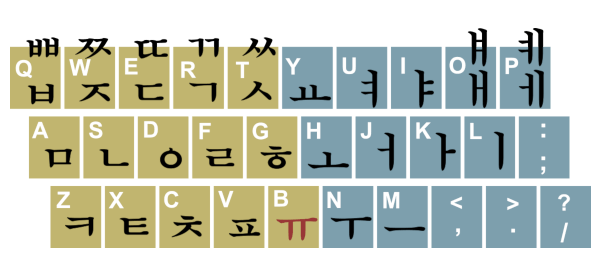
Read Hangul first
Romanization helps at the start, but it gets confusing fast. Use it like a pronunciation hint, not as the real spelling.
Quick Reference
Greetings
| Korean | Romanization | English / use |
|---|---|---|
| 안녕하세요 | annyeonghaseyo | Hello; default polite greeting. |
| 안녕 | annyeong | Hi / bye; casual, close friends. |
| 좋은 아침이에요 | joeun achimieyo | Good morning. |
| 좋은 저녁이에요 | joeun jeonyeogieyo | Good evening. |
| 안녕히 가세요 | annyeonghi gaseyo | Goodbye to someone leaving; “go in peace.” |
| 안녕히 계세요 | annyeonghi gyeseyo | Goodbye when you are leaving and they are staying; “stay in peace.” |
| 안녕히 주무세요 | annyeonghi jumuseyo | Good night to someone going to sleep; polite. |
| 다음에 또 봐 | daeume tto bwa | See you again next time; casual. |
Casual goodbye
잘 있어means “stay well” when you are leaving a close friend. Match the politeness level to the relationship.
Thanks, Sorry, and Excuse Me
| Korean | Romanization | English / use |
|---|---|---|
| 감사합니다 | gamsahamnida | Thank you; formal/polite. |
| 고맙습니다 | gomapseumnida | Thank you; polite/formal. |
| 고마워요 | gomawoyo | Thanks; polite and friendly. |
| 고마워 | gomawo | Thanks; casual. |
| 아니에요 | anieyo | You’re welcome / it’s nothing; polite. |
| 아니야 | aniya | No problem; casual. |
| 죄송합니다 | joesonghamnida | I’m sorry; formal/polite. |
| 미안해요 | mianhaeyo | Sorry; polite-ish. |
| 미안 | mian | Sorry; casual. |
| 괜찮아요 | gwaenchanayo | It’s okay / I’m okay. |
| 실례합니다 | sillyehamnida | Excuse me; apologizing for interrupting or passing through. |
| 실례지만 | sillyejiman | Excuse me, but… |
| 여기요 / 저기요 | yeogiyo / jeogiyo | Excuse me / over here; useful for calling staff. |
| 잠시만요 / 잠깐만요 | jamsimanyo / jamkkanmanyo | Just a moment / wait a second. |
Daily Survival Phrases
| Korean | Romanization | English / use |
|---|---|---|
| 네 | ne | Yes; polite. |
| 아니요 | aniyo | No; polite. |
| 몰라요 | mollayo | I don’t know. |
| 알아요 | arayo | I know. |
| 알겠어요 | algesseoyo | Okay / got it. |
| 잘 모르겠어요 | jal moreugesseoyo | I’m not sure / I don’t really know. |
| 다시 말해 주세요 | dasi malhae juseyo | Please say it again. |
| 천천히 말해 주세요 | cheoncheonhi malhae juseyo | Please speak slowly. |
| 영어 할 수 있어요? | yeongeo hal su isseoyo? | Can you speak English? |
| 영어 하세요? | yeongeo haseyo? | Do you speak English? More literally, “Do you do English?” |
| 도와주세요 | dowajuseyo | Please help me. |
| 괜찮아요? | gwaenchanayo? | Are you okay? |
Meeting People
| Korean | Romanization | English / use |
|---|---|---|
| 만나서 반가워요 | mannaseo bangawoyo | Nice to meet you. |
| 반가워요 | bangawoyo | Nice to meet you / nice to see you; polite but friendly. |
| 반갑습니다 | bangapseumnida | Nice to meet you; more formal. |
| 저는 ___이에요/예요 | jeoneun ___ieyo/yeyo | I am ___. |
| 이름이 뭐예요? | ireumi mwoyeyo? | What is your name? |
| 어디에서 왔어요? | eodieseo wasseoyo? | Where are you from? |
Getting Around and Ordering
| Korean | Romanization | English / use |
|---|---|---|
| ___ 어디예요? | ___ eodiyeyo? | Where is ___? |
| ___ 어디에 있어요? | ___ eodie isseoyo? | Where is ___ located? |
| 화장실 어디예요? | hwajangsil eodiyeyo? | Where is the bathroom? |
| 이거 얼마예요? | igeo eolmayeyo? | How much is this? |
| 메뉴 주세요 | menyu juseyo | Menu, please. |
| 이거 주세요 | igeo juseyo | This one, please. |
| 물 주세요 | mul juseyo | Water, please. |
| 맛있어요 | masisseoyo | It’s delicious. |
| 계산해 주세요 | gyesanhae juseyo | Please give me the bill / check, please. |
| 포장돼요? | pojang dwaeyo? | Can I get it to go? |
Quick Reactions and Small Words
| Korean | Romanization | English / use |
|---|---|---|
| 진짜? | jinjja? | Really? Casual quick reaction. |
| 진짜로? | jinjjaro? | Really, for real? / Seriously? |
| 맞아 | maja | That’s right. |
| 나도 | nado | Me too. |
| 무서워 | museowo | I’m scared; casual. |
| 근데 | geunde | But / by the way. |
| 그럼 | geureom | Then / well then / okay. |
| 또 | tto | Again. |
| 이렇게 | ireoke | Like this. |
| 많이 | mani | A lot. |
| 너무 | neomu | Too / very. |
| 조금만 | jogeumman | Just a little. |
그러니까
그러니까can mean “so / therefore” when drawing a conclusion, or “I mean…” when buying time to explain.그러니까!can also mean “Exactly!” / “That’s what I’m saying!”
| Korean | Romanization | English |
|---|---|---|
| 그러니까 집에 가자 | geureonikka jibe gaja | So let’s go home. |
| 그러니까… 내가 말하는 건… | geureonikka… naega malhaneun geon… | I mean… what I’m saying is… |
| 그러니까! | geureonikka! | Exactly! |
Starter Grammar Scratchpad
Pronouns and Topics
| Korean | Romanization | English / use |
|---|---|---|
| 나는 | naneun | As for me; casual topic form. |
| 내가 | naega | I; subject form, “I am the one doing it.” |
| 몰라 | molla | I don’t know; casual. |
Basic Verbs
| Dictionary form | Romanization | Meaning | Polite present |
|---|---|---|---|
| 가다 | gada | to go | 가요 |
| 먹다 | meokda | to eat | 먹어요 |
| 좋아하다 | joahada | to like | 좋아해요 |
| 좋다 | jota | to be good | 좋아요 |
| 보다 | boda | to see/watch | 봐요 |
| 이다 | ida | to be | 이에요/예요 |
| 하다 | hada | to do | 해요 |
Wanting
For “I want to do ___,” use
verb stem + 고 싶어요:가고 싶어요,먹고 싶어요,보고 싶어요. For “I want to have ___,” use가지다 + 고 싶다:가지고 싶어요.
This, That, and Over There
| Korean | Romanization | English / use |
|---|---|---|
| 이것 / 이거 | igeot / igeo | This thing / this; close to speaker. |
| 그것 / 그거 | geugeot / geugeo | That thing / that; close to listener or already mentioned. |
| 저것 / 저거 | jeogeot / jeogeo | That thing over there; far from both. |
Adverbs
| Korean | Romanization | English |
|---|---|---|
| 빨리 | ppalli | quickly |
| 많이 | mani | a lot |
| 자주 | jaju | often |
| 잘 | jal | well |
| 정말 | jeongmal | really |
| 진짜 | jinjja | really / for real |
| Korean | Romanization | English |
|---|---|---|
| 정말이에요 | jeongmarieyo | It’s real / it’s really true. |
| 진짜예요 | jinjjayeyo | I’m serious / it’s real. |
Other Useful Grammar
| Korean | Romanization | English / use |
|---|---|---|
| 들 | deul | Plural marker added to nouns when needed. |
| 못 | mot | Cannot / unable to. |
| 하니까 | hanikka | Because / since doing. |
| 화장실 | hwajangsil | Bathroom / restroom. |
Languages
| Korean | Romanization | English |
|---|---|---|
| 독일어 | dogireo | German |
| 프랑스어 | peurangseueo | French |
| 스페인어 | seupeineo | Spanish |
| 중국어 | junggugeo | Chinese |
| 일본어 | ilboneo | Japanese |
Sino-Korean Numbers
| Number | Korean | Romanization |
|---|---|---|
| 0 | 영 / 공 | yeong / gong |
| 1 | 일 | il |
| 2 | 이 | i |
| 3 | 삼 | sam |
| 4 | 사 | sa |
| 5 | 오 | o |
| 6 | 육 | yuk |
| 7 | 칠 | chil |
| 8 | 팔 | pal |
| 9 | 구 | gu |
| 10 | 십 | sip |
Days
| Korean | Romanization | English |
|---|---|---|
| 어제 | eoje | Yesterday |
| 오늘 | oneul | Today |
| 내일 | naeil | Tomorrow |
Go Billy Beginner Korean Course
Personal notes from Go Billy’s Beginner Korean Course, organized in the original lecture order to match how I watched the course.
Resources:
Course Map
| Part | Lectures | What I should reach for here |
|---|---|---|
| Hangul Foundations | #1-9 | Reading blocks, vowels/consonants, 받침, liaison, tense/aspirated consonants, and sound changes. |
| First Phrases | #10-13 | Greetings, introductions, thanks, and attention-getting phrases. |
| Sentence Basics | #14-29 | SOV order, verbs, particles, liking/wanting, places, adverbs, subjects, plurals, only, and ability. |
| Politeness, Tense, and Questions | #30-45 | Apologies, requests, possession, family words, and/but, question forms, “you,” politeness levels, past/future, and question words. |
| Everyday Grammar | #46-68 | Negatives, going-to-do, to/from, humble speech, together, suggestions, progressive, possession, comparisons, numbers, time/date, and direction/means. |
| Connecting Ideas | #69-82 | Turning verbs into nouns/adverbs, reasons, contrast, if/when, before/after, casual/formal speech, commands, hopes, and inability. |
| Conversation Patterns | #83-100 | Trying things, emotion, experience, plain form, reported speech, favors, thinking, obligation, intention, simultaneous actions, phone/restaurant/shopping/directions. |
Productive Pattern Cheat Sheet
These are the formulas worth practicing until they feel automatic. Each one is grounded again in its lecture section, but this table makes the construction easy to find.
| Meaning | Formation | Example | Lecture |
|---|---|---|---|
| want to do | verb stem + 고 싶어요 | 먹다 → 먹고 싶어요 | #15 |
| present polite 요-form | stem + 아/어 + 요 | 먹다 → 먹어요 | #20 |
| can / cannot | verb stem + (으)ㄹ 수 있다/없다 | 가다 → 갈 수 있어요 | #29 |
| please give | noun + 을/를 주세요 | 물을 주세요 | #31 |
| please do for me | 아/어 주세요 | 도와 주세요 | #33 |
| past tense | stem + 았/었어요 | 먹다 → 먹었어요 | #42 |
| future tense | stem + (으)ㄹ 거예요 | 가다 → 갈 거예요 | #43 |
| going to do | stem + (으)러 가다/오다 | 먹으러 가요 | #47 |
| progressive | stem + 고 있다 | 공부하고 있어요 | #52 |
| have to | 아/어야 되다 | 가야 돼요 | #91 |
| intend to | stem + (으)려고 하다 | 가려고 해요 | #93 |
| while doing | stem + (으)면서 | 들으면서 얘기했어요 | #94 |
Hangul and Pronunciation Snapshot
Korean uses 한글: consonants and vowels arranged into syllable blocks. Lectures#2-9 all orbit the same practical goal: learn to read the block, then let pronunciation rules explain why natural speech sometimes sounds different from the spelling.
| Piece | What to remember | Transcript anchors |
|---|---|---|
| Syllable blocks | Every written syllable needs at least one consonant and one vowel. Vertical vowels sit to the right; horizontal vowels sit below. | 가, 고, 아, 오 |
| ㅇ by position | ㅇ is silent at the start of a syllable, but ng at the bottom. | 아 / 오, 강 / 종 |
| 받침 | Final consonants sit at the bottom of the block and can change or link into the next syllable. | 간, 밥, 삶 |
| Liaison | A final consonant can flow into a following syllable that starts with ㅇ. Spelling does not change. | 한국어 → 한구거, 사람이 → 사라미 |
| Tense/aspirated sounds | Plain, tense, and aspirated consonants are different sounds, not just different spellings. | 가 / 까, 불 / 뿔 / 풀 |
| Sound changes | Natural pronunciation smooths final consonants, ㅎ, ㄱ before ㄴ/ㅁ, and ㄷ/ㅌ before ㅣ-like vowels. | 같이 → 가치, 학교 → 학꾜 |
Romanization is the weakest link
Billy hammers this early: romanization is useful for orientation, but it cannot reliably capture Korean spelling or pronunciation. Read the Hangul first and use romanization only as a temporary bridge.
Vowels and combined vowels to recognize
| Group | Examples | Notes |
|---|---|---|
| Core vowels | 아, 어, 오, 우, 으, 이 | 어 vs 오 and 으 usually need extra listening practice. |
| Modern same/similar sounds | 에 / 애, 왜 / 외 / 웨 | Different spellings can sound the same or very close in modern Korean. |
| Y-vowels | 야, 여 | Like the base vowel with a y-glide. |
| Diphthongs | 의, 와, 워, 위 | Combined vowels; read the components smoothly. |
Consonant feel
| Type | Examples | Reminder |
|---|---|---|
| Approximate English-ish sounds | 라, 마, 바, 사, 자 | These are approximations, not exact R/L, M, B/P, S, or J/CH sounds. |
| Tense doubles | 까, 따, 빠, 싸, 짜 | More tension, less air. Billy suggests the tissue test. |
| Sound-change examples | 못하다 → 모타다, 한국말 → 항궁말, 같이 → 가치 | Learn the pattern, but do not memorize yourself into paralysis. |
Part 1: Hangul Foundations (#1-9)
#1 Course Introduction
This course is meant to take you from reading/writing 한글 into basic conversation. Billy explicitly says to take notes, pause, rewatch, practice each topic, and move through the lessons in order.
| Korean | Romanization | English / use |
|---|---|---|
| 화이팅 | hwaiting | Fighting! / Good luck! |
| 그럼 다음에 또 봐 | geureom daeume tto bwa | Well then, see you again next time. |
Course scope
By the end, the goal is not fluency; it is enough foundation to introduce yourself, ask questions, make requests, describe simple things, talk about time/date/numbers, and carry on basic conversation.
#2-9 한글 and Pronunciation Foundations
These lectures are better used as one reference chunk than as eight separate mini-lessons. The transcript anchors above come from #2 through #9: intro to 한글, first consonants, block shapes, vowels, liaison, tense/aspirated consonants, diphthongs, and sound changes.
| Lecture | What it adds | Examples to revisit |
|---|---|---|
| #2 Intro to 한글 | Why 한글 beats romanization; syllables are built as blocks. | 한글, 가, 나, 다, 독립문 |
| #3 First letters | Korean consonants do not map cleanly to English categories. | 라, 마, 바, 사, 자 |
| #4 New syllable types | Vertical/horizontal vowels, silent initial ㅇ, final ㅇ, and 받침. | 가/고, 아/오, 간/곤, 강 |
| #5 More vowels | Core vowels, similar modern vowel sounds, and early confusion points. | 어/오, 우/으/이, 에/애, 야/여 |
| #6 More syllables | Liaison and double-final-consonant blocks. | 한국어 → 한구거, 사람이 → 사라미, 삶 → 삼 |
| #7 Double/strong consonants | Plain vs tense vs aspirated consonant feel. | 가/까, 다/따, 불/뿔/풀 |
| #8 Diphthongs | Combined vowels and consonant names. | 의, 희 → 히, 와/워/위, 왜/외/웨 |
| #9 Sound changes | Why pronunciation smooths out even when spelling stays fixed. | 학교 → 학꾜, 못하다 → 모타다, 같이 → 가치 |
Part 2: First Phrases (#10-13)
#10 Hello and Goodbye
This is the first phrase lesson: Korea basics, SOV sentence order, greetings, goodbyes, and why relationship/age affects what you say.
Key phrases from the transcript
| Phrase | Romanization | Use it when… | Example / note |
|---|---|---|---|
| 안녕하세요 | annyeonghaseyo | You need a safe polite hello. | Default greeting for most people. |
| 안녕 | annyeong | You are with close friends, same Korean age or younger. | Can mean hi or bye. |
| 안녕히 가세요 | annyeonghi gaseyo | The other person is leaving. | Literally “go in peace.” |
| 안녕히 계세요 | annyeonghi gyeseyo | You are leaving and the other person stays. | Literally “stay in peace.” |
| 한국 / 서울 / 한국어 | hanguk / seoul / hangugeo | You need the basic country/city/language words. | South Korea / Seoul / Korean language. |
Goodbye depends on who leaves
Say 안녕히 가세요 to someone leaving. Say 안녕히 계세요 when you are leaving and the other person is staying.
Korean sentence order
The transcript introduces Korean as subject-object-verb: “I pizza eat” rather than English “I eat pizza.” This becomes important once particles and verbs start showing up.
Mini-dialogues from the lecture
| Situation | Korean | Romanization | English |
|---|---|---|---|
| polite greeting | 안녕하세요 / 안녕하세요 | annyeonghaseyo / annyeonghaseyo | hello / hello |
| polite goodbye | 안녕히 가세요 / 안녕히 계세요 | annyeonghi gaseyo / annyeonghi gyeseyo | goodbye to leaver / goodbye to stayer |
| close friends | 안녕 / 안녕 | annyeong / annyeong | hi / bye |
#11 Introducing Yourself
Use polite speech when meeting someone: greeting, 저는 + name + 이에요/예요, then a nice-to-meet-you phrase.
Introduction pattern
| Piece | Romanization | Function | Example |
|---|---|---|---|
| 안녕하세요 | annyeonghaseyo | Polite opener. | 안녕하세요. |
| 저는 | jeoneun | “As for me”; introduces yourself as the topic. | 저는 빌리예요. |
| ___예요 | ___yeyo | “am/is ___” after a vowel-ending name. | 저는 빌리예요. |
| ___이에요 | ___ieyo | “am/is ___” after a consonant-ending name. | 저는 석진이에요. |
| 반갑습니다 | bangapseumnida | Formal/respectful “nice to meet you.” | 네, 반갑습니다. |
| 반가워요 | bangawoyo | Polite but warmer “nice to meet you.” | 안녕하세요. 반가워요. |
| 네 / 아니요 | ne / aniyo | Yes / no. | 네, 반갑습니다. |
이에요 vs 예요
Use 이에요 after a consonant: 석진이에요. Use 예요 after a vowel: 빌리예요. Billy notes that 예요 is pronounced like 에요.
Self-introduction template
| Step | Korean | Romanization | English |
|---|---|---|---|
| greeting | 안녕하세요 | annyeonghaseyo | Hello |
| name | 저는 ___이에요/예요 | jeoneun ___ieyo/yeyo | I am ___ |
| closing | 반갑습니다 | bangapseumnida | Nice to meet you |
#12 Saying Thanks
Thank-you and you’re-welcome phrases change by relationship/formality. Billy groups them by close friends, normal polite speech, and more formal/polite situations.
Thank-you scale
| Phrase | Romanization | Politeness / relationship | Example response |
|---|---|---|---|
| 고마워 | gomawo | Casual; close friends. | 아니야. |
| 고마워요 | gomawoyo | Everyday polite. | 아니에요. |
| 고맙습니다 | gomapseumnida | Polite/formal. | 아니에요. |
| 감사합니다 | gamsahamnida | Slightly more formal than 고맙습니다. | 아니에요. |
| 아니야 | aniya | Casual “no problem.” | Use with close friends. |
| 아니에요 / 아닙니다 | anieyo / animnida | Polite / more formal “it’s nothing.” | Reply to thanks. |
Verb roots
감사합니다 comes from 감사하다, “to be grateful/thankful.” 고마워, 고마워요, and 고맙습니다 come from 고맙다, also “to be thankful/grateful.”
Mini-dialogues from the lecture
| Relationship | Korean | Romanization | English |
|---|---|---|---|
| close friends | 고마워 / 아니야 | gomawo / aniya | thanks / no problem |
| acquaintances | 고마워요 / 아니에요 | gomawoyo / anieyo | thank you / you’re welcome |
| extra respect | 감사합니다 / 아니에요 | gamsahamnida / anieyo | thank you / it’s nothing |
#13 Excuse Me
Korean has different “excuse me” phrases depending on whether you are calling someone, interrupting/passing through, or asking for a brief moment.
Which “excuse me” to use
| Phrase | Romanization | Use it when… | Example / note |
|---|---|---|---|
| 여기요 | yeogiyo | Calling staff or getting attention nearby. | Literally “here + 요.” |
| 저기요 | jeogiyo | Calling out politely, especially to a stranger/staff. | Literally “over there + 요.” |
| 실례합니다 | sillyehamnida | Interrupting, passing through, or apologizing for bothering someone. | More apology-shaped. |
| 실례지만 | sillyejiman | Starting a polite interruption/request. | “Excuse me, but…” |
| 잠시만요 | jamsimanyo | Asking someone to wait briefly. | “Just a moment.” |
Literal pieces
여기 means “here,” 저기 means “over there,” and 요 adds politeness. 실례 means a discourtesy; 실례지만 combines 실례 with 지만, “but.”
Use by situation
Use 여기요/저기요 to get attention, 실례합니다 when interrupting or passing through, and 잠시만요 when asking someone to wait.
Part 3: Sentence Basics (#14-29)
#14 Intro to Verbs
Korean verbs in dictionary form end in 다. To use a verb in a sentence, it usually needs to be conjugated and placed at the end.
Verb building blocks
| Dictionary form | Meaning | Polite form from transcript | Example sentence |
|---|---|---|---|
| 가다 | to go | 가요 | 저는 가요. |
| 먹다 | to eat | 먹어요 | 저는 피자를 먹어요. |
| 좋아하다 | to like | 좋아해요 | 저는 김치를 좋아해요. |
| 보다 | to see/watch | 봐요 | 저는 빌리를 봐요. |
| 이다 | to be | 이에요/예요 | 저는 빌리예요. |
Sentence examples
| Korean | Romanization | English |
|---|---|---|
| 저는 가요 | jeoneun gayo | I go. |
| 저는 피자를 먹어요 | jeoneun pijareul meogeoyo | I eat pizza. |
| 저는 김치를 좋아해요 | jeoneun gimchireul joahaeyo | I like kimchi. |
| 저는 빌리를 봐요 | jeoneun billireul bwayo | I see Billy. |
Word order
Billy explicitly contrasts English SVO with Korean SOV: not “I eat pizza,” but “I pizza eat”: 저는 피자를 먹어요.
#15 I Want
To say “I want to do X,” build the phrase from the dictionary form of the verb. This is a productive pattern, so the important part is knowing the construction, not memorizing each finished sentence.
Formation: verb dictionary form -> remove 다 -> stem + 고 싶어요
| Step | What to do | Example |
|---|---|---|
| 1 | Start with the dictionary form. | 먹다 |
| 2 | Remove 다 to get the stem. | 먹 |
| 3 | Add 고. | 먹고 |
| 4 | Add 싶어요. | 먹고 싶어요 |
Sentence pattern: [topic] + [object]을/를 + [verb stem]고 싶어요
| Slot | Korean piece | Example |
|---|---|---|
| Topic | 저는 | 저는 |
| Object | 팝콘을 | 저는 팝콘을 |
| Want-to-do phrase | 먹고 싶어요 | 저는 팝콘을 먹고 싶어요 |
Pattern in use from the transcript
| Base verb | Meaning | Want-to form | Full example |
|---|---|---|---|
| 가다 | to go | 가고 싶어요 | 저는 집에 가고 싶어요. |
| 먹다 | to eat | 먹고 싶어요 | 저는 팝콘을 먹고 싶어요. |
| 보다 | to see/watch | 보고 싶어요 | 저는 티비를 보고 싶어요. |
Start from dictionary form
The transcript warns not to start from 좋아해요 and guess the stem as 좋아해. Start from the dictionary form 좋아하다, remove 다, then build the pattern.
Wanting a thing
For “I want to have ___,” Billy uses
가지다 + 고 싶다:가지고 싶어요. The object still takes을/를:그 케이크를 갖고 싶어요.
Build it yourself
| I want to… | Dictionary form | Stem | Korean |
|---|---|---|---|
| go | 가다 | 가 | 가고 싶어요 |
| eat | 먹다 | 먹 | 먹고 싶어요 |
| watch/see | 보다 | 보 | 보고 싶어요 |
| make | 만들다 | 만들 | 만들고 싶어요 |
| like | 좋아하다 | 좋아하 | 좋아하고 싶어요 |
#16 The Object Marker
The object marker marks the noun receiving the action of a verb. Use 을 after consonants and 를 after vowels.
Object marker rule
| Object ending | Marker | Transcript noun | In a sentence |
|---|---|---|---|
| vowel | 를 | 피자 → 피자를 | 저는 피자를 좋아해요. |
| vowel | 를 | 영화 → 영화를 | 저는 영화를 보고 싶어요. |
| vowel | 를 | 티비 → 티비를 | 저는 티비를 보고 싶어요. |
| consonant | 을 | 팝콘 → 팝콘을 | 저는 팝콘을 먹고 싶어요. |
| consonant | 을 | 한글 → 한글을 | 저는 한글을 배우고 싶어요. |
Object-marker sentences
| Korean | Romanization | English |
|---|---|---|
| 저는 피자를 좋아해요 | jeoneun pijareul joahaeyo | I like pizza. |
| 저는 팝콘을 먹고 싶어요 | jeoneun papkoneul meokgo sipeoyo | I want to eat popcorn. |
| 저는 영화를 보고 싶어요 | jeoneun yeonghwareul bogo sipeoyo | I want to watch a movie. |
| 저는 김치를 만들고 싶어요 | jeoneun gimchireul mandeulgo sipeoyo | I want to make kimchi. |
#17 The Topic Marker
은/는 marks the topic: “as for ___” or “when it comes to ___.” It lets Korean establish what the conversation is about, then omit it while the topic stays clear.
Topic marker rule
| Topic ending | Marker | Topic phrase | Example / use |
|---|---|---|---|
| vowel | 는 | 저는 | 저는 현우예요. |
| vowel | 는 | 피자는 | 피자는 좋아요. |
| vowel | 는 | 빌리는 | 빌리는 가요. |
| consonant | 은 | 한글은 | 한글은 재미있어요. |
| already clear | omit it | 음악을 좋아해요 | After 저는 현우예요, the next sentence can drop 저는. |
Do not repeat 저는 forever
Billy’s example shows that once 저는 is established, the next sentence can simply be 음악을 좋아해요. Repeating 저는 every sentence sounds clunky unless the topic changes.
#18 This and That
이, 그, and 저 are placed before nouns to show distance: near the speaker, near the listener / already mentioned, or far from both.
Distance words in use
| Word | Distance | Use before a noun | Transcript-style example |
|---|---|---|---|
| 이 | close to speaker | 이 영화 / 이 티비 / 이 음악 | 이 영화는 좋아요. |
| 그 | close to listener or already mentioned | 그 영화 / 그 티비 / 그 음악 | 그 케이크를 갖고 싶어요. |
| 저 | far from both | 저 영화 / 저 티비 / 저 음악 | 저 케이크를 먹고 싶어요. |
Two different 저 words
저 can mean “I/me” in 저는, but in this lesson 저 before a noun means “that over there.”
Distance system
| Korean | Meaning | Distance |
|---|---|---|
| 이 | this | close to speaker |
| 그 | that | far from speaker, close to listener / known context |
| 저 | that over there | far from both |
#19 The Particle 도
도 means also, too, or even. It attaches to nouns/pronouns and usually replaces markers like 은/는 or 을/를.
도 in use
| Base word | With 도 | Meaning | Example |
|---|---|---|---|
| 저 | 저도 | me too / I also | 저도 커피를 마시고 싶어요. |
| 피자 | 피자도 | pizza too | 피자도 좋아해요. |
| 케이크 | 케이크도 | cake too | 케이크도 좋아해요. |
| 한국어 | 한국어도 | Korean too / even Korean | 한국어도 공부해요. |
| 빌리 | 빌리도 | Billy too | 빌리도 가요. |
Do not stack basic markers onto 도
The transcript explicitly rejects forms like 저는도, 은도, 는도, 을도, 를도. Use 저도, 피자도, 케이크도, etc.
#20 Intro to Conjugation
This lecture teaches the present informal polite 요 form. Start from the dictionary form, remove 다 to get the stem, add 아/어 according to the stem vowel, then add 요.
요-form in use
| Dictionary form | Stem logic | Polite 요-form | Example / note |
|---|---|---|---|
| 가다 | stem 가; ㅏ takes 아 and contracts | 가요 | 가 + 아요 → 가요. |
| 먹다 | stem 먹; not ㅏ/ㅗ, so 어요 | 먹어요 | 저는 피자를 먹어요. |
| 앉다 | stem 앉; ㅏ takes 아요 | 앉아요 | 앉으세요 appears later for requests. |
| 만들다 | stem 만들; not ㅏ/ㅗ, so 어요 | 만들어요 | 저는 김치를 만들어요. |
| 좋아하다 | 하다 verb | 좋아해요 | 하다 verbs become 해요. |
요-form rule
| Step | Rule | Example |
|---|---|---|
| 1 | Remove 다 to get the stem. | 먹다 → 먹 |
| 2 | If the final stem vowel is ㅏ or ㅗ, add 아. Otherwise add 어. | 먹 + 어 |
| 3 | Add 요. | 먹어요 |
Politeness level
Billy calls this “present tense informal”: not rude, but not formal enough for speeches, bosses, or very formal situations.
#21 Likes and Dislikes
좋아하다 means to like, 싫어하다 means to dislike, and 사랑하다 means to love. The lecture also introduces native-speaker speed and intonation practice.
Feeling verbs in use
| Verb | Meaning | Pattern | Transcript-style example |
|---|---|---|---|
| 좋아하다 | to like | object + 을/를 좋아해요 | 저는 김치를 좋아해요. |
| 싫어하다 | to dislike / not like | object + 을/를 싫어해요 | 저는 김치를 싫어해요. |
| 사랑하다 | to love | person/animal + 을/를 사랑해요 | 저도 정국을 사랑해요. |
| 사랑을 하다 | to love; literally “do love” | noun + 을 + 하다 | More literal breakdown of 사랑하다. |
사랑하다 is for people/animals
Billy says not to use 사랑하다 for things like kimchi. For things, say you like them a lot instead.
#22 Going Places
The particle 에 marks a destination with 가다 and a location of existence with 있다.
에 in use
| Use | Pattern | Transcript-style example | Meaning |
|---|---|---|---|
| destination | place + 에 + 가다 | 빌리는 서울에 가요. | Billy goes to Seoul. |
| destination + want | place + 에 + 가고 싶어요 | 저는 학교에 가고 싶어요. | I want to go to school. |
| home as destination | 집에 가다 | 저는 집에 가고 싶어요. | I want to go home. |
| location/existence | place + 에 + 있다 | 책은 방에 있어요. | The book is in the room. |
| possession/existence | 있다 | 저는 책이 있어요. | I have a book; literally, a book exists for me. |
에 is not the object marker
Use 에 있다 for where someone/something exists. Billy specifically warns not to use the object marker with 있다 for this meaning.
#23 The Verb 하다
하다 means “to do.” Combined with nouns, it creates many everyday action verbs.
하다 verbs in use
| Noun/action | 하다 verb | Meaning | Example |
|---|---|---|---|
| 요리 | 요리하다 / 요리를 하다 | to cook / do cooking | 요리를 하고 싶어요. |
| 공부 | 공부하다 | to study | 한국어를 공부하고 싶어요. |
| 숙제 | 숙제하다 | to do homework | 숙제를 해요. |
| 말 | 말하다 | to speak / say | 한국어를 말해요. |
| 일 | 일하다 | to work | 일을 하고 싶어요. |
| 운동 | 운동하다 | to exercise | 운동을 하고 싶어요. |
| 샤워 | 샤워하다 | to shower | 샤워를 하고 싶어요. |
Conversation examples
| Korean | Romanization | English |
|---|---|---|
| 저는 한국어를 공부하고 싶어요 | jeoneun hangugeoreul gongbuhago sipeoyo | I want to study Korean. |
| 저는 샤워를 하고 싶어요 | jeoneun syaworeul hago sipeoyo | I want to take a shower. |
| 저는 일을 하고 싶어요 | jeoneun ireul hago sipeoyo | I want to work. |
| 저는 운동을 하고 싶어요 | jeoneun undongeul hago sipeoyo | I want to exercise. |
Not every 하다-looking verb is noun + 하다
Billy says 좋아하다 and 싫어하다 are not noun + 하다 verbs. Do not say 좋아를 하다 or 싫어를 하다.
#24 Intro to Adverbs
Adverbs modify verbs and usually appear before the verb or verb phrase they affect.
Adverbs in use
| Adverb | Meaning | Goes before… | Transcript-style example |
|---|---|---|---|
| 빨리 | quickly | action verb | 빨리 일해요. |
| 많이 | a lot | action verb | 많이 먹어요. |
| 자주 | often | action verb | 자주 공부해요. |
| 잘 | well | verb/action phrase | 한국어를 잘해요. |
| 조금 더 | a little more | amount/action | 조금 더 먹고 싶어요. |
| 정말 | really | statement/adjective | 정말이에요. |
| 진짜 | really / for real | casual statement | 진짜예요. |
Conversation examples
| Korean | Romanization | English |
|---|---|---|
| 저는 한국어를 조금 해요 | jeoneun hangugeoreul jogeum haeyo | I speak a little Korean. |
| 저는 한국어를 아주 잘해요 | jeoneun hangugeoreul aju jalhaeyo | I speak Korean very well. |
| 저는 조금 더 먹고 싶어요 | jeoneun jogeum deo meokgo sipeoyo | I want to eat a little more. |
| 저는 정말 빨리 먹어요 | jeoneun jeongmal ppalli meogeoyo | I eat really quickly. |
정말 vs 진짜
정말 works in any situation. 진짜 is informal/casual only.
#25 Descriptive Verbs
Korean “adjectives” behave like verbs: they end in 다, conjugate, and can stand as the predicate without a separate “to be.”
Descriptive verbs in use
| Dictionary form | Polite form | Meaning | Example |
|---|---|---|---|
| 좋다 | 좋아요 | to be good | 이 영화는 좋아요. |
| 맛이 있다 | 맛있어요 | to be delicious | 피자가 맛있어요. |
| 재미가 있다 | 재미있어요 | to be fun/entertaining | 영화가 재미있어요. |
| 쉽다 | 쉬워요 | to be easy | 한국어는 쉬워요. |
| 어렵다 | 어려워요 | to be difficult | 영어는 어려워요. |
| 행복하다 | 행복해요 | to be happy | 저는 행복해요. |
| 슬프다 | 슬퍼요 | to be sad | 저는 슬퍼요. |
| 춥다 / 덥다 | 추워요 / 더워요 | to be cold / hot | 오늘은 조금 추워요. |
Transcript examples
| Korean | Romanization | English |
|---|---|---|
| 이 영화는 좋아요 | i yeonghwaneun joayo | This movie is good. |
| 저는 김치를 좋아해요 | jeoneun gimchireul joahaeyo | I like kimchi. |
| 한국어는 쉬워요 | hangugeoneun swiwoyo | Korean is easy. |
| 영어는 어려워요 | yeongeoneun eoryeowoyo | English is difficult. |
| 오늘은 조금 추워요 | oneureun jogeum chuwoyo | Today is a little cold. |
좋다 vs 좋아하다
좋다 is descriptive: “to be good.” 좋아하다 is an action verb: “to like.”
#26 The Subject Marker
이/가 marks the grammatical subject, especially the thing that a descriptive verb is actually describing.
Subject marker in use
| Subject ending | Marker | Subject phrase | Example |
|---|---|---|---|
| consonant | 이 | 한글이 | 한글이 재미있어요. |
| vowel | 가 | 피자가 | 저는 피자가 맛있어요. |
| vowel | 가 | 햄버거가 | 저는 햄버거가 더 맛있어요. |
| vowel | 가 | 김치가 | 김치가 매워요. |
| 저 + 가 | 제가 | contracted subject form | 제가 먹을 수 있어요. |
Topic and subject can coexist
In 저는 피자가 맛있어요, 저는 is the topic (“as for me”), while 피자가 is the subject of 맛있어요 (“pizza is delicious”).
#27 Plural Nouns
들 marks explicit plural, but Korean often leaves number implicit when context is clear.
들 in use
| Singular | Plural with 들 | Meaning | Example |
|---|---|---|---|
| 고양이 | 고양이들 | cat → cats | 고양이들을 좋아해요. |
| 강아지 | 강아지들 | dog → dogs | 강아지들은 똑똑해요. |
| 집 | 집들 | house → houses | 도시에 집들이 있어요. |
| 도시 | 도시들 | city → cities | 한국의 도시들 |
Often optional
저는 고양이를 좋아해요 can mean “I like cats” without saying 고양이들. Use 들 when you need to emphasize a general plural or avoid ambiguity.
#28 The Particle 만
만 means only. Like 도, it attaches directly to the word it modifies, and placement changes the meaning.
만 in use
| Word | With 만 | Meaning | Example |
|---|---|---|---|
| 저 | 저만 | only me / only I | 저만 김치를 좋아해요. |
| 피자 | 피자만 | only pizza | 피자만 먹고 싶어요. |
| 한국어 | 한국어만 | only Korean | 한국어만 공부해요. |
| 김치 | 김치만 | only kimchi | 저는 김치만 좋아해요. |
| 조금 | 조금만 | only a little | 조금만 먹고 싶어요. |
Placement matters
저만 김치를 좋아해요 = only I like kimchi. 저는 김치만 좋아해요 = I only like kimchi.
With 하다 verbs
공부를 하다 can become 공부만 하다 (“only study”) or 공부도 하다 (“also study”).
#29 Can and Can’t
Ability uses verb stem + (으)ㄹ 수 있다. Inability uses verb stem + (으)ㄹ 수 없다. 수 literally means ability.
Ability pattern in use
| Verb | Stem rule | Can | Can’t |
|---|---|---|---|
| 먹다 | consonant stem → 을 수 | 먹을 수 있어요 | 먹을 수 없어요 |
| 배우다 | vowel stem → ㄹ 수 | 배울 수 있어요 | 배울 수 없어요 |
| 만들다 | ㄹ stem → 수 directly | 만들 수 있어요 | 만들 수 없어요 |
Transcript-style sentences
| Korean | Romanization | English |
|---|---|---|
| 저는 김치를 먹을 수 없어요. | jeoneun gimchireul meogeul su eopseoyo. | I cannot eat kimchi. |
| 제가 먹을 수 있어요. | jega meogeul su isseoyo. | I can eat it. |
Pattern
| Stem ending | Can | Can’t |
|---|---|---|
| consonant | 먹을 수 있어요 | 먹을 수 없어요 |
| vowel | 배울 수 있어요 | 배울 수 없어요 |
| ㄹ | 만들 수 있어요 | 만들 수 없어요 |
Literal meaning
수 있다 is literally “ability exists.” 수 없다 is “ability does not exist.”
Part 4: Politeness, Tense, and Questions (#30-45)
#30 Saying Sorry
Korean separates apologizing for something you did from expressing sympathy when something bad happened.
Apology and sympathy phrases
| Phrase | Romanization | Use it for… | Example / note |
|---|---|---|---|
| 미안 / 미안해 | mian / mianhae | Casual apology. | Close friends only. |
| 미안해요 | mianhaeyo | Polite apology. | Everyday “I’m sorry.” |
| 죄송해요 | joesonghaeyo | More formal-sounding polite apology. | When you want extra respect. |
| 미안합니다 / 죄송합니다 | mianhamnida / joesonghamnida | Formal apology. | More formal situations. |
| 어떡해 / 어떡해요 | eotteokhae / eotteokhaeyo | Sympathy, “oh no.” | Use when something bad happened but it is not your fault. |
| 유감입니다 | yugamimnida | Formal sympathy. | Standard spelling; caption looked off. |
미안/죄송 imply responsibility
Billy warns that if someone tells you their dog died, saying 미안해요 sounds like you had something to do with it. Use 어떡해요 or 유감입니다 for sympathy.
Transcript dialogue
| Korean | Romanization | English |
|---|---|---|
| 저는 공원에 가고 싶어요 | jeoneun gongwone gago sipeoyo | I want to go to the park. |
| 저는 너무 슬퍼요. 공원에 갈 수 없어요. | jeoneun neomu seulpeoyo. gongwone gal su eopseoyo. | I am so sad. I cannot go to the park. |
| 어떡해요 | eotteokhaeyo | Oh no / I’m sorry to hear that. |
#31 Saying Please
Use 주세요 to politely ask someone to give you a thing. Use 좀 to soften requests so they sound less blunt.
주세요 request pattern
| Piece | Function | Example | Feel |
|---|---|---|---|
| 주세요 | polite “give me” | 물을 주세요. | Direct but still polite. |
| noun + 을/를 주세요 | ask for a thing | 빵을 주세요. | Basic request. |
| 좀 | softener | 물을 좀 주세요. | Less blunt, like “could you…” |
| 조금 | literal “a little” | 한국어를 조금 할 수 있어요. | More about amount. |
| 줘 | casual “give me” | 피자를 줘. | Close friends only. |
Pattern
noun + 을/를 + 주세요
Transcript dialogue
| Korean | Romanization | English |
|---|---|---|
| 저기요! 빵을 더 주세요. | jeogiyo! ppangeul deo juseyo. | Excuse me! Give me more bread. |
| 아, 물도 주세요. | a, muldo juseyo. | Ah, give me water too. |
| 김치도 좀 주세요. | gimchido jom juseyo. | Could you also give me some kimchi? |
줘 is not polite
Billy explicitly says not to use
줘with anyone except close friends who are the same age as you or younger.
#32 Asking Favors Part 1
The 세요 form lets you politely request or tell someone to do an action, not just give you something.
세요 request pattern
| Stem type | Formation | Example | Meaning |
|---|---|---|---|
| vowel stem | stem + 세요 | 쓰다 → 쓰세요 | Use it. |
| consonant stem | stem + 으세요 | 읽다 → 읽으세요 | Read it. |
| regular verb | stem + 세요 | 가다 → 가세요 | Go. |
| consonant stem | stem + 으세요 | 앉다 → 앉으세요 | Sit down. |
| ㄹ stem | drop ㄹ + 세요 | 팔다 → 파세요 | Sell. |
| shop goodbye | 많이 파세요 | 많이 파세요 | “Sell a lot”; polite to a shopkeeper. |
Pattern
action verb stem + 으세요/세요
Transcript practice
| Korean | Romanization | English |
|---|---|---|
| 이 펜을 쓰세요. | i peneul sseuseyo. | Use this pen. |
| 이메일을 보내세요. | imeireul bonaeseyo. | Send an email. |
| 티비를 보세요. | tibireul boseyo. | Watch TV. |
| 책을 읽으세요. | chaegeul ilgeuseyo. | Read a book. |
| 도서관에 가세요. | doseogwane gaseyo. | Go to the library. |
| 빨리 앉으세요. | ppalli anjeuseyo. | Sit down quickly. |
Transcript dialogue
| Korean | Romanization | English |
|---|---|---|
| 저를 좀 도와주세요. | jeoreul jom dowajuseyo. | Could you help me a bit? |
| 네? | ne? | Yes? / Could you repeat that? |
| 이 숙제가 너무 어려워요. | i sukjega neomu eoryeowoyo. | This homework is too difficult. |
| 미안해요. 저도 그 숙제를 할 수 없어요. | mianhaeyo. jeodo geu sukjereul hal su eopseoyo. | Sorry. I cannot do that homework either. |
도 with negatives
In
저도 ... 할 수 없어요,도can sound like “either/neither,” not just “too.”
#33 Asking Favors Part 2
아/어 주세요 asks someone to do an action for you. It is more favor-shaped than plain 세요.
세요 vs 아/어 주세요
| Form | What it asks | Example | Feel |
|---|---|---|---|
| 하세요 | Do it. | 숙제를 하세요. | Polite command/request. |
| 해 주세요 | Do it for me / as a favor. | 숙제를 해 주세요. | Favor-shaped. |
| 제발 + 해 주세요 | Please, I am begging. | 제발 숙제를 해 주세요. | Strong pleading. |
| 해 줘 | Do it for me; casual. | 이해를 해 줘. | Close friends only. |
| 주세요 | Give me. | 물을 주세요. | Already includes “give”; do not say 줘 주세요. |
Pattern
conjugated action verb without 요 + 주세요
Transcript practice
| Korean | Romanization | English |
|---|---|---|
| 피자를 만들어 주세요. | pijareul mandeureo juseyo. | Please make me a pizza. |
| 음악을 들어 주세요. | eumageul deureo juseyo. | Please listen to music. |
| 한국어를 배워 주세요. | hangukeoreul baewo juseyo. | Please learn Korean. |
| 이것을 봐 주세요. | igeoseul bwa juseyo. | Please look at this. |
| 이해를 해 주세요. | ihaereul hae juseyo. | Please understand. |
| 돈을 빌려 주세요. | doneul billyeo juseyo. | Please lend me money. |
Transcript dialogue
| Korean | Romanization | English |
|---|---|---|
| 영화관에 와 주세요. | yeonghwagwane wa juseyo. | Please come to the movie theater. |
| 제가 지금 너무 바빠요. | jega jigeum neomu bappayo. | I am too busy now. |
| 이 영화가 정말 재미있어요. 꼭 보세요. | i yeonghwaga jeongmal jaemiisseoyo. kkok boseyo. | This movie is really fun. Make sure to see it. |
| 조금만 기다려 주세요. | jogeumman gidaryeo juseyo. | Please wait just a little. |
제발 is strong
Billy says
제발is for begging, not your normal way to say “please.” Usually the주세요form already carries that feeling.
#34 The Particle 의
의 connects nouns like English “‘s” or “of.” As a possessive particle, it is usually pronounced like 에.
의 in use
| Pattern | Meaning | Example | Pronunciation / note |
|---|---|---|---|
| noun + 의 + noun | noun’s noun / noun of noun | 빌리의 책 | As a particle, 의 is commonly pronounced like 에. |
| 저의 → 제 | my | 저의 숙제 → 제 숙제 | 제 is the common shortened form. |
| place/thing + 의 + noun | of | 집의 문 | The house’s door / door of the house. |
| country + 의 + noun | of/from | 한국의 도시들 | Korea’s cities. |
Pattern
noun + 의 + noun
Transcript examples
| Korean | Romanization | English |
|---|---|---|
| 안녕하세요. 제 이름은 빌리예요. 만나서 반가워요. | annyeonghaseyo. je ireumeun billiyeyo. mannaseo bangawoyo. | Hello. My name is Billy. Nice to meet you. |
| 돈의 문제 | donui munje | Money problem / problem of money. |
| 음식의 맛 | eumsigui mat | The flavor of food. |
Transcript dialogue
| Korean | Romanization | English |
|---|---|---|
| 그 책을 주세요. 갖고 싶어요. | geu chaegeul juseyo. gatgo sipeoyo. | Give me that book. I want to have it. |
| 이 책은 제 책이에요. | i chaegeun je chaegieyo. | This book is my book. |
| 제 셔츠가 조금 작아요. | je syeocheuga jogeum jagayo. | My shirt is a little small. |
| 제 바지가 너무 커요. | je bajiga neomu keoyo. | My pants are too big. |
#35 Family Tree
Korean family words depend on age, gender, and politeness. For your own family and pets, Korean often uses 우리 instead of 제.
Family words in use
| Relationship | Korean | Use / nuance | Example |
|---|---|---|---|
| family | 가족 | General word for family. | 우리 가족 |
| older brother | 형 / 오빠 | Male speaker / female speaker. | 우리 형 |
| older sister | 누나 / 언니 | Male speaker / female speaker. | 우리 언니 |
| younger sibling | 남동생 / 여동생 | Younger brother / younger sister. | 제 동생 |
| mother | 어머니 / 엄마 | Mother / mom. | 우리 어머니 |
| father | 아버지 / 아빠 | Father / dad. | 우리 아버지 |
| grandparents | 할아버지 / 할머니 | Grandfather / grandmother. | 우리 할머니 |
Use 우리 for family
Billy says
제 아버지is not grammatically wrong, but it can sound like claiming ownership. Prefer우리 아버지,우리 언니, and even우리 강아지.
Transcript dialogue
| Korean | Romanization | English |
|---|---|---|
| 우리 형은 요즘 바빠요. 일을 많이 해요. | uri hyeongeun yojeum bappayo. ireul mani haeyo. | My older brother is busy these days. He works a lot. |
| 저도 요즘 바빠요. 놀고 싶어요. | jeodo yojeum bappayo. nolgo sipeoyo. | I am also busy these days. I want to hang out. |
| 우리 언니는 영어도 잘할 수 있어요. | uri eonnineun yeongeodo jalhal su isseoyo. | My older sister can also speak English well. |
| 와우! 정말 부러워요. | wau! jeongmal bureowoyo. | Wow! I am really jealous. |
| 저도 영어를 잘하고 싶어요. | jeodo yeongeoreul jalhago sipeoyo. | I also want to speak English well. |
More respectful words for someone else’s family
| Korean | Romanization | English / use |
|---|---|---|
| 어머님 | eomeonim | Mother; respectful. |
| 아버님 | abeonim | Father; respectful. |
| 아드님 | adeunim | Son; respectful. |
| 따님 | ttanim | Daughter; respectful. |
#36 Here and There
여기, 거기, and 저기 map locations relative to the speaker and listener.
Location words in use
| Word | Meaning | Use | Example |
|---|---|---|---|
| 여기 | here | Close to speaker. | 저는 여기에 있어요. |
| 거기 | there | Close to listener / already mentioned place. | 저도 거기에 가고 싶어요. |
| 저기 | over there | Far from both speaker and listener. | 제 책이 저기에 있어요. |
| 여기요 | excuse me / over here | Calling staff/getting attention. | 여기요! |
| 저기요 | excuse me | Calling a waiter/stranger. | 저기요! |
| 저기 + 에 | over there + location marker | 에 can be omitted in speech sometimes. | 제 책이 저기에 있어요 / 제 책이 저기 있어요. |
Transcript examples
| Korean | Romanization | English |
|---|---|---|
| 빌리도 여기에 자주 와요. | billido yeogie jaju wayo. | Billy also comes here often. |
| 저는 거기에 가고 싶어요. | jeoneun geogie gago sipeoyo. | I want to go there. |
| 저기에 영화관이 있어요. | jeogie yeonghwagwani isseoyo. | There is a movie theater over there. |
Transcript dialogue
| Korean | Romanization | English |
|---|---|---|
| 저는 지금 한국에 있어요. 날씨가 정말 좋아요. | jeoneun jigeum hanguge isseoyo. nalssiga jeongmal joayo. | I am in Korea now. The weather is really good. |
| 와우! 저도 거기에 가고 싶어요. | wau! jeodo geogie gago sipeoyo. | Wow! I also want to go there. |
| 여기는 날씨가 더워요. | yeogineun nalssiga deowoyo. | Here, the weather is hot. |
| 여기 와 주세요. | yeogi wa juseyo. | Please come here. |
| 거기가 너무 멀어요. 지금은 제가 갈 수 없어요. | geogiga neomu meoreoyo. jigeumeun jega gal su eopseoyo. | There is too far. I cannot go now. |
#37 And
Korean has different “and” tools depending on whether you start a new sentence, connect verbs, or connect nouns.
Ways to say “and”
| Form | Connects | Rule | Example |
|---|---|---|---|
| 그리고 | sentences | Starts a new sentence. | 제가 똑똑해요. 그리고 예뻐요. |
| verb stem + 고 | verbs/predicates | Attach 고 to the stem. | 똑똑하고 예뻐요. |
| 과 | nouns | After consonant-ending noun. | 한국과 미국 |
| 와 | nouns | After vowel-ending noun. | 피자와 샐러드 |
Transcript examples
| Korean | Romanization | English |
|---|---|---|
| 제가 아주 똑똑해요. 그리고 예뻐요. | jega aju ttokttokhaeyo. geurigo yeppeoyo. | I am very smart. And I am pretty. |
| 제가 아주 똑똑하고 예뻐요. | jega aju ttokttokhago yeppeoyo. | I am very smart and pretty. |
| 저는 한국어 책을 사고 한국어를 배우고 싶어요. | jeoneun hangukeo chaegeul sago hangukeoreul baeugo sipeoyo. | I want to buy a Korean book and learn Korean. |
| 저는 피자를 먹고 집에 가요. | jeoneun pijareul meokgo jibe gayo. | I eat pizza and then go home. |
| 한국과 미국에 갈 수 있어요. | hangukgwa miguge gal su isseoyo. | I can go to Korea and America. |
| 저는 피자와 샐러드를 먹고 싶어요. | jeoneun pijawa saelleodeureul meokgo sipeoyo. | I want to eat pizza and salad. |
Transcript dialogue
| Korean | Romanization | English |
|---|---|---|
| 저는 돈을 많이 벌고 차를 사고 싶어요. | jeoneun doneul mani beolgo chareul sago sipeoyo. | I want to earn a lot of money and buy a car. |
| 저는 차와 배를 갖고 싶어요. | jeoneun chawa baereul gatgo sipeoyo. | I want to have a car and a boat. |
| 그리고 바닷가에 가고 싶어요. | geurigo badatgae gago sipeoyo. | And I want to go to the beach. |
| 저도 가고 싶어요. | jeodo gago sipeoyo. | I want to go too. |
Do not over-repeat 고 싶다
Billy points out that
사고 싶고 배우고 싶어요is grammatical, but you only need고 싶다once at the end when the wanting applies to both actions.
#38 But
Use 하지만 or similar words to start a contrasting sentence; use 지만 to connect the contrast inside one sentence.
Ways to say “but”
| Form | Connects | Use / nuance | Example |
|---|---|---|---|
| 하지만 | sentences | But / however; starts a new sentence. | 가고 싶어요. 하지만 바빠요. |
| stem + 지만 | clauses | But inside one sentence. | 가고 싶지만 바빠요. |
| 그렇지만 | sentences | Nevertheless; a bit stronger contrast. | 그렇지만 기다릴 수 있어요. |
| 그런데 | sentences / discourse | But / however / by the way; common casually. | 그런데 지금은 바빠요. |
| 지금 | time adverb | Right now. | 지금 가고 싶어요. |
| 이제 | time/discourse adverb | Now/from now/next. | 이제 공원에 가요. |
Transcript examples
| Korean | Romanization | English |
|---|---|---|
| 저는 돈을 많이 벌어요. 하지만 항상 바빠요. | jeoneun doneul mani beoreoyo. hajiman hangsang bappayo. | I earn a lot of money. But I am always busy. |
| 저는 돈을 많이 벌지만 항상 바빠요. | jeoneun doneul mani beoljiman hangsang bappayo. | I earn a lot of money, but I am always busy. |
| 저는 고양이를 좋아하지만 원숭이를 더 좋아해요. | jeoneun goyangireul joahajiman wonsungireul deo joahaeyo. | I like cats, but I like monkeys more. |
| 저는 한국 사람이지만 김치를 싫어해요. | jeoneun hanguk saramijiman gimchireul sireohaeyo. | I am Korean, but I dislike kimchi. |
Transcript dialogue
| Korean | Romanization | English |
|---|---|---|
| 저는 이제 공원에 가요. | jeoneun ije gongwone gayo. | Now I am going to the park. |
| 저도 가고 싶어요. 하지만 지금은 조금 바빠요. | jeodo gago sipeoyo. hajiman jigeumeun jogeum bappayo. | I want to go too. But right now I am a little busy. |
| 저는 지금 가고 싶지만 조금 기다릴 수 있어요. | jeoneun jigeum gago sipjiman jogeum gidaril su isseoyo. | I want to go now, but I can wait a little. |
| 오! 고마워요! | o! gomawoyo! | Oh! Thank you! |
#39 Asking Questions
For basic Korean questions, keep the same word order and use a question mark plus rising intonation. When asking about a person respectfully, use 세요.
Question patterns in use
| Pattern | Use | Example | Note |
|---|---|---|---|
| statement + ? | Basic yes/no question. | 이것이 김치예요? | Same word order as statement. |
| regular polite verb + ? | Normal polite question. | 고양이를 좋아해요? | No special question word needed. |
honorific 세요 + ? | Respectful question about someone else. | 고양이를 좋아하세요? | Adds respect to the person. |
세요 request | Tell/request someone else to do something. | 앉으세요. | For someone else, not yourself. |
| plain/polite self statement | Talking about yourself. | 저는 앉아요. | Do not say 저는 앉으세요. |
Transcript practice: things and places
| Korean | Romanization | English |
|---|---|---|
| 이 피자가 맛있어요? | i pijaga masisseoyo? | Is this pizza delicious? |
| 고양이가 똑똑해요? | goyangiga ttokttokhaeyo? | Is the cat smart? |
| 주방에 요리 책이 있어요? | jubange yori chaegi isseoyo? | Is there a cookbook in the kitchen? |
| 거기는 날씨가 좋아요? | geogineun nalssiga joayo? | Is the weather good there? |
| 서울이 아주 커요? | seouri aju keoyo? | Is Seoul very big? |
| 문제가 있어요? | munjega isseoyo? | Is there a problem? |
Transcript practice: polite questions about people
| Korean | Romanization | English |
|---|---|---|
| 역사를 공부하세요? | yeoksareul gongbuhaseyo? | Do you study history? |
| 지금 학교에 가세요? | jigeum hakgyoe gaseyo? | Are you going to school now? |
| 영화를 보고 싶으세요? | yeonghwareul bogo sipeuseyo? | Do you want to watch a movie? |
| 한국어를 잘하세요? | hangukeoreul jalhaseyo? | Are you good at Korean? |
| 피자를 만들 수 있으세요? | pijareul mandeul su isseuseyo? | Can you make pizza? |
| 한국 사람이세요? | hanguk saramiseyo? | Are you Korean? |
세요 is for someone else
Billy explicitly says
저는 앉으세요is wrong because세요shows extra politeness when speaking about another person, not yourself.
#40 How to Say ‘You’
Korean usually avoids a direct “you.” Use context, the person’s name + 씨, or their title instead.
Avoiding direct “you”
| Strategy | Korean | Use / nuance | Example |
|---|---|---|---|
| rely on context | 배고파요? | “Are you hungry?” without saying you. | Context supplies the person. |
| honorific question | 배고프세요? | More respectful “are you hungry?” | Use for someone you respect. |
| name + 씨 | 빌리 씨 | Polite name suffix. | 빌리 씨도 배고프세요? |
| title | 선생님 / 아버지 / 할머니 | Often better than “you.” | 선생님은 바쁘세요? |
| temporary stranger word | 그쪽 | “You/that side”; use briefly. | Only until you find a better title. |
| avoid face-to-face | 당신 | Common in print/speeches; often rude directly. | Avoid as a practical beginner rule. |
Name + 씨
| Korean | Romanization | English |
|---|---|---|
| 빌리 씨도 배고프세요? | billi ssido baegopeuseyo? | Are you hungry too, Billy? |
| 현우 씨는 언어를 좋아하세요? | hyeonu ssineun eoneoreul joahaseyo? | Do you like languages, Hyunwoo? |
| 올리버 씨는 한국어를 잘할 수 있으세요? | ollibeo ssineun hangukeoreul jalhal su isseuseyo? | Can you speak Korean well, Oliver? |
Title instead of “you”
| Korean | Romanization | English |
|---|---|---|
| 선생님은 지금 바쁘세요? | seonsaengnimeun jigeum bappeuseyo? | Are you busy now, teacher? |
| 아버지도 요리를 잘하세요? | abeojido yorireul jalhaseyo? | Do you also cook well, father? |
| 할머니는 오늘 은행에 가세요? | halmeonineun oneul eunhaenge gaseyo? | Are you going to the bank today, grandmother? |
Transcript practice
| Korean | Romanization | English |
|---|---|---|
| 저는 한국어를 배우고 싶어요. | jeoneun hangukeoreul baeugo sipeoyo. | I want to learn Korean. |
| 선생님도 한국어를 배우고 싶으세요? | seonsaengnimdo hangukeoreul baeugo sipeuseyo? | Do you, teacher, also want to learn Korean? |
| 저는 목이 말라요. | jeoneun mogi mallayo. | I am thirsty. |
| 빌리 씨도 목이 마르세요? | billi ssido mogi mareuseyo? | Are you thirsty too, Billy? |
| 저는 괜찮아요. | jeoneun gwaenchanayo. | I am okay. |
| 할머니는 괜찮으세요? | halmeonineun gwaenchaneuseyo? | Are you okay, grandmother? |
Avoid 당신 directly
Billy’s practical rule is basically: avoid
당신, and only use그쪽briefly until you find a better title/name.
#41 Intro to Politeness Levels
-(으)세요 is honorific speech: use it when speaking about someone else with extra respect, not when speaking about yourself or an object.
Honorific speech in use
| Plain polite | Honorific | Use / warning |
|---|---|---|
| 김치를 좋아해요? | 김치를 좋아하세요? | Adds respect to the person who likes kimchi. |
| 우리 어머니는 친절해요. | 우리 어머니는 친절하세요. | More respectful toward mother. |
| 이것이 김치예요? | not 이것이 김치세요? | Do not honor an object like kimchi. |
| 저는 앉아요. | not 저는 앉으세요. | Do not use 세요 about yourself. |
Honorific shape
verb stem + 으세요/세요; if the stem ends inㅂ, often removeㅂand add우세요; if it ends inㄹ, dropㄹand add세요.
Transcript examples
| Korean | Romanization | English |
|---|---|---|
| 굽다 → 구우세요 | gupda → guuseyo | Bake → please bake / you bake honorifically. |
| 팔다 → 파세요 | palda → paseyo | Sell → please sell / you sell honorifically. |
| 하다 → 하세요 | hada → haseyo | Do → do honorifically. |
| 읽다 → 읽으시다 → 읽으세요 | ikda → ilgeusida → ilgeuseyo | Read → honorific dictionary-style form → request/question form. |
Transcript dialogue
| Korean | Romanization | English |
|---|---|---|
| 아, 언니. 안녕하세요! | a, eonni. annyeonghaseyo! | Ah, older sister/friend. Hello! |
| 진희 씨, 지금 바빠요? | jinhi ssi, jigeum bappayo? | Jinhee, are you busy now? |
| 아니요. 언니는 바쁘세요? | aniyo. eonnineun bappeuseyo? | No. Are you busy, older sister/friend? |
| 네, 너무 바빠요. | ne, neomu bappayo. | Yes, I am too busy. |
Practice matters
Billy pauses the course here to say that finishing the series without review can still leave you unable to use it. Make your own sentences before moving on.
#42 The Past Tense
If you can make the present 요 form, the past tense adds one more step: conjugate without 요, then add ㅆ어요.
Past tense in use
| Present/base | Past | Example contrast |
|---|---|---|
| 가다 / 가요 | 갔어요 | 가요 → 갔어요 |
| 먹다 / 먹어요 | 먹었어요 | 먹어요 → 먹었어요 |
| 해요 | 했어요 | 오늘 운동을 해요 → 어제 운동을 했어요. |
| 있어요 | 있었어요 | 동물이 있어요 → 동물이 있었어요. |
| 예요 | 였어요 | 고양이예요 → 고양이였어요. |
Transcript practice
| Korean | Romanization | English |
|---|---|---|
| 날씨가 아주 더웠어요. | nalssiga aju deowosseoyo. | The weather was very hot. |
| 제 여자 친구는 친절했어요. | je yeoja chinguneun chinjeolhaesseoyo. | My girlfriend was kind. |
| 제 남자 친구를 빨리 보고 싶었어요. | je namja chingureul ppalli bogo sipeosseoyo. | I wanted to see / missed my boyfriend quickly. |
| 여기에 사과가 있었어요. | yeogie sagwaga isseosseoyo. | There was an apple here. |
| 저는 한국어를 가르쳤어요. | jeoneun hangukeoreul gareuchyeosseoyo. | I taught Korean. |
| 빌리 씨의 집에 갔어요. | billi ssiui jibe gasseoyo. | I went to Billy’s house. |
보고 싶다
Billy reminds us that
보고 싶어요can mean both “I want to see you” and “I miss you.”
Honorific past
| Korean | Romanization | English |
|---|---|---|
| 우리 할머니도 중국어를 공부하셨어요. | uri halmeonido junggugeoreul gongbuhasyeosseoyo. | My grandmother also studied Chinese. |
| 선생님은 나가셨어요? | seonsaengnimeun nagasyeosseoyo? | Did the teacher go outside? |
#43 The Future Tense
The present tense can sometimes imply the future, but -(으)ㄹ 거예요 makes the future meaning explicit.
Future tense in use
| Base | Future form | Rule / example |
|---|---|---|
| 가다 | 갈 거예요 | vowel stem → ㄹ 거예요. |
| 먹다 | 먹을 거예요 | consonant stem → 을 거예요. |
| 만나다 | 만날 거예요 | 내일 선생님을 만날 거예요. |
| 이다 | 일 거예요 | 내일의 모임은 여기일 거예요. |
| present with future context | 내일 파티에 가요 | Present can imply future when 내일 makes it clear. |
Pattern
verb stem + 을 거예요after consonants;verb stem + ㄹ 거예요after vowels.것is usually shortened to거.
Transcript practice
| Korean | Romanization | English |
|---|---|---|
| 내일 현우 씨도 초대할 거예요. | naeil hyeonu ssido chodaehal geoyeyo. | Tomorrow I will also invite Hyunwoo. |
| 빌리 씨도 아주 건강할 거예요. | billi ssido aju geonganghal geoyeyo. | Billy will also be very healthy. |
| 저는 너무 바쁠 거예요. | jeoneun neomu bappeul geoyeyo. | I will be too busy. |
| 저도 차를 많이 마실 거예요. | jeodo chareul mani masil geoyeyo. | I will also drink a lot of tea. |
| 이제 가방을 살 수 있을 거예요. | ije gabangeul sal su isseul geoyeyo. | Now I will be able to buy a bag. |
| 저는 제 방에 갈 거예요. | jeoneun je bange gal geoyeyo. | I will go to my room. |
Future 이다 is not "become"
일 거예요means “will be,” but Billy says not to use it for “I will become a teacher/astronaut.” That needs a different verb later.
Exceptions and honorific future
| Korean | Romanization | English |
|---|---|---|
| 춥다 → 추울 거예요 | chupda → chuul geoyeyo | Cold → will be cold. ㅂ changes. |
| 팔다 → 팔 거예요 | palda → pal geoyeyo | Sell → will sell. ㄹ stem just takes 거예요. |
| 우리 할머니도 중국어를 공부하실 거예요. | uri halmeonido junggugeoreul gongbuhasil geoyeyo. | My grandmother will also study Chinese. |
| 선생님은 나가실 거예요? | seonsaengnimeun nagasil geoyeyo? | Will the teacher go outside? |
#44 Question Words
Korean question words slot into normal sentence order. Move the question word earlier only when you want extra emphasis.
Question words in use
| Question word | Role | Example |
|---|---|---|
| 누구 | who | 어제 누구를 만났어요? |
| 누가 | who as subject | 어제 누가 요리했어요? |
| 무엇 / 뭐 | what | 이게 뭐예요? |
| 뭘 / 뭐 | what as object | 뭘 공부하고 싶어요? |
| 어디 | where | 어디에 갈 거예요? |
| 언제 | when | 우리는 언제 만날 수 있어요? |
| 왜 | why | 이걸 왜 먹었어요? |
| 어떻게 | how | 서울역에 어떻게 가요? |
Transcript examples
| Korean | Romanization | English |
|---|---|---|
| 어제 누구를 만났어요? | eoje nugureul mannasseoyo? | Who did you meet yesterday? |
| 어제 누가 요리했어요? | eoje nuga yorihaesseoyo? | Who cooked yesterday? |
| 이게 뭐예요? | ige mwoyeyo? | What is this? |
| 뭘 공부하고 싶어요? | mwol gongbuhago sipeoyo? | What do you want to study? |
| 어디에 갈 거예요? / 어디 갈 거예요? | eodie gal geoyeyo? / eodi gal geoyeyo? | Where will you go? 에 is optional here. |
| 우리는 언제 만날 수 있어요? | urineun eonje mannal su isseoyo? | When can we meet? |
| 이걸 왜 먹었어요? | igeol wae meogeosseoyo? | Why did you eat this? |
| 서울역에 어떻게 가요? | seoullyeoge eotteoke gayo? | How do I get to Seoul Station? |
Transcript dialogue
| Korean | Romanization | English |
|---|---|---|
| 그게 뭐예요? | geuge mwoyeyo? | What is that? |
| 이건 제 핸드폰이에요. | igeon je haendeuponieyo. | This is my cell phone. |
| 와, 예뻐요! 비쌌어요? | wa, yeppeoyo! bissasseoyo? | Wow, it is pretty! Was it expensive? |
| 아니요. 좀 쌌어요. | aniyo. jom ssasseoyo. | No. It was a little cheap. |
| 누가 샀어요? | nuga sasseoyo? | Who bought it? |
| 제가 샀어요. | jega sasseoyo. | I bought it. |
| 언제 샀어요? | eonje sasseoyo? | When did you buy it? |
| 오늘 샀어요. | oneul sasseoyo. | I bought it today. |
Emphasis
피자를 언제 먹었어요?is the normal placement.언제 피자를 먹었어요?puts more emphasis on “when.”
Use subject markers with question-word nouns
Billy says question-word nouns usually do not take the topic marker: say
뭐가 비싸요?, not뭐는 비싸요?.
#45 The Particle 에서
에 marks where something is or goes; 에서 marks where an action happens, and can also mean “from” a location.
에 vs 에서
| Particle | Role | Pattern | Example |
|---|---|---|---|
| 에 | destination | place + 에 + 가다 | 저는 학교에 갈 거예요. |
| 에 | location/existence | place + 에 + 있다 | 책은 제 방에 있어요. |
| 에서 | action location | place + 에서 + action | 우리 아들은 도서관에서 공부해요. |
| 에서 | work/live location | place + 에서 + 일하다/살다 | 진영 씨는 병원에서 일해요. |
| 에서 | from | place + 에서 + 오다 | 저는 한국에서 왔어요. |
Shortened location forms
어디에서often shortens to어디서; likewise여기에서 -> 여기서,거기에서 -> 거기서,저기에서 -> 저기서.
Polite short answers with (이)요
| Korean | Romanization | English / use |
|---|---|---|
| 미국이요 | migugiyo | America. Polite short answer after consonant. |
| 저는요? | jeoneunyo? | How about me? |
| 언제요? 어디요? 누가요? 정말요? | eonjeyo? eodiyo? nugayo? jeongmallyo? | When? Where? Who? Really? |
Transcript dialogue
| Korean | Romanization | English |
|---|---|---|
| 여울 씨는 어디서 왔어요? | yeoul ssineun eodiseo wasseoyo? | Where are you from, Yeowool? |
| 저는 한국에서 왔어요. 민이 씨는요? | jeoneun hangugeseo wasseoyo. mini ssineunyo? | I am from Korea. How about you, Min-i? |
| 저는 일본에서 왔어요. 그리고 일본에서 살아요. | jeoneun ilboneseo wasseoyo. geurigo ilboneseo sarayo. | I am from Japan. And I live in Japan. |
| 한국어를 어디서 배웠어요? | hangukeoreul eodiseo baewosseoyo? | Where did you learn Korean? |
| 한국에서 공부했어요. 영어도 배웠어요. | hangugeseo gongbuhaesseoyo. yeongeodo baewosseoyo. | I studied in Korea. I also learned English. |
| 정말요? 영어도요? | jeongmallyo? yeongeodoyo? | Really? English too? |
| 네, 하지만 영어는 미국에서 공부했어요. | ne, hajiman yeongeoneun migugeseo gongbuhaesseoyo. | Yes, but as for English, I studied it in America. |
살다 can use either
Billy gives both
저는 미국에 살아요and저는 미국에서 살아요as correct for “I live in America.”
Part 5: Everyday Grammar (#46-68)
#46 Making Negative Sentences
Korean often makes a verb negative by changing the verb, using 지 않다, or placing 안 before the verb.
From the transcript
| Korean | Romanization | English / use |
|---|---|---|
| 이다 → 아니다 | ida → anida | To be → to not be. |
| 저는 빌리가 아니에요 | jeoneun billiga anieyo | I am not Billy. |
| 알다 → 모르다 | alda → moreuda | To know → to not know. |
| 저는 빌리 씨를 몰라요 | jeoneun billi ssireul mollayo | I do not know Billy. |
| 있다 → 없다 | itda → eopda | To exist → to not exist. |
| 우리 집에 피자가 없어요 | uri jibe pijaga eopseoyo | There is no pizza at our house. |
지 않다 and 안
| Korean | Romanization | English |
|---|---|---|
| 덥지 않아요 | deopji anayo | It is not hot. |
| 저도 우유를 좋아하지 않아요 | jeodo uyureul joahaji anayo | I also do not like milk. |
| 빌리 씨는 수영장에 가지 않을 거예요 | billi ssineun suyeongjange gaji aneul geoyeyo | Billy will not go to the swimming pool. |
| 저는 지금 화장실에 가고 싶지 않아요 | jeoneun jigeum hwajangsire gago sipji anayo | I do not want to go to the bathroom now. |
| 안 추워요 | an chuwoyo | It is not cold. |
| 내일 회사에 안 갈 거예요 | naeil hoesae an gal geoyeyo | I will not go to the company tomorrow. |
| 저는 감자튀김을 안 좋아해요 | jeoneun gamjatwigimeul an joahaeyo | I do not like French fries. |
| 아침을 아직 안 먹었어요 | achimeul ajik an meogeosseoyo | I have not eaten breakfast yet. |
When in doubt
Billy’s practical fallback: if you are not sure whether
안works with a verb, use지 않다.
Negative questions
| Korean | Romanization | English / use |
|---|---|---|
| 김치를 좋아해요? | gimchireul joahaeyo? | Do you like kimchi? 네 means yes, I like it. |
| 김치를 좋아하지 않아요? | gimchireul joahaji anayo? | Do you not like kimchi? 네 agrees: yes, I do not like it. |
| 아니요, 좋아해요 | aniyo, joahaeyo | No, I like it. Clearer answer to a negative question. |
Negative adverbs from the transcript
| Korean | Romanization | English |
|---|---|---|
| 별로 좋아하지 않아요 | byeollo joahaji anayo | I do not like it very much. |
| 저는 한국어를 별로 잘할 수 없어요 | jeoneun hangukeoreul byeollo jalhal su eopseoyo | I cannot speak Korean very well. |
| 저는 일본어를 전혀 몰라요 | jeoneun ilboneoreul jeonhyeo mollayo | I do not know Japanese at all. |
| 빌리 씨를 전혀 만나고 싶지 않아요 | billi ssireul jeonhyeo mannago sipji anayo | I do not want to meet Billy at all. |
Transcript dialogue
| Korean | Romanization | English |
|---|---|---|
| 요즘은 수학 공부를 안 해요? | yojeumeun suhak gongbureul an haeyo? | Lately, do you not study math? |
| 아니요. 자주 공부해요. | aniyo. jaju gongbuhaeyo. | No, I study often. |
| 재미있어요? | jaemiisseoyo? | Is it fun? |
| 아니요. 별로 재미가 없어요. | aniyo. byeollo jaemiga eopseoyo. | No. It is not very fun. |
| 어렵지 않지만 시간이 없어요. 너무 바빠요. | eoryeopji anchiman sigani eopseoyo. neomu bappayo. | It is not difficult, but I have no time. I am too busy. |
| 네, 안 어렵지만 재미있지 않아요. | ne, an eoryeopjiman jaemiitji anayo. | Yes, it is not difficult, but it is not fun. |
#47 Going to Do It
-(으)러 means you go/come somewhere in order to do an action. It is not the same as the future tense.
From the transcript
| Korean | Romanization | English / use |
|---|---|---|
| 가다 → 가러 | gada → gareo | Go → in order to go. |
| 먹다 → 먹으러 | meokda → meogeureo | Eat → in order to eat. |
| 놀다 → 놀러 | nolda → nolleo | Hang out → in order to hang out. ㄹ stem takes 러. |
| 밥 먹으러 갈 거예요 | bap meogeureo gal geoyeyo | I will go to eat a meal. |
| 밥 먹을 거예요 | bap meogeul geoyeyo | I will eat a meal. Future, not destination/purpose. |
| 밥 먹다 | bap meokda | To eat a meal; literally rice/meal + eat. |
Transcript examples
| Korean | Romanization | English |
|---|---|---|
| 아이스크림을 먹으러 갈 거예요. | aiseukeurimeul meogeureo gal geoyeyo. | I will go to eat ice cream. |
| 일하러 가고 싶지 않아요. | ilhareo gago sipji anayo. | I do not want to go to work. |
| 여기 한국어를 공부하러 왔어요. | yeogi hangukeoreul gongbuhareo wasseoyo. | I came here to study Korean. |
| 한국에 놀러 가고 싶어요. | hanguge nolleo gago sipeoyo. | I want to go to Korea to hang out. |
| 지금 차를 마시러 가요. | jigeum chareul masireo gayo. | I am going now to drink tea. |
| 선생님을 만나러 갈 거예요. | seonsaengnimeul mannareo gal geoyeyo. | I will go to meet the teacher. |
Transcript dialogue
| Korean | Romanization | English |
|---|---|---|
| 전 밥 먹으러 갈 거예요. | jeon bap meogeureo gal geoyeyo. | I am going to eat a meal. |
| 저도 가고 싶어요! 뭐 먹을 거예요? | jeodo gago sipeoyo! mwo meogeul geoyeyo? | I want to go too! What will you eat? |
| 고기를 먹으러 갈 거예요. | gogireul meogeureo gal geoyeyo. | I will go eat meat/barbecue. |
| 고기를 어디서 먹을 거예요? | gogireul eodiseo meogeul geoyeyo? | Where will you eat barbecue? |
| 학교에서 먹을 거예요. 정국 씨도 올 거예요. | hakgyoeseo meogeul geoyeyo. jeongguk ssido ol geoyeyo. | I will eat it at school. Jungkook will also come. |
#48 To and From
Use person-particles for people, location-particles for places, and prefer 한테 in ordinary conversation.
From the transcript
| Korean | Romanization | English / use |
|---|---|---|
| 에게 | ege | To a person; formal/written-leaning. |
| 에게서 | egeseo | From a person; formal/written-leaning. |
| 한테 | hante | To/from a person in everyday speech. |
| 한테서 | hanteseo | From a person in everyday speech. |
| 에서 | eseo | From a location. |
| 까지 | kkaji | As far as / until a location. |
Person examples from the transcript
| Korean | Romanization | English |
|---|---|---|
| 빌리 씨에게 줬어요. | billi ssiege jwosseoyo. | I gave it to Billy. |
| 지민 씨에게 사탕을 주세요. | jimin ssiege satangeul juseyo. | Please give the candy to Jimin. |
| 저에게 한국어를 가르쳐 주세요. | jeoege hangukeoreul gareuchyeo juseyo. | Please teach Korean to me. |
| 빌리 씨에게서 선물을 받았어요. | billi ssiegeseo seonmureul badasseoyo. | I got a present from Billy. |
| 선생님에게서 들었어요. | seonsaengnimegeseo deureosseoyo. | I heard it from the teacher. |
| 저는 빌리 씨에게서 한국어를 배우고 싶어요. | jeoneun billi ssiegeseo hangukeoreul baeugo sipeoyo. | I want to learn Korean from Billy. |
| 아빠한테 주고 싶어요. | appahante jugo sipeoyo. | I want to give it to dad. |
| 누구한테 받았어요? | nuguhante badasseoyo? | Who did you get that from? |
Location examples from the transcript
| Korean | Romanization | English |
|---|---|---|
| 집에서 학교까지 갔어요. | jibeseo hakgyokkaji gasseoyo. | I went from home to school. |
| 은행까지 가 주세요. | eunhaengkkaji ga juseyo. | Please go as far as the bank. |
Communication uses to/from
Billy says calls, asking, and telling use “to/from” the person rather than the object marker.
| Korean | Romanization | English |
|---|---|---|
| 빌리 씨한테 전화를 했어요. | billi ssihante jeonhwareul haesseoyo. | I called Billy; literally called to Billy. |
| 빌리 씨한테 말하고 싶지 않아요. | billi ssihante malhago sipji anayo. | I do not want to tell Billy. |
| 빌리 씨한테 물어봤어요. | billi ssihante mureobwasseoyo. | I asked Billy. |
Transcript dialogue
| Korean | Romanization | English |
|---|---|---|
| 저는 내일 뉴욕에 여행하러 갈 거예요. | jeoneun naeil nyuyoge yeohaenghareo gal geoyeyo. | Tomorrow I will go to New York to travel. |
| 언제 다시 한국에 올 거예요? | eonje dasi hanguge ol geoyeyo? | When will you come to Korea again? |
| 아직 몰라요. | ajik mollayo. | I still do not know. |
| 거기서 편지를 보내 주세요. | geogiseo pyeonjireul bonae juseyo. | Please send me a letter from there. |
| 제 남자 친구한테도 편지를 보낼 거예요. | je namja chinguhantedo pyeonjireul bonael geoyeyo. | I will also send a letter to my boyfriend. |
| 뉴욕에서 어디까지 갈 거예요? | nyuyogeseo eodikkaji gal geoyeyo? | From New York, how far will you go? |
| 뉴욕에서 엘에이까지 갈 거예요. | nyuyogeseo elleikkaji gal geoyeyo. | I will go from New York to L.A. |
ㅎ gets soft
Billy uses
한테,전혀,올해,감히, and전화to show thatㅎoften softens or disappears in connected speech.
#49 Humble Speech
Honorific speech raises the other person; humble speech lowers yourself to show respect.
From the transcript
| Korean | Romanization | English / use |
|---|---|---|
| 먹다 → 드시다 | meokda → deusida | Eat → honorific eat. |
| 있다 → 계시다 | itda → gyesida | Exist/stay → honorific exist/stay. |
| 없다 → 안 계시다 | eopda → an gyesida | Not exist/stay → honorific not exist/stay. |
| 자다 → 주무시다 | jada → jumusida | Sleep → honorific sleep. |
| 보다 → 뵈다 / 뵙다 | boda → boeda / boepda | See → humble see. |
| 주다 → 드리다 | juda → deurida | Give → humble give. |
Honorific examples from the transcript
| Korean | Romanization | English |
|---|---|---|
| 뭘 드시고 싶으세요? | mwol deusigo sipeuseyo? | What do you want to eat? |
| 아버지는 어디 계세요? | abeojineun eodi gyeseyo? | Where is father? |
| 선생님은 지금 여기 안 계세요. | seonsaengnimeun jigeum yeogi an gyeseyo. | The teacher is not here now. |
| 안녕히 주무세요. | annyeonghi jumuseyo. | Sleep well / good night. |
Humble examples from the transcript
| Korean | Romanization | English |
|---|---|---|
| 내일 선생님을 뵙고 싶어요. | naeil seonsaengnimeul boepgo sipeoyo. | I want to see the teacher tomorrow. |
| 제가 언제 뵐 수 있어요? | jega eonje boel su isseoyo? | When can I see you? |
| 선생님에게 선물을 드리고 싶어요. | seonsaengnimege seonmureul deurigo sipeoyo. | I want to give the teacher a present. |
| 이걸 선생님께 드리고 싶었어요. | igeol seonsaengnimkke deurigo sipeosseoyo. | I wanted to give this to you, teacher. |
Honorific/humble particles and nouns
| Korean | Romanization | English / use |
|---|---|---|
| 께 | kke | Honorific/humble to/from, replacing 에게/한테. |
| 께서는 | kkesoneun | Honorific topic marker, replacing 은/는. |
| 께서 | kkeseo | Honorific subject marker, replacing 이/가. |
| 저 / 저희 | jeo / jeohui | Humble I/me and we/us. |
| 댁 | daek | Polite word for someone else’s house. |
Transcript dialogue
| Korean | Romanization | English |
|---|---|---|
| 여보세요? | yeoboseyo? | Hello? Used when answering the phone. |
| 네, 고객님. 뭘 주문하고 싶으세요? | ne, gogaengnim. mwol jumunhago sipeuseyo? | Yes, customer. What would you like to order? |
| 샴푸와 비누를 주문하고 싶어요. 언제 받을 수 있어요? | syampuwa binureul jumunhago sipeoyo. eonje badeul su isseoyo? | I want to order shampoo and soap. When can I get it? |
| 네, 내일 보내 드릴 거예요. | ne, naeil bonae deuril geoyeyo. | Yes, I will send it to you tomorrow. |
| 감사합니다. 빨리 보내 주세요. | gamsahamnida. ppalli bonae juseyo. | Thank you. Please send it quickly. |
Direction matters
Do not use honorific verbs for yourself, and do not use humble verbs to lower the other person. Billy says beginners will be understood, but this is the core politeness logic.
#50 Together
같이 means together. For “with,” use formal 과/와, everyday 하고, or common conversational 이랑/랑.
From the transcript
| Korean | Romanization | English / use |
|---|---|---|
| 이것과 그것을 주세요 | igeotgwa geugeoseul juseyo | Give me this and that. |
| 밥과 김치를 먹었어요 | bapgwa gimchireul meogeosseoyo | I ate rice with kimchi / rice and kimchi. |
| 빌리 씨와 공원에 갔어요 | billi ssiwa gongwone gasseoyo | I went to the park with Billy. |
| 빌리 씨와 같이 공원에 갔어요 | billi ssiwa gachi gongwone gasseoyo | I went to the park together with Billy. |
| 같이 놀고 싶어요 | gachi nolgo sipeoyo | I want to hang out together. |
| 같이 밥도 먹었어요 | gachi bapdo meogeosseoyo | We also ate a meal together. |
With/and particles from the transcript
| Korean | Romanization | English / use |
|---|---|---|
| 과 / 와 | gwa / wa | Formal and/with. |
| 하고 | hago | Everyday and/with; not formal. |
| 이랑 / 랑 | irang / rang | Common conversational with/and; after consonant / vowel. |
| 함께 | hamkke | Together; similar to 같이. |
Transcript examples
| Korean | Romanization | English |
|---|---|---|
| 저하고 빌리 씨는 같이 갈 거예요. | jeohago billi ssineun gachi gal geoyeyo. | Me and Billy will go together. |
| 밥하고 김치를 더 주세요. | bapago gimchireul deo juseyo. | Give me more rice and kimchi. |
| 오늘 민우 씨하고 놀고 싶어요. | oneul minu ssihago nolgo sipeoyo. | Today I want to hang out with Minwoo. |
| 내일 저랑 만나세요. | naeil jeorang mannaseyo. | Meet with me tomorrow. |
| 빌리 씨랑 같이 삼겹살을 먹었어요. | billi ssirang gachi samgyeopsareul meogeosseoyo. | I ate pork belly together with Billy. |
| 그 사람이랑 공부하고 싶지 않아요. | geu saramirang gongbuhago sipji anayo. | I do not want to study with that person. |
Transcript dialogue
| Korean | Romanization | English |
|---|---|---|
| 오늘 뭐해요? | oneul mwohaeyo? | What are you doing today? |
| 저는 이따가 친구랑 밥 먹으러 갈 거예요. | jeoneun ittara chingurang bap meogeureo gal geoyeyo. | Later I will go eat with a friend. |
| 누구랑 갈 거예요? | nugurang gal geoyeyo? | Who will you go with? |
| 정화 씨랑 혜린 씨와 갈 거예요. | jeonghwa ssirang hyerin ssiwa gal geoyeyo. | I will go with Jeonghwa and Hyerin. |
| 저도 같이 가고 싶어요. | jeodo gachi gago sipeoyo. | I also want to go together. |
친구 is narrower in Korean
Billy notes that
친구usually means a friend of the same Korean age. For older/younger friends, use relationship terms like오빠,언니,형, or누나where appropriate.
#51 Making Suggestion
For a normal “let’s,” use 같이 with the present 요 form. For “shall we/shall I,” use -(으)ㄹ까요.
From the transcript
| Korean | Romanization | English / use |
|---|---|---|
| 같이 가요 | gachi gayo | Let’s go together. |
| 같이 밥 먹어요 | gachi bap meogeoyo | Let’s eat together. |
| 한국어를 같이 공부해요 | hangukeoreul gachi gongbuhaeyo | Let’s study Korean together. |
| 영화를 같이 봐요 | yeonghwareul gachi bwayo | Let’s watch a movie together. |
| 어디 갈까요? | eodi galkkayo? | Where shall we go? |
| 과일을 먹을까요? | gwaireul meogeulkkayo? | Shall we eat fruit? |
| 뭘 만들까요? | mwol mandeulkkayo? | What shall we make? |
| 제가 먼저 볼까요? | jega meonjeo bolkkayo? | Shall I watch it first? |
Pattern
verb stem + 을까요after consonants;verb stem + ㄹ까요after vowels. If the stem ends inㄹ, just add까요.
Transcript practice
| Korean | Romanization | English |
|---|---|---|
| 빌리 씨를 같이 도와줘요. | billi ssireul gachi dowajwoyo. | Let’s help Billy together. |
| 같이 웃어요. | gachi useoyo. | Let’s smile/laugh together. |
| 저녁을 같이 먹어요. | jeonyeogeul gachi meogeoyo. | Let’s eat dinner together. |
| 카페에서 커피를 같이 마셔요. | kapeseo keopireul gachi masyeoyo. | Let’s drink coffee together at a cafe. |
| 치즈랑 버터를 살까요? | chijeurang beoteoreul salkkayo? | Shall we buy cheese and butter? |
| 현우 씨를 믿을까요? | hyeonu ssireul mideulkkayo? | Shall we trust/believe Hyunwoo? |
| 여기서 같이 사진을 찍을까요? | yeogiseo gachi sajineul jjigeulkkayo? | Shall we take a photo together here? |
| 채소를 더 먹을까요? | chaesoreul deo meogeulkkayo? | Shall we eat more vegetables? |
More formal / hierarchical “let’s”
| Korean | Romanization | English / use |
|---|---|---|
| 지금 합시다 | jigeum hapsida | Let’s do it now. Used from higher rank to lower/group. |
| 갑시다 | gapsida | Let’s go. Same rank-sensitive form. |
| 같이 식사하러 가실까요? | gachi siksahareo gasilkkayo? | Shall we go eat together? Extra polite/honorific. |
읍시다/ㅂ시다 is not neutral
Billy says this form is for a higher-ranking person speaking down to a lower-ranking person or group, not your default friendly “let’s.”
#52 The Progressive Tense
고 있다 marks an action currently or continually in progress. Use it when you want to emphasize “right now/ongoing.”
From the transcript
| Korean | Romanization | English / use |
|---|---|---|
| 한국어를 자주 공부해요 | hangukeoreul jaju gongbuhaeyo | I study Korean often. General present. |
| 한국어를 공부해요 | hangukeoreul gongbuhaeyo | I study/am studying Korean. Present can be broad. |
| 한국어를 공부하고 있어요 | hangukeoreul gongbuhago isseoyo | I am studying Korean currently/continually. |
| 지금 하고 있지 않아요 | jigeum hago itji anayo | I am not currently doing it. |
| 지금 안 하고 있어요 | jigeum an hago isseoyo | I am not doing it now. |
| 요즘 한국어를 공부하고 있어요 | yojeum hangukeoreul gongbuhago isseoyo | These days I am studying Korean continually. |
Pattern
action verb stem + 고 있다, then conjugate있다.
Transcript dialogue
| Korean | Romanization | English |
|---|---|---|
| 저는 요즘 강아지를 키우고 있어요. | jeoneun yojeum gangajireul kiugo isseoyo. | These days I am raising a dog. |
| 강아지요? 전 고양이를 키우고 싶어요. | gangajiyo? jeon goyangireul kiugo sipeoyo. | A dog? I want to raise a cat. |
| 아직 잠자고 있어요? | ajik jamjago isseoyo? | Are you still sleeping? |
| 아니요. 일어났어요. 왜요? | aniyo. ireonasseoyo. waeyo? | No. I woke up. Why? |
| 오늘 뭐해요? | oneul mwohaeyo? | What are you doing today? |
| 오늘 친구를 만나요. 나연 씨는요? | oneul chingureul mannayo. nayeon ssineunyo? | I am meeting a friend today. How about you, Nayeon? |
| 전 지금 빌리 씨랑 현우 씨의 집에서 놀고 있어요. | jeon jigeum billi ssirang hyeonu ssiui jibeseo nolgo isseoyo. | I am hanging out with Billy at Hyunwoo’s house now. |
Present is often enough
Billy says to keep using the present tense unless you specifically need to stress that the action is happening currently or continually.
#53 I Have
Korean often says “I have” as “as for me, this exists.” Use 있다 for possession broadly, and 가지고 있다 for things you can carry.
From the transcript
| Korean | Romanization | English / use |
|---|---|---|
| 교실에 학생들이 많이 있어요 | gyosire haksaengdeuri mani isseoyo | There are many students in the classroom. |
| 우리 집에 소금이랑 설탕이 있어요 | uri jibe sogeumirang seoltangi isseoyo | There is salt and sugar at my house. |
| 저는 시간이 많이 있어요 | jeoneun sigani mani isseoyo | I have a lot of time. Literally, time exists for me. |
| 저는 시간을 많이 있어요 | jeoneun siganeul mani isseoyo | Incorrect: 있다 does not take an object marker. |
| 모자를 가지고 있어요 | mojareul gajigo isseoyo | I currently have/am carrying a hat. |
| 가지고 싶어요 | gajigo sipeoyo | I want to have it. |
가지고 있다 is for carry-able things
Billy says not to use
가지고 있다for things like siblings or body parts. Use있다for those.
Transcript practice
| Korean | Romanization | English |
|---|---|---|
| 저는 코가 있어요. | jeoneun koga isseoyo. | I have a nose. |
| 저는 컴퓨터가 있어요. | jeoneun keompyuteoga isseoyo. | I have a computer. |
| 저는 컴퓨터를 가지고 있어요. | jeoneun keompyuteoreul gajigo isseoyo. | I have/am carrying a computer. |
| 저는 여드름이 있어요. | jeoneun yeodeureumi isseoyo. | I have acne. |
| 저는 태극기가 있어요. | jeoneun taegeukgiga isseoyo. | I have a Korean flag. |
| 저는 태극기를 가지고 있어요. | jeoneun taegeukgireul gajigo isseoyo. | I have/am carrying a Korean flag. |
| 저는 지갑이 있어요. | jeoneun jigabi isseoyo. | I have a wallet. |
| 저는 지갑을 가지고 있어요. | jeoneun jigabeul gajigo isseoyo. | I have/am carrying a wallet. |
| 저는 질문이 있어요. | jeoneun jilmunee isseoyo. | I have a question. |
#54 How Are You?
잘 지내다 literally means to pass/spend time well, and functions like “doing well.”
From the transcript
| Korean | Romanization | English / use |
|---|---|---|
| 시간을 지내다 | siganeul jinaeda | To pass/spend time. |
| 잘 지내요? | jal jinaeyo? | Are you doing well? Polite to close acquaintances. |
| 잘 지내세요? | jal jinaeseyo? | Are you doing well? More respectful. |
| 어떻게 지내요? | eotteoke jinaeyo? | How are you doing? |
| 어떻게 지내세요? | eotteoke jinaeseyo? | How are you doing? More respectful. |
| 네, 잘 지내요 | ne, jal jinaeyo | Yes, I am doing well. |
| 오랜만이에요 | oraenmanieyo | Long time no see. |
Transcript dialogue
| Korean | Romanization | English |
|---|---|---|
| 안녕하세요. 오랜만이에요. | annyeonghaseyo. oraenmanieyo. | Hello. Long time no see. |
| 네, 오랜만이에요. 잘 지내세요? | ne, oraenmanieyo. jal jinaeseyo? | Yes, long time no see. Are you doing well? |
| 네, 아주 잘 지내고 있어요. 우혁 씨는요? | ne, aju jal jinaego isseoyo. uhyeok ssineunyo? | Yes, I am doing very well. How about you, Woohyuk? |
| 저도 잘 지내고 있어요. | jeodo jal jinaego isseoyo. | I am also doing well. |
| 부모님들도 잘 지내고 계세요? | bumonimdeuldo jal jinaego gyeseyo? | Are your parents also doing well? |
| 네, 잘 지내고 계세요. | ne, jal jinaego gyeseyo. | Yes, they are doing well. |
Honorific progressive
고 있다can become고 계시다when speaking respectfully about someone else, as in부모님들도 잘 지내고 계세요?
#55 Comparisons
Use 더/덜 for more/less, 보다 for than, 같다/다르다/비슷하다 for same/different/similar, and 처럼 for like.
From the transcript
| Korean | Romanization | English / use |
|---|---|---|
| 제가 더 똑똑해요 | jega deo ttokttokhaeyo | I am smarter. Literally more smart. |
| 그게 더 좋아요 | geuge deo joayo | That is better. Literally more good. |
| 이게 덜 비싸요 | ige deol bissayo | This is less expensive. |
| 민우 씨는 선아 씨보다 더 귀여워요 | minu ssineun seona ssiboda deo gwiyeowoyo | Minwoo is cuter than Seona. |
| 한국어는 영어보다 더 어려워요 | hangukeoneun yeongeoboda deo eoryeowoyo | Korean is more difficult than English. |
| 이 컴퓨터가 저 컴퓨터보다 싸요 | i keompyuteoga jeo keompyuteoboda ssayo | This computer is cheaper than that computer. |
Same, different, similar, like
| Korean | Romanization | English |
|---|---|---|
| 그 셔츠가 제 셔츠랑 같아요. | geu syeocheuga je syeocheurang gatayo. | That shirt is the same as my shirt. |
| 그 영화는 책하고 많이 달라요. | geu yeonghwaneun chaekago mani dallayo. | That movie is very different from the book. |
| 뉴욕은 엘에이와 조금 비슷해요. | nyuyogeun elleiwa jogeum biseuthaeyo. | New York is a little similar to L.A. |
| 저 원숭이는 사람처럼 똑똑해요. | jeo wonsungineun saramcheoreom ttokttokhaeyo. | That monkey is smart like a person. |
| 이 후식은 아이스크림처럼 시원해요. | i husigeun aiseukeurimcheoreom siwonhaeyo. | This dessert is cool/refreshing like ice cream. |
Most
| Korean | Romanization | English |
|---|---|---|
| 이 아이스크림이 제일 맛있어요. | i aiseukeurimi jeil masisseoyo. | This ice cream is the most delicious. |
| 한국어가 제일 어려워요. | hangukeoga jeil eoryeowoyo. | Korean is the most difficult. |
| 제 컴퓨터가 가장 비싸요. | je keompyuteoga gajang bissayo. | My computer is the most expensive. |
| 제가 가장 빨리 했어요. | jega gajang ppalli haesseoyo. | I did it the fastest. |
Transcript dialogue
| Korean | Romanization | English |
|---|---|---|
| 테니스를 더 좋아해요? | teniseureul deo joahaeyo? | Do you like tennis more? |
| 네, 저는 테니스를 더 좋아해요. | ne, jeoneun teniseureul deo joahaeyo. | Yes, I like tennis more. |
| 저는 배구가 제일 재미있어요. | jeoneun baeguga jeil jaemiisseoyo. | For me, volleyball is the most fun. |
| 저한테는 배구보다 탁구가 더 재미있어요. | jeohanteneun baeguboda takguga deo jaemiisseoyo. | To me, table tennis is more fun than volleyball. |
| 배구도 탁구처럼 재미있어요. | baegudo takgucheoreom jaemiisseoyo. | Volleyball is also fun like table tennis. |
| 네, 배구도 재미있지만 탁구랑 달라요. | ne, baegudo jaemiitjiman takgurang dallayo. | Yes, volleyball is fun too, but it is different from table tennis. |
#56 Asking for Clarification
These are repair phrases for real conversation: show interest, ask for repetition, ask someone to slow down, and say what you understood.
From the transcript
| Korean | Romanization | English / use |
|---|---|---|
| 그래요? | geuraeyo? | Is that so? / Really? From 그렇다. |
| 정말요? | jeongmallyo? | Really? |
| 다시 말해 주세요 | dasi malhae juseyo | Please say it again. |
| 더 천천히 말해 주세요 | deo cheoncheonhi malhae juseyo | Please speak more slowly. |
| 이해했어요 | ihaehaesseoyo | I understood. |
| 이해할 수 없었어요 | ihaehal su eopseosseoyo | I could not understand. |
Do not negate 이해하다 directly
Billy says
이해하지 않다or이해 안 하다sounds like choosing not to understand. Say you cannot/could not understand:이해할 수 없었어요.
Transcript dialogue
| Korean | Romanization | English |
|---|---|---|
| 지금 바쁘세요? 전 시간이 많이 있어요. | jigeum bappeuseyo? jeon sigani mani isseoyo. | Are you busy now? I have a lot of time. |
| 음… 저는 이해할 수 없었어요. 다시 말해 주세요. | eum… jeoneun ihaehal su eopseosseoyo. dasi malhae juseyo. | Um… I could not understand. Please say it again. |
| 지금 바쁘세요? 이야기할 수 있으세요? | jigeum bappeuseyo? iyagihal su isseuseyo? | Are you busy now? Can you talk? |
| 음… 죄송해요. 더 천천히 말해 주세요. | eum… joesonghaeyo. deo cheoncheonhi malhae juseyo. | Um… sorry. Please speak more slowly. |
이야기 / 얘기
The transcript notes that
이야기is often pronounced and written as얘기in informal/casual speech; it is not impolite.
#57 Describing Everything
Descriptive verbs can go before nouns like English adjectives: “small bag,” “busy person,” “entertaining movie.”
From the transcript
| Korean | Romanization | English / use |
|---|---|---|
| 좋다 → 좋은 | jota → joeun | Good → good noun. |
| 바쁘다 → 바쁜 | bappeuda → bappeun | Busy → busy noun. |
| 맵다 → 매운 | maepda → maeun | Spicy → spicy noun. ㅂ changes. |
| 길다 → 긴 | gilda → gin | Long → long noun. ㄹ drops. |
| 있다 → 있는 | itda → inneun | Existing/with → noun that exists/has. |
| 없다 → 없는 | eopda → eomneun | Nonexistent/without → noun that does not exist/has not. |
Pattern
descriptive verb stem + 은after consonants;descriptive verb stem + ㄴafter vowels. Then place it before the noun.
Transcript examples
| Korean | Romanization | English |
|---|---|---|
| 현우 씨는 좋은 사람이에요. | hyeonu ssineun joeun saramieyo. | Hyunwoo is a good person. |
| 현우 씨는 바쁜 사람이에요. | hyeonu ssineun bappeun saramieyo. | Hyunwoo is a busy person. |
| 저는 매운 음식을 먹을 수 없어요. | jeoneun maeun eumsigeul meogeul su eopseoyo. | I cannot eat spicy food. |
| 어제 아주 긴 영화를 봤어요. | eoje aju gin yeonghwareul bwasseoyo. | Yesterday I saw a very long movie. |
| 저는 재미있는 영화를 봤어요. | jeoneun jaemiinneun yeonghwareul bwasseoyo. | I saw an entertaining movie. |
| 맛이 없는 배를 먹었어요. | masi eomneun baereul meogeosseoyo. | I ate a bad-tasting pear. |
Transcript practice
| Korean | Romanization | English |
|---|---|---|
| 유명한 사람을 봤어요. | yumyeonghan sarameul bwasseoyo. | I saw a famous person. |
| 어제 지루한 영화를 봤어요. | eoje jiruhan yeonghwareul bwasseoyo. | Yesterday I saw a boring movie. |
| 작은 가방을 샀어요. | jageun gabangeul sasseoyo. | I bought a small bag. |
| 맛이 있는 음식을 먹었어요? | masi inneun eumsigeul meogeosseoyo? | Did you eat delicious food? |
| 저는 항상 비싼 치약하고 칫솔을 써요. | jeoneun hangsang bissan chiyakhago chitsoreul sseoyo. | I always use expensive toothpaste and a toothbrush. |
| 저는 더운 날씨를 싫어해요. | jeoneun deoun nalssireul sireohaeyo. | I dislike hot weather. |
#58 Asking Permission
Ask permission with 아/어도 괜찮아요? or the more common 아/어도 돼요?: “Is it okay even if I do this?”
From the transcript
| Korean | Romanization | English / use |
|---|---|---|
| 괜찮다 | gwaenchanta | To be okay/fine. |
| 저는 괜찮아요 | jeoneun gwaenchanayo | I am okay/fine. |
| 제가 이걸 먹어도 괜찮아요? | jega igeol meogeodo gwaenchanayo? | Is it okay if I eat this? |
| 영화를 봐도 괜찮아요 | yeonghwareul bwado gwaenchanayo | It is okay to watch a movie. |
| 이걸 먹어도 돼요? | igeol meogeodo dwaeyo? | Can I eat this? More common. |
| 지금 시작해도 돼요 | jigeum sijakhaedo dwaeyo | It is okay to start now. |
Permission is not ability
갈 수 있어요?asks if you are able/allowed in a capability sense.가도 괜찮아요?asks whether the listener minds if you go.
Opinion phrases
| Korean | Romanization | English / use |
|---|---|---|
| 어떻다 → 어때요 | eotteota → eottaeyo | How is it? / What do you think? |
| 이 바지는 어때요? | i bajineun eottaeyo? | How are these pants? |
| 영화는 어땠어요? | yeonghwaneun eottaesseoyo? | How was the movie? |
| 혹시 | hoksi | By chance; softens a question. |
Transcript dialogue
| Korean | Romanization | English |
|---|---|---|
| 이건 어때요? | igeon eottaeyo? | How about this? |
| 그 비싼 옷을 살 수 있어요? | geu bissan oseul sal su isseoyo? | Can you buy those expensive clothes? |
| 예쁘지만, 그걸 사도 정말 괜찮아요? | yeppeujiman, geugeol sado jeongmal gwaenchanayo? | It is pretty, but is it really okay if you buy that? |
| 괜찮을 거예요. 저는 이거보다 더 비싼 옷이 많이 있어요. | gwaenchaneul geoyeyo. jeoneun igeoboda deo bissan osi mani isseoyo. | It will be okay. I have many clothes more expensive than this. |
| 어머. 제 지갑이 없어요. | eomeo. je jigabi eopseoyo. | Oh my. I do not have my wallet. |
| 언니, 혹시 돈 내 줄 수 있어요? | eonni, hoksi don nae jul su isseoyo? | Older sister/friend, could you by chance pay for me? |
#59 Colors
Some Korean colors are descriptive verbs, so they conjugate; many others are nouns ending in 색.
From the transcript
| Korean | Romanization | English / use |
|---|---|---|
| 색 / 색깔 | saek / saekkkal | Color. |
| 무슨 색을 제일 좋아해요? | museun saegeul jeil joahaeyo? | What color do you like most? |
| 어떤 음악을 좋아하세요? | eotteon eumageul joahaseyo? | What kind of music do you like? |
| 이 가방이 파래요 | i gabangi paraeyo | This bag is blue. |
| 저는 파란 가방을 샀어요 | jeoneun paran gabangeul sasseoyo | I bought a blue bag. |
| 저는 파란색을 좋아해요 | jeoneun paransaekeul joahaeyo | I like the color blue. |
Color verbs
| Korean | Romanization | English / use |
|---|---|---|
| 파랗다 → 파래요 / 파란 | parata → paraeyo / paran | To be blue → blue at sentence end / before noun. |
| 빨갛다 → 빨개요 / 빨간 | ppalgata → ppalgaeyo / ppalgan | To be red → red at sentence end / before noun. |
| 노랗다 → 노래요 / 노란 | norata → noraeyo / noran | To be yellow → yellow at sentence end / before noun. |
| 하얗다 → 하얘요 / 하얀 | hayata → hayaeyo / hayan | To be white → white at sentence end / before noun. |
| 좋다 → 좋은 | jota → joeun | Good is an exception; not 조은/color-style. |
Noun colors from the transcript
| Korean | Romanization | English |
|---|---|---|
| 검정색 | geomjeongsaek | Black. |
| 주황색 | juhwangsaek | Orange. |
| 초록색 | choroksaek | Green. |
| 보라색 | borasaek | Purple. |
| 회색 | hoesaek | Gray. |
| 갈색 | galsaek | Brown. |
| 분홍색 / 핑크색 | bunhongsaek / pingkeusaek | Pink; Billy notes 핑크색 is common among younger people. |
Transcript examples
| Korean | Romanization | English |
|---|---|---|
| 초록색 우산이 너무 비싸요. | choroksaek usani neomu bissayo. | The green umbrella is too expensive. |
| 벽이 초록색이에요. | byeogi choroksaegieyo. | The wall is green. |
| 저는 빨간 공을 샀어요. | jeoneun ppalgan gongeul sasseoyo. | I bought a red ball. |
| 이 벌레는 빨개요. | i beolleneun ppalgaeyo. | This bug is red. |
| 빨간색이 검정색보다 더 예뻐요. | ppalgansaegi geomjeongsaekboda deo yeppeoyo. | Red is prettier than black. |
| 파란색 가방을 사고 싶어요. | paransaek gabangeul sago sipeoyo. | I want to buy a blue bag. |
| 저는 노란색 자동차를 가지고 있어요. | jeoneun noransaek jadongchareul gajigo isseoyo. | I have a yellow car. |
Transcript dialogue
| Korean | Romanization | English |
|---|---|---|
| 저는 어제 빨간 드레스를 샀어요. | jeoneun eoje ppalgan deureseureul sasseoyo. | Yesterday I bought a red dress. |
| 몰라요. 하지만 전 빨간색을 정말 좋아해요. | mollayo. hajiman jeon ppalgansaekeul jeongmal joahaeyo. | I do not know. But I really like red. |
| 저는 빨간색보다 검정색을 더 좋아해요. | jeoneun ppalgansaekboda geomjeongsaegeul deo joahaeyo. | I like black more than red. |
| 네, 하지만 검정색 옷이 없어요. 회색하고 하얀색만 있어요. | ne, hajiman geomjeongsaek osi eopseoyo. hoesaekago hayansaengman isseoyo. | Yes, but I have no black clothes. I only have gray and white. |
| 지금 같이 옷을 사러 갈까요? | jigeum gachi oseul sareo galkkayo? | Shall we go buy clothes together now? |
#60 Location Words
에 tells you the general location; location words tell you exactly where at that location something is.
From the transcript
| Korean | Romanization | English / use |
|---|---|---|
| 위 | wi | Above / on top of. |
| 아래 | arae | Below. |
| 안 | an | Inside. |
| 밖 | bakk | Outside. |
| 앞 | ap | In front of. |
| 뒤 | dwi | Behind. |
| 옆 | yeop | Next to. |
Transcript examples
| Korean | Romanization | English |
|---|---|---|
| 빌리 씨는 집에 있어요. | billi ssineun jibe isseoyo. | Billy is at home. General location only. |
| 책은 책상 위에 있어요. | chaegeun chaeksang wie isseoyo. | The book is on top of the desk. |
| 강아지는 다리 아래에 있어요. | gangajineun dari araee isseoyo. | The dog is below the bridge. |
| 제 친구는 건물 안에 있어요. | je chinguneun geonmul ane isseoyo. | My friend is inside the building. |
| 선생님은 학교 밖에 계세요. | seonsaengnimeun hakgyo bakke gyeseyo. | The teacher is outside the school. |
| 고양이는 집 뒤에서 자고 있어요. | goyangineun jip dwieseo jago isseoyo. | The cat is sleeping behind the house. |
| 화장실이 저 길 옆에 있어요. | hwajangsiri jeo gil yeope isseoyo. | The bathroom is next to that road. |
Location words as nouns
| Korean | Romanization | English |
|---|---|---|
| 건물 안이 어두워요. | geonmul ani eoduwoyo. | The inside of the building is dark. |
| 밖에서 밝은 해를 봤어요. | bakkeseo balgeun haereul bwasseoyo. | I saw the bright sun outside. |
| 이 지붕 위에서 달을 볼 수 있어요. | i jibung wieseo dareul bol su isseoyo. | I can see the moon from the top of this roof. |
| 집 앞이 뒤보다 더 예뻐요. | jip api dwiboda deo yeppeoyo. | The front of the house is prettier than the back. |
Transcript dialogue
| Korean | Romanization | English |
|---|---|---|
| 저는 길을 잃었어요. | jeoneun gireul ireosseoyo. | I am lost / I lost my way. |
| 어디 가세요? | eodi gaseyo? | Where are you going? |
| 빌리 서점에 가고 있어요. | billi seojeome gago isseoyo. | I am going to Billy Bookstore. |
| 빌리 서점은 이 근처에 있어요. | billi seojeomeun i geuncheoe isseoyo. | Billy Bookstore is nearby. |
| 저기 백화점 뒤에 길이 있어요. | jeogi baekwajeom dwie giri isseoyo. | There is a road behind that department store. |
| 그 길 옆에 영화관이 있어요. | geu gil yeope yeonghwagwani isseoyo. | Next to that road there is a movie theater. |
| 그 영화관 안에 서점이 있어요. | geu yeonghwagwan ane seojeomi isseoyo. | The bookstore is inside that movie theater. |
| 저는 아마 지도가 필요할 거예요. | jeoneun ama jidoga pillyohal geoyeyo. | I will probably need a map. |
필요하다 takes a subject
Billy notes that
필요하다is descriptive, so the thing needed takes이/가:지도가 필요해요, not an object marker.
#61 Counting Part 1
Korean uses two number systems. This lecture introduces Sino-Korean numbers, used for money, dates, most measurements, and general numbers.
From the transcript
| Korean | Romanization | English / use |
|---|---|---|
| 일 / 이 / 삼 / 사 / 오 | il / i / sam / sa / o | 1 / 2 / 3 / 4 / 5. |
| 육 / 칠 / 팔 / 구 / 십 | yuk / chil / pal / gu / sip | 6 / 7 / 8 / 9 / 10. |
| 십일 / 십이 / 십육 | sibil / sibi / simnyuk | 11 / 12 / 16. Billy notes 십육 is pronounced 심뉵. |
| 이십 / 삼십 오 / 오십 이 | isip / samsip o / osip i | 20 / 35 / 52. |
| 백 / 천 / 만 / 억 | baek / cheon / man / eok | 100 / 1,000 / 10,000 / 100,000,000. |
| 원 | won | Korean currency; counted with Sino-Korean numbers. |
Number examples from the transcript
| Number | Korean | Romanization |
|---|---|---|
| 110 | 백 십 | baek sip |
| 601 | 육백 일 | yukbaek il |
| 1,100 | 천 백 | cheon baek |
| 3,110 | 삼천 백 십 | samcheon baek sip |
| 6,572 | 육천 오백 칠십 이 | yukcheon obaek chilsip i |
| 9,999 | 구천 구백 구십 구 | gucheon gubaek gusip gu |
Money examples
| Korean | Romanization | English |
|---|---|---|
| 이백 오십 원 | ibaek osip won | 250 won. |
| 천 원 | cheon won | 1,000 won. |
| 팔천 원 | palcheon won | 8,000 won. |
| 오만 원 | oman won | 50,000 won. |
| 십만 원 | simman won | 100,000 won. |
| 삼백만 원 | sambaengman won | 3,000,000 won. |
Transcript dialogue
| Korean | Romanization | English |
|---|---|---|
| 이거 얼마예요? | igeo eolmayeyo? | How much is this? |
| 그 가방이요? 이만 원이에요. | geu gabangiyo? iman wonieyo. | That bag? It is 20,000 won. |
| 이만 원은 너무 비싸요. | iman woneun neomu bissayo. | 20,000 won is too expensive. |
| 저 가방은 얼마예요? | jeo gabangeun eolmayeyo? | How much is that bag over there? |
| 저 가방은 조금 더 비싸요. 이만 삼천 원이에요. | jeo gabangeun jogeum deo bissayo. iman samcheon wonieyo. | That bag is a little more expensive. It is 23,000 won. |
| 이 가방은요? 오만 원이에요. | i gabangeunyo? oman wonieyo. | How about this bag? It is 50,000 won. |
Measurements
Billy also lists measurement words counted with Sino-Korean numbers:
리터,그램,미터,킬로,마일, and도for degrees.
#62 Counting Part 2
Pure Korean numbers count people, animals, most objects, and age. They exist from 1-99, but modern speech often switches to Sino-Korean after 49.
From the transcript
| Korean | Romanization | English / use |
|---|---|---|
| 하나 / 둘 / 셋 / 넷 / 다섯 | hana / dul / set / net / daseot | 1 / 2 / 3 / 4 / 5. |
| 여섯 / 일곱 / 여덟 / 아홉 / 열 | yeoseot / ilgop / yeodeol / ahop / yeol | 6 / 7 / 8 / 9 / 10. Billy notes 여덟 is pronounced 여덜. |
| 스물 / 서른 / 마흔 | seumul / seoreun / maheun | 20 / 30 / 40. |
| 쉰 / 예순 / 일흔 / 여든 / 아흔 | swin / yesun / ilheun / yeodeun / aheun | 50 / 60 / 70 / 80 / 90. |
| 살 | sal | Age counter using Pure Korean numbers. |
| 세 | se | More formal/respectful age counter using Sino-Korean numbers. |
Counter-shape exceptions
| Regular | Before a counter/noun | Example |
|---|---|---|
| 하나 | 한 | 아기는 한 살이에요. |
| 둘 | 두 | 아기는 두 살이에요. |
| 셋 | 세 | 아이는 세 살이에요. |
| 넷 | 네 | 아이는 네 살이에요. |
| 스물 | 스무 | 저는 스무 살이에요. |
Transcript examples
| Korean | Romanization | English |
|---|---|---|
| 저는 열 일곱 살이에요. | jeoneun yeol ilgop sarieyo. | I am 17 years old. |
| 저는 스물 아홉 살이에요. | jeoneun seumul ahop sarieyo. | I am 29 years old. |
| 저는 서른 다섯 살이에요. | jeoneun seoreun daseot sarieyo. | I am 35 years old. |
| 우리 할머니께서는 팔십 오세이세요. | uri halmeonikkeseoneun palsip oseiseyo. | My grandmother is 85 years old. |
Transcript self-introduction
| Korean | Romanization | English |
|---|---|---|
| 안녕하세요. 제 이름은 최윤소예요. | annyeonghaseyo. je ireumeun choe yunso-yeyo. | Hello. My name is Choi Yunso. |
| 저는 한국 사람이고, 서울에서 왔어요. | jeoneun hanguk saramigo, seoureseo wasseoyo. | I am Korean, and I am from Seoul. |
| 제 취미는 댄스하고 독서예요. | je chwimineun daenseuhago dokseoyeyo. | My hobbies are dance and reading. |
| 서른 두 살이에요. | seoreun du sarieyo. | I am 32 years old. |
| 만나서 반가워요. | mannaseo bangawoyo. | Nice to meet you. |
#63 Counting Everything
Counters are nouns used with numbers. Learn both the counter and which number system it takes.
From the transcript
| Korean | Romanization | English / use |
|---|---|---|
| 명 | myeong | People counter. |
| 마리 | mari | Animal counter. |
| 개 | gae | General object counter. |
| 장 | jang | Flat item counter. |
| 권 | gwon | Book counter. |
| 병 | byeong | Bottle counter. |
| 자루 | jaru | Long/thin item counter. |
| 대 | dae | Machine/device counter. |
Transcript examples
| Korean | Romanization | English |
|---|---|---|
| 우리 집에 한 명이 왔어요. | uri jibe han myeongi wasseoyo. | One person came to my house. |
| 어제 사무실에서 열 명을 만났어요. | eoje samusireseo yeol myeongeul mannasseoyo. | I met ten people at the office yesterday. |
| 저기 강아지 두 마리가 있어요. | jeogi gangaji du mariga isseoyo. | There are two dogs over there. |
| 물고기 다섯 마리를 키웠어요. | mulgogi daseot marireul kiwosseoyo. | I raised five fish. |
| 핸드폰 다섯 개를 샀어요. | haendeupon daseot gaereul sasseoyo. | I bought five phones. |
| 의자 스무 개를 샀어요. | uija seumu gaereul sasseoyo. | I bought twenty chairs. |
| 책 한 권만 샀어요. | chaek han gwonman sasseoyo. | I bought only one book. |
| 제 방에 컴퓨터 세 대가 있어요. | je bange keompyuteo se daega isseoyo. | There are three computers in my room. |
No 들 with counted nouns
Billy says
의자들 두 개and한국 사람들 두 명are incorrect because the number already shows plurality.
Polite person words and 몇
| Korean | Romanization | English / use |
|---|---|---|
| 사람 / 분 | saram / bun | Person / honorific person. |
| 이분 / 그분 / 저분 | ibun / geubun / jeobun | This/that/that-over-there person; no space. |
| 몇 | myeot | How many. |
| 몇 개를 살 거예요? | myeot gaereul sal geoyeyo? | How many will you buy? |
| 빌리 씨는 몇 살이세요? | billi ssineun myeot sariseyo? | How old are you, Billy? Not rude, but not especially polite for older people. |
Transcript dialogue
| Korean | Romanization | English |
|---|---|---|
| 저기 종이를 좀 주세요. | jeogi jongireul jom juseyo. | Please give me some of that paper over there. |
| 네, 몇 장을 드릴까요? | ne, myeot jangeul deurilkkayo? | Okay, how many sheets should I give you? |
| 세 장을 주세요. | se jangeul juseyo. | Please give me three sheets. |
| 여기 세 장이요. | yeogi se jangiyo. | Here are three sheets. |
| 연필 세 자루하고 노트북 한 대도 주세요. | yeonpil se jaruhago noteubuk han daedo juseyo. | Please also give me three pencils and one laptop. |
Zero and placement
Phone numbers use Sino-Korean numbers, and zero can be
공or영. With counters, both햄버거 두 개를 먹었어요and햄버거를 두 개 먹었어요work.
#64 Time and Date
Time mixes systems: hours use Pure Korean + 시, minutes/seconds use Sino-Korean + 분/초, and dates use Sino-Korean.
From the transcript
| Korean | Romanization | English / use |
|---|---|---|
| 지금은 세 시예요 | jigeumeun se siyeyo | It is 3 o’clock now. |
| 지금 몇 시예요? | jigeum myeot siyeyo? | What time is it now? |
| 내일 두 시간이 있을 거예요 | naeil du sigani isseul geoyeyo | I will have two hours tomorrow. |
| 두 시 삼십 오 분 | du si samsip o bun | 2:35. |
| 오전 / 오후 | ojeon / ohu | AM / PM. |
| 오전 열 시 반 | ojeon yeol si ban | 10:30 AM. |
Calendar words
| Korean | Romanization | English / use |
|---|---|---|
| 일요일 / 월요일 / 화요일 | iryoil / woryoil / hwayoil | Sunday / Monday / Tuesday. |
| 수요일 / 목요일 / 금요일 / 토요일 | suyoil / mogyoil / geumyoil / toyoil | Wednesday / Thursday / Friday / Saturday. |
| 년 / 월 / 일 | nyeon / wol / il | Year / month / day. |
| 유월 / 시월 | yuwol / siwol | June / October; exceptions from 육월/십월. |
| 무슨 요일이에요? | museun yoirieyo? | What day of the week is it? |
| 며칠이에요? | myeochirieyo? | What day of the month is it? |
Time particles
| Korean | Romanization | English |
|---|---|---|
| 두 시부터 기다렸어요. | du sibuteo gidaryeosseoyo. | I waited from 2 o’clock. |
| 내일까지 기다려 주세요. | nae-ilkkaji gidaryeo juseyo. | Please wait until tomorrow. |
| 오후 다섯 시부터 새벽 한 시까지 드라마를 봤어요. | ohu daseot sibuteo saebyeok han sikkaji deuramareul bwasseoyo. | I watched dramas from 5 PM until 1 AM. |
| 다음 주 화요일 두 시에 만나요. | daeum ju hwayoil du sie mannayo. | Let’s meet next Tuesday at 2. |
Transcript dialogue
| Korean | Romanization | English |
|---|---|---|
| 이 프로젝트를 다음 달까지 끝내고 싶어요. | i peurojekteureul daeum dalkkaji kkeutnaego sipeoyo. | I want to finish this project by next month. |
| 언제 저를 도와줄 수 있어요? | eonje jeoreul dowajul su isseoyo? | When can you help me? |
| 지난달하고 이번 달이 너무 바빴어요. | jinandalhago ibeon dari neomu bappasseoyo. | Last month and this month were too busy. |
| 혹시 이번 주는 어때요? | hoksi ibeon juneun eottaeyo? | How about this week, by chance? |
| 다음 주 화요일은 괜찮아요. | daeum ju hwayoireun gwaenchanayo. | Next Tuesday is okay. |
| 다음 주 화요일 두 시는 어때요? | daeum ju hwayoil du sineun eottaeyo? | How about next Tuesday at 2? |
#65 Only 밖에
밖에 + negative verb means “only,” with a feeling that everything else is outside/missing.
From the transcript
| Korean | Romanization | English / use |
|---|---|---|
| 민우 씨는 밖에서 놀고 있어요 | minu ssineun bakkeseo nolgo isseoyo | Minwoo is playing outside. Literal 밖. |
| 저는 만 원밖에 없어요 | jeoneun man wonbakke eopseoyo | I only have 10,000 won. |
| 저는 영어밖에 할 수 없어요 | jeoneun yeongeobakke hal su eopseoyo | I can only speak English. |
| 저는 이거밖에 몰라요 | jeoneun igeobakke mollayo | I only know this. |
| 사과를 네 개밖에 안 샀어요 | sagwareul ne gaebakke an sasseoyo | I only bought four apples. |
| 저는 채소밖에 안 먹어요 | jeoneun chaesobakke an meogeoyo | I only eat vegetables. Often more natural than 만 here. |
Pattern
noun + 밖에 + negative verb
Transcript practice
| Korean | Romanization | English |
|---|---|---|
| 저는 김치밖에 안 먹어요. | jeoneun gimchibakke an meogeoyo. | I only eat kimchi. |
| 저는 어제 한 명밖에 안 만났어요. | jeoneun eoje han myeongbakke an mannasseoyo. | I only met one person yesterday. |
| 저는 고양이밖에 키우고 싶지 않아요. | jeoneun goyangibakke kiugo sipji anayo. | I only want to raise a cat. |
| 저는 빌리 씨밖에 몰라요. | jeoneun billi ssibakke mollayo. | I only know Billy. |
| 빌리 씨는 모자가 두 개밖에 없어요. | billi ssineun mojaga du gaebakke eopseoyo. | Billy only has two hats. |
| 저는 한국 음악밖에 안 들어요. | jeoneun hanguk eumakbakke an deureoyo. | I only listen to Korean music. |
Limits
Billy says
밖에cannot be used with아니다, commands, or suggestions. Use it where a negative verb can naturally follow.
#66 Becoming Something
되다 means “to become,” but it also appears in permission, machines working, and polite information questions.
From the transcript
| Korean | Romanization | English / use |
|---|---|---|
| 뭐가 되고 싶어요? | mwoga doego sipeoyo? | What do you want to become? |
| 저는 더 친절한 사람이 되고 싶어요 | jeoneun deo chinjeolhan sarami doego sipeoyo | I want to become a kinder person. |
| 현우 씨는 나중에 부자가 될 거예요 | hyeonu ssineun najunge bujaga doel geoyeyo | Hyunwoo will become rich later. |
| 우리는 결국 친구가 됐어요 | urineun gyeolguk chinguga dwaesseoyo | We eventually became friends. |
| 정말 가도 돼요? | jeongmal gado dwaeyo? | Is it really okay to go? |
| 이 기계가 지금 안 돼요 | i gigyega jigeum an dwaeyo | This machine does not work now. |
Polite information questions
| Korean | Romanization | English / use |
|---|---|---|
| 가족이 어떻게 되세요? | gajogi eotteoke doeseyo? | Tell me about your family / how many are in your family? |
| 취미가 어떻게 돼요? | chwimiga eotteoke dwaeyo? | What are your hobbies? |
| 이름이 어떻게 돼요? | ireumi eotteoke dwaeyo? | What is your name? More polite than 이름이 뭐예요? |
| 성함이 어떻게 되세요? | seonghami eotteoke doeseyo? | What is your name? More respectful. |
| 나이가 어떻게 돼요? | naiga eotteoke dwaeyo? | How old are you? |
| 연세가 어떻게 되세요? | yeonsega eotteoke doeseyo? | How old are you? More respectful. |
이렇다 / 그렇다 / 저렇다 family
| Korean | Romanization | English / use |
|---|---|---|
| 이렇게 / 이런 / 이래요 | ireoke / ireon / iraeyo | Like this / this kind of / it is like this. |
| 그렇게 / 그런 / 그래요 | geureoke / geureon / geuraeyo | Like that / that kind of / it is like that. |
| 저렇게 / 저런 / 저래요 | jeoreoke / jeoreon / jeoraeyo | Like that over there / that kind / it is like that over there. |
Transcript dialogue
| Korean | Romanization | English |
|---|---|---|
| 저는 요리사가 되고 싶어요. | jeoneun yorisaga doego sipeoyo. | I want to become a chef. |
| 저는 작가가 되고 싶어요. | jeoneun jakgaga doego sipeoyo. | I want to become a writer. |
| 어떤 작가가 되고 싶어요? | eotteon jakgaga doego sipeoyo? | What kind of writer do you want to become? |
| 저는 이 작가들처럼 긴 소설을 쓰고 싶어요. | jeoneun i jakgadeulcheoreom gin soseoreul sseugo sipeoyo. | I want to write long novels like these writers. |
| 그런 건 쉽지 않을 거예요. | geureon geon swipji aneul geoyeyo. | That kind of thing will not be easy. |
| 저는 이런 짧은 소설은 잘 쓸 수 있어요. | jeoneun ireon jjalbeun soseoreun jal sseul su isseoyo. | I can write these kinds of short novels well. |
| 저도 처음에 그랬어요. 하지만 연습을 많이 했어요. | jeodo cheoeume geuraesseoyo. hajiman yeonseubeul mani haesseoyo. | I was like that at first too. But I practiced a lot. |
#67 Toward
으로/로 marks movement toward a direction or destination. It often sounds more natural than 에 for “to” a location.
From the transcript
| Korean | Romanization | English / use |
|---|---|---|
| 우리 집으로 오세요 | uri jibeuro oseyo | Come toward/to our house. |
| 저쪽으로 가세요 | jeojjogeuro gaseyo | Go that way. |
| 이쪽으로 천천히 오세요 | ijjogeuro cheoncheonhi oseyo | Come this way slowly. |
| 저는 지금 집으로 가고 있어요 | jeoneun jigeum jibeuro gago isseoyo | I am going home now. |
| 이탈리아로 갔어요 | itallialo gasseoyo | I went to Italy. 로 after vowel. |
| 거실로 걸어갔어요 | geosillo georeogasseoyo | Walked toward the living room. 로 after ㄹ. |
Pattern
noun ending in consonant + 으로;noun ending in vowel or ㄹ + 로.
Transcript taxi dialogue
| Korean | Romanization | English |
|---|---|---|
| 실례합니다. 빌리 대학교로 갈 수 있으세요? | sillyehamnida. billi daehakgyoro gal su isseuseyo? | Excuse me. Can you go to Billy University? |
| 빌리 대학교요? 네, 태워 드릴까요? | billi daehakgyoyo? ne, taewo deurilkkayo? | Billy University? Yes, shall I give you a ride? |
| 네, 태워 주세요. 얼마예요? | ne, taewo juseyo. eolmayeyo? | Yes, please give me a ride. How much is it? |
| 거기까지는 만 원밖에 안 돼요. | geogikkajineun man wonbakke an dwaeyo. | Up to there, it will only be 10,000 won. |
| 좋아요. 거기로 가 주세요. | joayo. geogiro ga juseyo. | Good. Please go there. |
| 네, 빨리 타세요. | ne, ppalli taseyo. | Okay, hurry and get in. |
#68 Using Things
으로/로 can also mark the method, material, tool, machine, channel, or means used to do something.
From the transcript
| Korean | Romanization | English / use |
|---|---|---|
| 편지를 연필로 썼어요 | pyeonjireul yeonpillo sseosseoyo | I wrote a letter with a pencil. |
| 자전거로 갔어요 | jajeongeoro gasseoyo | I went by bicycle. |
| 어제 저녁을 손으로 만들었어요 | eoje jeonyeogeul soneuro mandeureosseoyo | Yesterday I made dinner by hand. |
| 비행기 세 대를 종이로 만들었어요 | bihaenggi se daereul jongiro mandeureosseoyo | I made three airplanes out of paper. |
| 영어로 설명해 주세요 | yeongeoro seolmyeonghae juseyo | Please explain in English. |
| 이메일로 보내 주세요 | imeillo bonae juseyo | Please send it by email. |
| 전화로 얘기했어요 | jeonhwaro yaegihaesseoyo | I talked on the phone. |
| 독학으로 배우고 있어요 | dokageuro baeugo isseoyo | I am learning by self-study. |
Transcript dialogue
| Korean | Romanization | English |
|---|---|---|
| 제 핸드폰이 지금 안 돼요. | je haendeuponi jigeum an dwaeyo. | My cell phone is not working now. |
| 핸드폰을 좀 빌려 주세요. | haendeupon-eul jom billyeo juseyo. | Please lend me your cell phone. |
| 친구한테 전화를 하고 싶어요. | chinguhante jeonhwareul hago sipeoyo. | I want to call a friend. |
| 제 걸 쓰세요. | je geol sseuseyo. | Use mine. |
| 이 핸드폰으로 전화해도 돼요. | i haendeupon-euro jeonhwahaedo dwaeyo. | You can call using this cell phone. |
| 민아 씨의 전화번호를 기억할 수 없어요. | mina ssiui jeonhwabeonhoreul gieokhal su eopseoyo. | I cannot remember Mina’s phone number. |
| 찾아 주세요. 이미 찾았어요. | chaja juseyo. imi chajasseoyo. | Please find it. I already found it. |
| 지하철이랑 버스로 갈 거예요. | jihacheorirang beoseuro gal geoyeyo. | I will go by subway and bus. |
제 것 / 제 거 / 제 걸
Billy explains that
제 것or제 거means “my thing/mine”; when used this way,것/거is pronounced like껏/꺼, so제 걸sounds like제 껄.
Part 6: Connecting Ideas (#69-82)
#69 Describing Verbs
To describe an action with a descriptive verb, first turn the action into a noun: 기 or 는 것.
From the transcript
| Korean | Romanization | English / use |
|---|---|---|
| 수영하다가 어려워요 | suyeonghadaga eoryeowoyo | Incorrect: the verb has not been nominalized. |
| 수영하기를 좋아해요 | suyeonghagireul joahaeyo | I like swimming. |
| 한국어를 배우기가 어려워요 | hangukeoreul baeugiga eoryeowoyo | Learning Korean is difficult. |
| 운전하기가 무서워요 | unjeonhagiga museowoyo | Driving is scary. |
| 연습하기가 중요해요 | yeonseuphagiga jungyohaeyo | Practicing is important. |
| 한국어를 배우는 게 쉬워요 | hangukeoreul baeuneun ge swiwoyo | Learning Korean is easy. 는 것 often sounds natural. |
Nominalization patterns
| Pattern | Example | Use |
|---|---|---|
action stem + 기 | 하기 / 먹기 | Doing / eating. Good for lists and some grammar. |
action stem + 는 것 | 하는 것 / 먹는 것 | Doing / eating. Slightly more formal, often natural in sentences. |
ㄹ stem + 는 것 | 살다 → 사는 것 | Remove ㄹ before 는 것. |
것이 -> 게 | 하는 것이 → 하는 게 | Common spoken contraction. |
Recognize-only noun form
| Korean | Romanization | English / use |
|---|---|---|
| 가르침 | gareuchim | Teachings. |
| 잠 | jam | Sleep. |
| 싸움 | ssaum | A fight. |
| 슬픔 | seulpeum | Sadness. |
| 삶 / 죽음 | salm / jugeum | Life / death. |
Transcript dialogue
| Korean | Romanization | English |
|---|---|---|
| 오늘의 숙제가 정말 재미없어요. | oneurui sukjega jeongmal jaemieopseoyo. | Today’s homework is really not fun. |
| 저도 이 숙제하기가 정말 싫어요. | jeodo i sukjehagiga jeongmal sireoyo. | I also really dislike doing this homework. |
| 같이 친구들을 만나러 갈까요? | gachi chingudeureul mannareo galkkayo? | Shall we go meet friends together? |
| 하지만 숙제를 하는 것도 중요해요. | hajiman sukjereul haneun geotdo jungyohaeyo. | But doing homework is also important. |
| 노는 것도 중요하지 않아요? | noneun geotdo jungyohaji anayo? | Is hanging out not also important? |
| 저는 지금 나가기가 조금 힘들어요. | jeoneun jigeum nagagiga jogeum himdeureoyo. | It is a little hard for me to go out now. |
#70 Giving a Reason Part 1
This lecture contrasts two common “because” forms: -(으)니까 and 아/어서.
From the transcript
| Korean | Romanization | English / use |
|---|---|---|
| 하다 → 하니까 | hada → hanikka | Because doing. |
| 먹다 → 먹으니까 | meokda → meogeunikka | Because eating. |
| 살다 → 사니까 | salda → sanikka | Because living; ㄹ drops. |
| 맵다 → 매우니까 | maepda → maeunikka | Because spicy; ㅂ changes. |
| 하다 → 해서 | hada → haeseo | Because doing; cause/effect form. |
| 먹다 → 먹어서 | meokda → meogeoseo | Because eating. |
니까 examples
| Korean | Romanization | English |
|---|---|---|
| 음식이 뜨거우니까 조심하세요. | eumsigi tteugeounikka josimhaseyo. | Be careful because the food is hot. |
| 수박이 차가우니까 더 맛있어요. | subagi chagaunikka deo masisseoyo. | Watermelon is more delicious because it is cold. |
| 저는 매일 일을 하고 있으니까 항상 바빠요. | jeoneun maeil ireul hago isseunikka hangsang bappayo. | I am always busy because I work every day. |
| 제가 한국 사람이 아니니까요. | jega hanguk sarami aninikkayo. | Because I am not Korean. |
아서/어서 examples
| Korean | Romanization | English |
|---|---|---|
| 머리가 아파서 병원에 갔어요. | meoriga apaseo byeongwone gasseoyo. | I went to the hospital because my head hurt. |
| 어제 무서워서 잠을 잘 수 없었어요. | eoje museowoseo jameul jal su eopseosseoyo. | I could not sleep yesterday because I was scared. |
| 머리가 너무 길어서 누나가 잘라 줬어요. | meoriga neomu gireoseo nunaga jalla jwosseoyo. | My older sister cut my hair because it was too long. |
| 일찍 와 줘서 고마워요. | iljjik wa jwoseo gomawoyo. | Thank you for coming early. |
| 초콜릿이 더 없어서 슬퍼요. | chokollisi deo eopseoseo seulpeoyo. | I am sad because there is no more chocolate. |
Commands and suggestions need 니까
Billy says not to use
아/어서for commands or suggestions. Use오늘 날씨가 좋으니까 밖에서 만나세요and오늘 날씨가 좋으니까 밖에서 만날까요?
Transcript dialogue
| Korean | Romanization | English |
|---|---|---|
| 아, 늦어서 미안해요! | a, neujeoseo mianhaeyo! | Ah, sorry I am late! |
| 괜찮아요. 아직 시작 안 했어요. | gwaenchanayo. ajik sijak an haesseoyo. | It is okay. I have not started yet. |
| 다른 약속이 있어서 안 와요. | dareun yaksogi isseoseo an wayo. | He is not coming because he has another appointment. |
| 어제도 안 왔으니까요. | eoje-do an wasseunikkayo. | Because he did not come yesterday either. |
| 아마 바빠서 여기까지 오는 게 힘들 수 있어요. | ama bappaseo yeogikkaji oneun ge himdeul su isseoyo. | Maybe because he is busy, coming all the way here may be hard. |
| 테마 파크에서 친구랑 노는 걸 봤어요. | tema pakeueseo chingurang noneun geol bwasseoyo. | I saw him hanging out with a friend at a theme park. |
Past + 니까, not past + 서
Billy explains that
-(으)니까can attach to past stems like왔으니까요; the아/어서form should not be made past as했어서.
#71 Giving a Reason Part 2
때문 gives a more formal/written “because.” Use 때문에 mid-sentence, but avoid it for commands/suggestions.
From the transcript
| Korean | Romanization | English / use |
|---|---|---|
| 그 문제 때문이에요 | geu munje ttaemunieyo | It is because of that problem. |
| 먹을 수 없기 때문이에요 | meogeul su eopgi ttaemunieyo | It is because I cannot eat. Verb nominalized with 기. |
| 먹을 수 없기 때문에 | meogeul su eopgi ttaemune | Because I cannot eat; mid-sentence form. |
| 맛있는 음식을 많이 먹었기 때문에 배가 불러요 | masinneun eumsigeul mani meogeotgi ttaemune baega bulleoyo | I am full because I ate a lot of delicious food. |
| 이게 다 아빠 때문이에요 | ige da appa ttaemunieyo | This is all because of dad; sounds blaming. |
| 이게 다 아빠 덕분이에요 | ige da appa deokbunieyo | This is all thanks to dad. |
Transcript examples
| Korean | Romanization | English |
|---|---|---|
| 김치를 좋아하기 때문에 세 통을 샀어요. | gimchireul joahagi ttaemune se tongeul sasseoyo. | I bought three containers because I like this kimchi. |
| 공부를 많이 했기 때문에 과학 시험을 잘 볼 거예요. | gongbureul mani haetgi ttaemune gwahak siheomeul jal bol geoyeyo. | I will do well on the science test because I studied a lot. |
| 한국어를 배웠기 때문에 한국인 친구들이 많이 있어요. | hangukeoreul baewotgi ttaemune hangugin chingudeuri mani isseoyo. | I have many Korean friends because I learned Korean. |
| 오늘도 약속이 있기 때문에 곧 나갈 거예요. | oneuldo yaksogi itgi ttaemune got nagal geoyeyo. | I will leave soon because I have an appointment today too. |
Transcript dialogue
| Korean | Romanization | English |
|---|---|---|
| 사장님을 만나러 갈 거지만 이따가 밤에 시간이 있어요. | sajangnimeul mannareo gal geojiman ittaga bame sigani isseoyo. | I will meet the boss, but later tonight I have time. |
| 사장님이랑 저녁 약속이 있기 때문에 저녁은 안 될 거예요. | sajangnimirang jeonyeok yaksogi itgi ttaemune jeonyeogeun an doel geoyeyo. | Because I have a dinner appointment with the boss, dinner will not work. |
| 현아 씨의 일이 중요하니까요. | hyeona ssiui iri jungyohanikayo. | Because your work is important, Hyuna. |
| 저는 나중에 꼭 좋은 사장이 될 거예요. | jeoneun najunge kkok joeun sajangi doel geoyeyo. | I will make sure to become a good boss later. |
#72 Showing Contrast
는데/은데/ㄴ데 shows softer contrast or background than 지만; it often feels like “but/so/you see…”
From the transcript
| Korean | Romanization | English / use |
|---|---|---|
| 좋아하다 → 좋아하는데 | joahada → joahaneunde | Action verb + 는데. |
| 먹다 → 먹는데 | meokda → meongneunde | Action verb + 는데. |
| 살다 → 사는데 | salda → saneunde | ㄹ drops. |
| 친절하다 → 친절한데 | chinjeolhada → chinjeolhande | Descriptive verb before 데. |
| 좋다 → 좋은데 | jota → joeunde | Good, but/background. |
| 맵다 → 매운데 | maepda → maeunde | Spicy, but/background. |
Transcript examples
| Korean | Romanization | English |
|---|---|---|
| 저는 미식 축구를 좋아하는데 축구를 더 좋아해요. | jeoneun misik chukgureul joahaneunde chukgureul deo joahaeyo. | I like American football, but I like soccer more. |
| 비가 오고 있는데 우산이 없어요. | biga ogo inneunde usani eopseoyo. | It is raining, but I do not have an umbrella. |
| 아침에 눈이 왔는데 지금은 안 추워요. | achime nuni wanneunde jigeumeun an chuwoyo. | It snowed this morning, but now it is not cold. |
| 김치는 매운데 맛있어요. | gimchineun maeunde masisseoyo. | Kimchi is spicy, but/and delicious. |
| 오늘 시간이 없는데요. | oneul sigani eomneundeyo. | Well, I do not have time today. |
| 제 방에서 정말 큰 거미를 봤는데 좀 잡아 주세요. | je bangeseo jeongmal keun geomireul bwatneunde jom jaba juseyo. | I saw a huge spider in my room, so please catch it. |
Transcript dialogue
| Korean | Romanization | English |
|---|---|---|
| 어떤 시를 읽고 있었는데요? | eotteon sireul ilkgo isseonneundeyo? | What kind of poem was he reading? |
| 시를 읽고 울고 있었어요. | sireul ilkgo ulgo isseosseoyo. | He was reading a poem and crying. |
| 궁금했는데 볼 수 없었어요. | gunggeumhaenneunde bol su eopseosseoyo. | I was curious, but I could not see it. |
| 좋아하는데 책을 더 좋아해요. | joahaneunde chaegeul deo joahaeyo. | I like poems, but I like books more. |
Contrast can be just 은/는
Billy reminds us that the topic marker itself can create contrast: “as for this…” versus something else.
#73 If and When
-(으)면 is hypothetical “if/when”; -(으)ㄹ 때 is the actual time when something happens.
From the transcript
| Korean | Romanization | English / use |
|---|---|---|
| 하다 → 하면 | hada → hamyeon | If/when doing. |
| 먹다 → 먹으면 | meokda → meogeumyeon | If/when eating. |
| 살다 → 살면 | salda → salmyeon | If/when living; ㄹ stays for 면. |
| 맵다 → 매우면 | maepda → maeumyeon | If spicy; ㅂ changes. |
| 하다 → 할 때 | hada → hal ttae | When doing; time-specific. |
| 먹다 → 먹을 때 | meokda → meogeul ttae | When eating. |
| 덥다 → 더울 때 | deopda → deoul ttae | When hot; ㅂ changes. |
면 examples
| Korean | Romanization | English |
|---|---|---|
| 추우면 눈이 와요. | chuumyeon nuni wayo. | It snows if/when it is cold. |
| 사전을 사면 얘기해 주세요. | sajeoneul samyeon yaegihae juseyo. | Tell me if/when you buy a dictionary. |
| 쿠키를 좋아하면 제가 더 만들어 줄 수 있어요. | kukireul joahamyeon jega deo mandeureo jul su isseoyo. | If you like the cookies, I can make more. |
| 저를 도와주시면 돈을 드릴 수 있어요. | jeoreul dowajusimyeon doneul deuril su isseoyo. | If you help me, I can give you money. |
때 examples
| Korean | Romanization | English |
|---|---|---|
| 심심할 때 영화를 보세요. | simsimhal ttae yeonghwareul boseyo. | Watch a movie when you are bored. |
| 배가 고플 때 이걸 먹어요. | baega gopeul ttae igeol meogeoyo. | Eat this when you are hungry. |
| 비가 올 때 밖에서 놀 수 없어요. | biga ol ttae bakkeseo nol su eopseoyo. | I cannot play outside when it rains. |
| 제가 어렸을 때 선생님이 되고 싶었어요. | jega eoryeosseul ttae seonsaengnimi doego sipeosseoyo. | I wanted to be a teacher when I was young. |
Transcript dialogue
| Korean | Romanization | English |
|---|---|---|
| 내년에 졸업하면 뭐할 거예요? | naenyeone joreopamyeon mwohal geoyeyo? | What will you do if/when you graduate next year? |
| 그러면 요리를 배울 거예요? | geureomyeon yorireul baeul geoyeyo? | In that case, will you learn cooking? |
| 제가 요리를 잘하면 부모님이 도와주실 거예요. | jega yorireul jalhamyeon bumonimi dowajusil geoyeyo. | If I cook well, my parents will help me. |
| 만약에 식당을 열면 저도 거기서 일하고 싶어요. | manyage sikdangeul yeolmyeon jeodo geogiseo ilhago sipeoyo. | If you open a restaurant, I also want to work there. |
#74 Could It Be?
The same -(으)ㄹ까요 form can mean “shall we/I?” or “could/would it be?” depending on context.
From the transcript
| Korean | Romanization | English / use |
|---|---|---|
| 제가 도와줄까요? | jega dowajulkkayo? | Shall I help? |
| 이제 저녁을 먹을까요? | ije jeonyeogeul meogeulkkayo? | Shall we eat dinner now? |
| 내일 비가 올까요? | naeil biga olkkayo? | Could it rain tomorrow? |
| 빌리 씨는 지금 뭘 만들고 있을까요? | billi ssineun jigeum mwol mandeulgo isseulkkayo? | What could Billy be making now? |
| 정말 그럴까요? | jeongmal geureolkkayo? | Could it really be so? |
| 도와줄 수 있을까요? | dowajul su isseulkkayo? | Would you be able to help? |
Transcript dialogue
| Korean | Romanization | English |
|---|---|---|
| 우리 영화를 보러 갈까요? | uri yeonghwareul boreo galkkayo? | Shall we go watch a movie? |
| 무슨 영화가 좋을까요? | museun yeonghwaga joeulkkayo? | What movie would be good? |
| 공포 영화는 어떨까요? | gongpo yeonghwaneun eotteolkkayo? | How would a horror movie be? |
| 다른 장르는 없을까요? | dareun jangreuneun eopseulkkayo? | Could there be another genre? |
| 그걸 보러 가면 어떨까요? | geugeol boreo gamyeon eotteolkkayo? | How about going to see that? |
| 그걸 같이 보러 가요. | geugeol gachi boreo gayo. | Let’s go see that together. |
#75 Before and After
Use 전/전에 for before; use 후/후에, 뒤에, or 다음에 for after. Verb-before uses 기 전에.
From the transcript
| Korean | Romanization | English / use |
|---|---|---|
| 시험 전에 공부를 했어요 | siheom jeone gongbureul haesseoyo | I studied before the test. |
| 시험을 보기 전에 공부를 했어요 | siheomeul bogi jeone gongbureul haesseoyo | I studied before taking the test. |
| 수업 후에 공부를 할 거예요 | sueop hue gongbureul hal geoyeyo | I will study after class. |
| 수업을 들은 후에 공부를 할 거예요 | sueobeul deureun hue gongbureul hal geoyeyo | I will study after taking class. |
| 밥을 먹고 운동을 할 거예요 | babeul meokgo undongeul hal geoyeyo | I will eat, then exercise. |
| 아침을 먹은 뒤에 친구를 만나러 갔어요 | achimeul meogeun dwie chingureul mannareo gasseoyo | After breakfast, I went to meet a friend. |
Transcript practice
| Korean | Romanization | English |
|---|---|---|
| 세 시 전에 오세요. | se si jeone oseyo. | Come before 3 o’clock. |
| 점심을 먹기 전에 손을 씻고 싶어요. | jeomsimeul meokgi jeone soneul ssitgo sipeoyo. | I want to wash my hands before eating lunch. |
| 출발하기 전에 짐을 쌌어요. | chulbalhagi jeone jimeul ssasseoyo. | I packed before departing. |
| 도착한 후에 전화 주세요. | dochakhan hue jeonhwa juseyo. | Call me after you arrive. |
| 문을 닫은 후에 열쇠를 주세요. | muneul dadeun hue yeolsoereul juseyo. | Give me the key after closing the door. |
| 에어컨을 켠 후에 한 시간을 기다리고 끄세요. | eeokeoneul kyeon hue han siganeul gidarigo kkeuseyo. | After turning on the AC, wait an hour, then turn it off. |
#76 Speaking With Friends
Casual speech (반말) is for close friends who are the same age or younger. Remove 요, avoid honorifics/humble forms, and switch pronouns.
From the transcript
| Korean | Romanization | English / use |
|---|---|---|
| 저 → 나 | jeo → na | Polite/humble I → casual I. |
| 나의 / 내 | naui / nae | My. |
| 내가 / 나는 / 난 | naega / naneun / nan | I as subject/topic. |
| 나를 / 날 | nareul / nal | Me as object. |
| 너 / 네 / 네가 | neo / ne / nega | You / your / you as subject; often pronounced 니/니가. |
| 응 / 어 / 아니 | eung / eo / ani | Casual yes / yes / no. |
| 이야 / 야 / 아니야 | iya / ya / aniya | Casual 이다 after consonant / vowel / 아니다. |
Casual patterns from the transcript
| Korean | Romanization | English |
|---|---|---|
| 저녁 먹으러 가자. | jeonyeok meogeureo gaja. | Let’s go eat dinner. |
| 조금 더 공부하자. | jogeum deo gongbuhaja. | Let’s study a little more. |
| 같이 놀자! | gachi nolja! | Let’s hang out together! |
| 빨리 해. | ppalli hae. | Do it quickly. |
| 빨리 해 줘. | ppalli hae jwo. | Please do it quickly, casual. |
| 한국어 공부하고 있어요. | hangukeo gongbuhago isseoyo. | Studying Korean; object marker dropped. |
Transcript dialogue
| Korean | Romanization | English |
|---|---|---|
| 어제 리사 만났어? | eoje risa mannasseo? | Did you meet Lisa yesterday? |
| 아니, 안 만났는데. 왜? | ani, an mannanneunde. wae? | No, I did not. Why? |
| 리사가 요즘 내 전화 안 받아. | risaga yojeum nae jeonhwa an bada. | Lisa has not been answering my calls lately. |
| 삼 일 전에 나랑 통화했는데. | sam il jeone narang tonghwahaenneunde. | She talked with me on the phone three days ago. |
| 그냥 바빠서 내 전화를 안 받고 있을까? | geunyang bappaseo nae jeonhwareul an batgo isseulkkka? | Could she just be busy and not answering my calls? |
#77 This or That
아니면 means “or” when choosing between options; (이)나 means “or something” when the options are loose.
From the transcript
| Korean | Romanization | English / use |
|---|---|---|
| 바닷가 아니면 산도 괜찮아요 | badatga animyeon sando gwaenchanayo | The beach or mountains are okay; choice. |
| 바닷가에 갈까요? 아니면 산에 갈까요? | badatgae galkkayo? animyeon sane galkkayo? | Shall we go to the beach, or the mountains? |
| 영화 아니면 드라마를 볼 거예요 | yeonghwa animyeon deuramareul bol geoyeyo | I will watch either a movie or a drama. |
| 영화나 드라마를 볼 거예요 | yeonghwana deuramareul bol geoyeyo | I will watch a movie or drama or something. |
| 옷이나 모자를 살 거예요 | osina mojareul sal geoyeyo | I will buy clothes or a hat or something. |
| 밥이나 같이 먹어요 | babina gachi meogeoyo | Let’s eat a meal or something together. |
Transcript dialogue
| Korean | Romanization | English |
|---|---|---|
| 형, 질문해도 돼요? | hyeong, jilmunhaedo dwaeyo? | Older brother/friend, can I ask a question? |
| 제 과제를 좀 도와줄 수 있을까요? | je gwajereul jom dowajul su isseulkkayo? | Could you help me with my assignment? |
| 이건 3이에요? 아니면 10이에요? | igeon samieyo? animyeon sibieyo? | Is this 3, or 10? |
| 그건 3이고 다음 문제는 8이야. | geugeon samigo daeum munjeneun pariya. | That is 3, and the next problem is 8. |
| 다음에 밥이나 같이 먹어요. | daeume babina gachi meogeoyo. | Next time, let’s eat a meal or something together. |
#78 Don’t Do It
Use 지 말다 to tell someone not to do an action. 아니고 and 말고 both mean “not X, but Y” in different ways.
From the transcript
| Korean | Romanization | English / use |
|---|---|---|
| 하지 마세요 | haji maseyo | Do not do it. |
| 가지 말까요? | gaji malkkayo? | Shall I not go? |
| 계란을 사지 말자 | gyeraneul saji malja | Let’s not buy eggs. |
| 가지 마세요 | gaji maseyo | Do not go. |
| 거짓말하지 말아 주세요 | geojinmalhaji mara juseyo | Please do not lie. |
| 포기하지 마 | pogihaji ma | Do not give up; casual. |
| 그건 먹지 마요 | geugeon meokji mayo | Do not eat that; informal. |
아니고 vs 말고
| Korean | Romanization | English / use |
|---|---|---|
| 저는 한국인이 아니고 미국인이에요. | jeoneun hangugini anigo miguginieyo. | I am American, not Korean. From 아니다. |
| 콜라 말고 물을 주세요. | kolla malgo mureul juseyo. | Give me water, not cola. From 말다. |
| 말 | mal | Words/speech; can mean what someone says. |
Transcript practice
| Korean | Romanization | English |
|---|---|---|
| 빌리 씨를 도와주지 마세요. | billi ssireul dowajuji maseyo. | Do not help Billy. |
| 이걸 하지 말아 주세요. | igeol haji mara juseyo. | Please do not do this. |
| 그 친구를 만나지 말까요? | geu chingureul mannaji malkkayo? | Shall I not meet that friend? |
| 저기 서지 마세요. | jeogi seji maseyo. | Do not stand over there. |
| 시계를 보지 마세요. | sigyereul boji maseyo. | Do not look at the clock. |
| 만 원을 주지 마세요. | man woneul juji maseyo. | Do not give 10,000 won. |
#79 Formal Korean
Formal speech sounds official/respectful and appears in speeches, announcements, formal letters, the military, and set phrases.
From the transcript
| Korean | Romanization | English / use |
|---|---|---|
| 하다 → 합니다 / 합니까? | hada → hamnida / hamnikka? | Does / does? Formal statement/question. |
| 먹다 → 먹습니다 / 먹습니까? | meokda → meokseumnida / meokseumnikka? | Eats / eats? |
| 살다 → 삽니다 / 삽니까? | salda → samnida / samnikka? | Lives / lives? ㄹ drops. |
| 저는 갈 겁니다 | jeoneun gal geomnida | I will go. Future 것이다 in formal speech. |
| 사장님도 가실 겁니까? | sajangnimdo gasil geomnikka? | Will you go too, boss? |
| 제가 했습니다 | jega haetseumnida | I did it. |
| 사장님이 하셨습니까? | sajangnimi hasyeotseumnikka? | Did you do it, boss? |
| 제가 하겠습니다 | jega hagetseumnida | I will do it; polite/formal commitment. |
Common formal phrases
| Korean | Romanization | English |
|---|---|---|
| 잘 먹겠습니다. | jal meokgetsseumnida. | Thank you for the food; said before eating. |
| 생일 축하합니다. | saengil chukahamnida. | Happy birthday. |
| 알겠습니다. | algetseumnida. | I understand / got it / will do. |
| 저는 미국에서 왔습니다. | jeoneun migugeseo watseumnida. | I am from America. |
| 만나서 반갑습니다. | mannaseo bangapseumnida. | Nice to meet you. |
| 감사합니다. | gamsahamnida. | Thank you. |
Transcript practice
| Korean | Romanization | English |
|---|---|---|
| 선생님, 피곤하십니까? | seonsaengnim, pigonhasimnikka? | Teacher, are you tired? |
| 네, 지금 하고 있습니다. | ne, jigeum hago itseumnida. | Yes, I am doing it now. |
| 제가 이따가 할 겁니다. | jega ittaga hal geomnida. | I will do it later. |
| 어디 사십니까? | eodi sasimnikka? | Where do you live? |
| 아직 더우십니까? | ajik deousimnikka? | Are you still hot? |
| 제가 에어컨을 켜 드릴까요? | jega eeokeoneul kyeo deurilkkayo? | Shall I turn on the air conditioner for you? |
#80 Hoping and Wishing
원하다 is strong “want”; 바라다 is formal/written “hope”; -(으)면 좋겠어요 is the common spoken “I hope/wish.”
From the transcript
| Korean | Romanization | English / use |
|---|---|---|
| 자동차를 가지고 싶어요 | jadongchareul gajigo sipeoyo | I want to have a car. Normal. |
| 자동차를 원해요 | jadongchareul wonhaeyo | I want a car. Stronger/less common. |
| 다시 만나기를 바라요 | dasi mannagireul barayo | I hope we meet again. |
| 잘 되길 바라요 | jal doegil barayo | I hope it goes well. |
| 맛있겠어요 | masitgetsseoyo | It must/would be delicious. |
| 힘들었겠어요 | himdeureotgetsseoyo | That must/would have been difficult. |
Common spoken hope form
| Korean | Romanization | English |
|---|---|---|
| 주말에 비가 오면 좋겠어요. | jumare biga omyeon joketseoyo. | I hope it rains on the weekend. |
| 날씨가 더 좋았으면 좋겠어요. | nalssiga deo joasseumyeon joketseoyo. | I wish the weather were better. |
| 빌리 씨도 도와주면 좋겠어요. | billi ssido dowajumyeon joketseoyo. | I hope Billy helps too. |
| 사장님도 오시면 좋겠습니다. | sajangnimdo osimyeon joketsseumnida. | I hope you come too, boss. |
| 가수가 될 수 있으면 좋겠어요. | gasuga doel su isseumyeon joketseoyo. | I hope I can become a singer. |
Transcript dialogue
| Korean | Romanization | English |
|---|---|---|
| 그래서 석진이를 만났어? | geuraeseo seokjinireul mannasseo? | So, did you meet Seokjin? |
| 아직 안 만났어요. 내일 만날 거예요. | ajik an mannasseoyo. naeil mannal geoyeyo. | I have not met him yet. I will meet him tomorrow. |
| 빨리 만났으면 좋겠어. | ppalli mannasseumyeon jokesseo. | I hope you meet him soon. |
| 잘생겼고 친절하고 직업도 좋아. | jalsaenggyeotgo chinjeolhago jigeopdo joa. | He is handsome, kind, and has a good job. |
| 내일이 빨리 오면 좋겠어요. | naeiri ppalli omyeon joketseoyo. | I hope tomorrow comes quickly. |
#81 Cannot
못 and 지 못하다 are another way to say cannot. They overlap with 수 없다, but do not literally mean “no ability/way.”
From the transcript
| Korean | Romanization | English / use |
|---|---|---|
| 저도 못 가요 | jeodo mot gayo | I cannot go too. |
| 저는 못 믿어요 | jeoneun mot mideoyo | I cannot believe it. |
| 저는 기타를 못 쳐요 | jeoneun gitareul mot chyeoyo | I cannot play guitar. |
| 저는 이해 못 했어요 | jeoneun ihae mot haesseoyo | I could not understand; pronounced 모탰어요. |
| 저도 가지 못해요 | jeodo gaji mothaeyo | I cannot go too. |
| 저는 회를 먹지 못해요 | jeoneun hoereul meokji mothaeyo | I cannot eat raw fish. |
| 어제 쉬지 못했어요 | eoje swiji mothaesseoyo | I could not rest yesterday. |
Notes from the transcript
| Korean | Romanization | English / use |
|---|---|---|
| 치다 / 켜다 / 불다 | chida / kyeoda / bulda | Play instruments by hitting / bowing / blowing. |
| 가지고 가다 / 가지고 오다 | gajigo gada / gajigo oda | Take / bring an object. |
| 데리고 가다 / 데리고 오다 | derigo gada / derigo oda | Take / bring a person or animal. |
| 가져가다 / 가져오다 | gajyeogada / gajyeooda | Shorter forms for take/bring objects. |
| 데려가다 / 데려오다 | deryeogada / deryeooda | Shorter forms for take/bring people/animals. |
Transcript dialogue
| Korean | Romanization | English |
|---|---|---|
| 내 친구도 데리고 가도 돼? | nae chingudo derigo gado dwae? | Is it okay if I bring my friend too? |
| 친구를 데리고 올 거면, 음료를 좀 더 가지고 와 줘. | chingureul derigo ol geomyeon, eumnyoreul jom deo gajigo wa jwo. | If you bring your friend, bring more drinks. |
| 그 친구는 9시까지 못 와. | geu chinguneun ahop sikkaji mot wa. | That friend cannot come until 9. |
| 우리는 9시까지 못 기다리는데. | urineun ahop sikkaji mot gidarineunde. | We cannot wait until 9. |
| 영수가 오면 내가 알려줄 거야. | yeongsuga omyeon naega allyeojul geoya. | When Yeongsu comes, I will let you know. |
#82 Making Adverbs
Many descriptive verbs become adverbs with 게, but some 하다 adjectives prefer 히 or only one of the two forms.
From the transcript
| Korean | Romanization | English / use |
|---|---|---|
| 늦다 → 늦게 | neutda → neutge | Late → late. |
| 행복하게 살고 싶어요 | haengbokhage salgo sipeoyo | I want to live happily. Literally, so that I am happy. |
| 바쁘게 일하고 있어요 | bappeuge ilhago isseoyo | I am working busily. |
| 어렵게 만드셨어요 | eoryeopge mandeusyeosseoyo | The teacher made it difficult. |
| 예쁘게 말해요 | yeppeuge malhaeyo | Speaks prettily/nicely. |
| 완벽하게 끝났어요 | wanbyeokage kkeunnasseoyo | It ended perfectly. |
하다-adverb notes
| Korean | Romanization | English / use |
|---|---|---|
| 천천히 | cheoncheonhi | Slowly; 천천하게 sounds wrong. |
| 조용히 | joyonghi | Quietly. |
| 위험하게 | wiheomhage | Dangerously. |
| 안전하게 / 안전히 | anjeonhage / anjeonhi | Safely; both possible. |
| 완전히 / 완전하게 | wanjeonhi / wanjeonhage | Completely; both possible. |
| 실수로 / 일부러 | silsuro / ilbureo | By accident / on purpose. |
| 잠시 / 잠깐 | jamsi / jamkkan | A moment; 잠깐 is more informal. |
| 혼자서 / 혼자 | honjaseo / honja | Alone; 서 optional. |
Enjoying with 재미있게 / 맛있게
| Korean | Romanization | English |
|---|---|---|
| 그 연극을 정말 재미있게 봤어요. | geu yeongeugeul jeongmal jaemiitge bwasseoyo. | I really enjoyed watching that play. |
| 어제 친구랑 재미있게 놀았어요. | eoje chingurang jaemiitge norasseoyo. | I enjoyed hanging out with my friend yesterday. |
| 라면을 맛있게 먹었어요. | ramyeoneul masitge meogeosseoyo. | I enjoyed the ramen. |
| 맛있게 드세요! | masitge deuseyo! | Enjoy the meal! Literally eat deliciously. |
Transcript dialogue
| Korean | Romanization | English |
|---|---|---|
| 식탁이 진짜 더러워. 좀 닦아 줘. | siktagi jinjja deoreowo. jom dakka jwo. | The table is really dirty. Please wipe it. |
| 깨끗하게. | kkaekkeutage. | Cleanly / so that it is clean. |
| 이모랑 삼촌. | imorang samchon. | Aunt and uncle. |
| 아기도 데리고 오면 좋겠어요. | agido derigo omyeon joketseoyo. | I hope they bring the baby too. |
| 너를 많이 닮아서 그래. | neoreul mani dalmaseo geurae. | It is because the baby resembles you a lot. |
없이
있다can become있게, but없다becomes없이:친구 없이,청소기 없이,돈 없이.
Part 7: Conversation Patterns (#83-100)
#83 Give It a Try
아/어 보다 literally means “do it and see”; it means to actually try doing something.
From the transcript
| Korean | Romanization | English / use |
|---|---|---|
| 김치를 먹어 봤어요 | gimchireul meogeo bwasseoyo | I tried eating kimchi. |
| 반찬을 만들어 보세요 | banchaneul mandeureo boseyo | Try making side dishes. |
| 한국말로 말해 보세요 | hangungmallo malhae boseyo | Try saying it in Korean. |
| 두 번 먹어 봤어요 | du beon meogeo bwasseoyo | I tried eating it twice. |
| 이 드레스를 입어 보고 싶어요 | i deureseureul ibeobogo sipeoyo | I want to try on this dress. |
| 안경을 써 봤지만 불편했어요 | angyeongeul sseo bwatjiman bulpyeonhaesseoyo | I tried wearing glasses, but they were uncomfortable. |
| 누구를 좀 만나 봐요 | nugureul jom manna bwayo | Try meeting someone. |
Question words can mean "some-"
Billy explains that
누구,뭐, and어디can also mean someone, something, and somewhere depending on context and intonation.
Should / should not
| Korean | Romanization | English |
|---|---|---|
| 지금 떠나면 좋아요. | jigeum tteonamyeon joayo. | You should leave now. Literally, it is good if you leave. |
| 지금 떠나면 안 돼요. | jigeum tteonamyeon an dwaeyo. | You should not leave now. Literally, it is not okay if you leave. |
Transcript dialogue
| Korean | Romanization | English |
|---|---|---|
| 초밥을 좀 만들어 보고 있어. | chobabeul jom mandeureo bogo isseo. | I am trying to make some sushi. |
| 별로 맛있게 못 만들었어. | byeollo masitge mot mandeureosseo. | I could not make it very deliciously. |
| 그냥 한번 해 보고 있었어. | geunyang hanbeon hae bogo isseosseo. | I was just giving it a try. |
| 그냥 라면이나 만들 거야. | geunyang ramyeonina mandeul geoya. | I will just make ramen or something. |
#84 Adding More Emotion
Sentence endings can add surprise, agreement-seeking, curiosity, or realization without changing the core sentence.
From the transcript
| Korean | Romanization | English / use |
|---|---|---|
| 네요 | neyo | Surprise/realization: “oh, it is…” |
| 죠 / 지 | jyo / ji | “Right?” / agreement-seeking; polite / casual. |
| 나요 / 가요 | nayo / gayo | Curious question ending. |
| 군요 / 군 | gunyo / gun | Realization: “I see now…” polite / casual. |
| 이 김치가 정말 맵네요 | i gimchiga jeongmal maemneyo | This kimchi is really spicy, and I am surprised. |
| 한국말이 어렵죠? | hangungmari eoryeopjyo? | Korean is difficult, right? |
| 지금은 너무 이른가요? | jigeumeun neomu ireungayo? | Is now too early? I am curious. |
| 그렇군요 | geureokunyo | I see / I realize now. |
Transcript examples
| Korean | Romanization | English |
|---|---|---|
| 와, 대단하네요! | wa, daedanhane-yo! | Wow, that is great! |
| 이 참치가 맛있죠? | i chamchiga masitjyo? | This tuna is delicious, right? |
| 빌리 씨의 고향은 어디에 있나요? | billi ssiui gohyangeun eodie innayo? | Where is your hometown, Billy? Curious tone. |
| 아버지는 생선을 사러 슈퍼에 가셨군요. | abeojineun saengseoneul sareo syupeoe gasyeotgunyo. | Ah, I realize father went to the supermarket to buy fish. |
Transcript dialogue
| Korean | Romanization | English |
|---|---|---|
| 이거 좀 드셔 보세요. | igeo jom deusyeo boseyo. | Try eating this. |
| 이게 뭐죠? 진짜 맛있네요! | ige mwobjyo? jinjja masinneyo! | What is this? It is really delicious! |
| 맛있죠? 이거 오징어예요. | masitjyo? igeo ojingeo-yeyo. | It tastes good, right? This is squid. |
| 어머님이 잡으셨군요. | eomeonimi jabeusyeotgunyo. | Ah, I realize your mother caught it. |
| 어머님은 그런 기술을 어디서 배우셨나요? | eomeonimeun geureon gisuleul eodiseo baeusyeonnayo? | Where did your mother learn that skill? |
| 다음에 어머님이 낚시를 하러 가시면, 같이 가시죠. | daeume eomeonimi naksireul hareo gasimyeon, gachi gasijyo. | Next time your mother goes fishing, let’s go together. |
#85 Have You Ever?
아/어 본 적이 있다/없다 asks whether you have the experience of trying/doing something before.
From the transcript
| Korean | Romanization | English / use |
|---|---|---|
| 한국에 가 본 적이 있어요? | hanguge ga bon jeogi isseoyo? | Have you ever been to Korea? |
| 그걸 해 본 적이 없어요 | geugeol hae bon jeogi eopseoyo | I have never tried doing that. |
| 떡을 먹어 본 적이 있어요? | tteogeul meogeo bon jeogi isseoyo? | Have you ever eaten rice cake? |
| 외국에 가 본 적이 없어요 | oeguge ga bon jeogi eopseoyo | I have never been abroad. |
| 세 번 정도 해 본 적 있어요 | se beon jeongdo hae bon jeok isseoyo | I have tried it about three times. |
| 그만큼 많이 먹어 본 적이 없어요 | geumankeum mani meogeo bon jeogi eopseoyo | I have never eaten that much. |
정도 and 만큼
| Korean | Romanization | English / use |
|---|---|---|
| 10분 정도 기다렸어요 | sip bun jeongdo gidaryeosseoyo | I waited about 10 minutes. |
| 500원 정도예요 | obaek won jeongdoyeyo | It is about 500 won. |
| 윤소만큼 예의 바른 사람은 없어요 | yunsomankeum yeui bareun sarameun eopseoyo | Nobody is as polite as Yunso. |
| 한식만큼 맛있는 음식이 없어요 | hansikmankeum masinneun eumsigi eopseoyo | There is no food as delicious as Korean food. |
Transcript dialogue
| Korean | Romanization | English |
|---|---|---|
| 주차를 못 하겠어요. | juchareul mot hagesseoyo. | I will not be able to park. |
| 사실 주차를 해 본 적이 없어요. | sasileun juchareul hae bon jeogi eopseoyo. | Actually, I have never parked before. |
| 형만큼 운전을 잘 하지 못해요. | hyeongmankeum unjeoneul jal haji mothaeyo. | I cannot drive as well as you. |
| 알았어. 3분 정도 기다려. | arasseo. sam bun jeongdo gidaryeo. | Okay, fine. Wait about 3 minutes. |
#86 The Plain Form
The plain form is used for impersonal writing, casual self-talk/announcements, and later grammar forms. It is not for questions, requests, commands, or suggestions.
From the transcript
| Korean | Romanization | English / use |
|---|---|---|
| 하다 → 한다 | hada → handa | Action verb plain form. |
| 먹다 → 먹는다 | meokda → meongneunda | Action verb after consonant. |
| 살다 → 산다 | salda → sanda | ㄹ drops. |
| 좋다 → 좋다 | jota → jota | Descriptive verbs stay dictionary-like. |
| 했다 / 하겠다 / 할 거다 | haetda / hagetda / hal geoda | Past / future / future plain forms. |
| 하고 있다 | hago itda | Progressive plain form. |
Transcript examples
| Korean | Romanization | English |
|---|---|---|
| 모든 사람이 그 영화를 좋아한다. | modeun sarami geu yeonghwareul joahanda. | Everyone likes that movie. |
| 그 책이 정말 두껍다. | geu chaegi jeongmal dukkeopda. | That book is really thick. |
| 나는 소풍 안 간다. | naneun sopung an ganda. | I am not going on the picnic. |
| 난 약속한다. | nan yaksokhanda. | I promise. |
| 나는 이 컴퓨터를 사용하지 않는다. | naneun i keompyuteoreul sayonghaji anneunda. | I am not using this computer. |
| 예슬 씨는 천사처럼 아름답다. | yeseul ssineun cheonsacheoreom areumdapda. | Yeseul is beautiful like an angel. |
Transcript dialogue
| Korean | Romanization | English |
|---|---|---|
| 난 요즘 일 때문에 너무 바빠. 진짜 그만두고 싶다. | nan yojeum il ttaemune neomu bappa. jinjja geumandugo sipda. | I am too busy because of work. I really want to quit. |
| 세상에는 쉬운 게 없지. | sesangeneun swiun ge eopji. | There is nothing easy in the world, right? |
| 난 스트레스를 너무 많이 받고 있거든. | nan seuteureseureul neomu mani batgo itgeodeun. | You know, I am getting too much stress. |
| 10명 중에서 9명이 힘든 직업을 가지고 있어. | sip myeong jungeseo ahop myeongi himdeun jigeobeul gajigo isseo. | Among 10 people, 9 have difficult jobs. |
| 그래. 그러니까 힘내. | geurae. geureonikka himnae. | Yeah. So cheer up. |
거든요
거든요means something like “just so you know” or “for your information”; casual drops 요.
#87 I Said Something
Korean quote forms change depending on whether the original sentence was a statement, question, command, or suggestion.
From the transcript
| Korean | Romanization | English / use |
|---|---|---|
| 좋아한다고 했어요 | joahandago haesseoyo | Said that someone likes it. Statement quote. |
| 외국인이라고 했어요 | oeguginirago haesseoyo | Said they are a foreigner. 이다 quote. |
| 피아노를 잘 치냐고 물어봤어요? | pianoreul jal chinyago mureobwasseoyo? | Did you ask if I play piano well? Question quote. |
| 불을 끄라고 했어요 | bureul kkeurago haesseoyo | I said to turn off the light. Command quote. |
| 떡볶이를 먹으러 가자고요? | tteokbokkireul meogeureo gajagoyo? | Did you say let’s go eat tteokbokki? Suggestion quote. |
| 저는 석진이라고 해요 | jeoneun seokjinirago haeyo | My name is Seokjin. Literally, I say Seokjin. |
Quote endings
| Original type | Ending | Example |
|---|---|---|
| Statement | plain form + 고 | 시간이 없다고요? |
| 이다 statement | 이라고 / 라고 | 물이라고요. |
| Question | 냐고 | 매우냐고 물어봤어요. |
| Command | 으라고 / 라고 | 잡으라고 했어요. |
| Suggestion | 자고 | 가자고요? |
Transcript dialogue
| Korean | Romanization | English |
|---|---|---|
| 선미 씨가 뭐라고 했어요? | seonmi ssiga mworago haesseoyo? | What did Seonmi say? |
| 석진 씨를 절대로 안 만날 거라고 했어요. | seokjin ssireul jeoldaero an mannal georago haesseoyo. | She said she will never meet Seokjin. |
| 안 만난다고요? | an mannandago-yo? | Did you say she will not meet him? |
| 왜 안 만날 거냐고 물어볼까요? | wae an mannal geonyago mureobolkkayo? | Shall I ask why she will not meet him? |
| 석진 씨한테 전화하라고 해요. | seokjin ssihante jeonhwaharago haeyo. | Tell her to call Seokjin. |
| 지금 만나러 가자고요. | jigeum mannareo gajagoyo. | I am saying let’s go meet him now. |
주라고 vs 달라고
Use
달라고when the speaker receives the thing/action:저는 해 달라고 했어요. Use주라고when someone else receives it.
#88 Doing Favors
-(으)ㄹ게요 is a first-person future/promise form: “I will do it / I promise to do it,” often as a favor.
From the transcript
| Korean | Romanization | English / use |
|---|---|---|
| 하다 → 할게요 | hada → halgeyo | I will do it / I promise to. |
| 먹다 → 먹을게요 | meokda → meogeulgeyo | I will eat it. |
| 들다 → 들게요 | deulda → deulgeyo | I will carry/pick it up. |
| 굽다 → 구울게요 | gupda → guulgeyo | I will bake it. |
| 가르쳐 줄게요 | gareuchyeo julgeyo | I will teach you. |
| 정리를 해 드릴게요 | jeongnireul hae deurilgeyo | I will organize it for you, humble. |
Restrictions
Billy says
게요is only first person, only statements, and only action verbs. It is pronounced like께요.
Transcript dialogue
| Korean | Romanization | English |
|---|---|---|
| 공연이 내일이지? 긴장했어? | gongyeoni nae-iliji? ginjanghaesseo? | The performance is tomorrow, right? Are you nervous? |
| 당연하지. 아직 춤을 다 외우지 못했어. | dangyeonhaji. ajik chumeul da oeuji mothaesseo. | Of course. I have not memorized the dance completely yet. |
| 걱정하지 마. 내가 같이 연습해 줄게. | geokjeonghaji ma. naega gachi yeonseuphae julge. | Do not worry. I will practice with you. |
| 네가 최고야. | nega choegoya. | You are the best. |
| 열심히 해 볼게. | yeolsimhi hae bolge. | I will try hard. |
| 화이팅! 행운을 빌게! | hwaiting! haenguneul bilge! | You can do it! I wish you luck! |
#89 I Think So
Use statement quote + 생각하다 to say what you think; use 에 대해(서) and 에 대한 for “about.”
From the transcript
| Korean | Romanization | English / use |
|---|---|---|
| 저는 좋다고 생각해요 | jeoneun jotago saenggakhaeyo | I think that it is good. |
| 빌리 씨가 했다고 생각해요 | billi ssiga haetdago saenggakhaeyo | I think Billy did it. |
| 키가 크다고 생각해요 | kiga keudago saenggakhaeyo | I think he is tall. |
| 그렇게 생각하지 않아요 | geureoke saenggakhaji anayo | I do not think so. |
| 어떻게 생각해요? | eotteoke saenggakhaeyo? | What do you think? Literally, how do you think? |
| 미나 씨에 대해 어떻게 생각해요? | mina ssie daehae eotteoke saenggakhaeyo? | What do you think about Mina? |
About
| Korean | Romanization | English / use |
|---|---|---|
| 에 대해 / 에 대해서 | e daehae / e daehaeseo | About; followed by an action verb. |
| 한국 역사에 대해 배웠어요 | hanguk yeoksae daehae baewosseoyo | I learned about Korean history. |
| 에 대한 | e daehan | About; adjective before a noun. |
| 한국 역사에 대한 책이에요 | hanguk yeoksae daehan chaegieyo | It is a book about Korean history. |
Transcript dialogue
| Korean | Romanization | English |
|---|---|---|
| 내일 시간이 있으면 같이 동물원으로 갈까요? | naeil sigani isseumyeon gachi dongmurwoneuro galkkayo? | If you have time tomorrow, shall we go to the zoo? |
| 좋은 생각이에요. | joeun saenggagieyo. | That is a good idea. |
| 내일은 집에서 동생의 생일 파티가 있거든요. | naeireun jibeseo dongsaengui saengil patiga itgeodeunnyo. | Just so you know, my younger sibling’s birthday party is at home tomorrow. |
| 저는 집에 있고 싶지 않아요. | jeoneun jibe itgo sipji anayo. | I do not want to stay home. |
| 생일 파티가 너무 시끄럽다고 생각해요. | saengil patiga neomu sikkeureopdago saenggakhaeyo. | I think the birthday party is too noisy. |
| 그런 파티가 동생에게 아주 재미있을 거라고 생각하는데요. | geureon patiga dongsaengege aju jaemiisseul georago saenggakhaneundeyo. | I think that kind of party will be fun for your sibling, though. |
#90 Thinking More
것 같다 is the common spoken “I think / it seems.” It uses adjective forms before 것/거.
From the transcript
| Korean | Romanization | English / use |
|---|---|---|
| 좋은 것 같아요 | joeun geot gatayo | I think it is good. |
| 좋을 것 같아요 | joeul geot gatayo | I think it will be good. |
| 좋았던 것 같아요 | joatdeon geot gatayo | I think it was good. |
| 매운 것 같아요 | maeun geot gatayo | I think it is spicy. |
| 매울 것 같아요 | maeul geot gatayo | I think it will be spicy. |
| 매웠던 것 같아요 | maewotdeon geot gatayo | I think it was spicy. |
| 좋아하는 것 같아요 | joahaneun geot gatayo | I think Billy likes it. |
| 좋아할 것 같아요 | joahal geot gatayo | I think Billy will like it. |
| 좋아한 것 같아요 | joahan geot gatayo | I think Billy liked it. |
Transcript dialogue
| Korean | Romanization | English |
|---|---|---|
| 그게 좋을 거 같아요. | geuge joeul geo gatayo. | I think that will be good. |
| 우리 집 옆에 있는 식당은 어떨까요? | uri jib yeope inneun sikdangeun eotteolkkayo? | How about the restaurant next to our house? |
| 불고기가 너무 맛있었던 거 같아요. | bulgogiga neomu masisseotdeon geo gatayo. | I think the bulgogi was very delicious. |
| 그렇게 맛있는 불고기가 정말 드문 거 같아요. | geureoke masinneun bulgogiga jeongmal deumun geo gatayo. | I think bulgogi that delicious is really rare. |
| 그런 식당은 흔하지 않은 것 같아요. | geureon sikdangeun heunhaji aneun geot gatayo. | I think that kind of restaurant is not common. |
Speech vs writing
Billy says
것 같다is more common in speech, while생각하다is more common in writing. Learn both.
#91 I Have To
아/어야 되다 means have to / need to / must. 아/어야 하다 is also possible, but a bit less common here.
From the transcript
| Korean | Romanization | English / use |
|---|---|---|
| 저는 모자가 필요해요 | jeoneun mojaga pillyohaeyo | I need a hat; literally, a hat is necessary. |
| 필요(가) 없다 | pillyo(ga) eopda | To be unnecessary / not needed. |
| 저는 가야 돼요 | jeoneun gaya dwaeyo | I have to go. |
| 이것을 먹어야 돼요 | igeoseul meogeoya dwaeyo | I have to eat this. |
| 약을 먹어야 돼요 | yageul meogeoya dwaeyo | I have to take medicine. |
| 운동을 해야 돼요 | undongeul haeya dwaeyo | I have to exercise. |
| 조용히 해야 돼요 | joyonghi haeya dwaeyo | We have to be quiet. |
Transcript examples
| Korean | Romanization | English |
|---|---|---|
| 약을 먹어야 돼요. 그래서 먼저 약국에 가야 돼요. | yageul meogeoya dwaeyo. geuraeseo meonjeo yakguge gaya dwaeyo. | I need to take medicine, so first I need to go to the pharmacy. |
| 장례식에 가야 돼요. | jangnyesige gaya dwaeyo. | I have to go to the funeral. |
| 열차를 타야 할 것 같아요. | yeolchareul taya hal geot gatayo. | I think I will have to take the train. |
| 돈을 환전해야 돼요. | doneul hwanjeonhaeya dwaeyo. | I have to exchange money. |
| 제 건강에 대해 생각해야 돼요. | je geongange daehae saenggakhaeya dwaeyo. | I have to think about my health. |
Transcript dialogue
| Korean | Romanization | English |
|---|---|---|
| 제가 일단 이걸 해야 돼요. | jega ildan igeol haeya dwaeyo. | First, I have to do this. |
| 확인해 볼게요. | hwaginhae bolgeyo. | I will check it. |
| 제가 미리 준비해야 할 게 있어요. | jega miri junbihaeya hal ge isseoyo. | I have something I need to prepare in advance. |
| 준비해야 되는 것들이 있어요? | junbihaeya doeneun geotdeuri isseoyo? | Are there things you need to prepare? |
| 제가 서둘러야 돼요. | jega seodulleoya dwaeyo. | I need to hurry. |
| 그렇게 할게요. | geureoke halgeyo. | I will do that. |
#92 It’s For You
위하다 builds “for someone/something” and “in order to” phrases. Use 을/를 위해(서) before an action, 을/를 위한 before a noun, and 기 위해(서) after an action verb.
From the transcript
| Korean | Romanization | English / use |
|---|---|---|
| 남자 친구를 위해 한국어를 공부하고 있어요 | namja chingureul wihae hangugeoreul gongbuhago isseoyo | I am studying Korean for my boyfriend. |
| 여자 친구를 위해 장미를 샀어요 | yeoja chingureul wihae jangmireul sasseoyo | I bought roses for my girlfriend. |
| 이 회사를 위해서 열심히 일했어요 | i hoesareul wihaeseo yeolsimhi ilhaesseoyo | I worked hard for this company. |
| 빌리 씨를 위한 선물이에요 | billi ssireul wihan seonmurieyo | It is a gift for Billy. |
| 감기를 위한 약을 샀어요 | gamgireul wihan yageul sasseoyo | I bought medicine for a cold. |
| 한국을 방문하기 위해 제가 한국어를 배워야 돼요 | hangugeul bangmunhagi wihae jega hangugeoreul baewoya dwaeyo | I have to learn Korean in order to visit Korea. |
| 병원에 다녀오기 위해 차가 필요해요 | byeongwone danyeo-ogi wihae chaga piryohaeyo | I need a car in order to go to the hospital and come back. |
Transcript dialogue
| Korean | Romanization | English |
|---|---|---|
| 우표를 좀 사 주세요. 제가 보내야 하는 편지가 있어요. | upyoreul jom sa juseyo. jega bonaeya haneun pyeonjiga isseoyo. | Please buy some stamps. I have a letter I need to send. |
| 영수증도 달라고 할게. | yeongsujeungdo dallago halge. | I will ask for the receipt too. |
| 언니의 여권이 벌써 왔다고요? | eonniui yeogwoni beolsseo watdagoyo? | Your older sister’s passport already came? |
| 여권을 만드는 것이 시작부터 끝까지 이상하게 오래 걸리네요. | yeogwoneul mandeuneun geosi sijakbuteo kkeutkkaji isanghage orae geollineyo. | Making a passport is strangely taking a long time from start to finish. |
이미 vs 벌써
Both can mean “already.” In the transcript,
벌써carries surprise that something happened earlier than expected.
#93 I’m Going To
-(으)려고 하다 means “I am going to / intending to / trying to.” The same -(으)려고 can also mean “in order to” before a second action.
From the transcript
| Korean | Romanization | English / use |
|---|---|---|
| 지금 아침을 먹으려고 하고 있어요 | jigeum achimeul meogeuryeogo hago isseoyo | I am about to eat breakfast now. |
| 한 시간 후에 돌아오려고 해요 | han sigan hue doraoryeogo haeyo | I am planning to return after one hour. |
| 집으로 돌아가려고 해요 | jibeuro doragaryeogo haeyo | I am going to go back home. |
| 규칙을 잘 지키려고 해요 | gyuchigeul jal jikiryeogo haeyo | I am trying to follow the rules well. |
| 한국에 가려고 한국어를 배웠어요 | hanguge garyeogo hangugeoreul baewosseoyo | I learned Korean in order to go to Korea. |
| 살을 빼려고 운동하고 있어요 | sareul ppaeryeogo undonghago isseoyo | I am exercising in order to lose weight. |
| 기회를 놓치지 않으려고 바로 전화했어요 | gihoereul nochiji aneuryeogo baro jeonhwahaesseoyo | I called right away so I would not miss the chance. |
Transcript dialogue
| Korean | Romanization | English |
|---|---|---|
| 만나기 전에 대화 연습을 하려고요. | mannagi jeone daehwa yeonseubeul haryeogoyo. | I am going to practice conversation before meeting. |
| 제 영어에 자신이 없어요. | je yeongeoe jasini eopseoyo. | I am not confident in my English. |
| 그래서 어떡하려고요? | geuraeseo eotteokharyeogoyo? | So what are you going to do? |
| 제가 연습하는 걸 도와줄까요? | jega yeonseuphaneun geol dowajulkkayo? | Shall I help you practice? |
| 도움이 많이 될 것 같아요. | doumi mani doel geot gatayo. | I think it will help a lot. |
Sentence-final 고요
Billy points out that
고요can soften a sentence and make it feel like the speaker is not fully finished yet:미국에서도 살았고요.
#94 Two Things at Once Part 1
-(으)면서 means doing two actions at the same time with the same subject. 동안 means “during/while” and also works when the subjects are different.
From the transcript
| Korean | Romanization | English / use |
|---|---|---|
| 음악을 들으면서 친구랑 얘기했어요 | eumageul deureumyeonseo chingurang yaegihaesseoyo | I talked with a friend while listening to music. |
| 영화를 보면서 공부했어요 | yeonghwareul bomyeonseo gongbuhaesseoyo | I studied while watching a movie. |
| 운동하면서 신문을 읽었어요 | undonghamyeonseo sinmuneul ilgeosseoyo | I read the newspaper while exercising. |
| 살면서 가장 힘든 경험은 뭐였어요? | salmyeonseo gajang himdeun gyeongheomeun mwoyeosseoyo? | What was the hardest experience in your life? |
| 제가 일을 하는 동안 우리 아들이 공부했어요 | jega ireul haneun dongan uri adeuri gongbuhaesseoyo | My son studied while I was working. |
| 통화하고 있는 동안 방해하지 마세요 | tonghwahago inneun dongan banghaehaji maseyo | Please do not interrupt while I am on the phone. |
Transcript dialogue
| Korean | Romanization | English |
|---|---|---|
| 재석이의 노래를 들어 본 적이 있어? | jaeseogiui noraereul deureo bon jeogi isseo? | Have you ever listened to Jaeseok’s songs? |
| 나는 그 앨범의 첫 노래를 들으면서 울었어. | naneun geu aelbeomui cheot noraereul deureumyeonseo ureosseo. | I cried while listening to the first song on that album. |
| 나는 음악을 듣는 동안 다른 것에 집중할 수도 없어. | naneun eumageul deutneun dongan dareun geose jipjunghal sudo eopseo. | While listening to music, I cannot even focus on anything else. |
| 어제 노래 3개밖에 안 들었는데 한 시간 반 걸렸어. | eoje norae se gaebakke an deureonneunde han sigan ban geollyeosseo. | I only listened to three songs yesterday, but it took an hour and a half. |
Same subject or different subject
If one person is doing both actions,
면서is natural. If two people are doing different things at the same time, use동안.
#95 Two Things at Once Part 2
-다가 means you start doing one action and then another action happens or interrupts it. It is not the same as 면서, because the two actions are not simply simultaneous.
From the transcript
| Korean | Romanization | English / use |
|---|---|---|
| 학교로 가다가 친구를 만났어요 | hakgyoro gadaga chingureul mannasseoyo | I met a friend while going to school. |
| 저녁을 만들다가 전화를 했어요 | jeonyeogeul mandeuldaga jeonhwareul haesseoyo | I was making dinner, then made a phone call. |
| 화장품을 사러 가다가 차가 고장 났어요 | hwajangpumeul sareo gadaga chaga gojang nasseoyo | I was going to buy cosmetics, then the car broke down. |
| 결혼식에 가려고 뛰어가다가 넘어졌어요 | gyeolhonsige garyeogo ttwieogadaga neomeojyeosseoyo | I was running to go to a wedding, then fell. |
| 책을 읽다가 잠들었어요 | chaegeul ikdaga jamdeureosseoyo | I was reading a book, then fell asleep. |
| 자다가 침대에서 떨어졌어요 | jadaga chimdaeeseo tteoreojyeosseoyo | I was sleeping, then fell off the bed. |
Transcript dialogue
| Korean | Romanization | English |
|---|---|---|
| 오늘 중학교를 지나가다가 교통사고를 봤어요. | oneul junghakgyoreul jinagadaga gyotongsagoreul bwasseoyo. | Today I was passing a middle school, then saw a traffic accident. |
| 다친 사람이 있었어요? | dachin sarami isseosseoyo? | Was there an injured person? |
| 도움이 필요하냐고 물어봤어요. | doumi piryohanyago mureobwasseoyo. | I asked whether help was needed. |
| 경찰은 우연히 그 곳에 이미 있었어요. | gyeongchareun uyeonhi geu gose imi isseosseoyo. | The police were coincidentally already there. |
| 제니 씨의 말을 들으면서 조금 걱정이 되기는 했거든요. | jeni ssiui mareul deureumyeonseo jogeum geokjeongi doegineun haetgeodeunnyo. | Listening to Jenny, I did get a little worried, just so you know. |
기는 하다
걱정이 되기는 했어요emphasizes that the feeling did happen, even if the speaker may qualify it afterward.
#96 I Want To
-(으)ㄹ래요 is a casual-polite way to say what you want or intend to do. It is more immediate and personal than plain future.
From the transcript
| Korean | Romanization | English / use |
|---|---|---|
| 저도 갈래요 | jeodo galraeyo | I want to go too. |
| 비빔밥을 드실래요? | bibimbabeul deusillaeyo? | Would you like to eat bibimbap? |
| 저와 산책을 같이 할래요? | jeowa sanchaegeul gachi hallaeyo? | Would you like to take a walk with me? |
| 사촌이랑 조카들을 만나러 갈래 | sachonirang jokadeureul mannareo gallae | I am going to meet my cousin and nieces/nephews. |
| 콘서트에서 주는 인형을 얻으러 갈래요 | konseoteueseo juneun inhyeongeul eodeureo gallaeyo | I want to go get the doll they give at the concert. |
| 어느 쪽으로 갈래요? | eoneu jjogeuro gallaeyo? | Which direction do you want to go? |
| 이번 경기를 이길래? 아니면 질래? | ibeon gyeonggireul igillae? animyeon jillae? | Do you want to win this game, or lose? |
Transcript dialogue
| Korean | Romanization | English |
|---|---|---|
| 난 이따가 공책을 사러 백화점에 갈래. | nan itddaga gongchaegeul sareo baekhwajeome gallae. | I am going to the department store later to buy a notebook. |
| 거기가 마음에 들었어. | geogiga maeume deureosseo. | I liked that place. |
| 살 것도 많고 분위기도 좋고 일하는 사람들도 성격이 좋아. | sal geotdo manko bunwigido joko ilhaneun saramdeuldo seonggyeogi joa. | There is a lot to buy, the atmosphere is good, and the workers have good personalities. |
| 가격이 낮아. 정말 저렴하고 거기서 쇼핑하기가 편해. | gagyeogi naja. jeongmal jeoryeomhago geogiseo syopinghagiga pyeonhae. | The prices are low. It is really cheap, and shopping there is comfortable. |
| 다음 번에 나도 같이 갈래. | daeum beone nado gachi gallae. | Next time, I want to go together too. |
마음에 들다
This is a natural way to say something “suits your heart” or catches your liking, especially from a first impression.
#97 Making a Phone Call
This lecture gives practical phone language, emergency language, and 잖아요, which adds “you know / look / as you know” emphasis.
From the transcript
| Korean | Romanization | English / use |
|---|---|---|
| 여보세요? | yeoboseyo? | Hello? Used when answering an unknown caller. |
| 전화 잘못 걸었어요 | jeonhwa jalmot georeosseoyo | I dialed the wrong number. |
| 119에 전화해 주세요 | il-il-gue jeonhwahae juseyo | Please call 119 for fire/ambulance. |
| 112에 전화해 주세요 | il-il-ie jeonhwahae juseyo | Please call 112 for police. |
| 저는 다리가 아파요 | jeoneun dariga apayo | My leg hurts. |
| 다리가 부러졌어요 | dariga bureojyeosseoyo | My leg is broken. |
| 이게 펜이잖아요 | ige penijanhayo | Look, this is a pen / You know this is a pen. |
| 이 김치가 너무 맵잖아! | i gimchiga neomu maepjana! | This kimchi is too spicy, you know! |
Transcript dialogue
| Korean | Romanization | English |
|---|---|---|
| 네, 치킨 정원입니다. | ne, chikin jeongwonimnida. | Yes, this is Chicken Garden. |
| 스페셜 치킨을 2마리 주문하려고 하는데요. | seupesyeol chikineul du mari jumunharyeogo haneundeyo. | I would like to order two special chickens. |
| 주소가 어떻게 되세요? | jusoga eotteoke doeseyo? | What is your address? |
| 빌리빌리 아파트 201호요. | billi-billi apateu ibaek-il hoyo. | Billy Billy Apartment, unit 201. |
| 카드로 계산하세요? 아니면 현금으로 계산하세요? | kadeuro gyesanhaseyo? animyeon hyeongeumeuro gyesanhaseyo? | Will you pay by card or cash? |
| 30분 정도 걸려요. 12,000원입니다. | samsip bun jeongdo geollyeoyo. man-i-cheon wonimnida. | It will take about 30 minutes. It is 12,000 won. |
Ending calls
For a normal polite call, Billy says people often stretch
네~!before hanging up. You can also say끊을게요when you are about to hang up.
#98 At the Restaurant
Restaurant Korean is phrase-heavy: call staff with 여기요, ask for the menu, order, pay, ask for a receipt, and specify here/to-go.
From the transcript
| Korean | Romanization | English / use |
|---|---|---|
| 어서 오세요 | eoseo oseyo | Welcome. |
| 메뉴판을 주세요 | menyupaneul juseyo | Please give me the menu. |
| 잘 먹겠습니다 | jal meokgetseumnida | I will eat well; said before eating. |
| 잘 먹었습니다 | jal meogeotseumnida | I ate well; said after eating. |
| 맛있게 드세요 | masitge deuseyo | Please enjoy your meal. |
| 계산해 주세요 | gyesanhae juseyo | Please calculate the bill / I would like to pay. |
| 영수증도 주세요 | yeongsujeungdo juseyo | Please give me a receipt too. |
| 포장해 주세요 | pojanghae juseyo | Please pack it to go. |
| 여기서 먹을 거예요 | yeogiseo meogeul geoyeyo | I will eat it here. |
| 저는 땅콩 알러지가 있어요 | jeoneun ttangkong alleojiga isseoyo | I have a peanut allergy. |
Grammar from the transcript: 서
| Korean | Romanization | English / use |
|---|---|---|
| 학교에 가서 공부했어요 | hakgyoe gaseo gongbuhaesseoyo | I went to school and studied there. |
| 밖에 나가서 친구를 만날 거예요 | bakke nagaseo chingureul mannal geoyeyo | I will go outside and meet a friend. |
| 밥을 만들어서 가족과 같이 먹었어요 | babeul mandeureoseo gajokgwa gachi meogeosseoyo | I made food and ate it with my family. |
Transcript dialogue
| Korean | Romanization | English |
|---|---|---|
| 어서 오세요! 포장이세요? | eoseo oseyo! pojangiseyo? | Welcome! Is it to go? |
| 여기서 먹을 거예요. | yeogiseo meogeul geoyeyo. | We will eat here. |
| 몇 분이세요? | myeot buniseyo? | How many people? |
| 주문하실 때 불러 주세요. | jumunhasil ttae bulleo juseyo. | Please call me when you order. |
| 떡볶이 두 개와 라면 하나 주세요. | tteokbokki du gaewa ramyeon hana juseyo. | Please give us two tteokbokki and one ramyeon. |
| 물은 셀프예요. | mureun selpeuyeyo. | Water is self-serve. |
| 숟가락하고 젓가락은 서랍 안에 있어요. | sutgarakhago jeotgarageun seorap ane isseoyo. | The spoon and chopsticks are inside the drawer. |
#99 Going Shopping
Shopping Korean centers on asking price, finding an item, paying, discounts, exchanges, refunds, and bags.
From the transcript
| Korean | Romanization | English / use |
|---|---|---|
| 얼마예요? | eolmayeyo? | How much is it? |
| 카드 되나요? | kadeu doenayo? | Can I use a card? |
| 교환해 주세요 | gyohwanhae juseyo | Please exchange it. |
| 환불해 주세요 | hwanbulhae juseyo | Please refund it. |
| 비닐봉지를 주세요 | binilbongjireul juseyo | Please give me a bag. |
| 특별한 모자를 찾으려고 해요 | teukbyeolhan mojareul chajeuryeogo haeyo | I am trying to find a special hat. |
| 특별한 모자를 찾고 있어요 | teukbyeolhan mojareul chatgo isseoyo | I am looking for a special hat. |
| 저 모자를 주시겠어요? | jeo mojareul jusigesseoyo? | Could you give me that hat? |
Transcript dialogue
| Korean | Romanization | English |
|---|---|---|
| 어서 오세요. 어떤 걸 찾으세요? | eoseo oseyo. eotteon geol chajeuseyo? | Welcome. What are you looking for? |
| 모자를 사려고 하는데요. | mojareul saryeogo haneundeyo. | I am looking to buy a hat. |
| 이건 얼마예요? | igeon eolmayeyo? | How much is this? |
| 원래 20,000원인데 20% 할인해 드릴게요. | wollae iman woninde isip peuro harinhae deurilgeyo. | It was originally 20,000 won, but I will give you a 20% discount. |
| 그걸 주세요. 카드 되나요? | geugeol juseyo. kadeu doenayo? | Please give me that. Can I use a card? |
| 비닐봉지 필요하세요? | binilbongji piryo-haseyo? | Do you need a plastic bag? |
| 아니요. 지금 쓰고 갈 거예요. | aniyo. jigeum sseugo gal geoyeyo. | No. I will wear it out now. |
Percent
The transcript uses Sino-Korean numbers with
프로or퍼센트:20%is이십 프로/이십 퍼센트.
#100 Finding Your Way
The final lecture ties the course together with directions, clarification phrases, and a course wrap-up.
From the transcript
| Korean | Romanization | English / use |
|---|---|---|
| 버스 정류장 쪽으로 가 주세요 | beoseu jeongryujang jjokeuro ga juseyo | Please go toward the direction of the bus stop. |
| 한강으로 어떻게 갈 수 있을까요? | hangangeuro eotteoke gal su isseulkkayo? | How could I get to the Han River? |
| 오른쪽 / 왼쪽 | oreunjjok / oenjjok | Right / left. |
| 동쪽 / 서쪽 / 남쪽 / 북쪽 | dongjjok / seojjok / namjjok / bukjjok | East / west / south / north. |
| 이건 무슨 뜻이에요? | igeon museun tteusieyo? | What does this mean? |
| 뭐라고 했어요? | mworago haesseoyo? | What did you say? |
| 이해 못 했어요 | ihae mot haesseoyo | I did not understand. |
Transcript dialogue
| Korean | Romanization | English |
|---|---|---|
| 명동으로 어떻게 갈 수 있을까요? | myeongdongeuro eotteoke gal su isseulkkayo? | How can I get to Myeongdong? |
| 걸어가세요? | georeogaseyo? | Are you walking? |
| 여기서 명동이 많이 먼가요? | yeogiseo myeongdongi mani meongayo? | Is Myeongdong far from here? |
| 이쪽으로 가시면 길 건너편에 백화점이 있어요. | ijjogeuro gasimyeon gil geonneopyeone baekhwajeomi isseoyo. | If you go this way, there is a department store across the street. |
| 그 백화점에서 오른쪽으로 꺾으세요. | geu baekhwajeomeseo oreunjjogeuro kkeokkeuseyo. | Turn right at that department store. |
| 조금 더 가시면 큰 은행이 있어요. | jogeum deo gasimyeon keun eunhaengi isseoyo. | If you go a little farther, there is a big bank. |
| 그 은행을 지나가서 골목으로 들어가면 돼요. | geu eunhaengeul jinagaseo golmogeuro deureogamyeon dwaeyo. | Pass that bank and go into the alley; that is all you need to do. |
Course wrap-up
Billy frames this as an introductory course: reading/writing 한글, introductions, likes/dislikes, questions, requests, descriptions, explanations, ongoing actions, numbers, dates, time, culture, and enough grammar to keep practicing beyond the videos. 화이팅.
Go Billy Grammar Index
| Concept | Lecture |
|---|---|
| Hangul / 한글 | #2-9 |
| Korean word order SOV | #10 |
| Dictionary form / 다 | #14 |
| Wanting / 고 싶어요 | #15 |
| Object marker 을/를 | #16 |
| Topic marker 은/는 | #17 |
| This/that 이/그/저 | #18 |
| Also / 도 | #19 |
| 요-form conjugation | #20 |
| Like/dislike | #21 |
| Destination 에 | #22 |
| 하다 verbs | #23 |
| Adverbs | #24 |
| Descriptive verbs | #25 |
| Subject marker 이/가 | #26 |
| Plural 들 | #27 |
| Only / 만 | #28 |
| Can/can’t | #29 |
| Possessive 의 | #34 |
| Past tense | #42 |
| Future tense | #43 |
| Location of action 에서 | #45 |
| Negative sentences | #46 |
| Progressive tense | #52 |
| Counters | #63 |
| Time/date | #64 |
| 밖에 | #65 |
| Direction/means (으)로 | #67 |
| Reasons 아/어서 | #70 |
| Reasons (으)니까 | #71 |
| Contrast 는데 | #72 |
| Conditionals (으)면 | #73 |
| Before/after | #75 |
| Casual speech | #76 |
| Formal speech | #79 |
| Experience (으)ㄴ 적이 있다 | #85 |
| Reported speech | #87 |
| Obligation 아/어야 되다 | #91 |
| Intention (으)려고 | #93 |
| Simultaneous actions (으)면서 | #94 |