PSYCH207
Course that requires lots of memorization.
For your own take-aways from the course, a sample of who I think you should know: Wilhelm Wundt, William James, B.F. Skinner, Hermann Ebbinghaus, Paul Grice, Elizabeth Loftus, Daniel Kahneman, Anne Treisman, Eleanor Rosch, George A. Miller, and Alan Baddeley. All extraordinarily influential in this and other fields, worth recognizing.
I’ve split the course content into atomic conceptual notes, indexed here by module. Cognitive Psychology is the top-level entry point.
Module 1: History, Methods, and Paradigms
Philosophical roots (Empiricism vs Nativism) and the early schools that tried to define psychology as a science. The Cognitive Revolution is the pivot point where internal mental processes became legitimate objects of study again.
- Structuralism (Wundt, via Introspection)
- Functionalism (James)
- Behaviorism (Skinner)
- Gestalt Psychology
- Information Processing Approach vs Connectionism
Module 2: Brain Structure and Function
- Brain Anatomy: hindbrain / midbrain / forebrain, subcortical structures
- Hippocampus, Amygdala
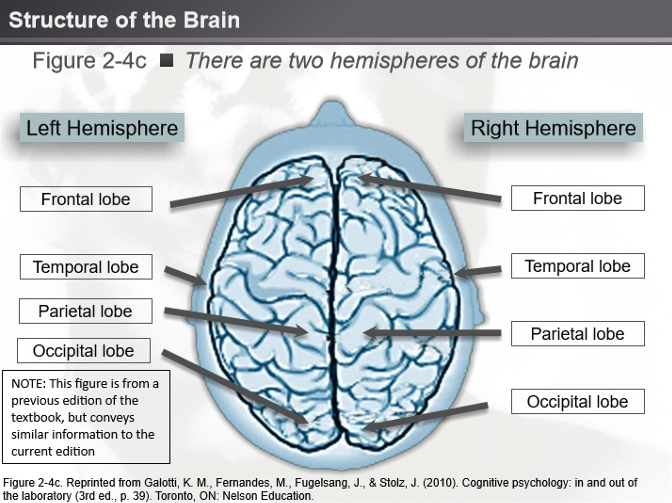
- Cerebral Cortex: the four lobes
- Localization of Function (Gall / phrenology as historical footnote)
- Lateralization of Function
- Double Dissociation: the methodological heart of the module
- Broca’s Area, Wernicke’s Area
- Brain Imaging (CAT / MRI / ERP / PET / fMRI / BOLD / Donders)
Module 3: Perception
- Bottom-up Processing vs Top-down Processing
- Visual Agnosia (apperceptive + associative)
- Prosopagnosia
- Capgras Syndrome
Module 4: Attention
- Selective Attention
- Broadbent’s Filter Theory: early selection
- Deutsch-Norman Late Selection
- Cocktail Party Effect
- Automatic vs Controlled Processing
- Stroop Effect
- Hemispatial Neglect
Module 5: Memory Systems
The Modal Model is the scaffolding everything else hangs off.
- Sensory Memory (iconic + echoic)
- Short-term Memory → Long-term Memory
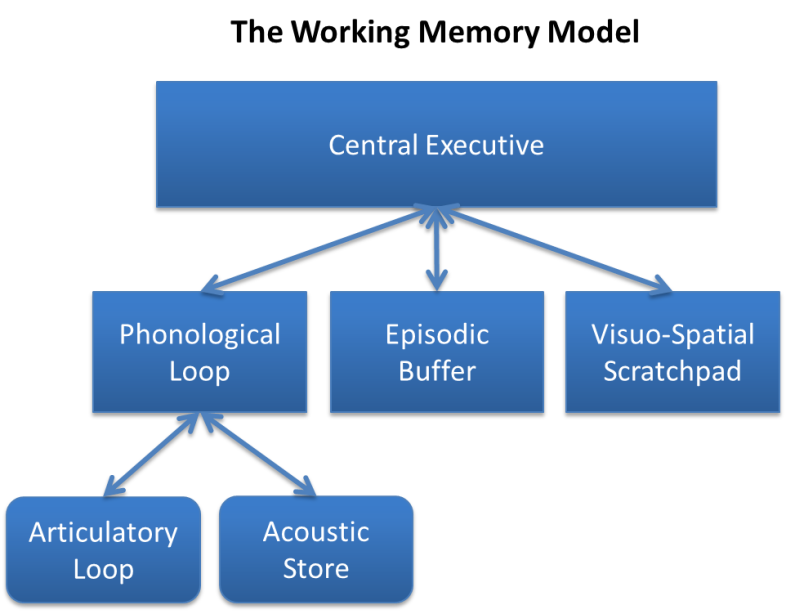
- Working Memory (Baddeley)
- Magic Number 7 ± 2 (Miller), Chunking
- Serial Position Effect (primacy + recency)
- Interference (proactive + retroactive)
- Episodic Memory vs Semantic Memory (Tulving)
- Anterograde Amnesia, Retrograde Amnesia
- Human Memory: personal/project-lens version of the same territory
Module 6: Memory Processes
- Levels of Processing (Craik & Lockhart)
- Elaborative Rehearsal (vs maintenance)
- Encoding Specificity
- Context-Dependent Memory, State-Dependent Memory
- Flashbulb Memory
- Constructive Memory (Loftus) → False Memory
- Hierarchical Semantic Network, Spreading Activation
- Explicit vs Implicit Memory
Module 7: Concepts and Categorization
The course’s point isn’t that one view is correct; the mind probably uses multiple tools depending on what’s being categorized.
- Category vs Concept: the foundational distinction
- Graded Membership
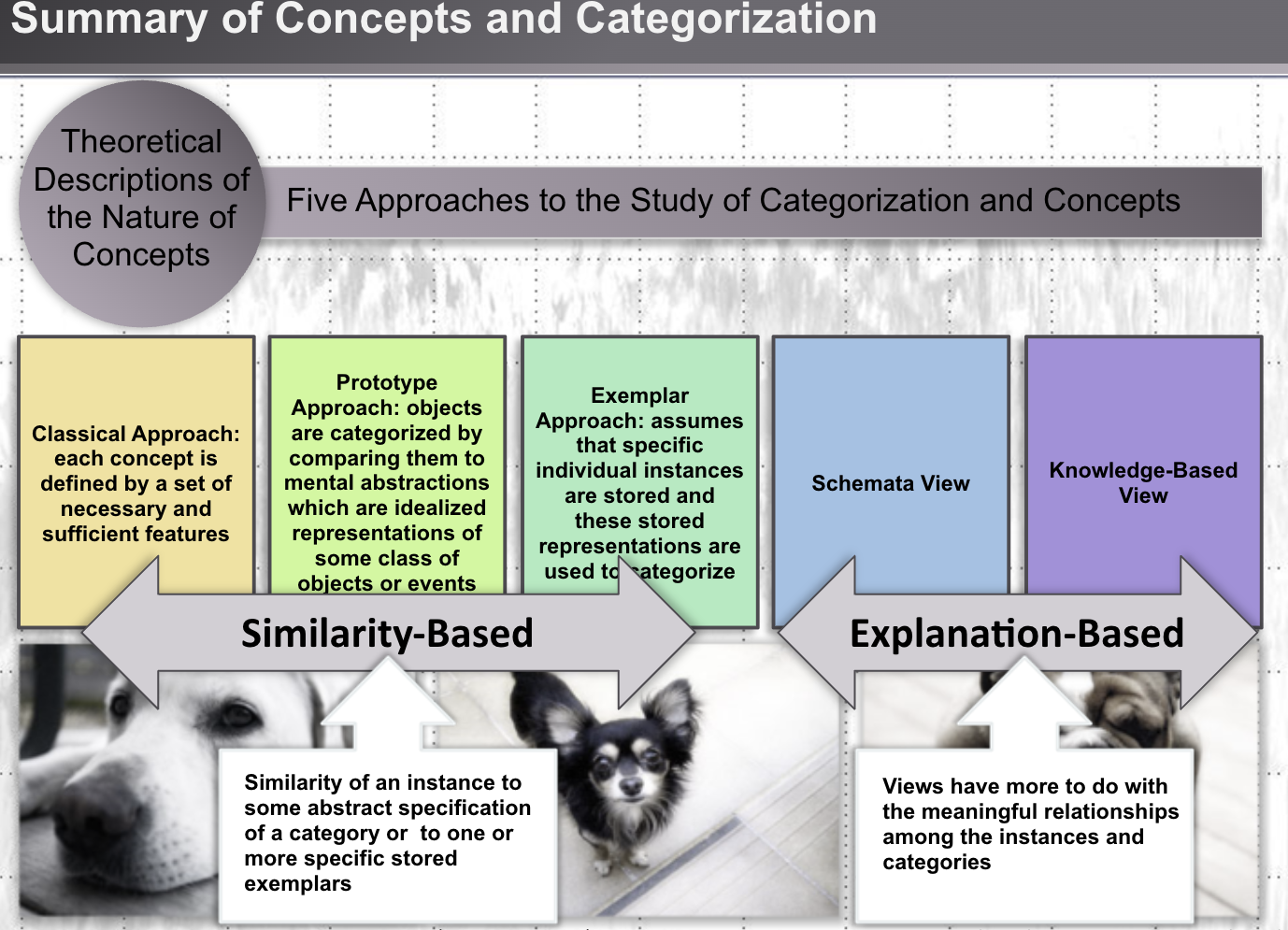
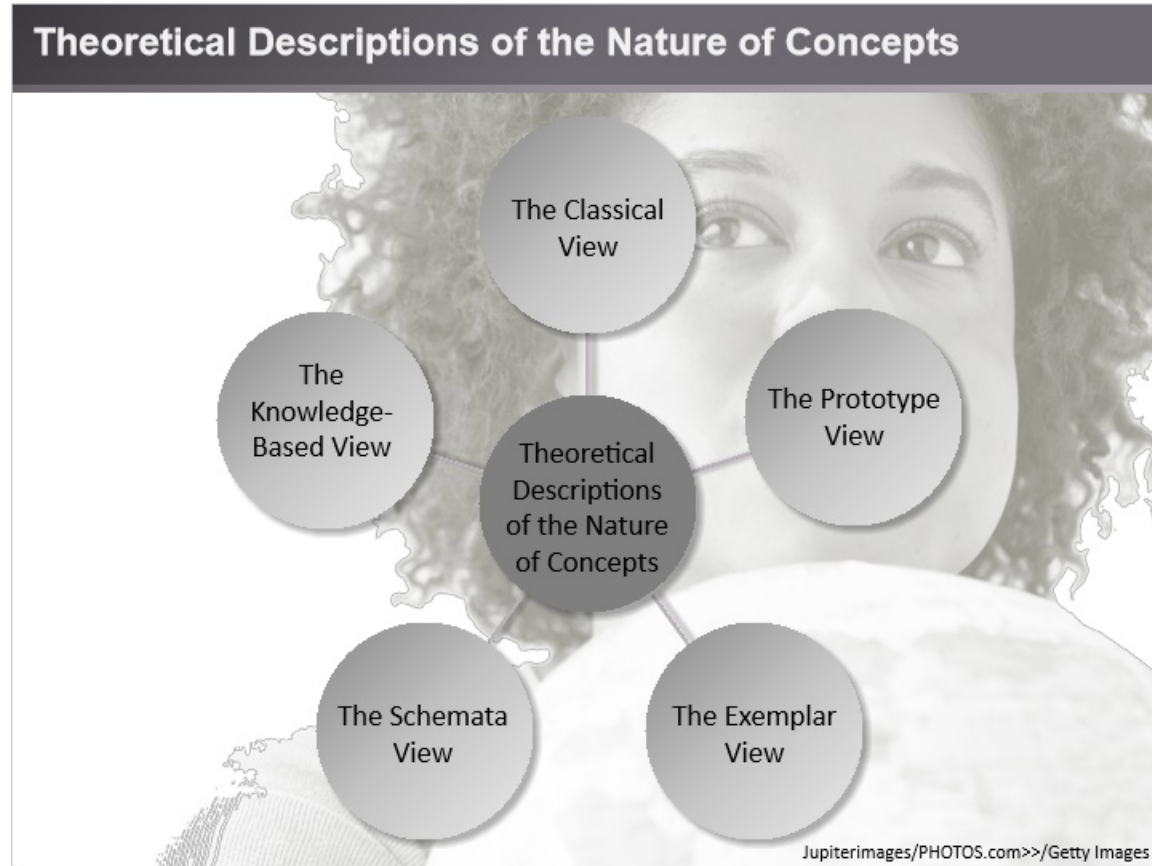
- Similarity-based views: Classical, Prototype (Rosch), Exemplar
- Explanation-based views: Schemata, Knowledge-based
Module 8: Mental Imagery
- Method of Loci, Pegword Method: mnemonics
- Dual-code Theory (Paivio), including the analog vs propositional debate
- Demand Characteristics
Module 9: Language
- Properties of Language (arbitrary + generative)
- Levels of Language (phoneme → morpheme → syntax → semantics → pragmatics)
- Broca’s Aphasia vs Wernicke’s Aphasia
- Language Disorders (anomia, alexia, agraphia, alexia without agraphia)
Module 10: Thinking, Problem Solving, and Reasoning
- Problem Solving: strategies hub (generate-and-test, means-ends, working backwards, analogy)
- Mental Set (includes functional fixedness)
- Expertise
- Deductive vs Inductive Reasoning
Heuristics and biases:
Decision-making:
- Expected Utility Theory
- Image Theory (value / trajectory / strategic)
- Recognition-primed Decision Making
Module 12: Intelligence
- Multiple Intelligences (Gardner)
- Bilingual Advantage
People to know
- Wilhelm Wundt
- William James
- B.F. Skinner
- Noam Chomsky
- George A. Miller
- Alan Baddeley
- Endel Tulving
- Elizabeth Loftus
- Daniel Kahneman
- Anne Treisman
- Eleanor Rosch
- Hermann Ebbinghaus
- Paul Grice
A very good way to think about the big-name set for exam purposes:
- Ebbinghaus = forgetting / memory basics
- Grice = language meaning in conversation
- Loftus = false memory / memory distortion
- Kahneman = biases and decision making
- Treisman = attention
- Rosch = categories / prototypes
- Miller = short-term memory capacity
- Baddeley = working memory
Fast high-yield contrasts
- Empiricism vs nativism = experience vs innate structure
- Structuralism vs functionalism = mind’s parts vs mind’s purpose
- Behaviorism vs cognitive psychology = observable behavior only vs internal mental processes
- Information processing vs connectionism = serial stages vs distributed parallel networks
- Short-term memory vs working memory = brief storage vs active mental workspace
- Episodic vs semantic memory = personal events vs facts/knowledge
- Broca vs Wernicke aphasia = production problem vs comprehension/meaning problem
- Bottom-up vs top-down = sensory input vs context/expectation
- Controlled vs automatic processing = effortful vs effortless